

An Open Letter To Marvi Sirmed by Usmann Rana. Thanks for speaking up.
Filed under: Media | Tagged: hamid mir, journalists, marvi sirmed, Media, najam sethi, Pakistan, threat to journalists | Leave a comment »
An Open Letter To Marvi Sirmed by Usmann Rana. Thanks for speaking up.
Filed under: Media | Tagged: hamid mir, journalists, marvi sirmed, Media, najam sethi, Pakistan, threat to journalists | Leave a comment »
My curtain raiser on the Eighth Pakistan-India People’s Forum for Peace and Democracy (PIPFPD) Joint Convention being held in Allahabad, India, Dec 29-31, 2011 (slightly shorter version published as an op-ed in The News). When the name was being decided, the Indians insisted that Pakistan should be mentioned first, rather than the usual formulation that places India’s name first. This apparently trivial gesture typifies the PIPFPD’s cooperative spirit.
People for peace | By Beena Sarwar
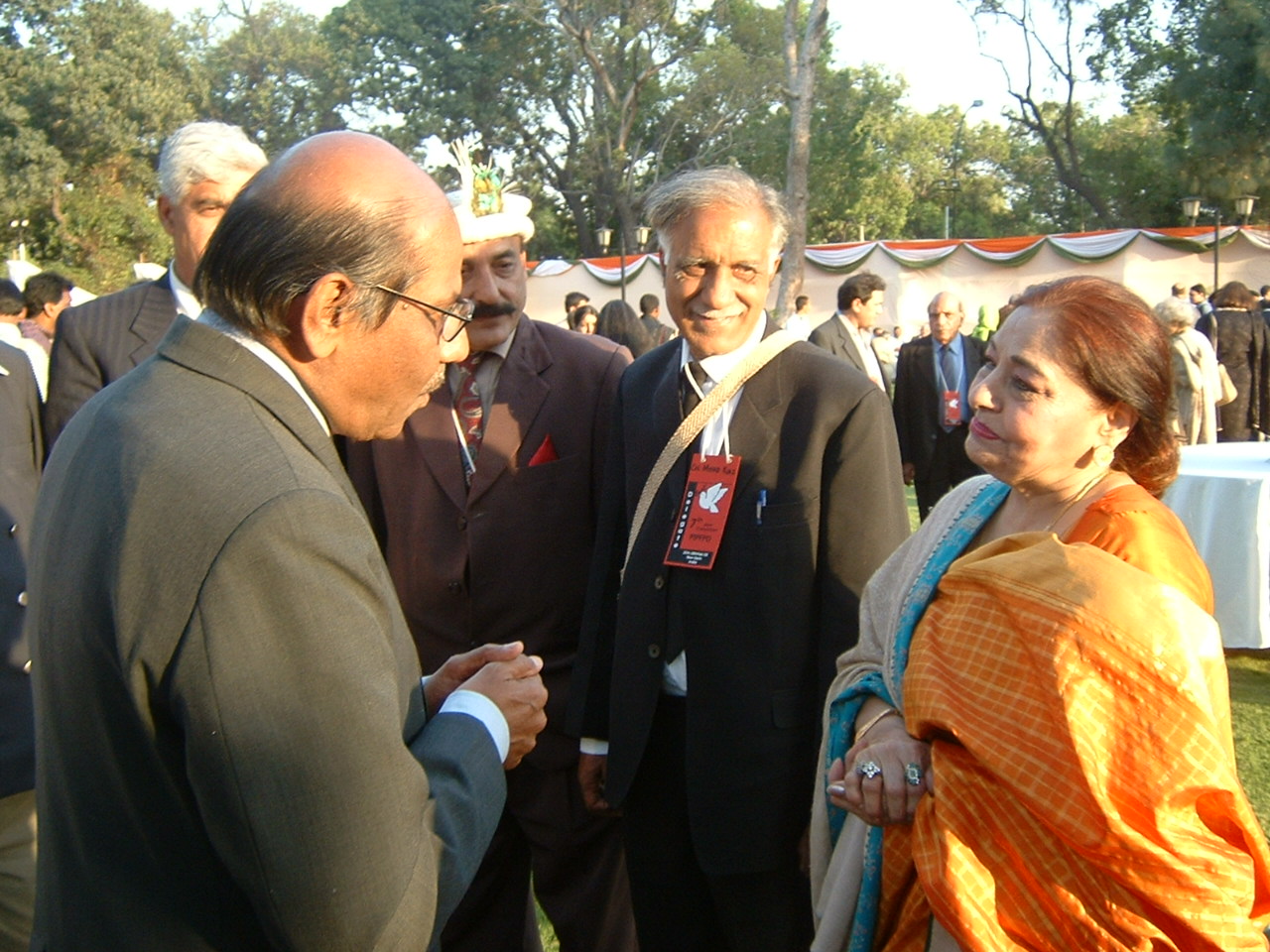
The Indian government’s clearance of visas for 237 Pakistanis to attend a major peace convention in Allahabad, Dec 29, 2011 to Jan 1, 2012, is a welcome step, allowing the much-delayed Eighth Joint Convention of the Pakistan-India People’s Forum for Peace and Democracy (PIPFPD) to finally be held.
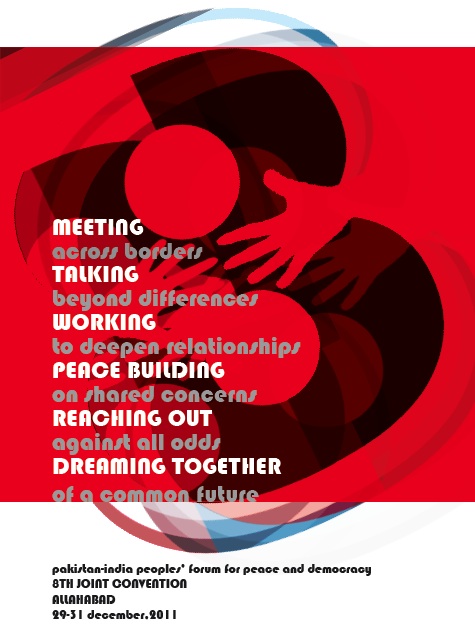
The PIPFPD is the largest people-to-people organisation between the two countries, formed in 1994 by eminent intellectuals, academics and activists from both sides. Discussions at the Joint Conventions revolve around issues ranging from ‘war, de-militarization, peace and peace dividends’, to ‘Democratic solution to Kashmir problem’, ‘Democratic Governance’ and ‘Religious intolerance in India and Pakistan’. ‘Globalization and Regional co-operation’ was added at the 5th Joint Convention in 2000 at Bangalore.
The principles laid out in the initial PIPFPD Declaration of 1994 are even more relevant today than they were then: that the “politics of confrontation between India and Pakistan has failed to achieve benefits of any kind for the people of both countries”, and that the respective governments should honour the wishes of their people who “increasingly want genuine peace and friendship”.
Better relations, said the Declaration, “will help in reducing communal and ethnic tension” and “will help the South Asian region to progress economically and socially”. The Declaration urged the Governments of Pakistan and India to “agree to an unconditional no-war pact immediately” and to recognise that “a democratic solution to the Kashmir dispute is essential”.
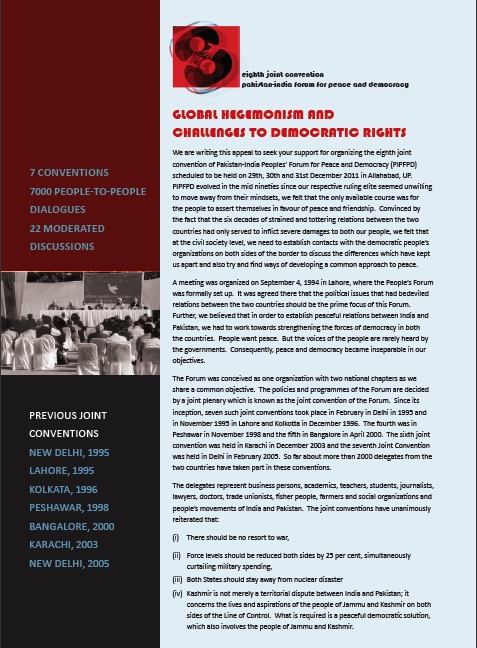
Over 200 Pakistani and Indian delegates participated in the groundbreaking First Joint Convention in New Delhi, 1995. For the first time, Indians and Pakistanis sat together to freely discuss the contentious issues of Kashmir, demilitarization, and the politics of religious intolerance. PIPFPD’s formulation about Kashmir is now part of public discourse: that Kashmir should not be viewed merely as a territorial dispute between India and Pakistan but as a matter of the lives and aspirations of the Kashmiri people, who must be involved in any discussion about their future.
The seven joint Conventions held since in various cities across the region, alternating between both countries, have involved hundreds of ordinary citizens. Delegates pay for their own travel expenses, while the hosts arrange inexpensive board and lodging. These Conventions have yielded not only lasting relations between individuals but also spawned dozens of Indo-Pak organisations and meetings between different ‘sectors’ – fisherfolk, teachers, students, journalists, doctors, lawyers, labour unions, rights groups and others.
It was PIPFPD’s First Joint Convention in New Delhi in 1995 that led to the first regular column by an Indian journalist in a Pakistani newspaper (The News on Sunday) since the 1960s. Today, most newspapers and TV channels in Pakistan have correspondents, stringers and resource persons in India, and vice versa.
Initial delays to the Eighth Joint Convention came from Pakistan, where it was supposed to be held in Peshawar in 2007, after the Seventh Joint Convention in New Delhi in 2005. The political situation provided justifications to deny the necessary permission: escalation in the ‘war on terror’, the lawyers’ movement, the return and then the tragic assassination of Benazir Bhutto, and escalating violence in Pakistan as the new government tried to tackle the militants unambiguously.
When it became clear that trying to hold the Convention in Pakistan would add to more delay, the organisers decided to move it to India. That took over a year and much negotiation. Conditions were verbally set out and apprehensions voiced about the possibility of ‘wrong speeches’ being made – not just by the Pakistanis but by Indians. However, those raising the objections were unwilling to spell out their apprehensions in writing.
In the end, persistence and people pressure paid off. Several Indo-Pak events have been held over the past two years, including by Aman ki Asha. Many were initiated by Indians, contrary to the perception that “Indians don’t care about peace with Pakistan”.
Significantly, some of the most inspiring initiatives have come from Mumbai, a city still reeling from the horrific attacks of Nov 26-28, 2008 that many Indians squarely blame Pakistan for. However, many Indians, including Mumbaikars, argue that all Pakistanis should not be held responsible for the actions of a few.
An extraordinary expression of this spirit was the 50-kilometre long ‘human chain for peace’ formed by some 60,000 Mumbaikars on Dec 12, 2008, urging the Government of India to show restraint in dealing with Pakistan — just days after the attacks that claimed 164 lives and left over 300 wounded. This hugely impressive event was overshadowed by the jingoism amplified by the media, but the Indian government did not (for several reasons) pander to those baying for action against Pakistan.
Earlier this year, students from Mumbai came up with a pioneering initiative they called ‘Ummeed-e-Milaap’ (hope for unity), a platform for Indian and Pakistani students to connect, in over 30 colleges in Mumbai, Lahore and Karachi. Last month, a 22-member delegation of journalists from The Press Club of Mumbai travelled to Pakistan to connect with colleagues in Karachi and Hyderabad, culminating in a joint Declaration of Cooperation.
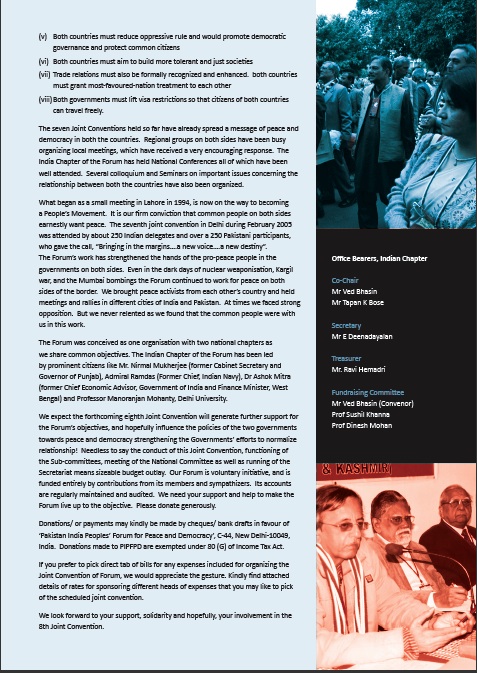
The world is changing. The old paradigms and policies based on paranoia and hatred must give way to a realisation that it is only with cooperation with each other that India that Pakistan can fulfil their respective potentials. The Seventh Joint Convention articulated some visionary steps that both governments can take towards this end (see www.pipfpd.org). The Allahabad Convention will take forward these demands, foremost among which is easing the current restrictive visa regime.
We have seen what happens when thousands of cricket fans are given visas to attend matches across the border: nothing, except for goodwill and a reaffirmation that the people are ready for good relations and personal contacts. As the Allahabad Convention gets under way, do our governments have the political will and vision to follow the people to peace or will they remain mired in outdated security state paradigms?
(ends)
Filed under: Pakistan-India | Tagged: Allahabad, de-militarisation, democratic governance, Environment, India, indo pak peace efforts, Kashmir, nuclear, Pakistan, Peace, people-to-people, PIPFPD, religious intolerance | 4 Comments »

Benazir Bhutto on her arrival in Karachi in Oct, 2007. Photo: Beena Sarwar
It’s four years since those pistol shots and bomb blast in Pindi’s Liaquat Bagh ended the life of Pakistan’s most promising politician and hope for democracy. There is no one to replace Benazir Bhutto but her legacy lives on in many ways. This is the first legitimately elected government ever in Pakistan to remain in office for as long as it has – and it will be the first to complete its tenure if allowed to do so and hand over power to the next elected government. This political process is essential to move Pakistan out of a quagmire that has taken decades to push us into. There are no quick fixes, no magic wands that can change things overnight. What’s important is the process and at least that is under way – thanks to Benazir Bhutto.
Thanks to YouTube, archival footage is now available to remind us of her legacy. Continue reading
Filed under: Progressive politics | Tagged: Benazir Bhutto, death anniverary, democracy, Lawyers movement, marvi sirmed, Pakistan | 1 Comment »
 Thrilled to receive the Best Blog from a Journalist at the Second Annual Pakistan Blog Awards 2011. Thanks to all those who voted and helped make it possible 🙂 Congratulations to all the other winners. Note: There are many other blogs from Pakistan that could have been in the running but didn’t nominate themselves. One expects there will be more and more competition as the Blog Awards become better known and more established.
Filed under: Media | Tagged: blogs, karachi, Pakistan, Pakistan blog awards, social media | 6 Comments »
Another pot of rumours ruined by facts… twitter.com/pakmediawatch/…
— Pakistan Media Watch (@pakmediawatch) December 23, 2011
Also see Pakistan Media Watch about the dangers of speculation and rumour being presented as truth: “…there is a petition before the Supreme Court that is based on media reports that selectively summarise a foreign media report that paraphrases the speculation of unidentified people. As a result, the people’s perception of events may have been manipulated, and what they believe is reality may actually be a carefully designed version of reality that better serves a political end.” Complete article at: Media, Rumours and ‘Public Importance
Filed under: Media | Tagged: Cartoon, democracy, dirty tricks brigade, Media, Pakistan, Sabir Nazar, zardari | 2 Comments »
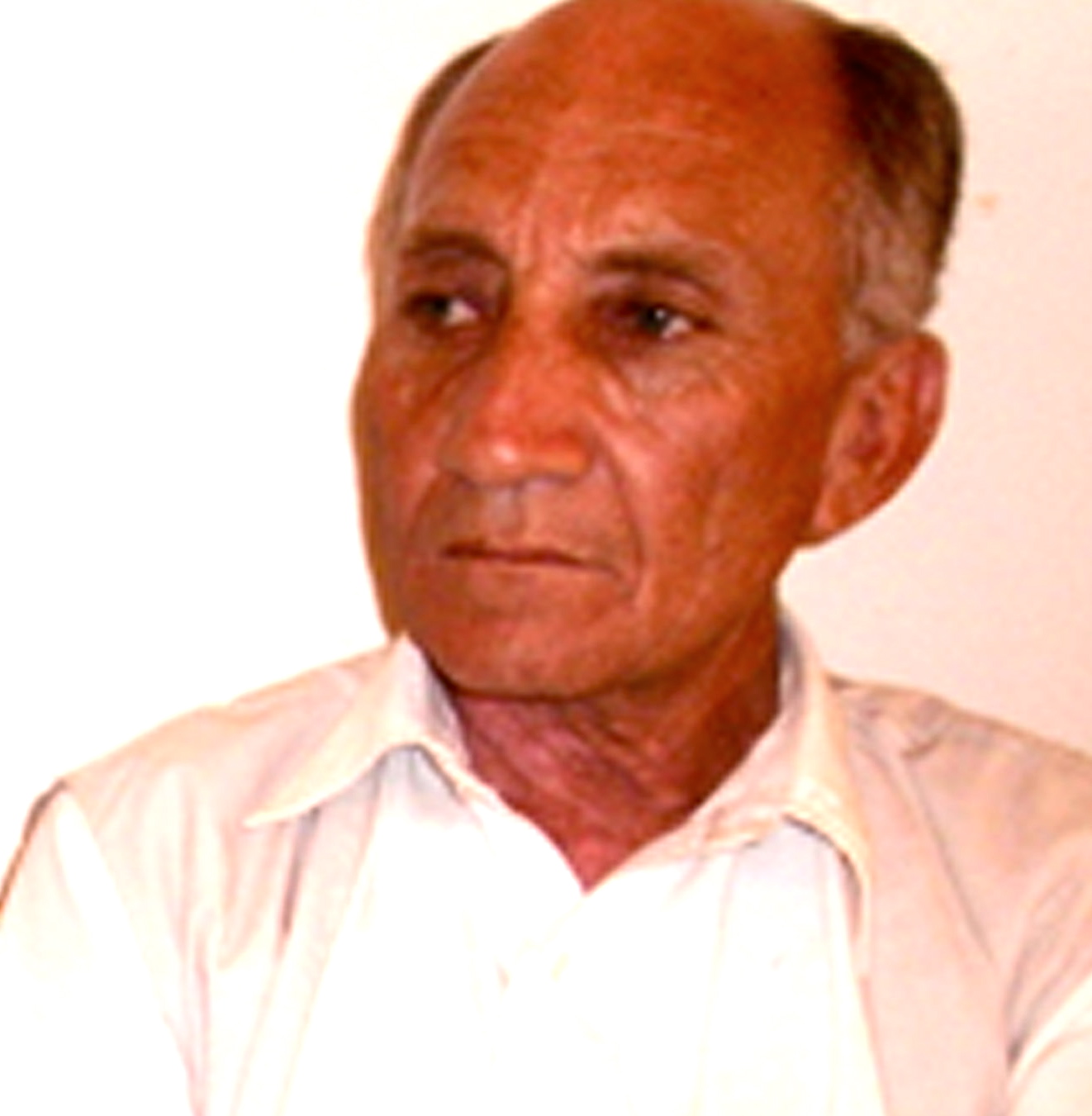
Zarteef Afridi's latest photo. Courtesy: HRCP
A tribute to the human rights activist Zarteef Khan Afridi who was shot dead recently – my article in The News on Sunday. Latitude News earlier published a shorter, different version titled In Pakistan, an unlikely hero dies for his cause. Also see my earlier article: Pakistan’s ‘enlightenment’ martyrs
The tribesman who showed the way
There was the letter from an anonymous writer saying he was going to hunt down and kill her. And then there was the letter from an Afridi tribesman offering to come down and protect her.
This was in the mid-1990s. The recipient of the letters was the fiery human rights lawyer Asma Jahangir, under threat for having taken on the case of Salamat Masih, the illiterate Christian boy sentenced to death for ‘blasphemy’ for having allegedly written sacrilegious words on the walls of a village mosque. Continue reading
Filed under: Human rights | Tagged: adult education, afghan war, Asma Jahangir, Benazir Bhutto, blasphemy, Citizen Rights & Sustainable Development, CRSD Peshawar, Education, fata, Gender, HRCP, Human rights, Idrees Kamal, Jamrud, Khyber, mujahideen, nasim wali, Pakistan, Political Parties Act extended to Fata, salamat masih, women elections, women stopped from voting, Zarteef Afridi | 6 Comments »
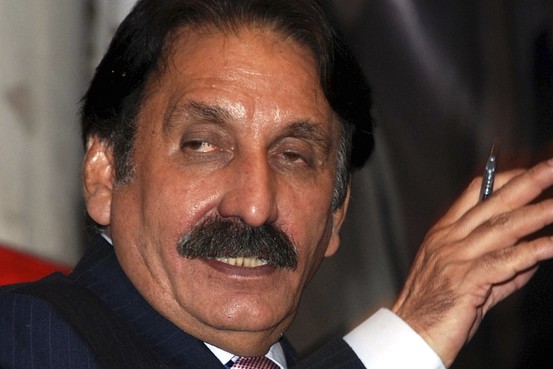
Chief Justice of Pakistan: over-enthusiastic about some issues?
Today’s headline and report in Express Tribune ”Citizen’s letter prompts notices to president, ISI chief” prompts advocate Asad Jamal in Lahore to ask, rightly, who is this “Canada-based Pakistani” Shafqatullah Sohail ‘who has written such a passionate letter that the CJP immediately converted it into a petition? Continue reading
Filed under: Politics | Tagged: Asad Jamal, fifi haroon, mansoor ijaz, memogate, Pakistan, Shafqatullah Sohail, yasser latif hamdani | 1 Comment »
By Beena Sarwar
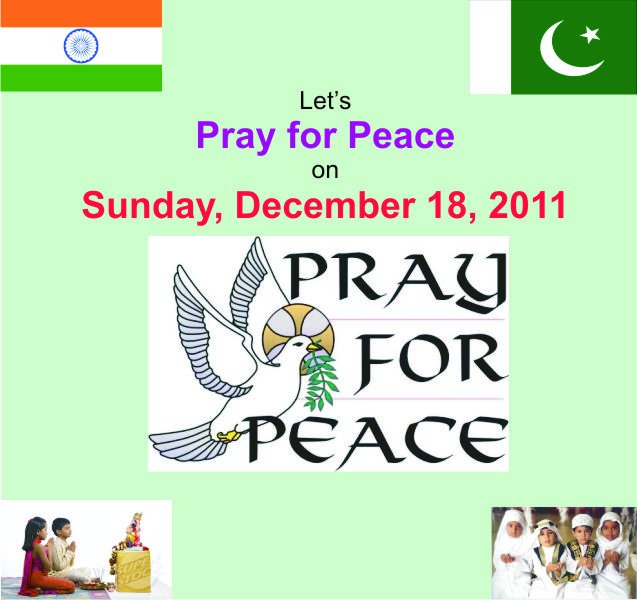
From Indian actor Nandita Das in Mumbai, to peace groups and individuals all over India and Pakistan, and in countries as far away as Korea, Australia, Canada and America, thousands are supporting Pray for Peace Between India and Pakistan Day on Sunday, Dec 18, 2011.
Inspired by the idea of the power of collective prayer or meditation, Toronto-based Swati Sharan randomly picked the date several months ago. “These prayers can be done from anywhere on the globe by any one, of any nationality… the more people pray for something at a given time, the greater the difference it can make,” she wrote in an initial article in May explaining the idea, Continue reading
Filed under: Pakistan-India | Tagged: aman ki asha, collective prayer, India, meditation, nandita das, Pakistan, power of prayer, pray for peace, sally fisher, susan marie, swati sharan | 5 Comments »
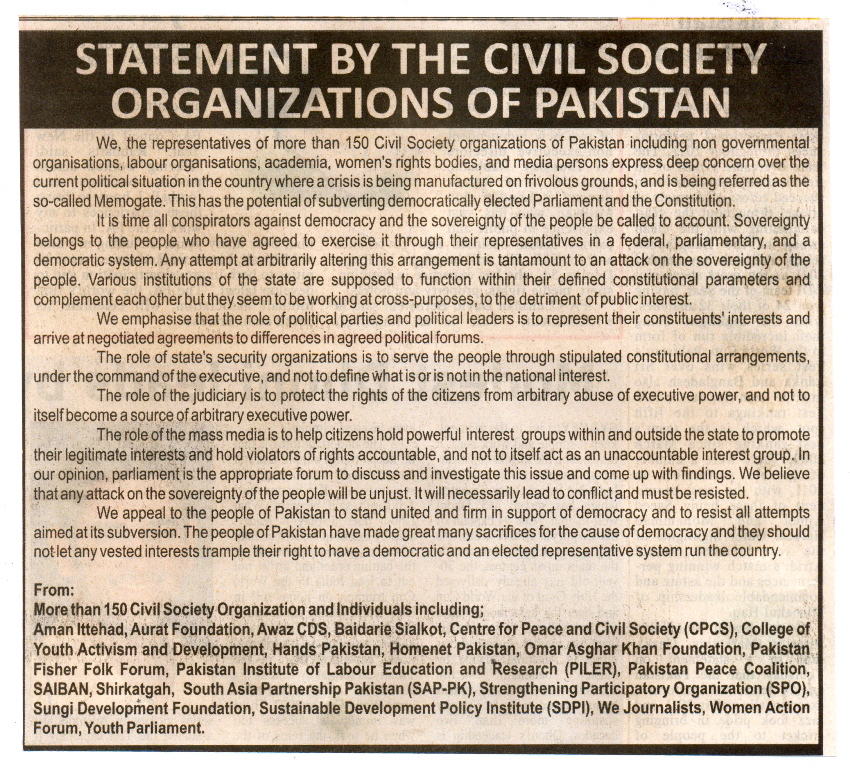
Ad pubished in The Daily Times, Dec 23, 2011
Please note, the names on the signatories list will be updated as more endorsements are coming in.
PRESS RELEASE, December 17, 2011
Civil society terms “memogate” scandal an attempt to thwart democracy; Says threatening the representative system tantamount to attack on sovereignty of people. Read on for the text of the statement and the signatories’ list Continue reading
Filed under: Progressive politics | Tagged: Activism, civil society, democracy, memogate, Pakistan | 10 Comments »
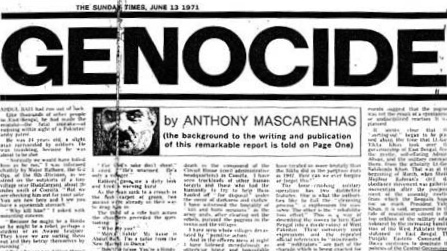
Thank you Mark Dummett, for the report in BBC today paying tribute to Anthony Mascarenhas, the brilliant and courageous Pakistani journalist who had to flee abroad in order to be able to tell the truth – Bangladesh war: The article that changed history.
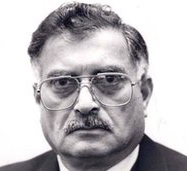
Mascarenhas
“Eight journalists, including Mascarenhas, were given a 10-day tour of the province (East Pakistan). When they returned home, seven of them duly wrote what they were told to,” writes Dummett.
“But one of them refused.”
That was Mascarenhas, who died in 1986 in London.
His wife Yvonne Mascarenhas told Dummett that she remembers him coming back distraught: “I’d never seen my husband looking in such a state. Continue reading
Filed under: Human rights, Media | Tagged: 1971, anthony mascarenhas, army, Bangladesh, bbc, democracy, goan christian, history, journalism, Media, Pakistan, sunday times | 10 Comments »


