Finding a retired fighter pilot and how his vision for peace links with Gulzar and Mehdi Hasan

How I tracked down a retired fighter pilot of the Pakistan Air Force who wrote a viral piece on a fallen Indian counterpart, and how the iconic poet Gulzar and singer Mehdi Hasan figure in the story behind his article published recently in Sapan News
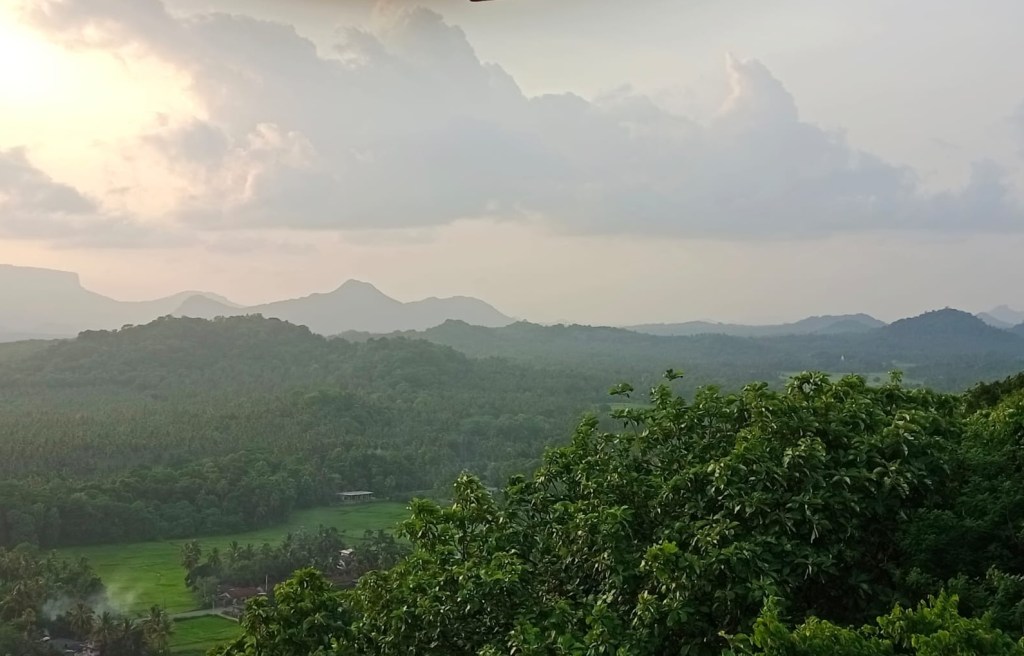
Reflections from a mountaintop in Sri Lanka. Photo by SinhaRaja Tammita-Delgoda

PERSONAL POLITICAL

Last November, I read an article titled “Salute Across the Skies” by a retired Pakistan Air Force officer in tribute to an Indian Air Force pilot who had died in a Tejas fighter jet crash during an air show in Dubai. I received the piece several times via email, WhatsApp and Facebook messages and groups, as well as on various social media sites. I also saw it being widely reported on, particularly by the Indian media.

A further search revealed Pervez Akhtar Khan listed as a writer at The Friday Times, so I emailed him to ask if he was the writer of the piece in question. I also messaged him via Facebook, as the person with that name had a private profile.

Some time later, I finally got a reply. He was indeed the writer, had originally posted it on his Facebook page – in English, later translated to Urdu (not the other way around as some reports had claimed).
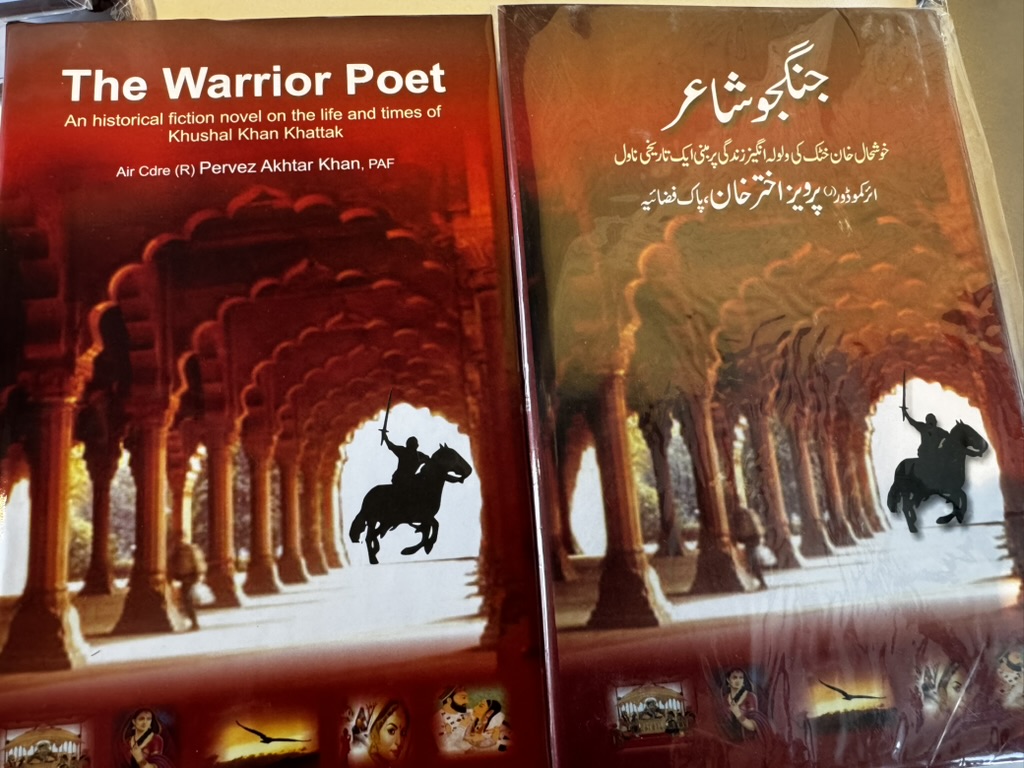
Pervez Akhtar Khan’s historical fiction about Khushal Khan Khattak, the 17th-century Afghan Pashtun poet, chief, and warrior, publisted in English and Urdu.

It was great to meet him in Islamabad for coffee the following month. Akhtar Bhai, as I call him, has served as Pakistan’s Defence Attache in Paris, and is a prolific writer, posting mostly on his Facebook page and on WhatsApp. His focus areas are defence policy, strategy, and social issues. He also authored a historical fiction on the legendary 17th-century Afghan Pashtun poet, chief, and warrior Khushal Khan Khattak, which he later translated into Urdu — a labour of love which he generously gifted me.

I enjoy reading his pieces and appreciate his wisdom, empathy, open-mindedness and openheartedness. And humour, as in a piece he wrote about being outwitted by a pair of mynahs building a nest in a kitchen pipe. This was not a fair competition; his wife was on the birds’ side.

Image from Pervez Akhtar Khan’s post of 11 Jun 2026.

While chatting some days ago, he shared a short post about identity, which got me thinking, where we spend our early childhood and where we grow up, remain seared in our memories and occupies a disproportionate place in our emotions, especially the older we grow. There is also an emotional tie to the land of our ancestors.

I was reminded of when Gulzar visited Pakistan in 2013 and went to his village Dina for the first time, he was so overcome with emotion that he had to return to India without being able to attend the literary event in Karachi he had come for. He talked about this in an interview with the Lahore-based writer Sehyr Mirza published in Aman Ki Asha (April 2013).

When Mehdi Hassan returned to India for the first time and was being driven through the Rajasthan desert, he asked the driver to stop the car, got out began rolling on the ground, as the late journalist Ish Madhu Talwar documented in another article I edited for Aman Ki Asha (April 2010), which appears to be no longer online. I have a PDF of the page, and the article text.

Talwar ji wrote that Mehdi Hasan was born in Luna in 1927.

He left at age 20 after the partition of the country in 1947 and settled in Pakistan, but decades after his departure his presence lingers there. And the memory of his village still haunts him. His childhood friends have passed on but the trees, wells and fields of the village remain, mute witness to the golden time he spent here.

How intensely one can love the land of one’s birth is borne out by an incident in 1977, when Mehdi Hasan visited Luna for the first time after partition. He had come to Jaipur for a ghazal programme. The Rajasthan government had honoured him with the status of a state guest and took him to Luna at his request.

On the way he suddenly asked the driver to stop the car. Everybody travelling with him was surprised beyond belief as he got down and went towards a temple built on a small roadside mound, then flung himself, weeping, on the ground, rolling in the sand. It was like child weeping in the lap of his mother after a long separation.

Poet Krishna Kalpit who witnessed this scene remembers how it “moved and mesmerised everybody. Mehdi Hasan’s son, then a small boy who was also there, asked us what had happened to his father. We consoled him and told him not to worry. On regaining his composure Mehdi Hasan told us that he used to sing bhajans in the temple. He also told us that his family still talks to each other in Shekhawati back in Pakistan and how drawn he is to the land of Shekhawati.”

His son Asif Mehdi is now also a ghazal singer. His album with his father, ‘Dil Jo Rota Hai’ (The Heart That Weeps) has already hit the stands.
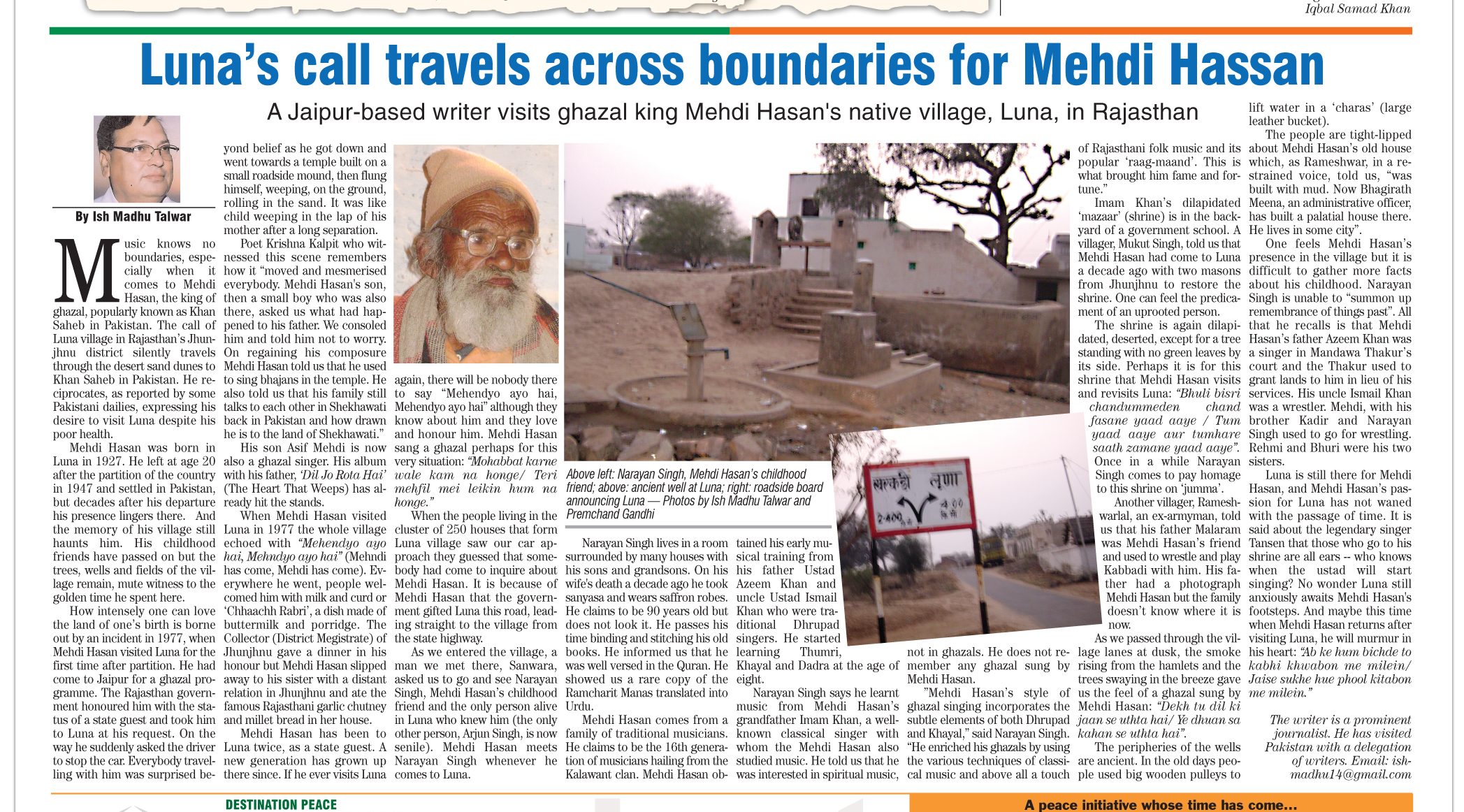
Image cropped from a PDF of the Aman Ki Asha page published in The News Internationa, Pakistan, 07 April 2010

I shared these thoughts with Akhtar Bhai, and also how emotional it was for me to visit my father‘s hometown Allahabad as an adult and see the house he had grown up in, although it meant nothing to me as a child.

In response he shared an article with me that he had been working on. I loved his vision of identity and a homeland at peace with its neighbours, reflecting on a future for Southasia defined not by divisions, but by regional cooperation and shared opportunities — a vision articulated by the Founding Charter of the Southasia Peace Action Network, which some of us launched in March 2021.

Read Pervez Akhtar Khan’s poetic and thoughtful piece in Sapan News: Many rivers, one dream: Reflections of a wanderer, a syndicated feature available for republication with due credit to https://www.sapannews.com.

And follow Sapan News on Instagram – instagram.com/sapan_news

Peace, like democracy, is a process, not an event

Extract from an interview about the Islamabad peace talks — before they ‘collapsed’ — and a visit to ancient archaeological sites in Sindh

I spoke to the eminent Indian journalist Arfa Khanum Sherwani on Saturday about the peace talks then taking place in Islamabad. She published the interview on her YouTube channel on Sunday — with several cuts since everything had, as she said, changed overnight. I tried to represent our peace constituency.

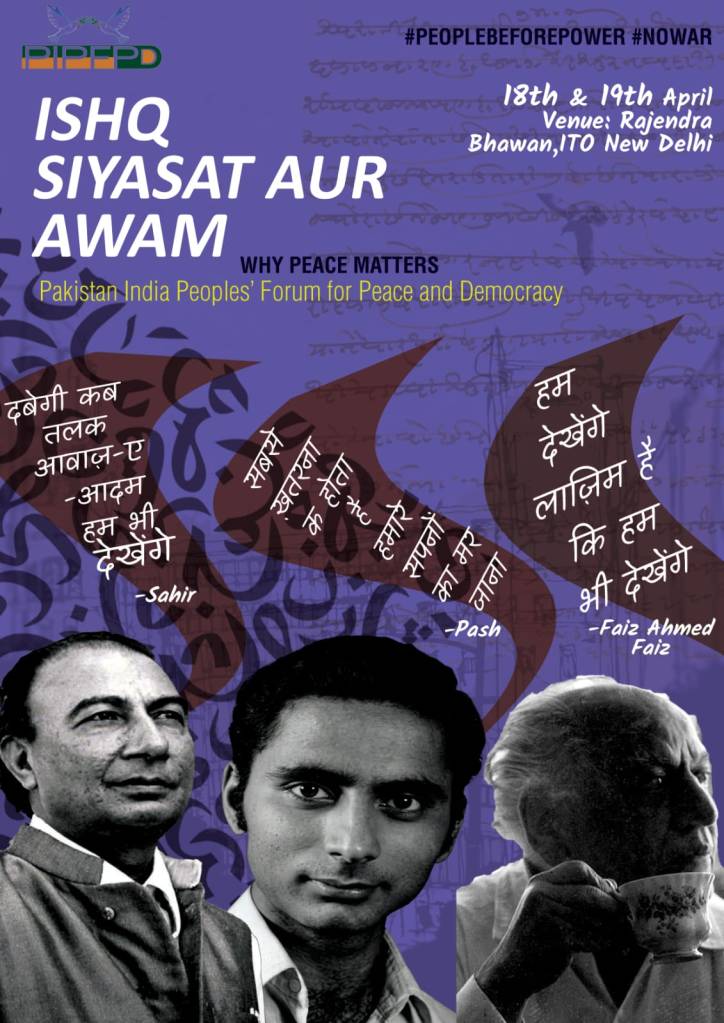
Poster for the upcoming PIPFPD National Convention in Delhi. Peacemongers zindabaad

One of the cuts was about a Pakistan India Forum for Peace and Democracy (PIPFPD) webinar on Friday, which I refer to when mentioning the maturity of the Indians I heard “yesterday“. Here’s a recording of that seminar “Counting the costs of conflict – why peace matters” — most of it is in English. This webinar precedes PIPFPD’s upcoming National Convention, ‘Ishq, Siyasat aur Awam’ (Love, politics and the people), being held in Delhi, 18–19th April.

We need to amplify these voices of wisdom and courage.

A field trip to Chaukandi, Makli, Thatta, Bhambore

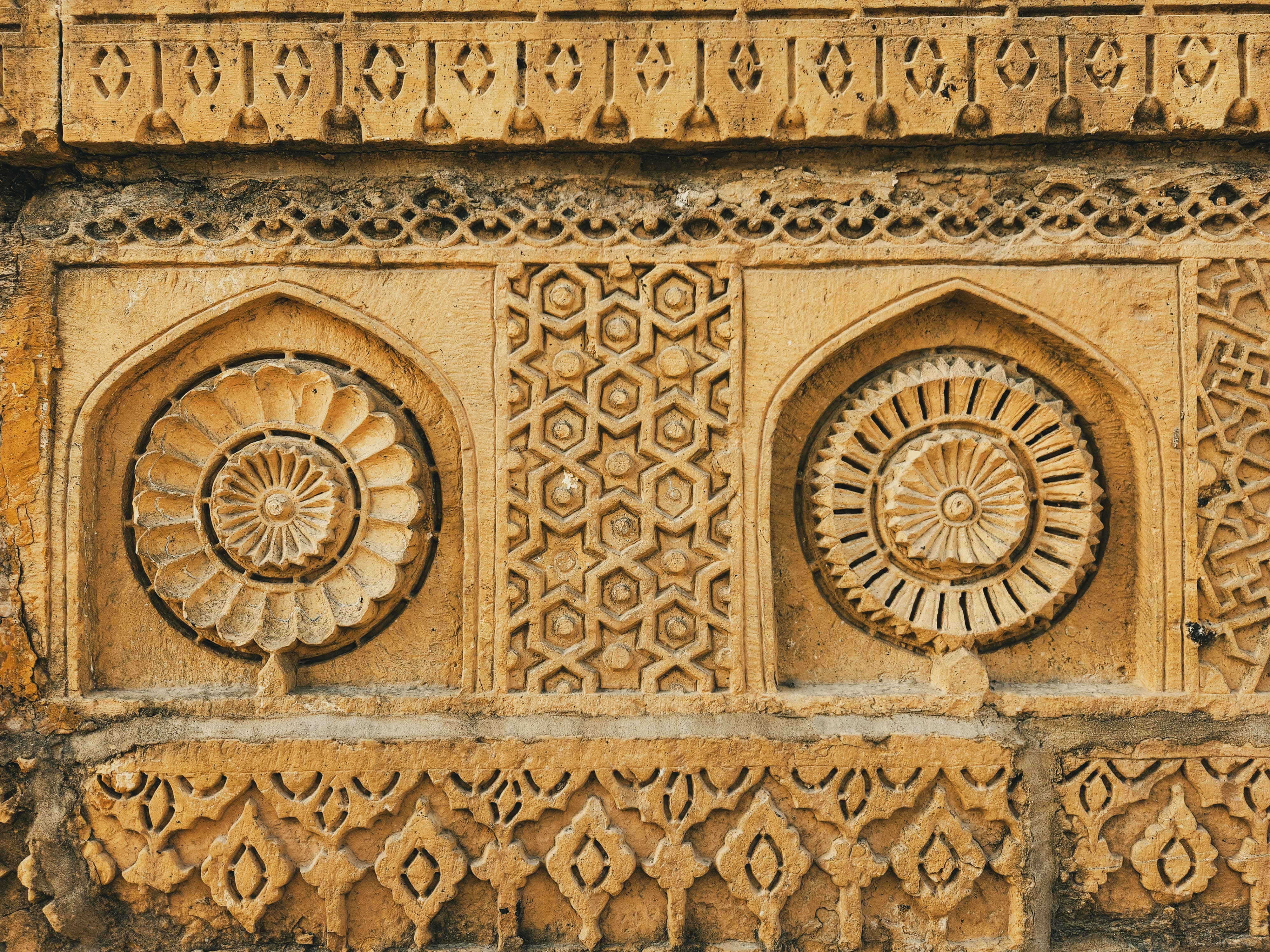
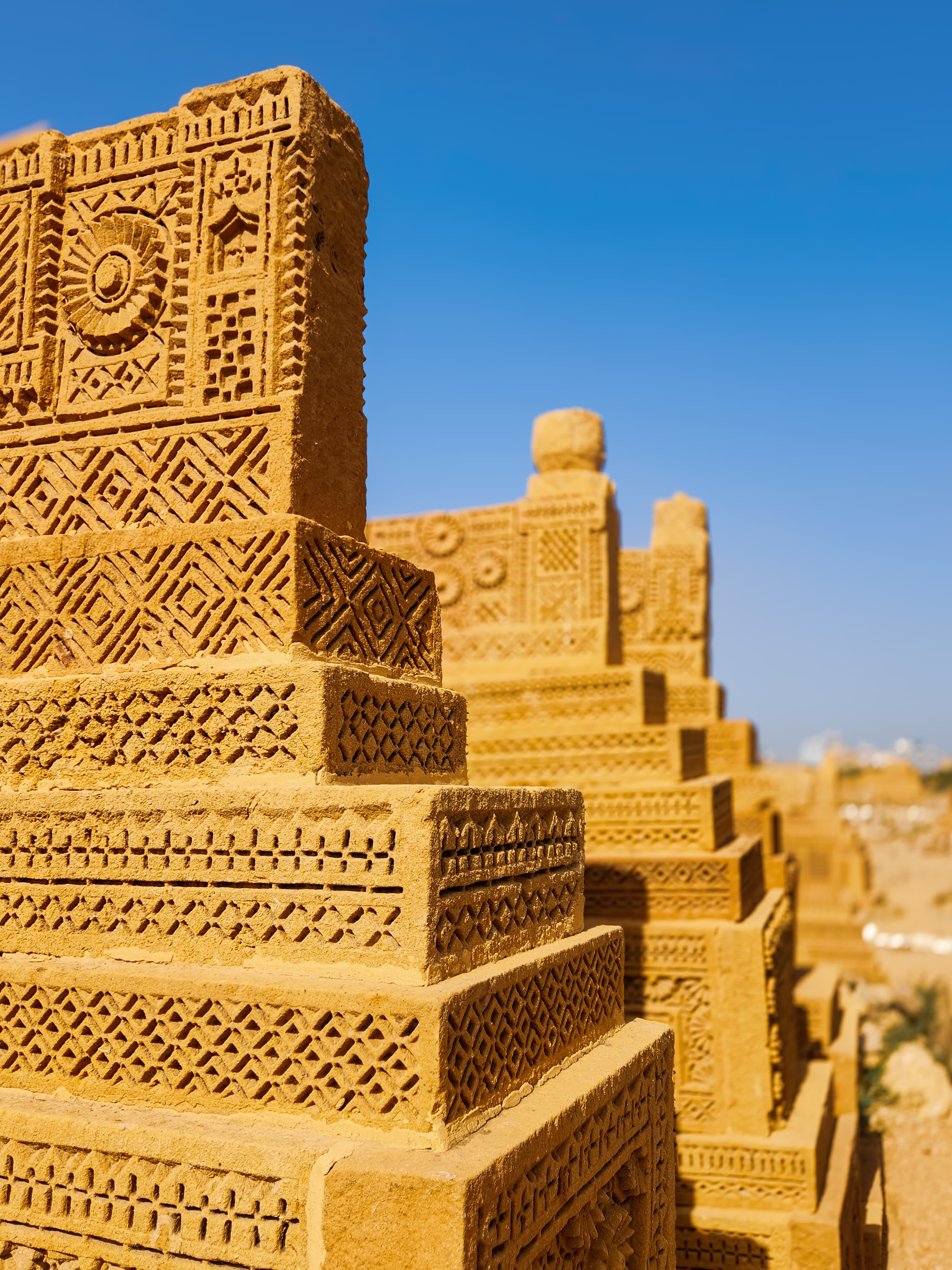
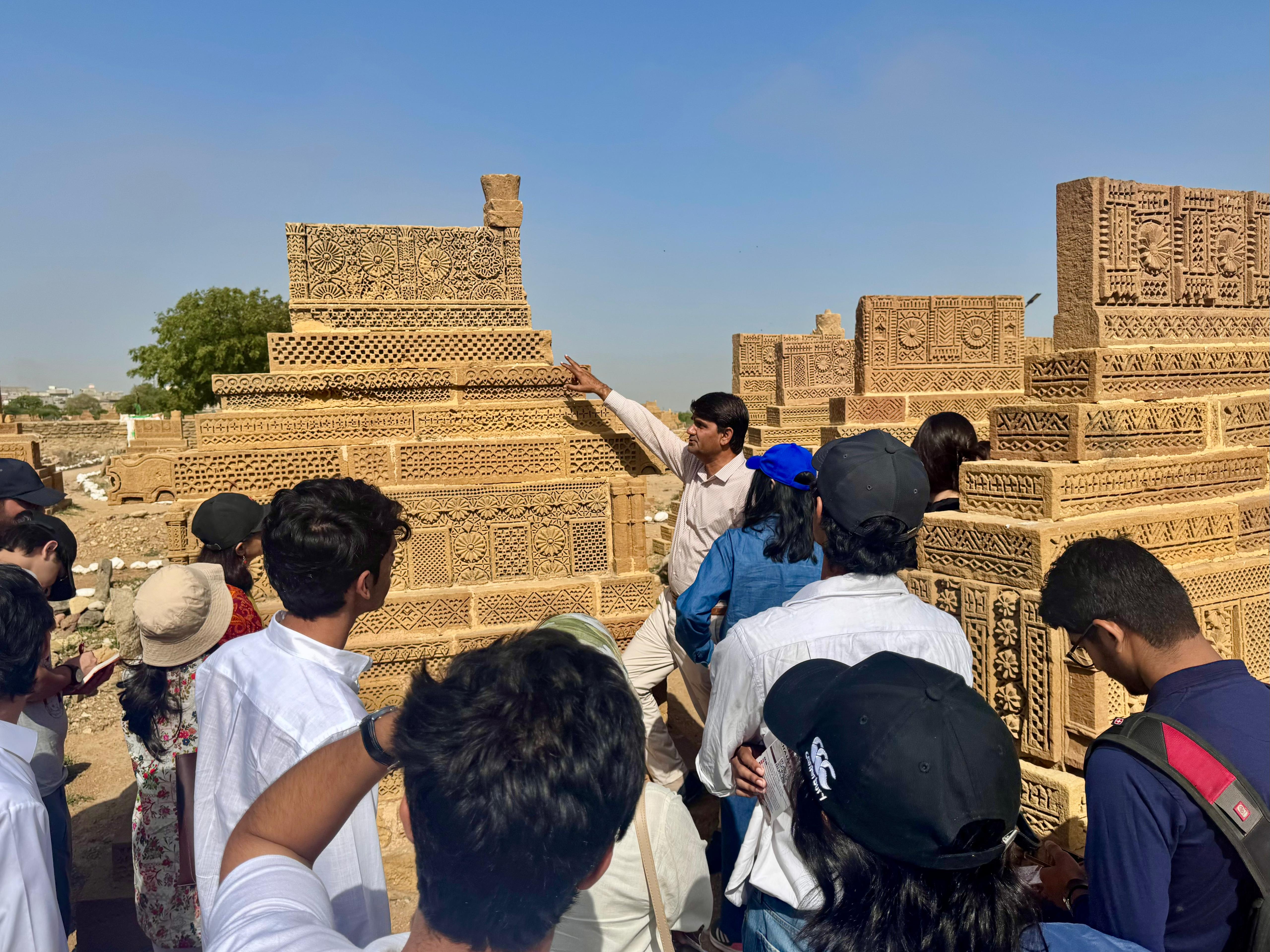
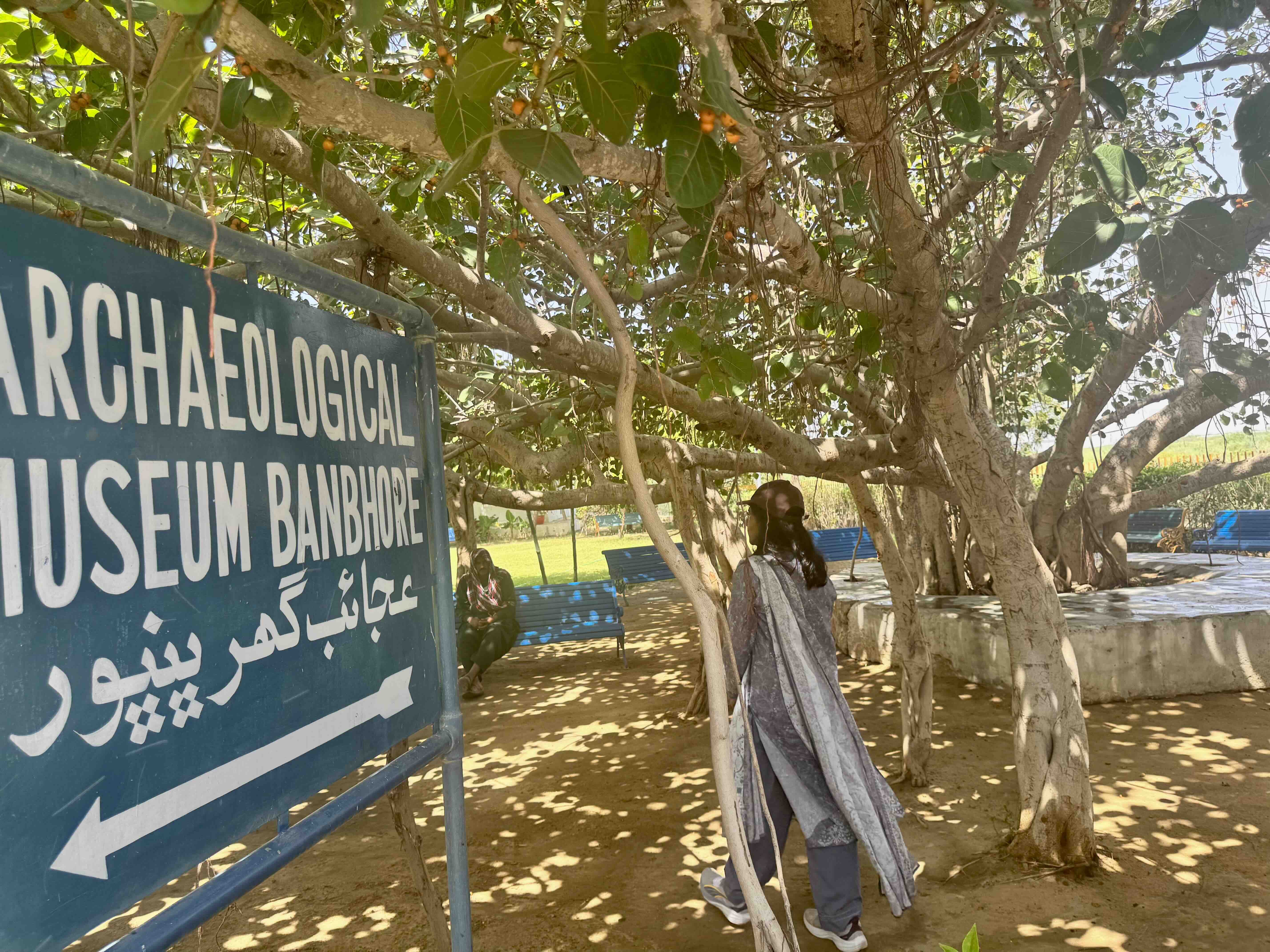
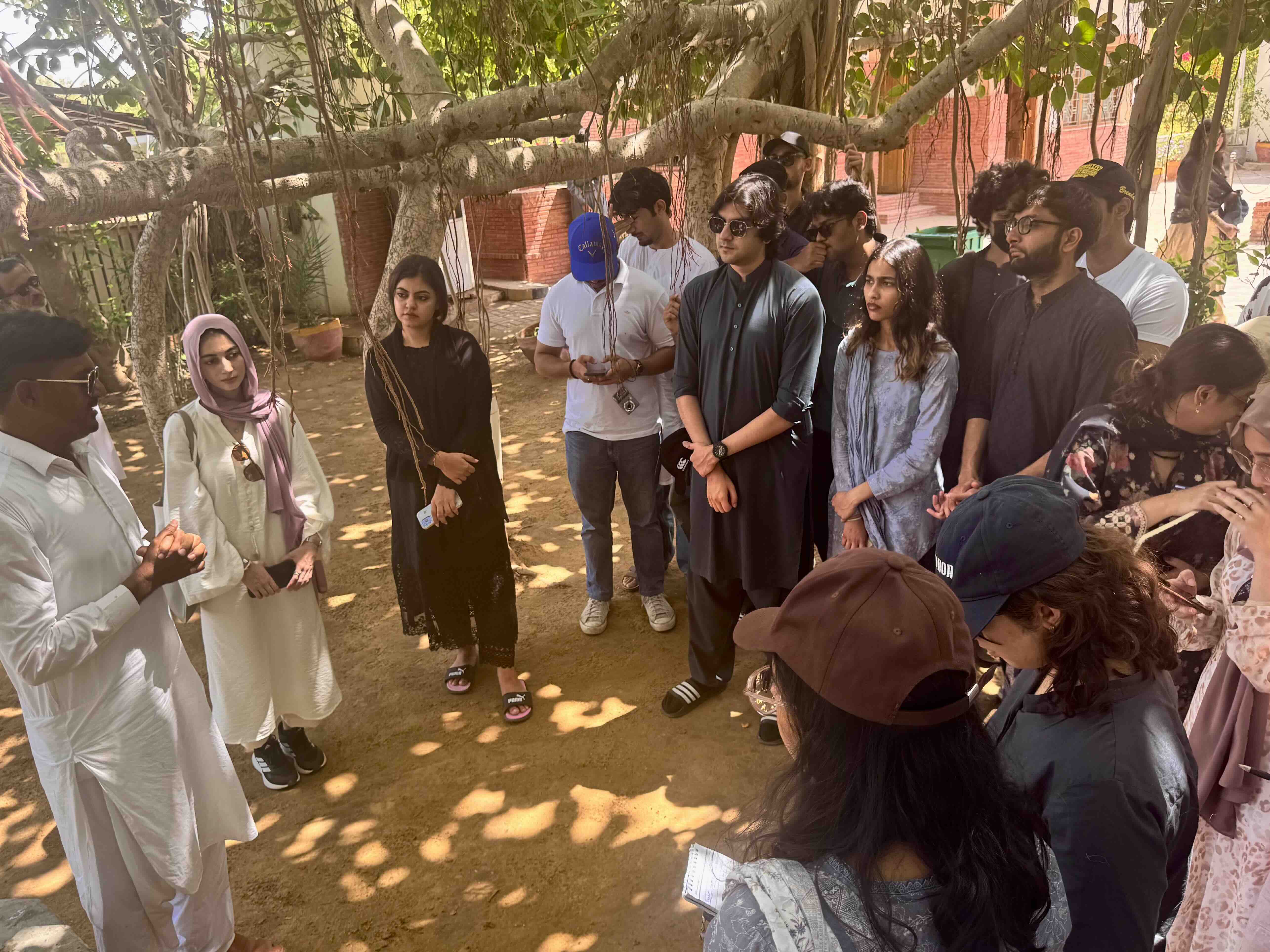
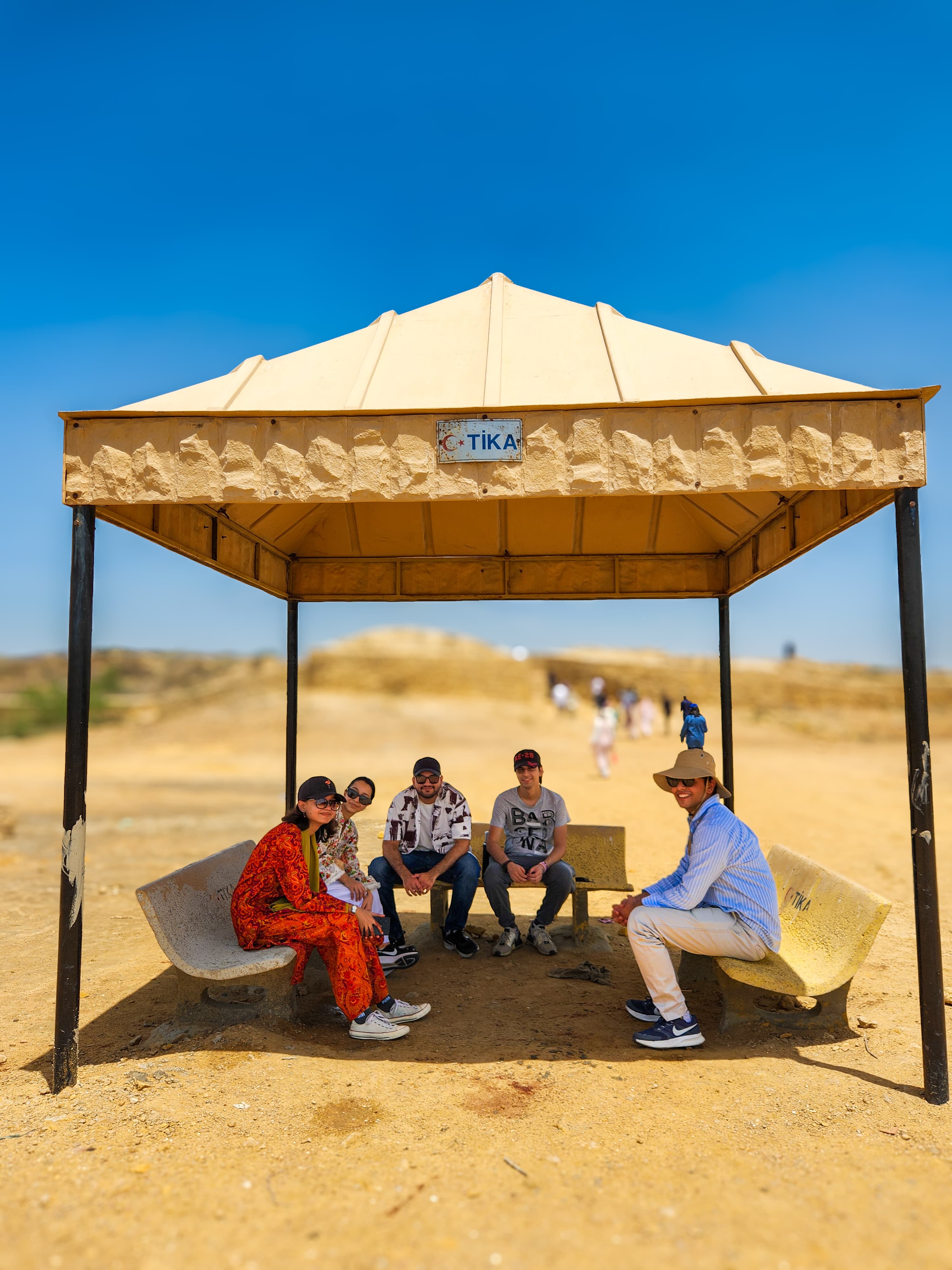
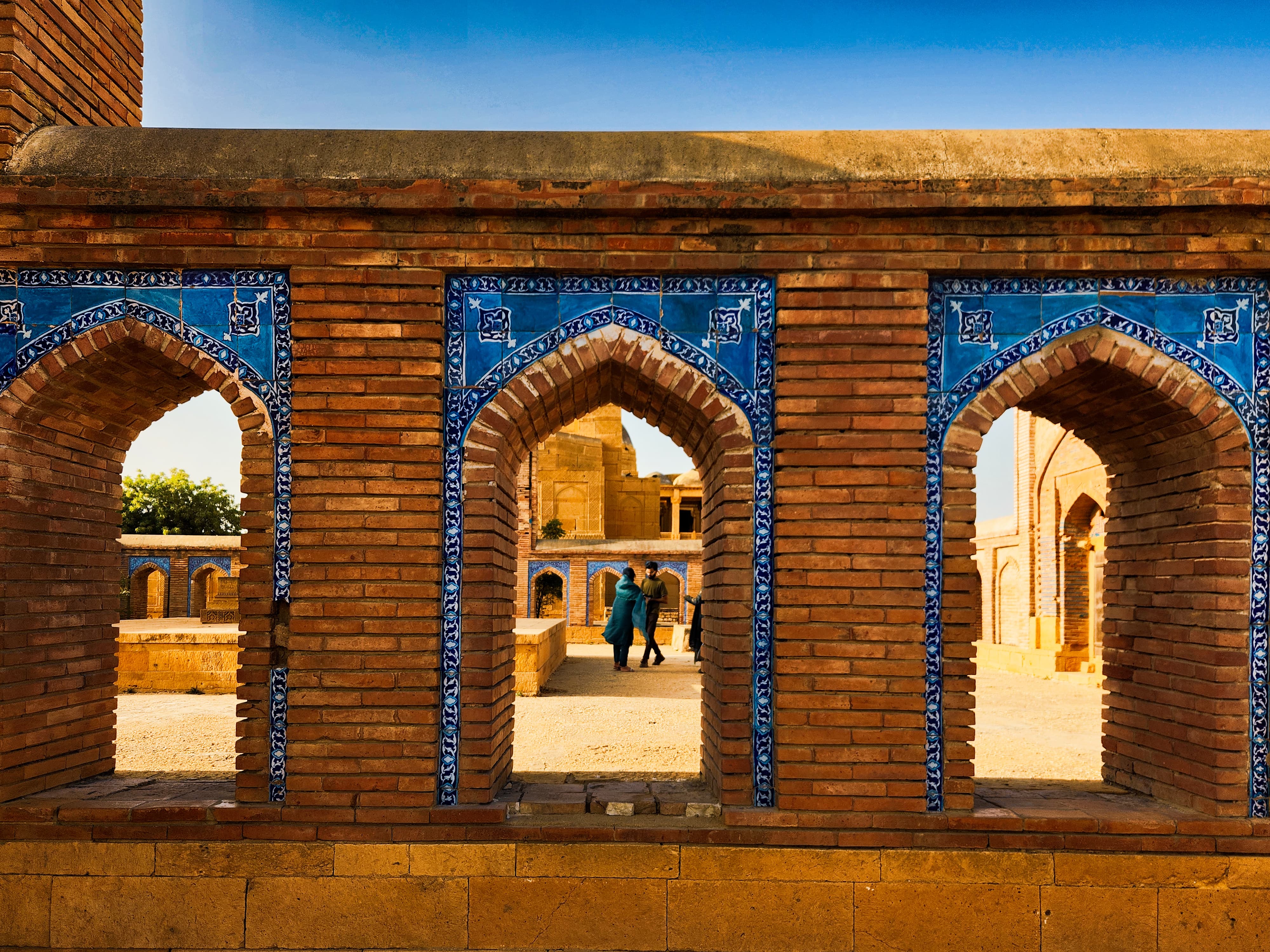
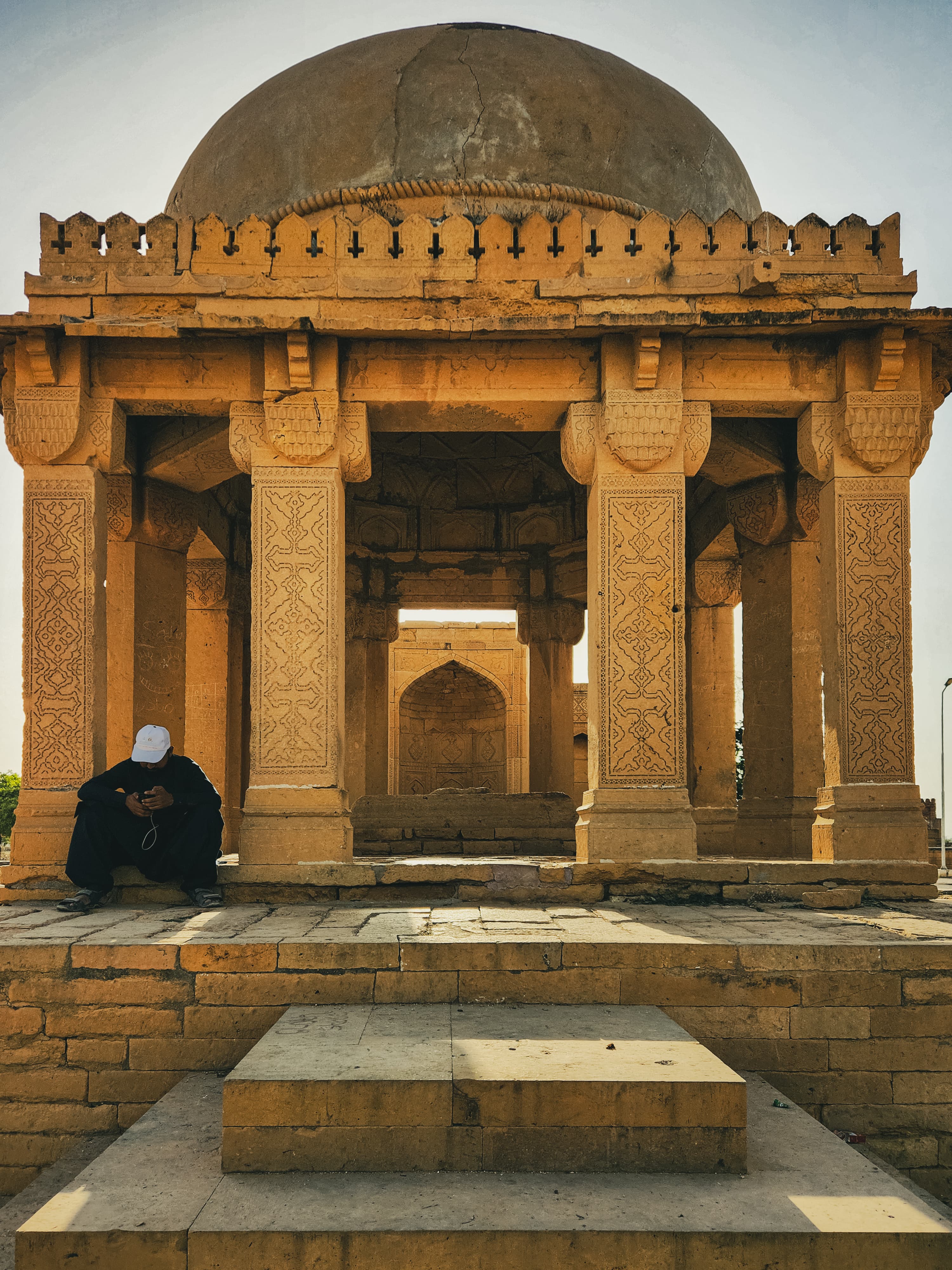
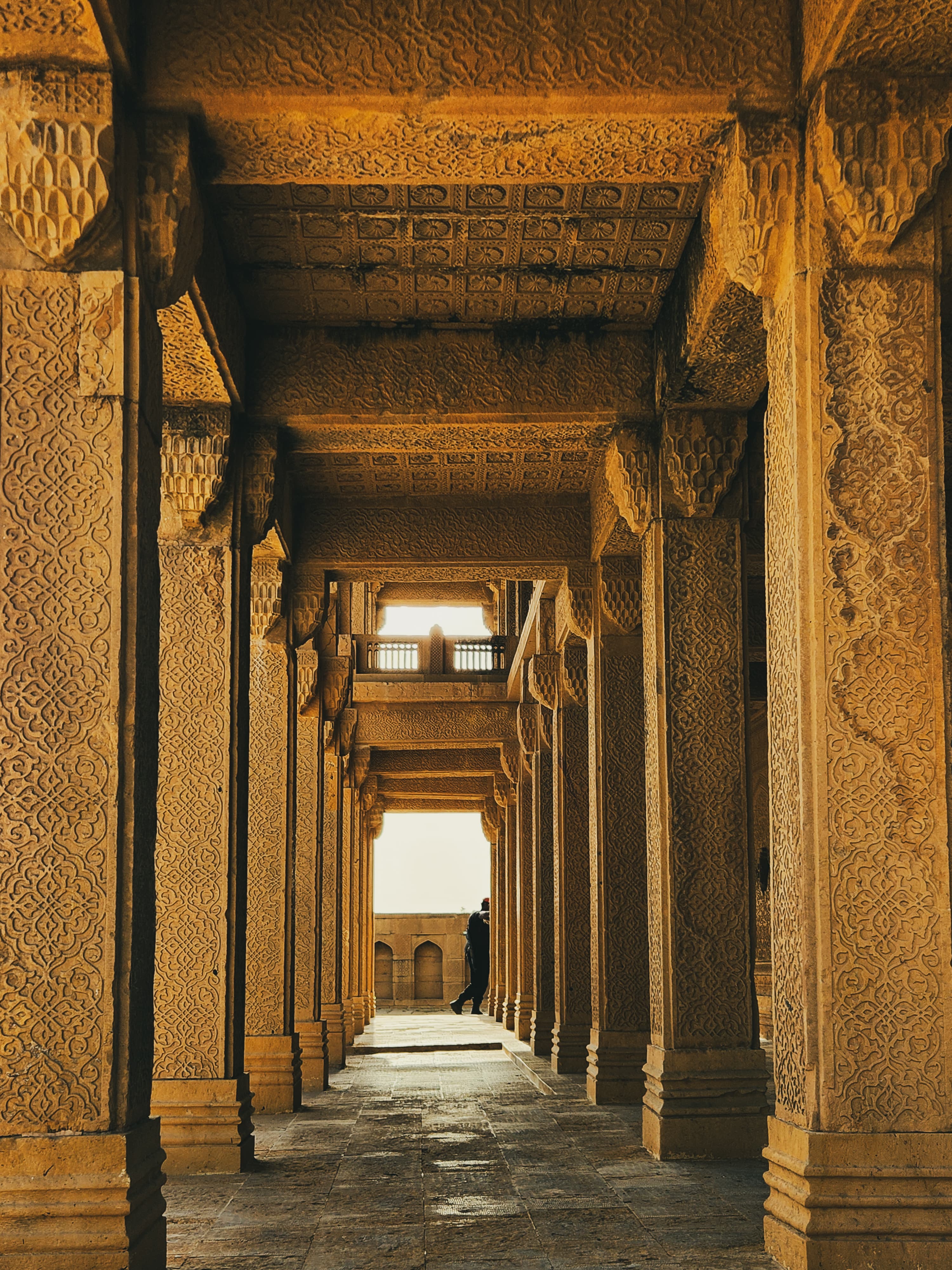
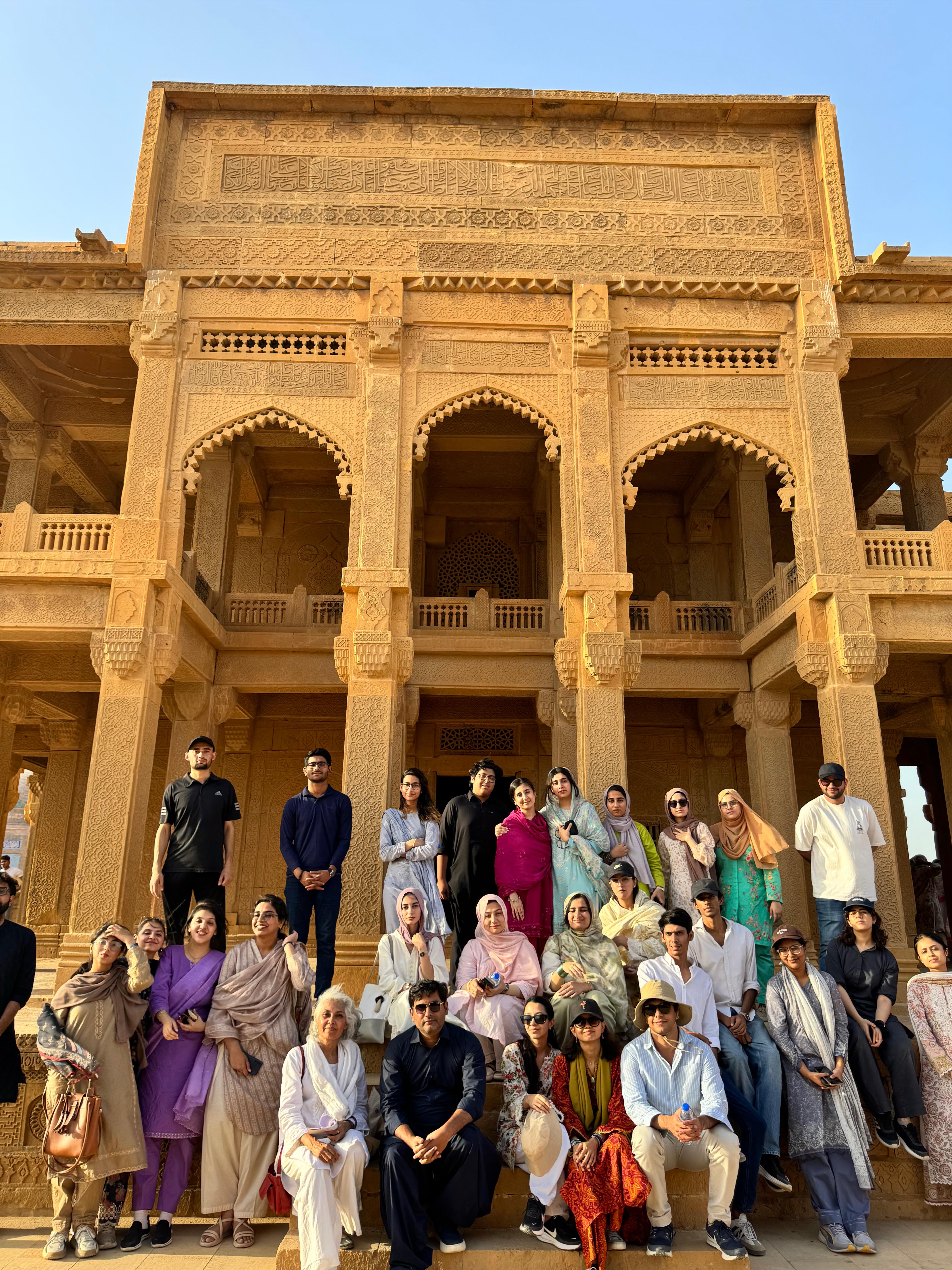
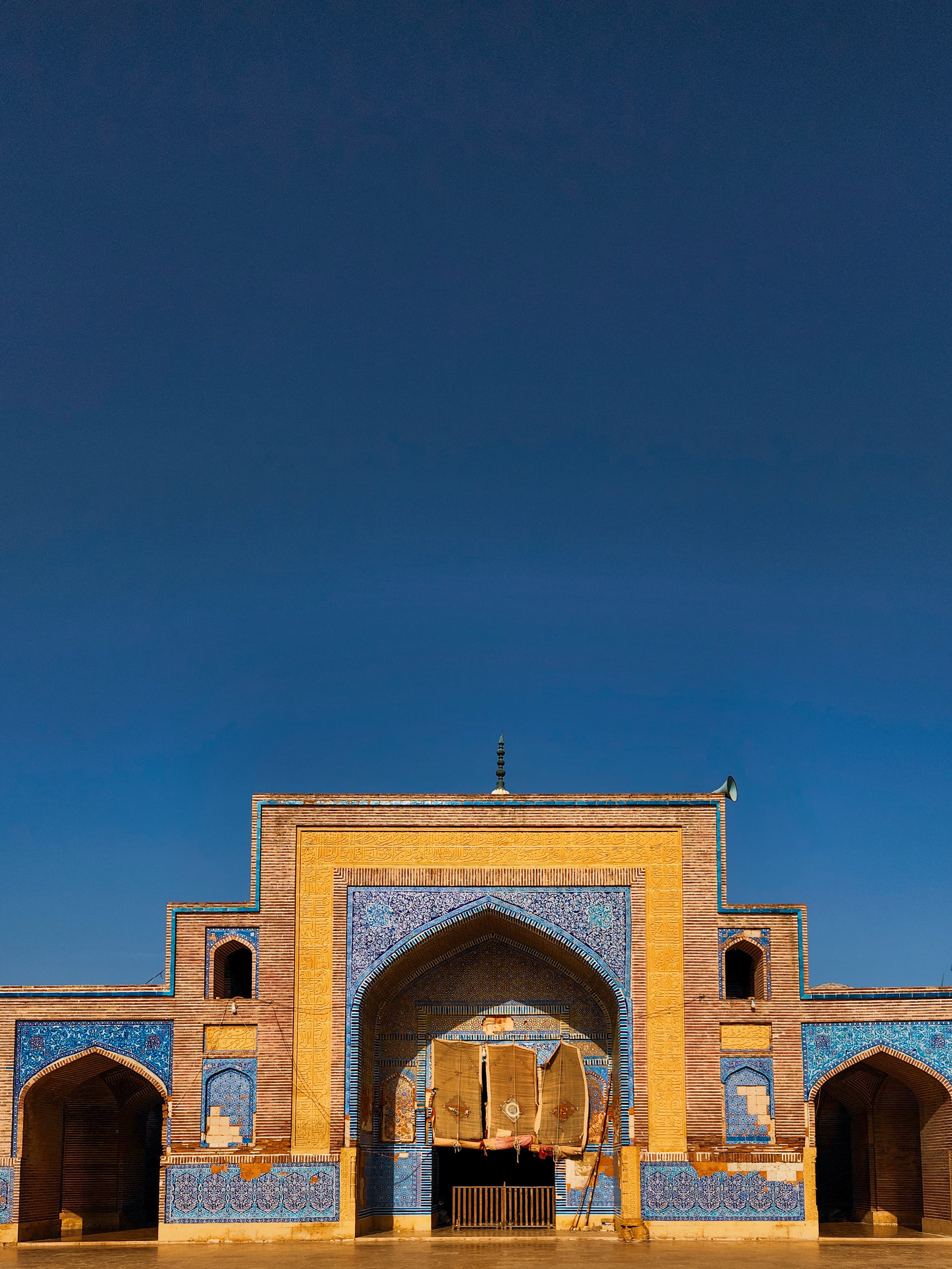
On Sunday, I took some 50 students from the Insitute of Business Administration, Karachi University where I’m teaching this semester, on a field trip to ancient archaeological sites in Sindh — the necropolises of Chaukandi and Makli (a UNESCO site) with their stunning stone carvings and tile work; the Shah Jehan Mosque in Thatta – one of the coolest (literally) and possibly most beautiful mosques in the world; and ruins of Bhambore (also known as Bhanbore), Muhammad Bin Qasim is believed to have landed, on the banks of the then mighty River Indus which has since changed its course.

A plaque by the site of a mosque in Bhambore terms it the first mosque in South Asia. I had always heard that the first mosque in the region lies in Kerala. An online search reveals that according to tradition, the Kerala mosque was established in 629 AD, while the Bhambore mosque (727 AD) is the first “archaeologically verified” one.

It was inspiring to see how the Sindh Archaeology Department is managing these sites, and the dedication and passion of the employees. There’s always room for improvement but let’s give credit where it’s due.

Curation of photos on a public instagram page by an IBA student

https://www.instagram.com/p/DXEK0sKioWa/?igsh=OWdvMDRjdjJuNGJ5

(ends)

ChanukahForCeasefire; a Jewel in Ivory in Berlin; #SapanforSAARC this Sunday; and the NewsMatch challenge for Sapan News

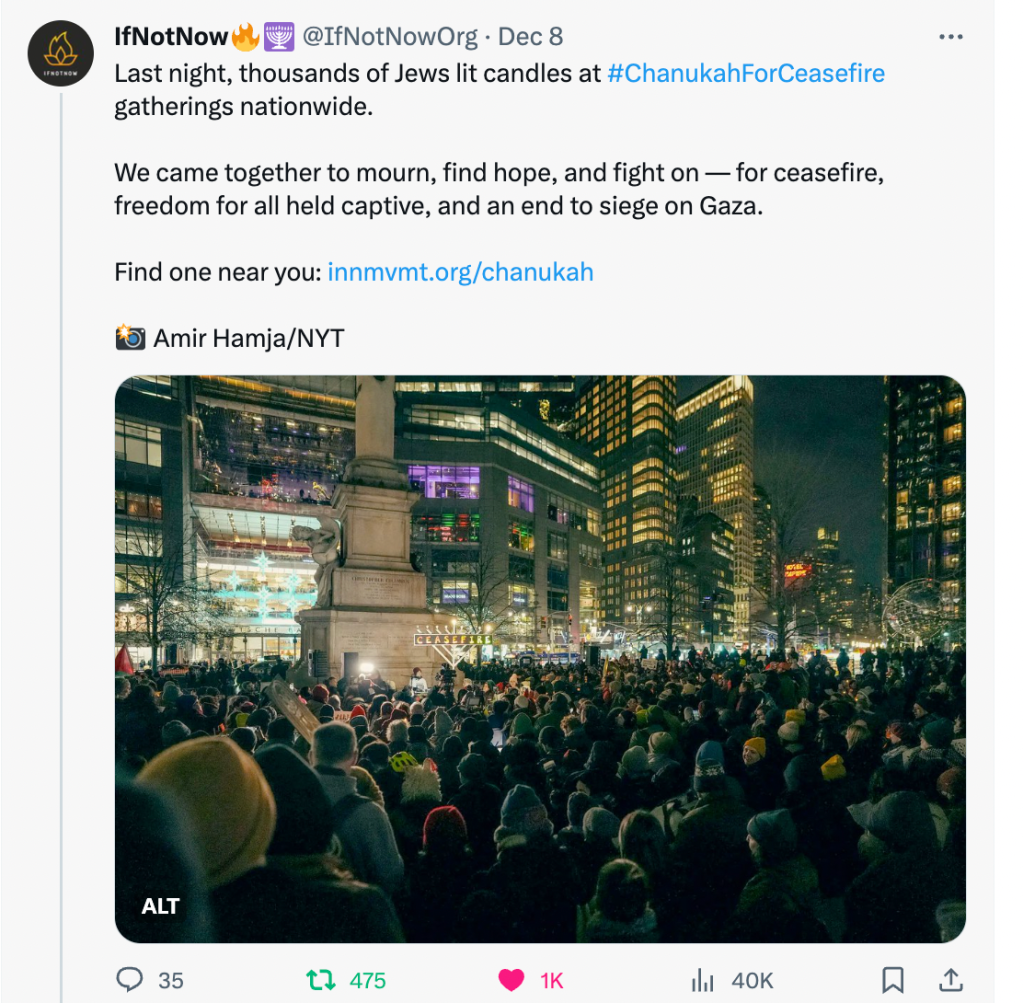
Greetings to those observing Hanukah and salute to those participating in #ChanukahForCeasefire demonstrations around the United States. Thousands of Jews have been lighting candles at #ChanukahForCeasefire gatherings, coming together “to mourn, find hope, and fight on — for ceasefire, freedom for all held captive, and an end to siege on Gaza,” says IfNotNow, a movement of American Jews “organizing for equality, justice, and a thriving future for all: our neighbors, ourselves, Palestinians, and Israelis.” To find one near you, go to: https://innmvmt.org/chanukah.

Such actions, and those of thousands including high school students marching around the world to call for #ceasefirenow, provide hope in a world that feels heavy. It is unbearable to think of the thousands killed, maimed and displaced in conflict areas, especially children.

Public opinion worldwide is clearly for #CeasefireNow, calls being ignored by those who could stop the bombing that continues to claim lives. What can we do? Hold on to ourselves and do what we can, where we can, when we can. Inform ourselves, share information – double-check before sharing so we don’t pass on #fakenews — donate to causes, participate in public actions.

Continue reading

In New York, a unique India-Pakistan art exhibit

I wrote this after attending the opening of a powerful group exhibition of Pakistani and Indian artists in New York; published in The News on Sunday and Aman Ki Asha. The show is up until 28 July; must-see if you’re in the area.

In New York, a unique India-Pakistan art exhibit

entrance

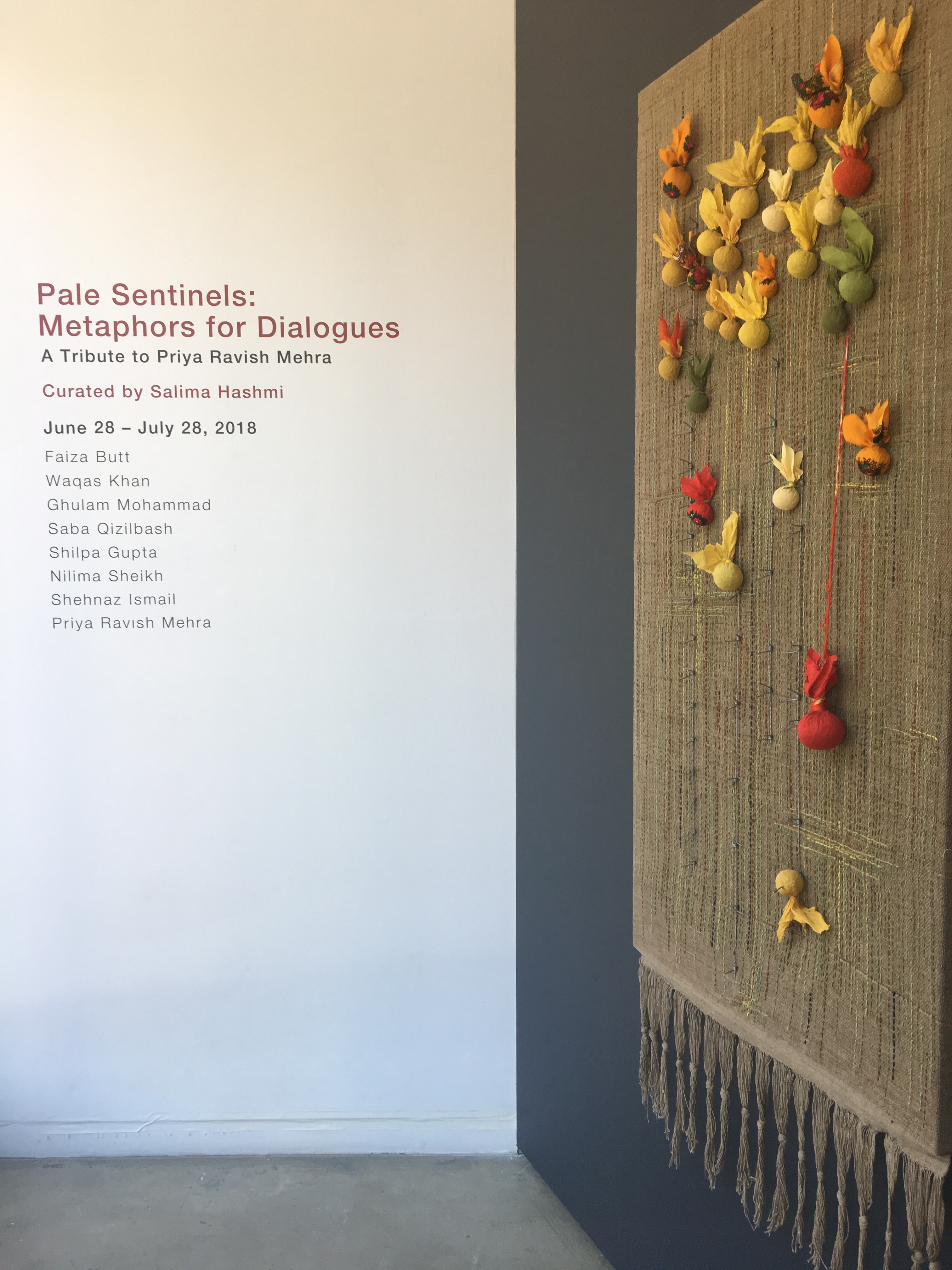
Exhibit entrance: Shehnaz Ismail: What have they done to my land? 2018, Natural dyes hand woven fabric embroidered with natural dyed yarn, lentils and Tulsi seeds. Steel barbed wire, 63 x 29 in

Pale Sentinels: Metaphors for Dialogues
Curated by Salima Hashmi
June 28 – July 28, 2018
Aicon Gallery, 35 Great Jones St., New York.

A thought-provoking Pakistan-India art exhibition that opened 28 June in New York City has its genesis in a conversation last year in Lahore, between an Indian origin professor in his avatar as an art gallery owner and a Pakistani artist.

Continue reading

An Indo-Pak tribute to Amjad Sabri

Nitin-Saami-PEM

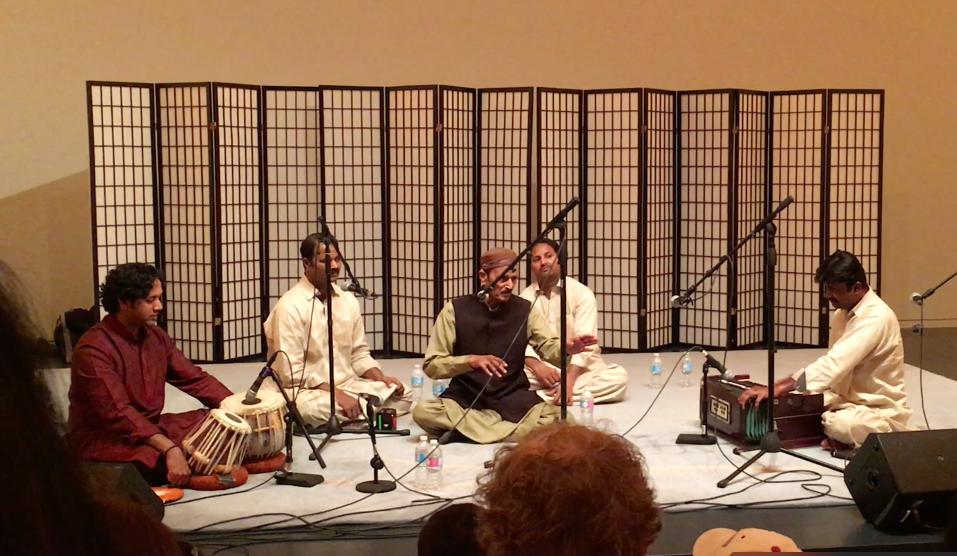
Nitin Mitta and Naseeruddin Saami with the Saami brothers at Peabody Essex Museum. Photo: Beena Sarwar

My article for Aman ki Asha, “hope for peace”, the India-Pakistan peace initiative launched in 2010 by two media giants on either side, the Jang Group of Pakistan and the Times of India

The morning of Wednesday, 22 June 2016 dawned in New York with shattering news of the target killing of Amjad Sabri in broad daylight across the world in Karachi. The tragedy, devastating for millions of fans, was a personal blow for the legendary classical music maestro Naseeruddin Saami and his sons, on tour in the USA towards the end of their first ever visit to America.  Continue reading

Farewell, Aslam

Aslam-2013-photo beena

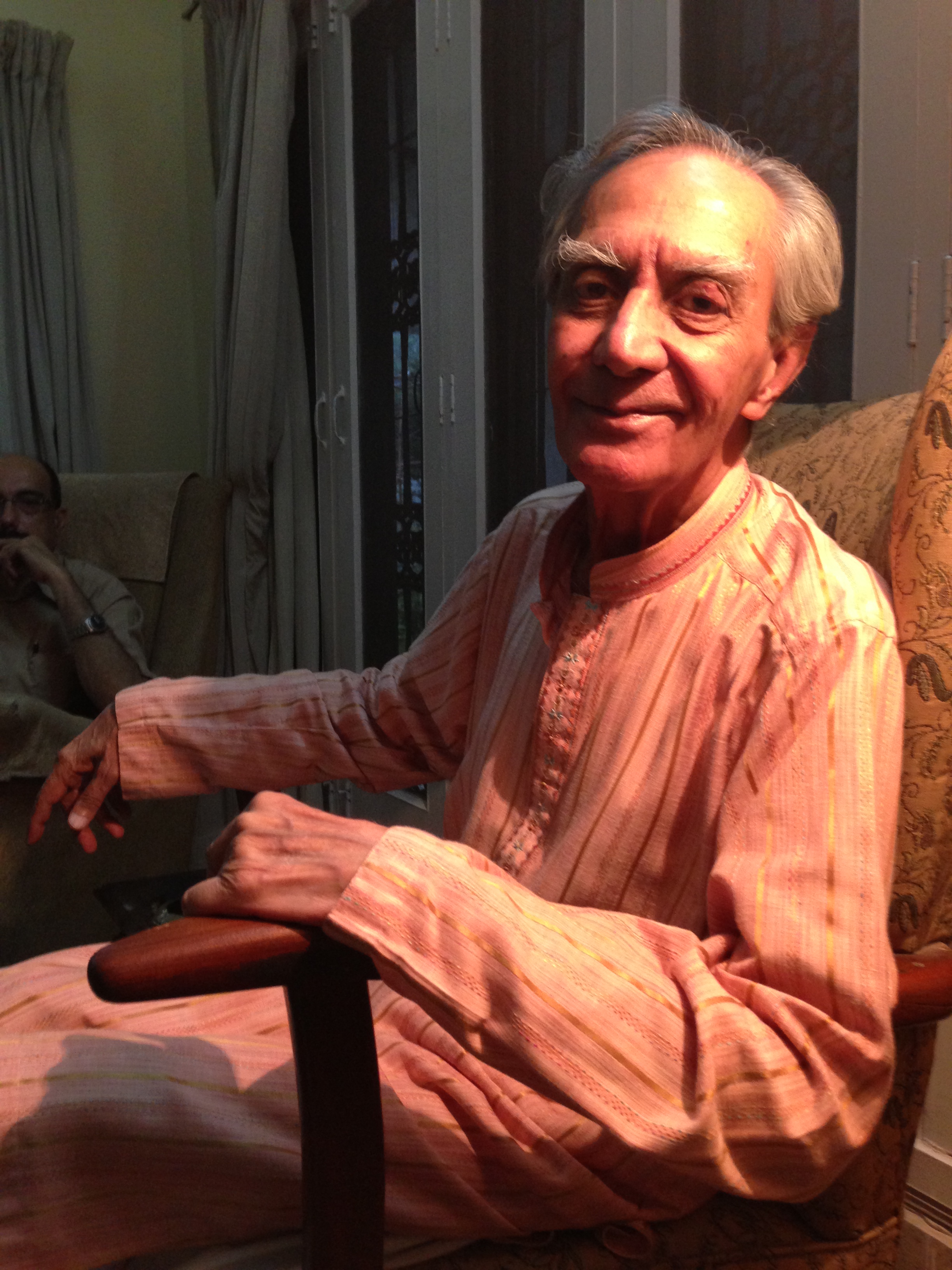
Aslam Azhar, Islamabad, 2013. Photo: Beena Sarwar

My personal tribute to a giant of progressive politics in Pakistan, published in The Friday Times on Jan 15, 2016, posted below with links that didn’t make it into the TFT copy. 

By Beena Sarwar

Aslam. That’s what everyone, junior or senior, in the theatre group Dastak called him. He insisted upon it. That was just one aspect of Aslam Azhar, the founding father of Pakistan Television and already a legendary figure in the late 1980s. That was when I joined the theatre group that he had started in 1982 with his close friend and comrade Mansoor Saeed – who also insisted on being called Mansoor. Continue reading

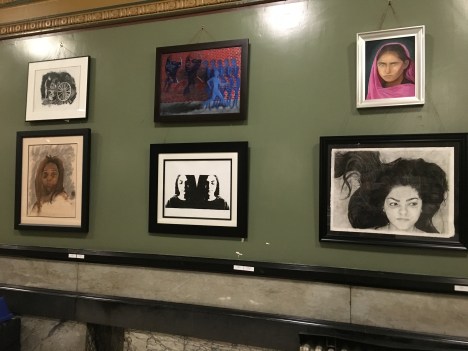
‘More Than My Religion’: Reclaiming the narrative

imageMy article for The News on Sunday, Nov 8, 2015 on the ‘More Than My Religion’ (Oct 8-Nov 17) at City Hall, Providence RI – a unique exhibition showcasing art by American Muslims that aims to break stereotypes and build bridges — and help the homeless. Continue reading

Jimmy Engineer: The artist, his inner voice, the lion story and a dream

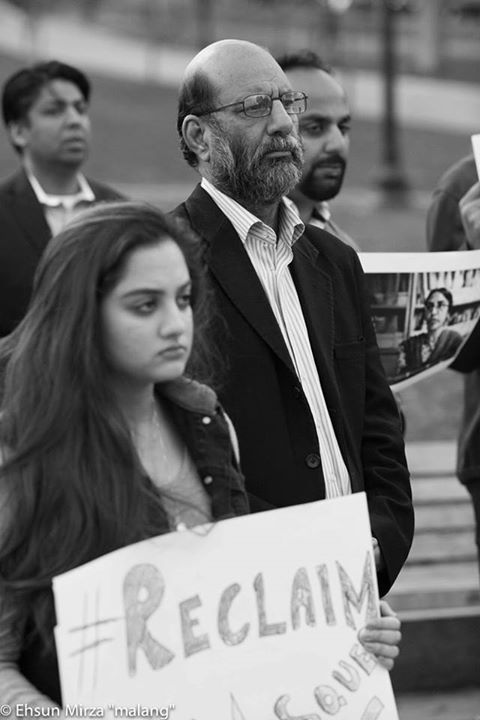
Jimmy Engineer stands with protestors at the 4th monthly remembrance for Peshawar school massacre, in Boston. Photo: Ehsun Mirza

Jimmy Engineer stands with protestors at the 4th monthly remembrance for Peshawar school massacre, in Boston. Photo: Ehsun Mirza

An article I wrote for The News on Sunday about the artist, humanitarian and peace worker Jimmy Engineer, The artist and more, May 3, 2015. Reproduced here with additional links and photos.

“There is a long list of people who are activists and who take up causes who get killed. It’s an endless list, and it’s a senseless list,” says Jimmy Engineer.

I’m talking to this Pakistani artist and philanthropist on the phone, having him met a few times in the Boston area. Based in Karachi, he’s visiting the USA, currently in Houston where his parents live. I’ve called to ask if he heard about the murder of activist-entrepreneur Sabeen Mahmud in Karachi.

He puts the tragedy in perspective as part of the perennial struggle between good and evil. “There will always be those who try to improve things and raise a voice to create awareness. There will always be those who want to destroy them. This happens everywhere in the world. Nature also takes its toll. Along with all the positive, there’s always a negative, like the Nepal earthquake.”

Sabeen herself well understood herself and exemplified this philosophy, accepting that negativity and evil exist but yet continuing to strive to do what is possible on a personal level. Life is a never-ending struggle and we each need to do what we can. Continue reading

Samina Quraeshi : Bridging worlds

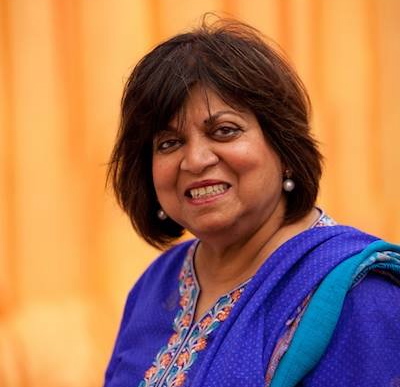
Samina Quraeshi: always dazzling. Photo by Andreas Burgess

Samina Quraeshi: always dazzling. Photo by Andreas Burgess

My article in The News on Sunday today about Samina Quraeshi (October 12, 1944-September 25, 2013), who will be treasured as a movie maker, photographer, designer, architect, writer, city planner, storyteller, and on and on…  See her introduction to

By Beena Sarwar

While in Pakistan nearly a year ago, filming for her documentary, ‘The Other Half of Tomorrow’ on the complexities and empowering aspects of the lives of Pakistani women, Samina Quraeshi suffered a stroke that doctors feared she would not recover from. Miraculously, she did. Her own indomitable spirit, the best medical care, and undoubtedly the love and prayers of countless friends and well-wishers pulled the vivacious, versatile writer, artist, and designer back from the brink.

Her right side was left paralysed, but she carried on with her characteristic zest for life, even though, as she said sadly, “I can’t even hold my granddaughter.” Continue reading

Pakistan artists – challenging dictators and contemporary thought

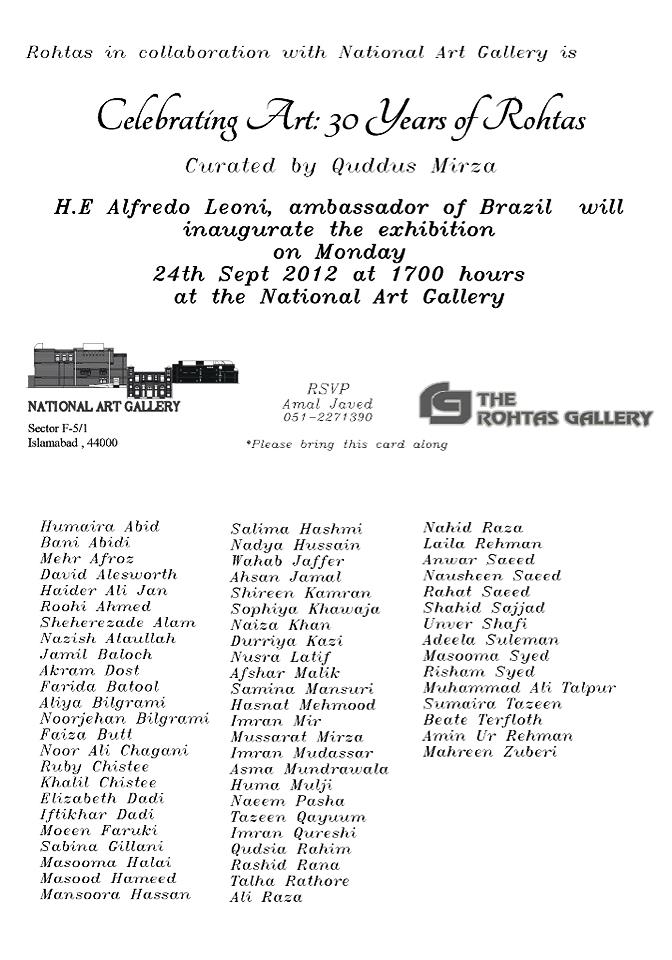
Largest exhibition of Pakistani contemporary art on display Sept. 24 at National Art Gallery, Islamabad at 5 p.m. to celebrate 30 years of Rohtas Gallery. Sixty five artists will exhibit more than 165 works in a testimony to Pakistan’s contemporary artists and an amazing journey through their growth and contribution to art over three decades. Rohtas Gallery opened in 1981 when a repressive military dictator ruled Pakistan. Rohtas Gallery defied constraints and offered space and inspiration to Pakistan’s artists who wanted to challenge contemporary thought and encourage others to do the same through their work. This exhibition on Sept. 24 celebrates Rohtas Gallery and Pakistan’s artists and their amazing journey together.