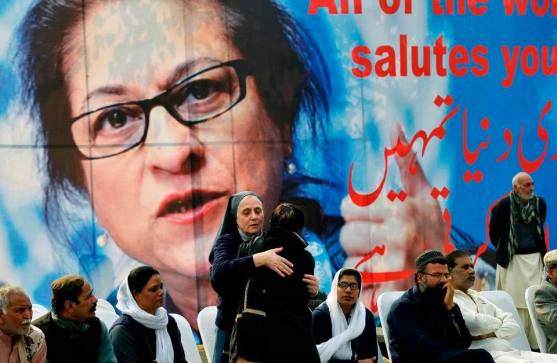
Asma. A human rights giant, and more. My tribute in EPW

Wrote this piece for the Economic and Political Weekly (Vol. 53, Issue No. 12, 24 March 2018). Unedited version here with additional links, photos and videos.

  • Asma Jahangir, lawyer, human rights activist.
  • Born 27 January 1952, Lahore; died: 11 February 2018, Lahore.
  • Co-founder: AGHS law firm, 1980, AGHS Legal Aid Cell, 1983; Womens Action Forum, 1981;
  • Human Rights Commission of Pakistan, 1986.
  • Involved in launch of Pakistan India People’s Forum for Peace and Democracy, 1994, and launch of South Asians for Human Rights, 2000.
  • UN Special Rapporteur: extrajudicial, summary or arbitrary executions, 1998 to 2004; freedom of religion or belief, 2004-2010; situation of human rights in Iran, November 2016 till death.
  • Elected first female President, Pakistan Supreme Court Bar Association, 2010.

Asma was all this and so much more. Continue reading

India, Pakistan: For a better future, build on prisoner exchange agreement

Maier-tikka

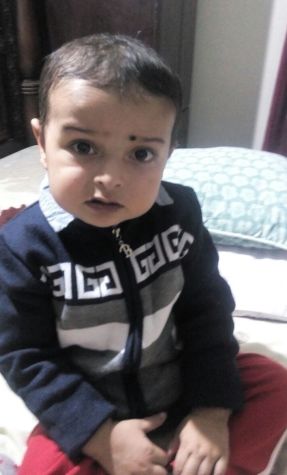
Two-year old Maier Jawwad needs urgent heart surgery in India.

Wrote a piece on a glimmer of hope regarding India Pakistan relations that needs to be built upon. Published in The News and in The Wire; original text below.

The best news in some time is that India and Pakistan are rising above their differences and joining hands for a humanitarian cause – they have agreed to exchange vulnerable prisoners (women, the elderly over 70 years, and those with special needs), as well as revive the Joint Judicial Committee on Prisoners that has not met since 2013. They will also allow medical experts from both sides to meet and examine mentally challenged prisoners in preparation for their repatriation.  Continue reading

Asma. A profound loss. An enduring inspiration

Asma-bbcAsma Jahangir: Pakistan human rights champion dies – BBC News

“Profoundly saddened by news of dear Asma’s passing. She has left us a rich legacy to follow. In condolence and solidarity”, writes Professor Badri Raina from New Delhi in an email to me and I. A. Rehman, former Chairperson of the Human Rights Commission of Pakistan that Asma Jahangir founded in 1987. “Our one tribute must be to keep up our human faith and human courage”.

Here is I. A. Rehman’s tribute to Asma speaking at the Karachi Literature Festival, soon after hearing the sad news. When I spoke to him later, he said, “I didn’t like doing it. Didn’t like it at all”.  Continue reading

Lifting the veil: Queer life undercover in South Asia

AMZ-photo

“Secret” – fine art photo by Ali Mehdi Zaidi

The struggle of Muslim homosexuals in Pakistan, South Asia, or as expatriates is not just about LGBTQ rights but part of the larger fight for inclusion and pluralism within Islam. My essay published in The Boston Globe Ideas section (July 31, 2016)  on South Asian and Muslim attitudes towards homosexuality, reproduced below with additional links, info and photos, as well as parts not included in the final published version. The attack in the Orlando gay nightclub put the spotlight not just on the perpetrator, but his victims — Muslim gay (queer) folk who are particularly vulnerable to homophobia besides facing Islamophobia in the West, and receiving little or no support from the Muslim community at home and abroad. Plus they are now increasingly targeted by extremists claiming legitimacy from Islam. Thanks to all those who took the time to speak to me, gave feedback and entrusted me with their stories, and to the Boston Globe editors for their empathy and openness.  Continue reading

Fact sheet on Kanak Dixit’s arrest

Fact sheet on Kanak Dixit’s arrest – used as the basis for an online petition to CIAA Nepal Lok Man Singh Karki

Opposition to the current investigation by the CIAA into alleged corruption by Mr Kanak Mani Dixit is based on the grounds that the process has been flawed as demonstrated by facts:

1. Mr Kanak Mani Dixit had opposed the appointment of Lokman Singh Karki as the head of the CIAA (Commission for Investigation of Abuse of Authority) at the time of the appointment in 2013 on the grounds that Mr Karki had been indicted by the Rayamajhi Commission for suppressing the people’s movement: Under well-established principles of jurisprudence a judge or investigator with a personal bias or interest in a case should not be carrying out an investigation or pronouncing on a case, and in fact should recuse himself or herself from such a case to prevent prejudice. However though Mr Karki himself was the individual criticised by Mr Dixit, in a public campaign, Mr Karki continues to drive the investigations. Continue reading

Media figures call for release of Himal Editor Kanak Mani Dixit

Kanak 03

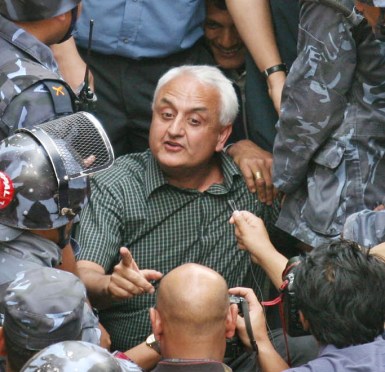
Kanak being arrested at a pro-democracy rally in Nepal, 2006. Photo by Shehab Uddin

Press Statement: media figures call for release of Himal Editor Kanak Mani Dixit

New Delhi, April 23 — Editors and media figures as well as intellectuals and scholars from India, Nepal, Bangladesh, UK, US, Australia and Sri Lanka have called for the release of Himal editor and prominent Nepali journalist Kanak Mani Dixit who was arrested yesterday in Katmandu by anti-graft officials.

The following is the text of the statement:

Continue reading

Stifling dissent in Southasia

I earlier posted about resistance to the stifling of dissent in India, and why as a Pakistani it matters to me. The trend is visible in other parts of Southasia too, including of course Pakistan about which I’ve written a fair amount. Here’s an update from Bangladesh, where defamation, sedition cases and the attempts to silence the independent media are underway, as well as Chattisgarh, India.

article-jtuxsszald-1455534764

Smiles and sedition. Photo: Andrew Biraj, Reuters

Continue reading

Ways of seeing: Imagine, South Asia

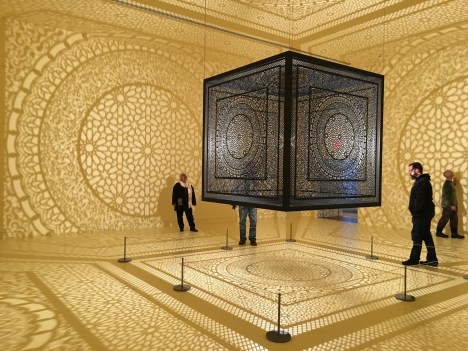
Something I wrote for The News on Sunday, published Feb 14, on a thoughtprovoking series of discussions and Anila Quayyum Agha’s stunning installation ‘Intersections’ at the cornerstone of ‘Imagine, South Asia’ at the historic Peabody Essex Museum

Intersections

Intersections by Anila Q. Agha: an immersive, mesmerising experience. Photo: Beena Sarwar

In an age of divisiveness and conflict, with media attention focused on power politics and high profile acts of violence, Imagine, South Asia, a weekend-long series of events at the Peabody Essex Museum was a welcome reminder of the healing and inclusive power of the arts.

Continue reading

#StandwithJNU… “But what about Pakistan?”

I wrote this piece a couple of days ago for Scroll.in on why I, as a Pakistani, am bothered about what’s happening in India – and also what people like me have to deal with from hyper-nationalists on both sides of the border. Also see this post from New Pakistan raising the question of whether the applause in Pakistan for political dissent in India means that such dissent is acceptable in Pakistan too – with reference to the young cricket enthusiast Umar Daraz in Pakistan, arrested for raising an Indian flag. Also see this excellent piece by Rubeena Mahato in Nepali Times raising alarm bells about South Asia’s constricted freedoms.
JNU crisis: But what about Pakistan?

JNU crisis: But what about Pakistan?


For the past few days, the row between those who stand for free speech and those who don’t has intensified in India. As a journalist from Pakistan, I stand unequivocally with the students and journalists in India who are being vilified and targeted by hyper-nationalists. In the process, I am getting more than my usual share of nasty comments from Indians – and Pakistanis – on social media. Continue reading

The Southasian penumbra

IMG_5208

Kanak Dixit: thought-provoking

My PERSONAL POLITICAL column in The News and in Hard News, India, last week

Beena Sarwar

I was curious when my old friend, the Nepali journalist Kank Mani Dixit proposed the topic “To be Desi or Southasian” as the topic of a talk that another journalist friend, Aseem Chahbra from India, was setting up for him in New York.

Continue reading