Google’s tearjerker ‘Reunion’ ad, and the ‘Milne Do’ campaign

Reunion“, the moving, well made little video released by Google today is going viral. And it’s not just the one ad, there’s a playlist of five in the series – ‘fennel’, ‘cricket’, ‘Anarkali’, and ‘sugar-free’. If it doesn’t move you, you’ve got a heart of stone. And if oh, it was that easy.

A still from the Google ‘Reunion’; film’ ad

For Pakistanis and Indians to get visas to visit each other’s country is just short of impossible. Check out their visa requirements for each other’s nationals — Pakistan visa requirements for Indians, India visa requirements for Pakistanis – which includes the notorious Sponsorship Certificate “mandatory from 07/03/2011 for all visa applications”, to be signed and stamped by an Indian first class gazetted officer vouching for the Pakistani applicant. But let’s suspend disbelief for now, and  watch Google’s heartwarming Reunion video below. 

If you can’t access Youtube, here’s the Vimeo link.
AKA Logo

If the Reunion ad moved you, go to the Milne Do (Let people meet) petition link and sign (and share) the campaign against India Pakistan visa restrictions. Every voice counts.

UPDATE August 2022: The Southasia Peace Action Network or Sapan Alliance now runs the MilneDo online petition.

The text below has not been updated.

Continue reading

A Southasian vision

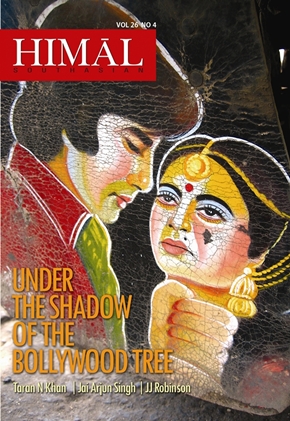
Himal Southasian: Under the Bollywood Tree - latest issue, launched at the Bangalore Literature Festival recently

Himal Southasian: Under the Bollywood Tree – latest issue, launched at the Bangalore Literature Festival recently

My article in The Friday Times last week (thanks to Raza Rumi for pushing me to write this, despite the tight deadline):

A Southasian vision

For regional peace, development and prosperity, it is imperative to improve India-Pakistan relations

Beena Sarwar

I like how the Nepali journalist Kanak Mani Dixit refers to the Indian sub-continent: Southasia. One word. Kanak explains why, in the respected magazine Himal Southasian that he edits, that I am proud to be editorially associated with since its launch in 1997. As a magazine “seeking to restore some of the historical unity of our common living space – without wishing any violence on the existing nation states – we believe that the aloof geographical term ‘South Asia’ needs to be injected with some feeling. ‘Southasia’ does the trick for us, albeit the word is limited to English-language discourse. Continue reading

Once more for the Spinal Beetle and Southasia connectivity

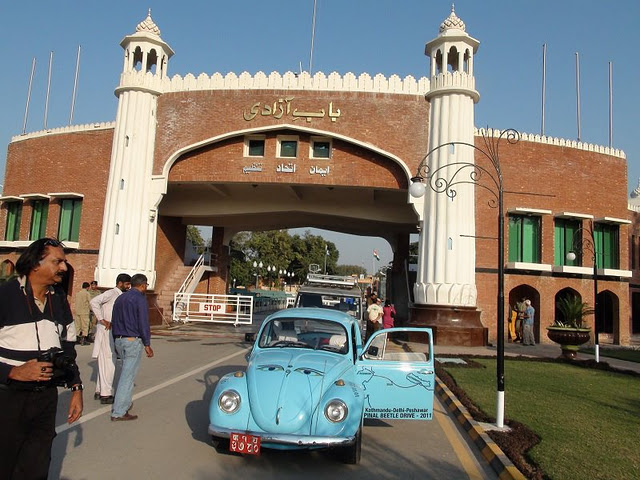
Spinal Beetle with its Nepali eyes arrives in Pakistan

Here’s the latest report of the Southasian journey undertaken recently by my friend, civil rights activist, writer and journalist (editor Himal SouthasianKanak Mani Dixit, his wife Shanta (a teacher) and son Eelum (an actor, and yes, his name derives from ‘ilm’ which means knowledge, named by his dada, Kanak’s father who is a prominent writer).

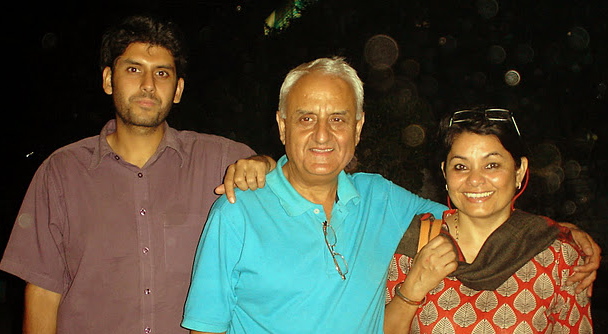
Eelum, Kanak and Shanta Dixit: A great drive

The family started their 1100-mile odyssey in Kathmandu, Nepal, ending in Peshawar, Pakistan, to raise funds and awareness about the need for spinal injury rehabilitation. Those who have been following this issue would know that Kanak injured his spine in a trekking accident a decade ago. He survived, making a near miraculous recovery, and started the Spinal Centre Nepal in 2002, inaugurated by the late Sir Edmund Hillary. The coverage they’ve got on this journey has helped publicize their drive tremendously but the required funds have not arrived, and they are well short of their target. This is a personal appeal. Please donate what you can for this important cause. And do read this riveting account of their journey, includes important insights and information… Continue reading

A Spinal Beetle update: striking a blow for Southasian land connectivity

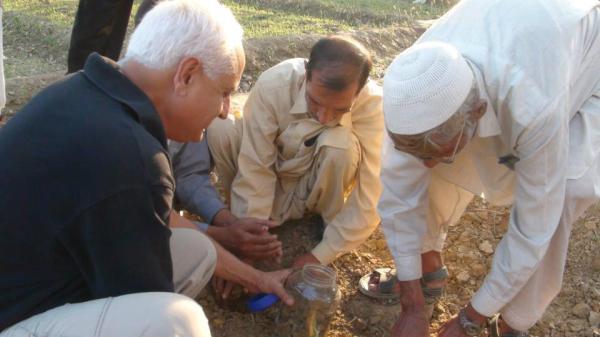
Kanak collecting the earth from Fatehgarh Sahib outside Sialkot, the childhood village of 96-year-old Barkat Singh 'Pahalwan' of Jalandar, India at his special request.

I’m sure the Dixits – Kanak, Shanta and Eelum – have soon share photos, video and stories about their Spinal Beetle fundraising drive from Kathmandu to Peshawar but meanwhile, this brief update.

Many things about their journey were striking and moving. There’s the romance of driving from Kathmandu via Lucknow, Delhi, Agra, Amritsar, Lahore and Rawalpindi to Peshawar, much of it along the ancient Grand Trunk Road that dates back to the Maurya Empire (3rd century BC), later extended by Sher Shah Suri in the 16h century, from Calcutta to Kabul. Continue reading

Update and info: The Great Nepal-India-Pakistan Spinal Beetle Fund-raising Drive

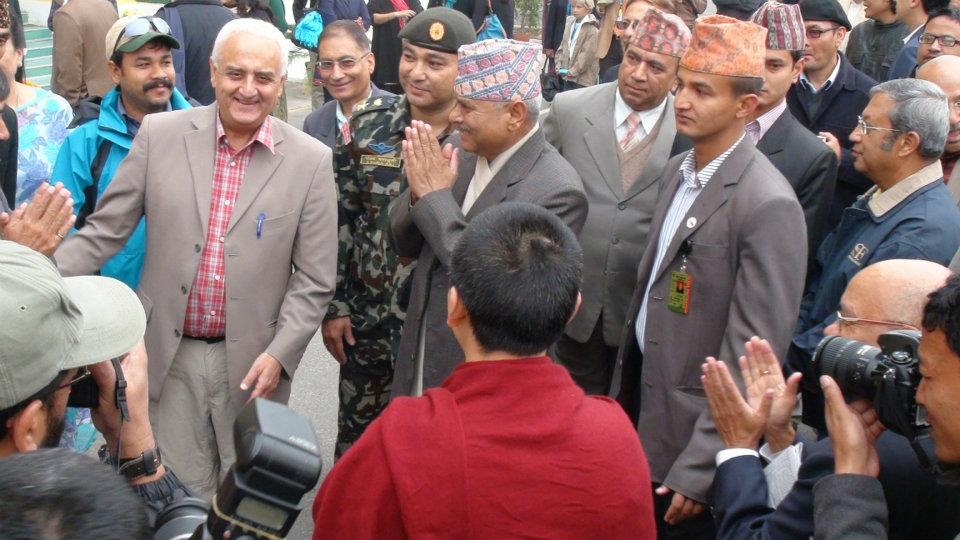
The President graciously comes down to meet the people who came to see the Beetle off / SpinalNepal fb page

Nepal President Ram Baran Yadav flagged off the Spinal Beetle on its journey this morning. Great photos here. Below: the press note with planned itinerary and local contacts in India and Pakistan:

After his near miraculous recovery from a spinal  injury in 2001, Kanak Mani Dixit, a prominent journalist and civil rights  activist in Kathmandu started Nepal’s first Spinal Injury Rehabilitation  Centre, together with friends and family. The Centre, inaugurated by the late  Sir Edmund Hillary in 2002, runs entirely on private funding. It now needs to increase its service from 38 beds to 51. “The Great Nepal-India-Pakistan  Spinal Beetle Fund-raising Drive” (1100 miles)  – and all for a good cause – is being made on a 1973  Volkswagen Beetle, raising funds at USD 100 per mile. Continue reading

The Great Nepal-India-Pakistan Spinal Beetle Rally: A SouthAsian fundraising drive (literally)

A small car with a big task

Calling all those interested in post-disaster care, spinal injury, Southasian connectivity, people-to-people contact, VW Beetles…! 

Kanak Mani Dixit, a journalist (Editor of Himal Southasian) and civil rights activist, made a near-miraculous recovery from a spinal injury received during a trekking accident in Nepal.

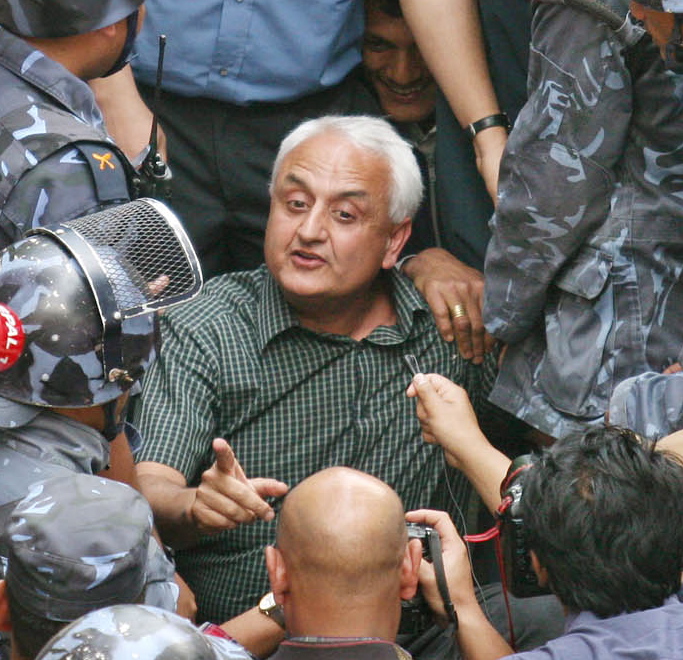
Kanak being arrested at a pro-democracy rally in Nepal, 2006. Photo by Shehab Uddin

Being Kanak, he threw his considerable energy and vision to launch a Spinal Injury Rehabilitation Centre in Nepal, inaugurated in 2002 by none other than the late, great Sir Edmund Hillary (facebook page SpinalNepal; twitter: @spinalnepal).

Kanak’s latest attempt to raise funds for the project as well as build linkages with like-minded institutions in Southasia is: The Great Nepal-India-Pakistan Spinal Beetle Rally
A fundraising drive across SouthAsia for spinal injury rehabilitation
USD 100 per mile, a journey of 1100 miles
Starting Nov 4, 2011: Kathmandu-Lucknow-Delhi-Amritsar-Lahore-Rawalpindi-Peshawar

Details >>… Continue reading

PERSONAL POLITICAL: Sonar Bangla

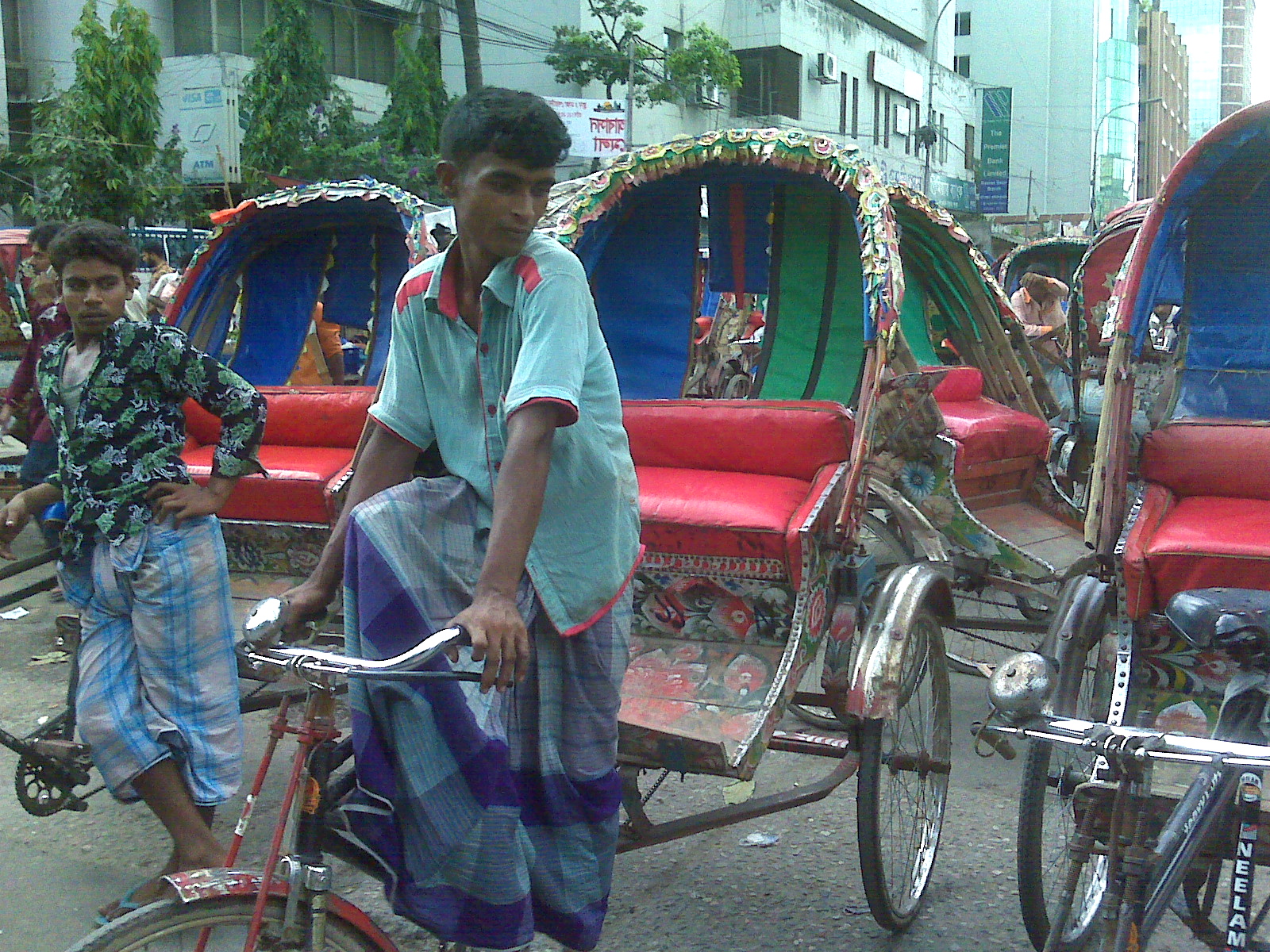
Young riksha drivers in Dhaka. Photos: Beena Sarwar

My column Personal Political, written July 25, 2010, published in The News on Sunday and Hardnews. Subsequently the Bangladesh Supreme Court upheld a ruling that upheld a ban on using religion in politics. It won’t resolve all issues of course, but it’s a step forward and I hope we see that day in Pakistan in the not too distant future. I like Advocate G. M. Lakho’s stand: Say no to the state religion

Shonar Bangla

Beena Sarwar

Acha, yahan bhi constitutional amendments chal rahe hain,” observed a friend, scanning headlines in The Daily Star as we waited at Dhaka International Airport for a much-delayed flight to Karachi. Her comment about “constitutional amendments going on here also” highlighted something that’s always struck me as curious: the bizarre parallels of Bangladeshi politics with Pakistan, since Bangladesh gained independence from Pakistan in 1971. >

BANGLADESH’S LEAP FORWARD

JAN 5, 2009: AFP report in all major newspapers here

Bangladesh bans religion in politics

DHAKA, Jan 4: Bangladesh’s dozens of Islamic political parties must drop Islam from their name and stop using religion when on the campaign trail following a court ruling, the country’s law minister said on Monday.

The Supreme Court on Sunday upheld an earlier ruling by the High Court from 2005 throwing out the fifth amendment of the constitution, which had allowed religion-based politics to flourish in the country since the late 1970s.

“All politics based on religion are going to be banned as per the original constitution,” Law Minister Shafique Ahmed said.

The verdict does not affect constitutional amendments that made Islam the Muslim majority nation’s state religion in 1988 and incorporated a Quranic verse in the constitution.

The main opposition Bangladesh Nationalist Party, which is allied with two Islamic parties, said it would appeal the verdict. Bangladesh’s original constitution barred the use of religion in politics.

“We want to reinstate the original constitution. Secularism was a pillar of the 1972 constitution,” said Mr Ahmed.

The move follows the Awami League’s sweep to power in 2008 elections, which saw them beat the BNP with a landslide. The new government outlawed a controversial Islamic party, accusing it of destabilising the country.

Four other Islamic organisations, including the Jamayetul Mujahideen Bangladesh (JMB), were earlier banned after they carried out a series of nationwide bombings that left 28 people dead in 2005.—AFP

Not just hot air – Himal Southasian zindabad

This article was published in The News on Sunday (TNS) as Mountain magazine resort’, on the Footloose page, Dec 20, 2009 for a special issue on conference tourism

Not just hot air

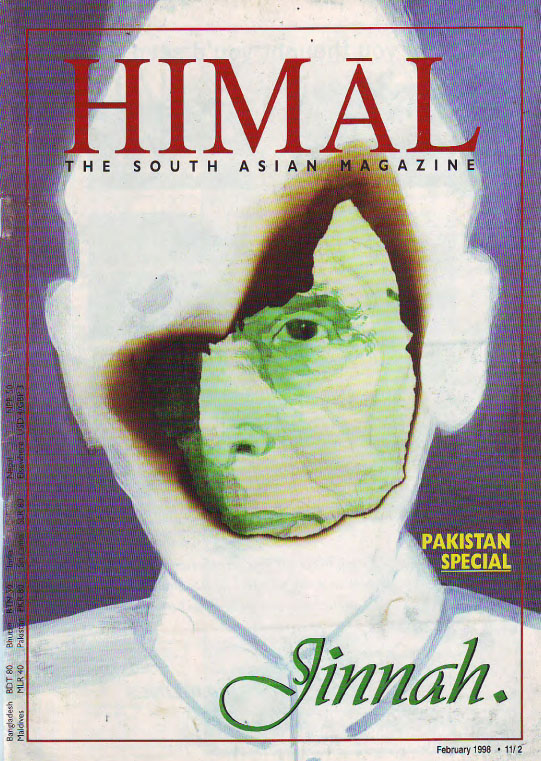
Himal Southasian, Feb 1998

There are conferences and there are conferences. Some organisers lure participants with travel and daily allowances and fancy hotels at exotic locales. Others rely on goodwill and commitment. If it’s the latter, it helps to be located in an exotic place anyway — like Kathmandu. It also helps if the organisers are professional colleagues for whom you have the highest regard.

These last two factors contribute to my ‘favourite’ conference being one that took place in Kathmandu in early 1996. The man behind it was Kanak Mani Dixit, whom I had met at an earlier South Asia conference about water resources organised by Panos some years ago. Kanak had decided to turn his ‘mountain magazine’ Himal into a Southasian venture (there is a reason Himalers write ‘Southasian’ as one word – for an explanation see the published magazine or the Himal Southasian website.

So Kanak got together a few journalists from around Southasia to meet and brainstorm on this venture. He put Mitu Varma from New Delhi (who later became Country Representative in India for Panos South Asia) and myself up at the Third World Guest House in Pattan, one of the five ancient kingdoms around Kathmandu that are conserved as World Heritage sites. Continue reading

Kanak Mani Dixit honoured

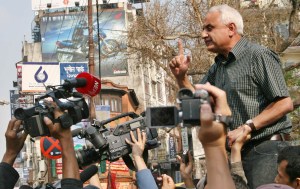
Kanak Dixit addresses a protest rally in April, 2006, Kathmandu, in support of the general strike by seven major Nepali political parties and Maoists (Photo: Shehab Uddin)

Kanak Dixit addresses a protest rally in April, 2006, Kathmandu, in support of the general strike by seven major Nepali political parties and Maoists (Photo: Shehab Uddin)

Those of us who know Kanak Mani Dixit, editor Himal Southasian are proud of him anyway for his outstanding editorial skills, vision and relentless activism, award or no award – but the recognition is always nice (and so is the prize money, with which he has already promised to help Film South Asia)

Kanak has always been an inspiration. We are thrilled. Watch this space for more about him.

For award details see Prince Claus Awards – Kanak Mani Dixit

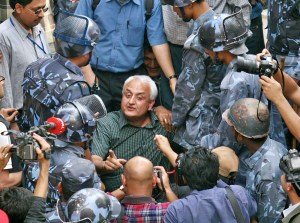
Kanak Dixit being arrested, April 2006, Kathmandu

Kanak Dixit being arrested, April 2006, Kathmandu