‘I want India and Pakistan to make peace in my lifetime’ – Zehra Nigah

Some thoughts emerging from a chance encounter with one of Pakistan’s most respected and iconic progressive poets.

Indian and Pakistani writers and a filmmaker at the Faiz Festival, Lahore: (l-r) Dr Saif Mahmood, Atul Tiwari, Dr Arfa Sayeda Zehra, Dr Arvinder Chaman, Nandita Das and Zehra Nigah. Photo by Zarminae Ansari / The Joy of Urdu

Personal Political
By Beena Sarwar / Sapan News

“It’s the girls that give me hope,” says the celebrated poet and writer Zehra Nigah.

She leads a quiet life at her home in Karachi, without a mobile phone or email. Yet those who seek her are able to find her. Besides the school and college students who look to her for guidance, there are advertising companies looking for classy jingles. And there are organisers of literary festivals wanting to invite her.

These include Jashn-e-Rekhta, the three-day annual festival that celebrates Urdu — subtly countering the rightwing narrative that Urdu is a ‘Muslim’ language while Hindi is for ‘Hindus’.

When it started in 2015, Rekhta invited several prominent Pakistani poets and writers to participate. Its third edition in 2017 was the first time that there was no Pakistani participation in its sessions – due to the “prevailing atmosphere” in India, the organisers took “a considered decision” to not invite Pakistanis as “participants” but only as “guests”, reported Anita Joshua in the Telegraph, India. 

“Some see in this an instance of self-censorship to avoid trouble of the sort that has recently beset Bollywood films starring Pakistani actors,” commented Joshua.

The only Pakistani who accepted the invitation was Kishwar Naheed, then 77, another iconic Pakistani poet, for whom being invited as a ‘guest’ meant that she would at least be able to recite at the ‘mushaira’, the poetry recital session addressed by several poets, as she told me later. 

Continue reading

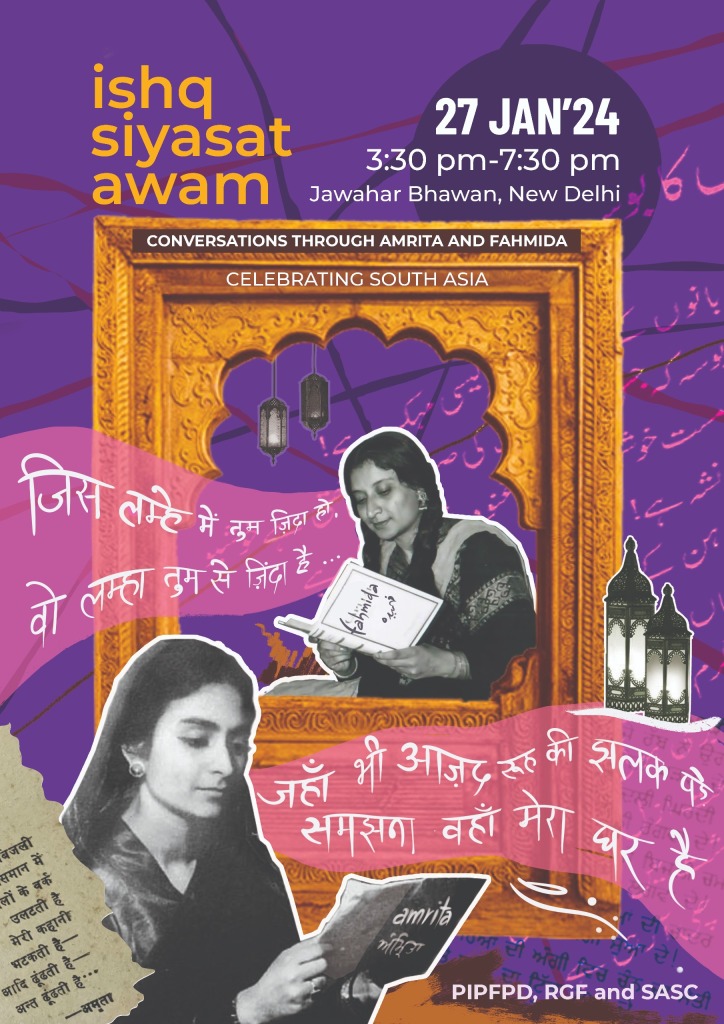
The cross-border solidarity of Amrita Pritam and Fahmida Riaz, the student movement, and peacemongering today

Poster for the event honouring Amrita Pritam and Fahmida Riaz. Courtesy PIPFPD

The latest Southasia Peace Action Network (Sapan) newsletter we put out highlighted a commemoration in Delhi for two iconic feminist poets of Pakistan and India: How the friendship of two cross-border feminist poets symbolises our work; upcoming events, and more

Radical love, epitomised by the late Amrita Pritam and Fahmida Riaz is ‘one of the seeds of the revolutionary thought process’, to quote the Pakistan India People’s Forum for Peace and Democracy (PIPFPD) stalwarts who organised the event – Vijayan MJ, Tapan Bose, and Dr Syeda Hameed. Their consistent work over the decades for peace and justice is truly inspirational, and I feel privileged to know them personally.

I was also privileged to know one of the late poets personally, Fahmida ‘Khala’ (aunt) to me, who was close to my father Dr. M. Sarwar. He led the Democratic Students Federation (DSF), Pakistan’s first student movement while at Dow Medical College in Karachi, 1949-54.

I’ve uploaded archives about the movement here: drsarwar.wordpress.com. Principles of that struggle continue to show the way, like the importance of coming together across divides for a minimum common agenda. For DSF, it was student rights. For Sapan, it’s Southasia Peace. We need it now, for the sake of the people of the region, and beyond. 

The Videos section of the Dr Sarwar blog includes a playlist of video clips from the event held at the Karachi Arts Council in January 2010 to commemorate DSF and the student movement, a few months after my father passed on.

Compered by the actor Rahat Kazmi, the event featured speeches from young activists, students, and academics like Amar Sindhu, Alia Amirali, Ali Cheema, and Varda Nisar, as well as veterans like I.A. Rehman, besides the singer Tina Sani, Taimur Rahman and his band Laal, and Fahmida Riaz.

Fahmida Khala recited her poem ‘Palwashey Muskurao’ (Palvasha, smile), dedicated to daughter of late Afzal Bangash of the Mazdoor Kissan Party (Workers’ and Peasants’ Party), and the followers of other late leftist leaders. They may no longer be on this earth, but their principles and aspirations for human rights and dignity continue to show the way.

Fahmida Riaz reciting her poem ‘Palwashey Muskurao’ (Palvasha, smile), Jan. 2010, Karachi.

(ends)

Re-visiting Eqbal Ahmad’s book launch at Harvard with Noam Chomsky

A message from the journalist Amitabh Pal about a mutual friend, David Barsamian of Alternative Radio in Colorado reminded me of this piece originally published in The News on Sunday, 8 Oct. 2006, about an event with Noam Chomsky where I first met David. The article is still all-too relevant, but the link no longer works so I’m sharing the piece here without any changes; just added some hyperlinks and photos.

Essential reading – and doing: Eqbal Ahmad

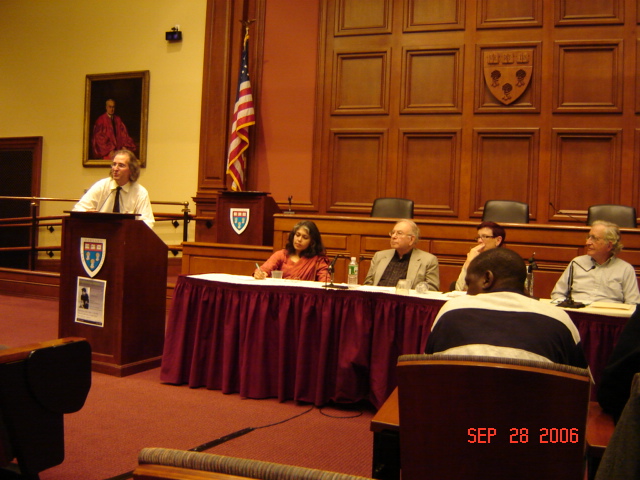
Book launch: The Selected Writings of Eqbal Ahmad, Cambridge, September 28, 2006.

Beena Sarwar

John Trumbour addressing the event. Panel: Beena Sarwar, Stuart Schaar, Margaret Cerullo, Noam Chomsky. Photo: Courtesy MAPA.

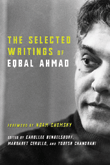
When Venezuelan president Hugo Chavez in his address to the UN on Sept 20, held up a copy of Noam Chomsky’s Hegemony or Survival: America’s Quest for Global Dominance (2003) and recommended it as essential reading to understand contemporary world politics, he could have been talking about The Selected Writings of Eqbal Ahmad, for which Chomsky, Eqbal’s long-time friend, wrote the foreword. Chavez identified “the hegemonic pretension of the North American imperialism” as “the greatest threat on this planet” to the survival of the human race.

The book that Jack launched (at HLS)

Chomsky also gave the main address for this collection of Eqbal Ahmad’s writings (Columbia University Press, 2006) at the book’s launch in Cambridge, USA, on September 28. John Trumpbour and Emran Qureshi of the Labor & Worklife Program at the Harvard Law School, who organised the event, didn’t publicise the event too aggressively because of the hype Chavez had generated for Chomsky.

The hall did get quite full, but they didn’t have to turn anyone away at the door. The venue may have had something to do with this. Chomsky, a linguistics professor now retired from the neighbouring MIT, is rarely invited to Harvard. Harvard Law School professor Alan Dershowtiz criticises Chomsky for being too “black and white” but often has to concede the basic truth of the points Chomsky makes.

Continue reading

ChanukahForCeasefire; a Jewel in Ivory in Berlin; #SapanforSAARC this Sunday; and the NewsMatch challenge for Sapan News

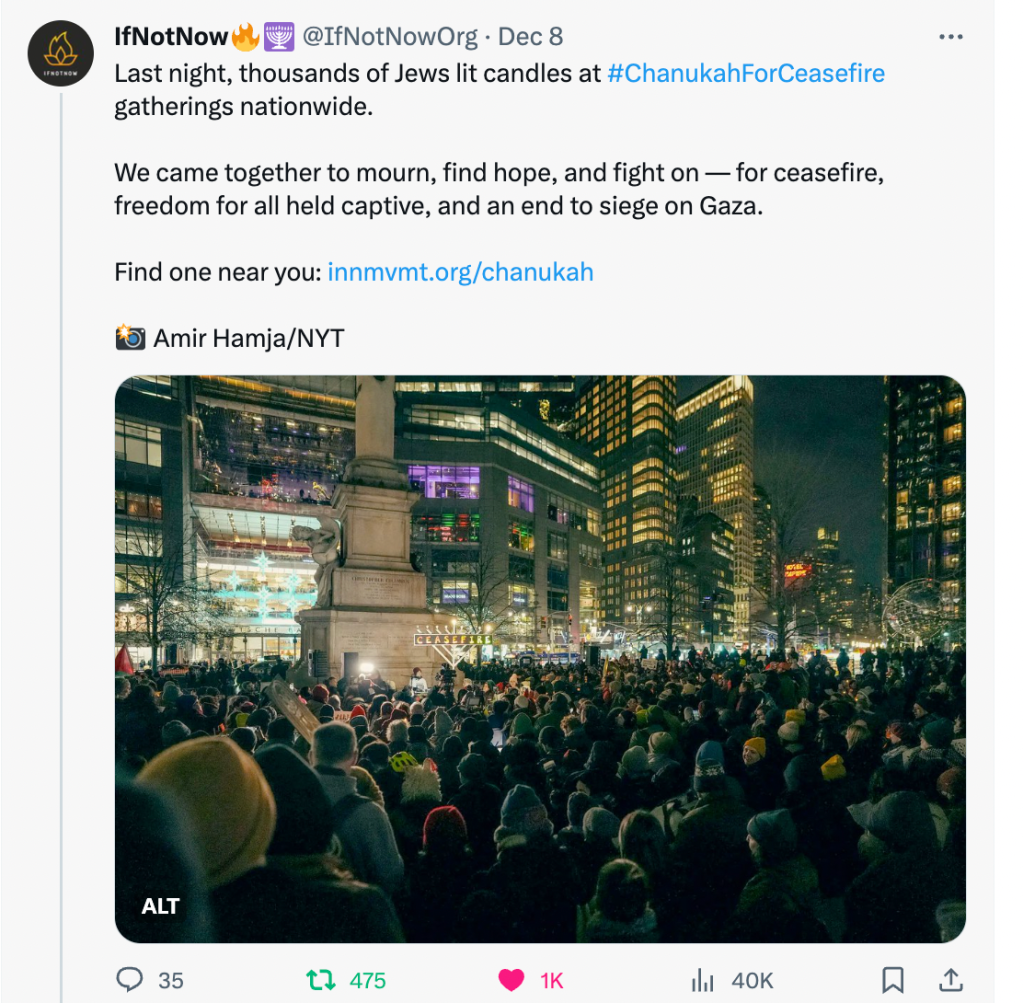
Greetings to those observing Hanukah and salute to those participating in #ChanukahForCeasefire demonstrations around the United States. Thousands of Jews have been lighting candles at #ChanukahForCeasefire gatherings, coming together “to mourn, find hope, and fight on — for ceasefire, freedom for all held captive, and an end to siege on Gaza,” says IfNotNow, a movement of American Jews “organizing for equality, justice, and a thriving future for all: our neighbors, ourselves, Palestinians, and Israelis.” To find one near you, go to: https://innmvmt.org/chanukah.

Such actions, and those of thousands including high school students marching around the world to call for #ceasefirenow, provide hope in a world that feels heavy. It is unbearable to think of the thousands killed, maimed and displaced in conflict areas, especially children.

Public opinion worldwide is clearly for #CeasefireNow, calls being ignored by those who could stop the bombing that continues to claim lives. What can we do? Hold on to ourselves and do what we can, where we can, when we can. Inform ourselves, share information – double-check before sharing so we don’t pass on #fakenews — donate to causes, participate in public actions.

Continue reading

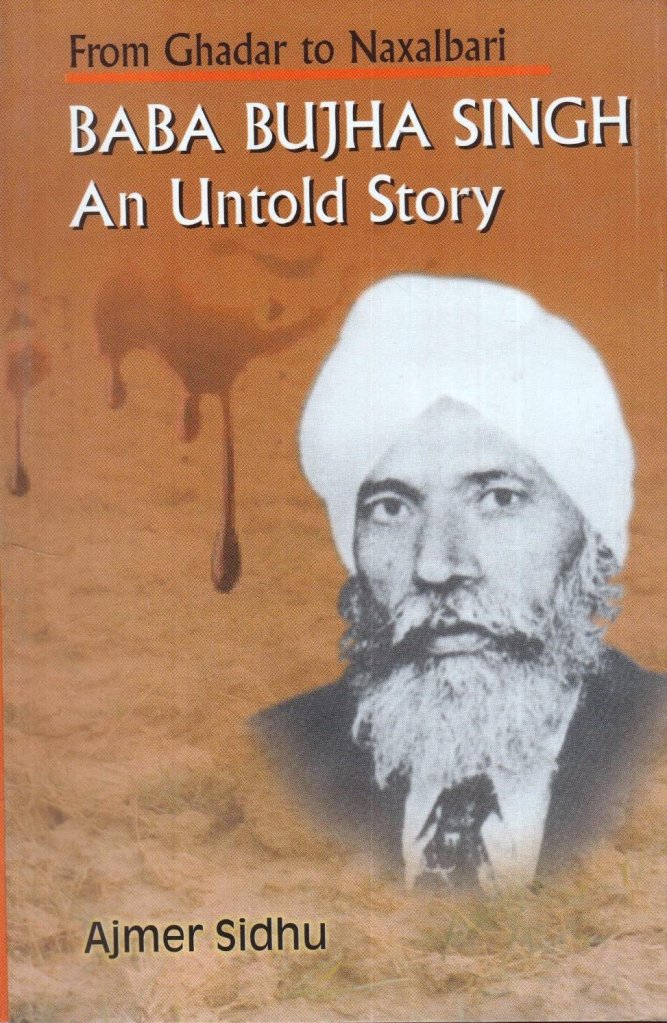
Reflections: Baba Bujha Singh, revolution, poetry, and democracy

Sharing below an informative, moving and insightful piece by friend Jaspal Singh in Cambridge commemorating the fiftieth anniversary of Baba Bujha Singh’s extrajudicial murder in Punjab, India. The story is reflected in other instances of police brutality elsewhere too. And so is his comment on democracy. He regularly dispatches his ‘Reflections’ to friends via email; a list I feel privileged to be on. Over to Jaspal ji:

Continue reading

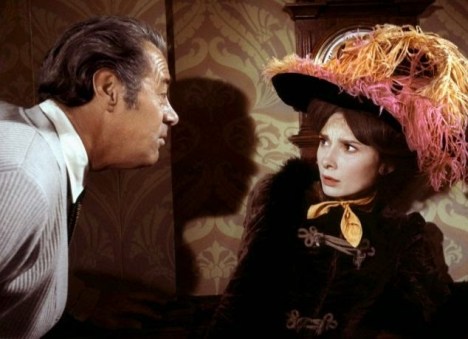
Badri Raina’s marvelous Professor Higgins poem (But the ‘Equality idea’ ain’t dead)

Prof. Higgins haranguing Eliza in My Fair Lady

Another marvelous poem by Badri Raina in Delhi, published in ZNet, referencing Prof. Henry Higgins’ famous line in the musical My Fair Lady based on George Bernard Shaw’s Pygmalion. I will differ from Badri ji only to humbly offer that far from being dead, the ‘Equality idea’ is alive and kicking. It is in fact the growing prevalence of this idea that so threatens the beneficiaries of oppressive systems that they feel compelled to churn up fascism and bigotry, that get amplified in the news and social media. Am I wrong? 

Remembering Professor Higgins

We raised eyebrows when Higgins asked
“why can’t a woman be more like a man?”
Look how whole nations now build upon
That thought in the Professor’s brain. Continue reading

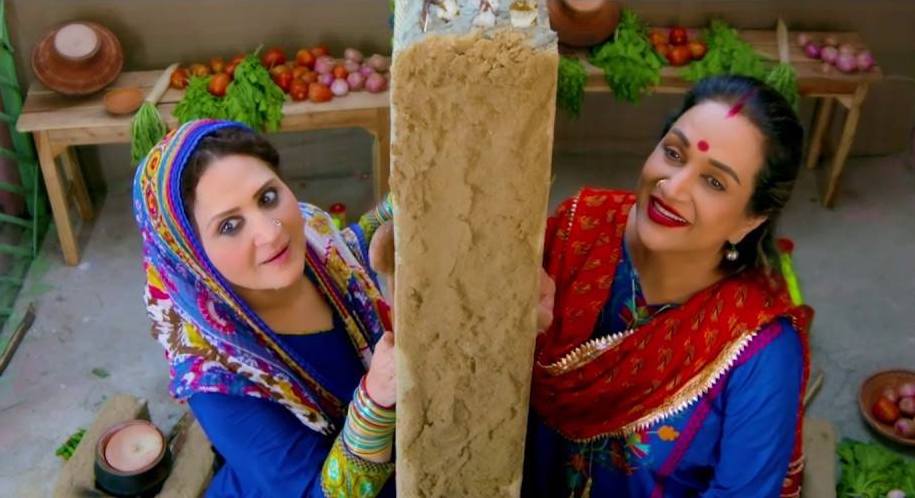
The story behind the viral ‘gwandne’ song

Collage of Bushra Ansari’s YouTube channel screenshots, 4-30 April 2019.

I wrote this piece a few days after Neelum Bashir’s Punjabi poem ‘Humsaye Maa Jaye’ (children of the same soil) went viral over India and Pakistan. Originally published in The Wire, 6 April 2019, the updated piece below includes the revised poem-script that Neelum Apa kindly sent me. Her talented performer sisters Bushra Ansari and Asma Abbas’ musical rendition caught public imagination, cutting through the rising tensions between India and Pakistan after the Pulwama attack, forcing even the Indian media, including television channels in the thick of hectic pre-poll reporting, to take note. Updates include the the jump in Bushra Ansari’s YouTube channel subscriptions, from 34 to over 25,000 in just three days, and to nearly 70,000 by 30 April, besides millions of views and shares. 

Continue reading

Bilawal Bhutto Zardari, women warriors for peace and a viral Punjabi music video

Asma-Bushra-wall

A poetic dialogue between two neighbours separated by an insurmountable wall goes viral. Pictured here: Asma Abbas and Bushra Ansari, performing their sister Neelum Bashir’s poem.

There’s been so much going on that I haven’t shared any updates here for a while. On Tuesday 11 Feb., Bilawal Bhutto Zardari gave a talk on Pakistan and the Welfare State at Harvard that I reported on: “We can’t say we’re too poor to look after our people”, published in The News on Sunday, 17 Feb.  I was going to post it with an important paragraph that got left out of my report when I cut it down, but the Pulwama attack of 14 Feb overshadowed everything. I’ll share it at some point. Continue reading

Amateur theatre group from Pakistan tours USA with Partition stories

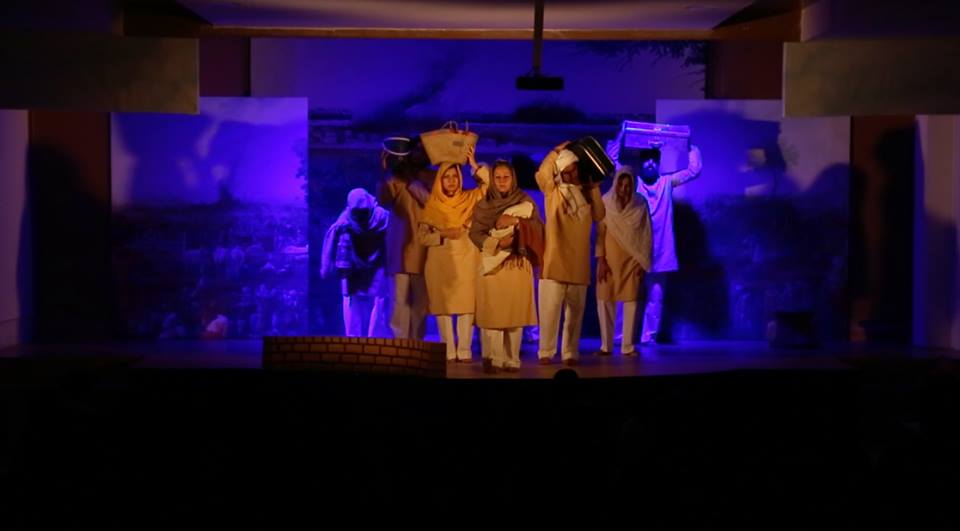
My article on Islamabad-based group Theatre Wallay’s theatre project ‘Dagh Dagh Ujala’ (This Stained Dawn), that toured the US recently, published in Scroll.in today – Partition retold: A Pakistani theatre group dramatises survivor stories to shatter myths. Below, the unabridged version filed on Oct. 26.

DaghDagh Ujala-Isbd

Scene from the play, Islamabad performance. Photo courtesy: Fizza Hasan

Beena Sarwar

An amateur theatre group in Pakistan has started its tour of the USA with a dramatisation of Partition stories based on interviews of Partition-survivors by group members.

The play’s title Dagh Dagh Ujala’ (This Stained Dawn) refers to the first words of the Urdu poem ‘Subh-e-Azadi’ (Dawn of Freedom) by the acclaimed poet Faiz Ahmed Faiz. Penned in 1947 on the eve of India’s Independence from British rule and its bloody partition, the poem is popular on both sides of the border. Continue reading

“I lay his poems on my lips and sip at leisure” – Gulzar on Naseer Ahmed Nasir

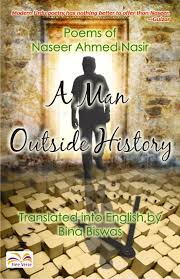
2014- Man Outside HistoryMy piece for the weekly Aman ki Asha page on July 9 and on the TOI blog

The iconic lyricist and poet Gulzar in his preface to Dr Bina Biswas’ translation of a collection of Urdu poetry pays rich tribute to Pakistani poet Naseer Ahmed Nasir

———

A Man Outside History
Poems of Naseer Ahmed Nasir
Translated into English by Bina Biswas
Foreword by Gulzar
Free Verse, an imprint of LiFi Publications,
New Delhi, 2014; Pp 173; INR 300
(available in Pakistan with Messers Al Abbas International, Rana Chamber, 2-Dil Muhammad Road, Lahore)

————-

Continue reading