The latest Sapan News syndicated feature, by Ramon Magsaysay awardee Dr Sandeep Pandey on the difference between the release of convicts in Rajiv Gandhi’s assassination case and those convicted in the Bilkis Bano case. He argues that the premature release of one set of convicts cannot be used to justify another — one was set free by the courts, while administrative decree was behind the other. One poses no threat to the victim’s family, while the other has sent witnesses into hiding.
Exploring a way of looking inwards, confronting my own demons, and competing with my own best self
My keynote commencementspeech at the first AAPIDA – Asian Pacific Islander Desi-American – affinity graduation, Harvard University, 23 May 2022
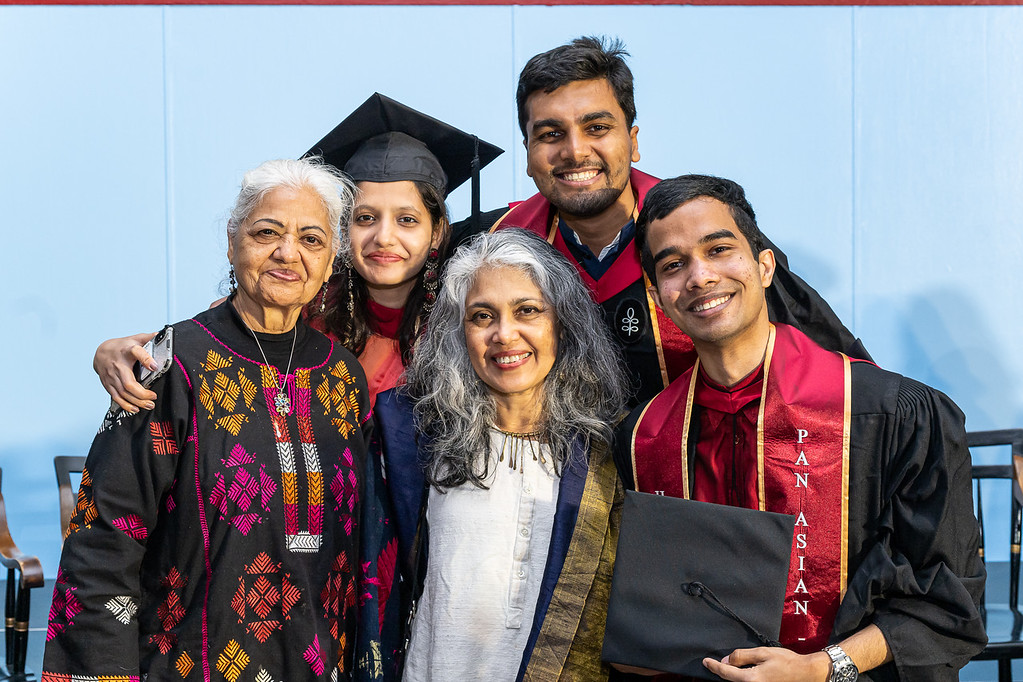
With my mother Prof. Zakia Sarwar, plus Harvard School of Education graduatesafter the ceremony: Najwa Maqbool and Nishant Singh from India, and Nigel Gray from Sri Lanka.Their families couldn’t make it so we were glad to be there for them. Photo: Lipofskyphoto.com
Beena Sarwar, video and text of speech below. Also published in Sapan News Network
Sharing some recent updates from our lovely new initiative, Sapan – we wouldn’t be able to do all this without the amazing volunteerism of those involved
(Yes, Zakia Sarwar is my mother, but on merit, it’s a great idea and the writeup was lovely. Hope it’s not seen as nepotism).
The events:
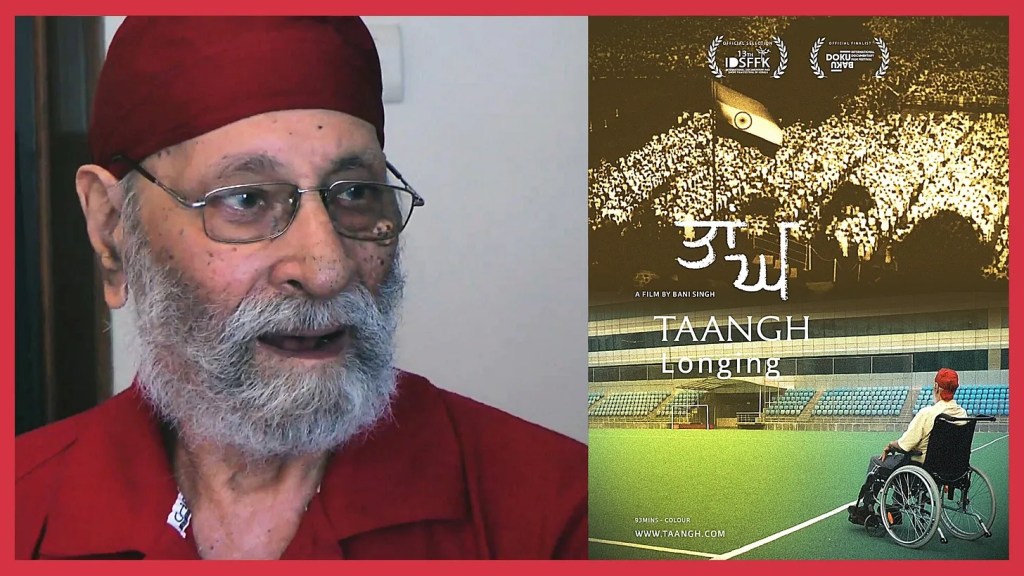
Nov 19-20: Sapan Film Club pilot screening of Bani Singh’s award-winning documentary Taangh. Excited and grateful she has made her film free for 24-hours for Sapan members starting Nov 19. Watch at your own pace. We will have a discussion with her on Sunday 10 am ET / 8 pm Pakistan time. The registration link has details of other time zones. More details at this post on the Sapan website: Sapan Film Club: Bani Singh’s award-winning documentary ‘Taangh’ – register to watch free.
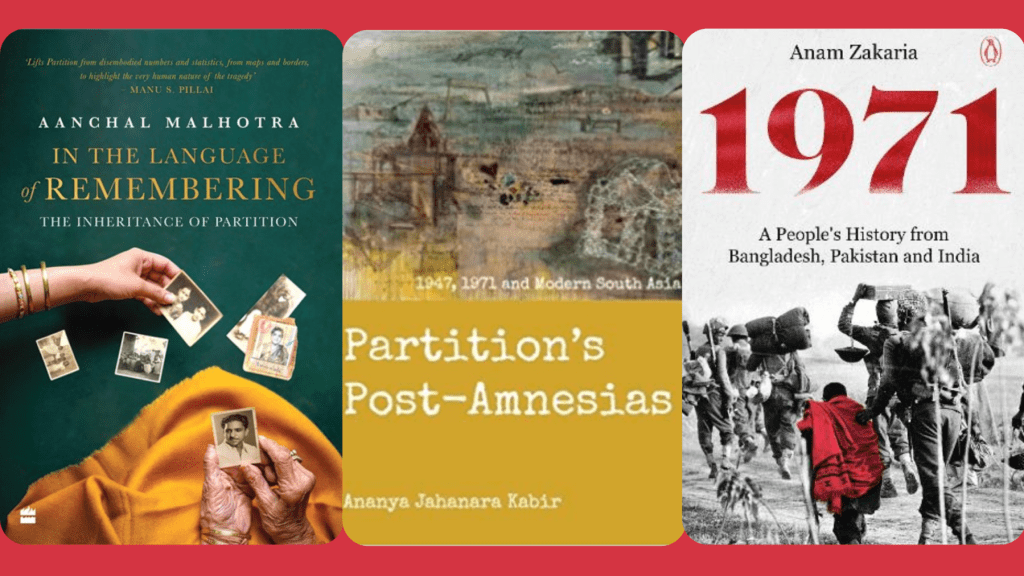
Sun. 27 Nov: ‘Beyond Partitions – Shared Histories, Ways Forward‘ with acclaimed writers: Aanchal Malhotra, Anam Zakaria, Ananya Jahanara Kabir. Thrilled and honoured that Urvashi Butalia in Delhi and Hameeda Hossain in Dhaka will join and present closing remarks.
Nov. 18: Ahead of UN World Day of Remembrance for Road Traffic Victims (Nov 20), Sapan gets into Twitter Spaces. Also today, we had a great Zoom meeting with some awesome people working on the issue – here’s the Facebook live video recording. We could do with some traction, so hope you will ‘like’ and share.
For more details, visit http://www.southasiapeace.com. Will be grateful to all those who share with their networks. Jo share karey uss ka bhala. Jo na karey uss ka bhi bhala (Wishing well those who share and also those who don’t).
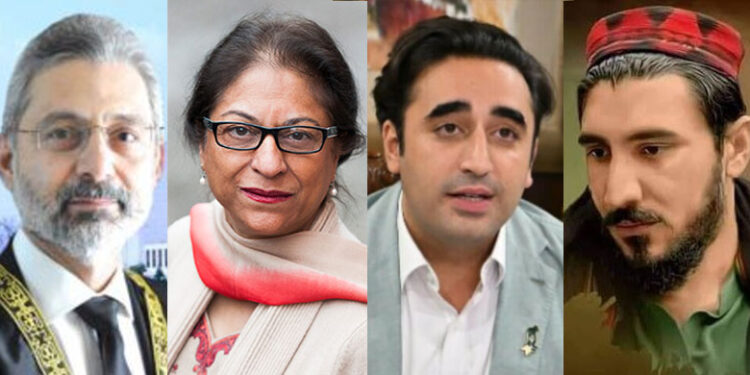
Justice Qazi Faez Isa, late Asma Jahangir, Bilawal Bhutto Zardari, Manzoor Pashteen: Collage by The Friday Times/Naya Daur
Sharing four recent offerings from Sapan News Network – the most recent one in full below, pegged on the Fourth Asma Jahangir Conference in Lahore, on the ‘ ‘Crisis of Constitutionalism in South Asia’, that I’m thrilled to have co-authored by aspiring young journalist Abdullah Zahid, published in The Friday Times/Naya Daur, South Asia Monitor and other media outlets. Plus three other recent syndicated features:
We cannot be at peace when our neighbours suffer. The main discussants on Sri Lanka’s ongoing crisis were not the ‘usual suspects’. A cautionary tale: Lessons from Sri Lanka’s cascading, multiple crises – report by Pragya Narang on a complicated issue with lessons for Southasian nations.
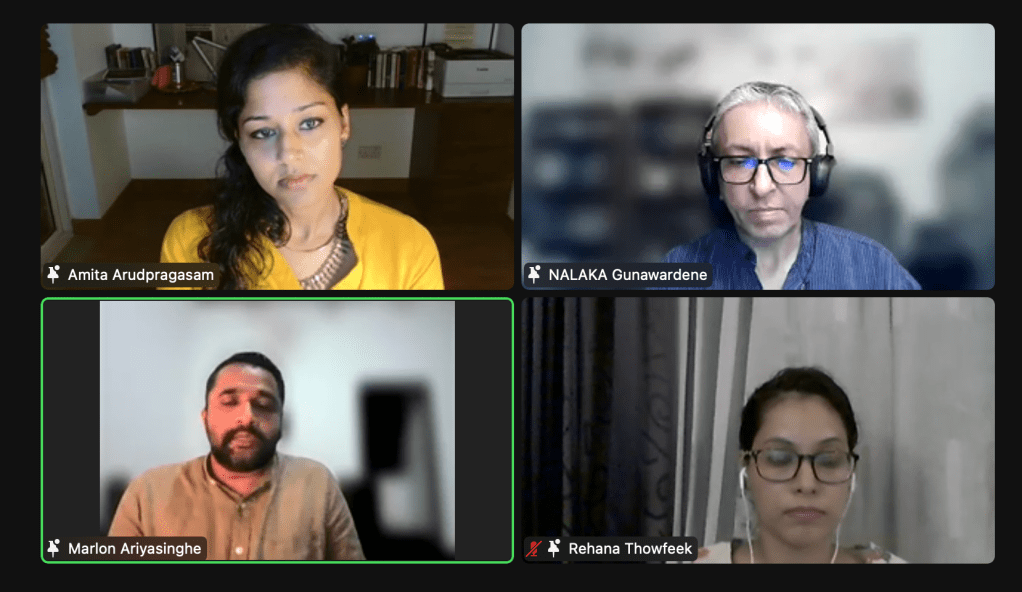
A teach-in on Sri Lanka’s ongoing crisis, with eminent thought leaders Amita Arudpragasam, Nalaka Gunawardene, Marlon Ariyasinghe, Rehana Thowfeek.
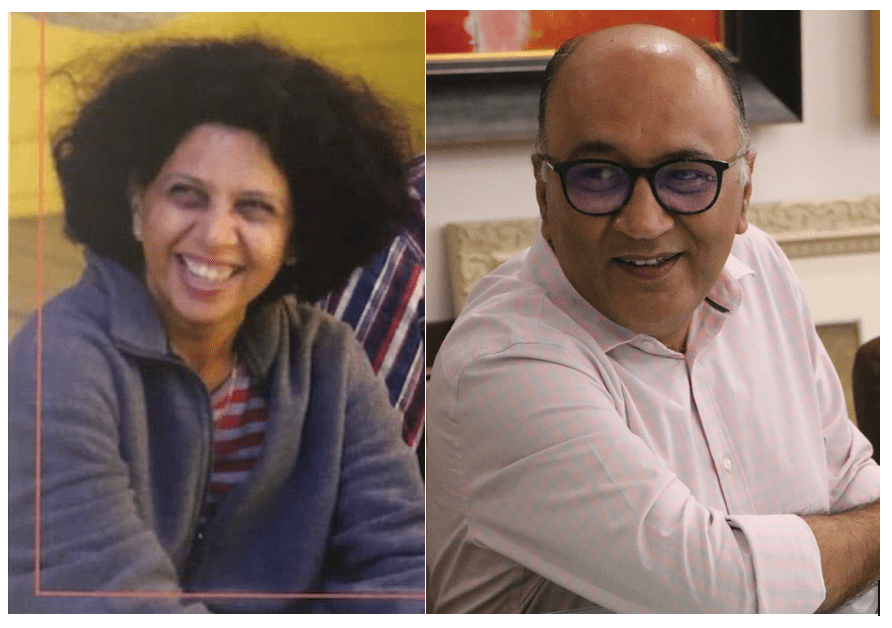
Lee Krishnan in Mumbai, Mohsin Tejani in Karachi: Breadloaf friends, great synergy. Photos: supplied.
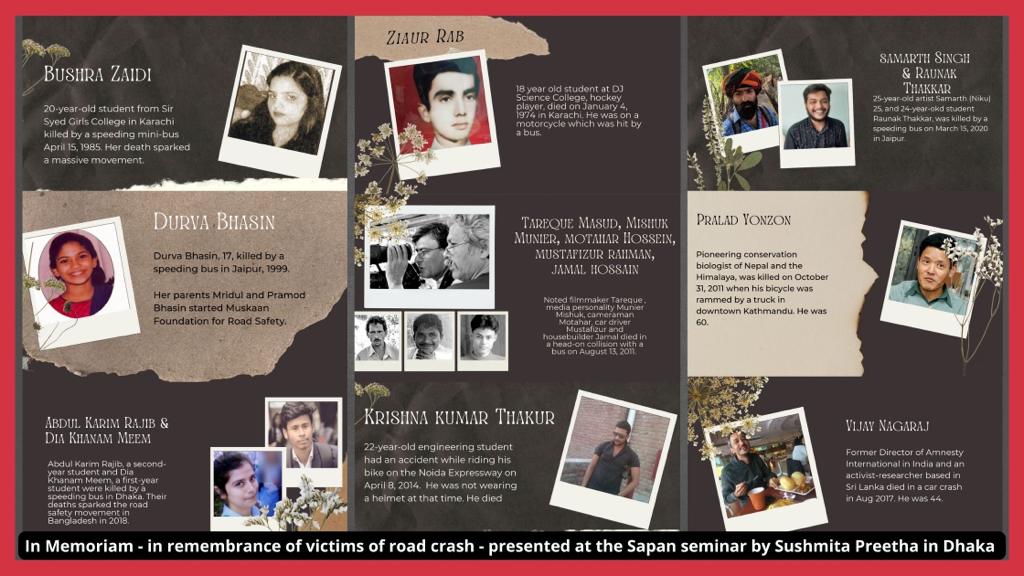
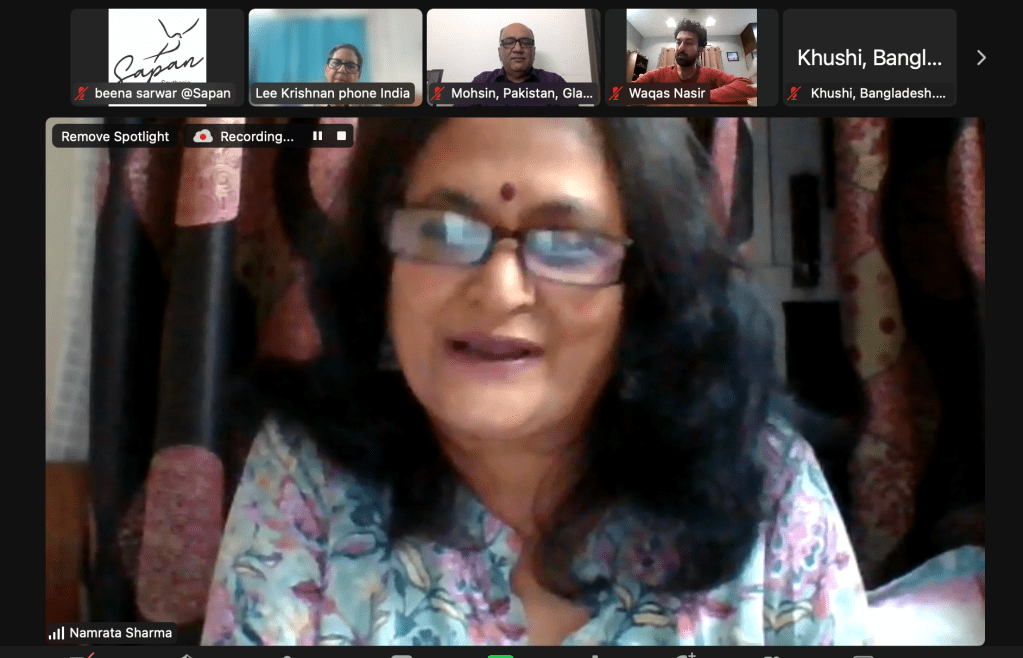
Really enjoyed this Sapan online family writing workshop by educators and teacher trainers Mohsin Tejani in Karachi and Lee Krishnan in Mumbai, hosted by the amazing Khushi Kabir in Dhaka, joined by educationist and writer Benislos Thushan in Jaffna – looking dramatic due to a power cut, just before dashing off for an overnight bus to Colombo. Human rights activist and physician Fauzia Deeba from Quetta now in New Jersey talked about the floods in Pakistan and shared the In Memoriam section designed by a young journalist Sushmita Preetha in Dhaka. Senior journalist Namrata Sharma in Kathmandu delivered the heart warming closing remarks that the piece starts with.
Namrata Sharma: “Who and how can anyone say that Southasia is divided?” – screenshot from the workshop.
Lovely writeup on it by young agriculturist-researcher-educationist M. Waqas Nasir in Lahore, published as a Sapan News Network syndicated piece in several media outlets. Read it here: Divided by borders, united by aspirations. This piece and the event would not have been possible without the efforts of data analyst and researcher Priyanka Singh in New Delhi. Both she and Waqas are Sapan founder members.
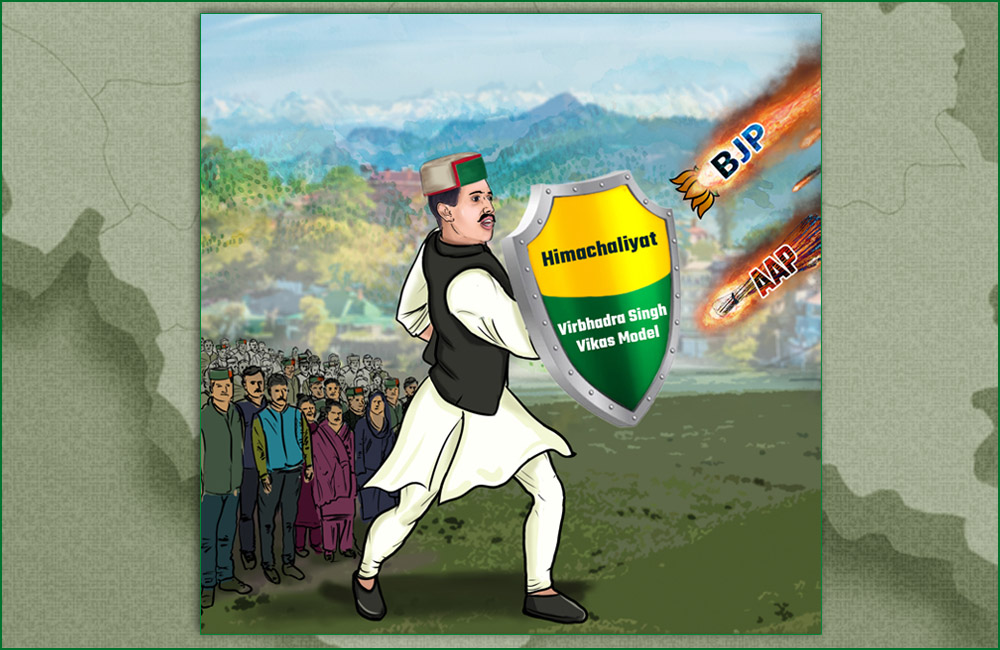
I’m also happy to share this piece young lawyer Vishal Sharma in Shimla, also a Sapan founder member. I love how hard and patiently he worked on the article, taking in feedback from various friends to shape it into what it became. I also learnt a lot by working with him on it, especially the idea of ‘Himachaliyat’ which reminds me of ‘Kashmriyat’ – promoting pluralism and peace. Published in Himachal Watcher. Read it here: A young leader’s activism may be a gamechanger for the Congress in Himachal‘. Vishal had the visual specially made by an artist friend.
Vikramaditya Singh uses the shield of “Himachaliyat” and “Virbhadra Singh Vikas Model” to counter political rivals. Visual by artist Deepak Saroj in Noida
Flood survivors and volunteers at Shahdadkot. Photo: Courtesy Rubina Chandio via the Flood Relief Work WhatsApp group.
It is moving to see how many on the ground, as well as across the region and beyond, are stepping up to help those hit by the floods in any way they can.
At our online Southasia Peace Action Network, Sapan, meetings and in personal messages, Indian friends in particular have expressed their anguish and desire to help. Many are frustrated by being unable to contribute financially as I mentioned in my last post, Floods in Pakistan: Many eager to help held back by restrictions.
The YouTube video below has friends Dr Amna Buttar and Dr Geet Chainani talking about the realities on the ground in disaster-hit areas and why as an Indian origin physician in the US, Geet wants to go back to Sindh to help with flood relief. Sabyn Zaidi remembers how Geet worked in medical camps during the 2010 floods. On the first day she saw 172 patients, without breaks. There were no restrooms, no food, no electricity; there were bugs and insects. When it got dark, she worked with the light from cell phone lights and torches brought by the villagers.
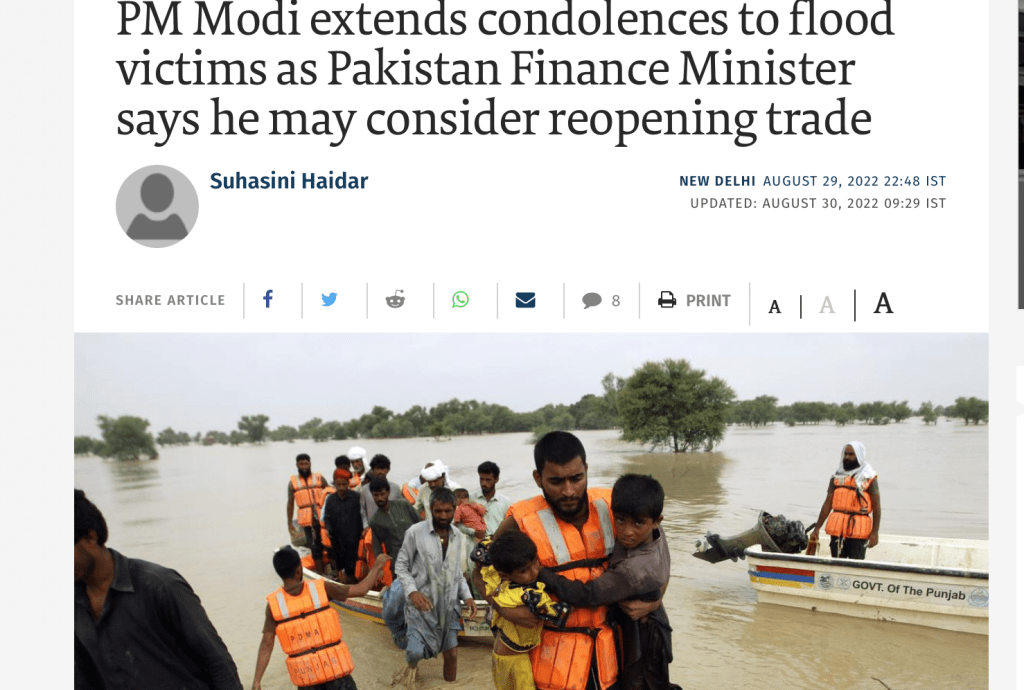
Suhasini Haidar’s report in Hindustan Times, 29 Augusst 2022
“Wish both India & Pakistan had friendly relationship I would have pledged all proceeds from the sale of book for the victims of disastrous floods in Pakistan” tweeted Raminder Jit Singh (@ramindersays), a “Sikh from Jammu & Kashmir” who has recently published a book titled Immaculate Thoughts. The scale of destruction “leaves one benumbed”.
The destruction has caused food prices to rise, to the extent that Pakistan is considering opening duty-free import and even reviving imports through the land border with India.
The previous government headed by Imran Khan had cancelled trade ties with India in protest against the Modi government’s revocation of special status to Jammu and Kashmir under Article 370 in August 2019. There have been only two exceptions since then: to import pharmaceutical products during the COVID-19 pandemic and to allow India to ship 50,000 tonnes of wheat as humanitarian aid to Afghanistan.
Prime Minister Modi has tweeted his condolences to Pakistan for the losses caused by the floods and expressed “hope for an early restoration of normalcy”. This “normalcy” needs to include something that hasn’t been normal for the region – good neighbourly relations. Let people of the region meet – allow visa-on-arrival or a visa-free Southasia, like the European Union, or US-Canada as envisioned by Pakistan’s founding father.
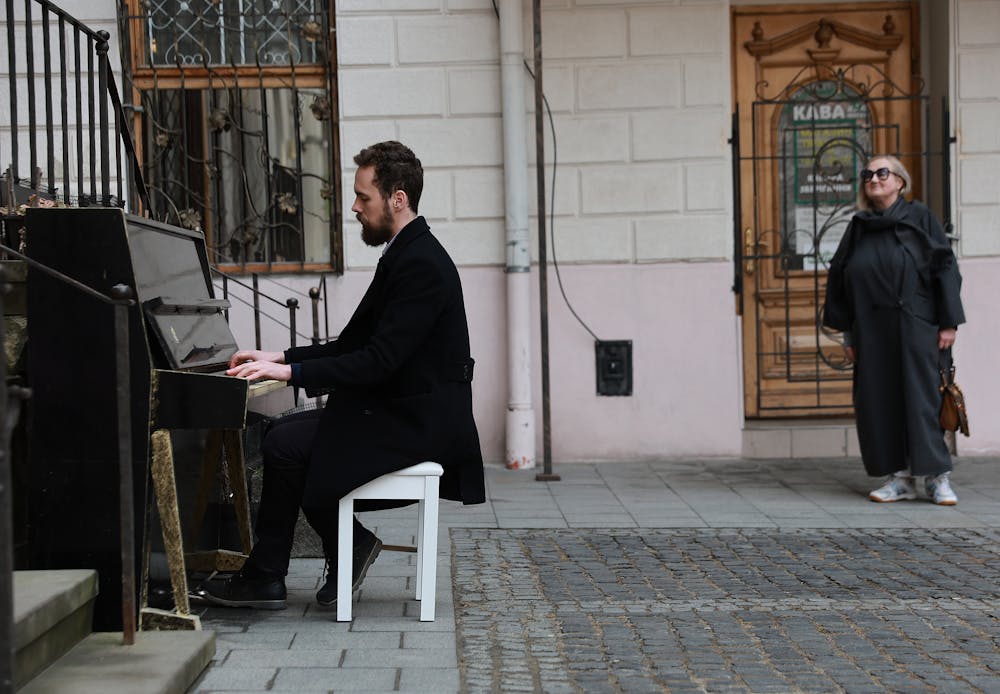
The “piano man,” a war refugee, became one of the symbols of resistance emerging from conflict. Photo by Joe Raedle/Getty Images, Lviv, Ukraine, March 29, 2022.
The latest syndicated pieces from our Sapan News Network: A report on peace pilgrims from Pune in Pakistan, a call to free political prisoners, an oped on why Bhutan needs a peace and reconciliation movement, an analysis of the early years of Independence, and a report on the poet Gulzar’s visit to the USA. Enter your email at the Sapan website www.southasiapeace.com to get the pieces sent straight to your mail box. For now, read on:
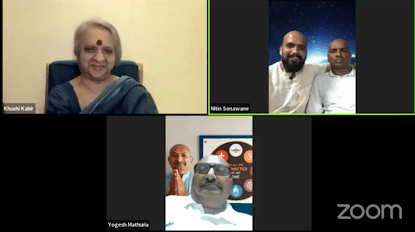
From Dhaka, Khushi Kabir in conversation with Yogesh Mathuria, Nitin S., and Jalandarnath Channole in Shikarpur. Photo credits: @southasiapeace on Facebook
5. A Southasian poetic giant tours North America – Siraj Khan in Boston reports on Gulzar’s visit to several North American cities, in conversation with the writer Rakhshanda Jalil, and a talented musical team rendering his poetry. Read more here.
Subscribe to Sapan News Network by entering your email at http://www.southasiapeace.com to stay up to date with Sapan offerings.
It’s a dream, and aspiration. To quote Gulzar’s beautiful poem, “Ankhon ko visa nahi lagta, sapnoN ke sarhad koi nahiN” (Eyes don’t need a visa, dreams don’t have frontiers)
So there’s this dream: Southasia is a region with soft borders, like the European Union, or like the Southasia region itself was, prior to 1965.
We’ve long been calling for dialogue to be uninterrupted and uninterruptible. The call for soft borders and allowing people-to-people contact takes this further. Letting people meet, travel, and trade will benefit the region economically, as well as reduce misunderstandings and violent extremism.
Check out the list of demands – we know it’s a long shot, but we desis are used to bargaining – sign and share this online petition, coordinated by the Southasia Peace Action Network or Sapan. As of today, over 36,000 signatures and counting. Help us reach 50,000.
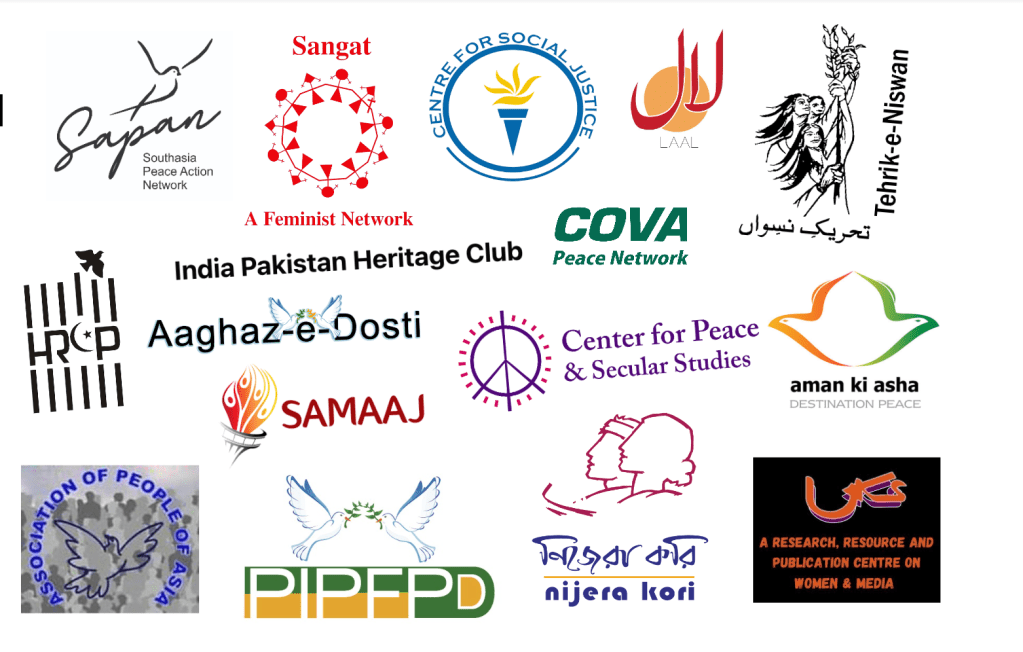
Here’s a compilation of the organisations collaborating on this so far. More are joining. Each person counts, like the drops that make up the ocean.
We may not attain the dream in our lifetime but let’s not let that stop us from trying.
Logos of participating organisations. Being updated on the petition site as more join.
The petition is addressed to the prime ministers and foreign offices of India, Pakistan and Bangladesh. Nepal and Sri Lanka allow visa-on-arrival. This is how it starts:
“This August marks 75 years since India gained independence from the British colonists and was simultaneously partitioned as the new country of Pakistan was born. In 1971, there was further independence and partition as East Pakistan became Bangladesh. These momentous events are marked with much blood and pain.
“It is time to heal the pain. Let people meet, “milne do”. Let us ‘reclaim Southasia’, to quote the late journalist I.A. Rehman.
“It is essential to allow people-to-people contact in order to fulfil the objectives of SAARC, the South Asian Association for Regional Cooperation which aims to “promote the welfare of the peoples of South Asia” in all ways possible and to enable the peoples of the region to “live in dignity and to realise their full potential”.






 Journeys to democracy