‘I want India and Pakistan to make peace in my lifetime’ – Zehra Nigah

Some thoughts emerging from a chance encounter with one of Pakistan’s most respected and iconic progressive poets.

Indian and Pakistani writers and a filmmaker at the Faiz Festival, Lahore: (l-r) Dr Saif Mahmood, Atul Tiwari, Dr Arfa Sayeda Zehra, Dr Arvinder Chaman, Nandita Das and Zehra Nigah. Photo by Zarminae Ansari / The Joy of Urdu

Personal Political
By Beena Sarwar / Sapan News

“It’s the girls that give me hope,” says the celebrated poet and writer Zehra Nigah.

She leads a quiet life at her home in Karachi, without a mobile phone or email. Yet those who seek her are able to find her. Besides the school and college students who look to her for guidance, there are advertising companies looking for classy jingles. And there are organisers of literary festivals wanting to invite her.

These include Jashn-e-Rekhta, the three-day annual festival that celebrates Urdu — subtly countering the rightwing narrative that Urdu is a ‘Muslim’ language while Hindi is for ‘Hindus’.

When it started in 2015, Rekhta invited several prominent Pakistani poets and writers to participate. Its third edition in 2017 was the first time that there was no Pakistani participation in its sessions – due to the “prevailing atmosphere” in India, the organisers took “a considered decision” to not invite Pakistanis as “participants” but only as “guests”, reported Anita Joshua in the Telegraph, India. 

“Some see in this an instance of self-censorship to avoid trouble of the sort that has recently beset Bollywood films starring Pakistani actors,” commented Joshua.

The only Pakistani who accepted the invitation was Kishwar Naheed, then 77, another iconic Pakistani poet, for whom being invited as a ‘guest’ meant that she would at least be able to recite at the ‘mushaira’, the poetry recital session addressed by several poets, as she told me later. 

Continue reading

The cross-border solidarity of Amrita Pritam and Fahmida Riaz, the student movement, and peacemongering today

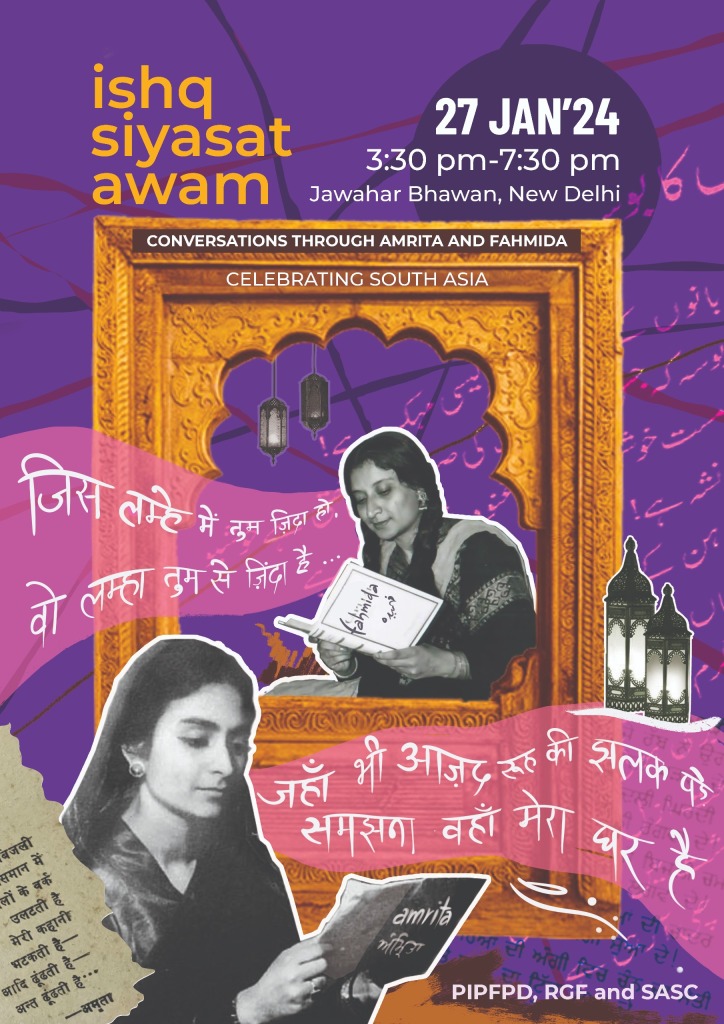
Poster for the event honouring Amrita Pritam and Fahmida Riaz. Courtesy PIPFPD

The latest Southasia Peace Action Network (Sapan) newsletter we put out highlighted a commemoration in Delhi for two iconic feminist poets of Pakistan and India: How the friendship of two cross-border feminist poets symbolises our work; upcoming events, and more

Radical love, epitomised by the late Amrita Pritam and Fahmida Riaz is ‘one of the seeds of the revolutionary thought process’, to quote the Pakistan India People’s Forum for Peace and Democracy (PIPFPD) stalwarts who organised the event – Vijayan MJ, Tapan Bose, and Dr Syeda Hameed. Their consistent work over the decades for peace and justice is truly inspirational, and I feel privileged to know them personally.

I was also privileged to know one of the late poets personally, Fahmida ‘Khala’ (aunt) to me, who was close to my father Dr. M. Sarwar. He led the Democratic Students Federation (DSF), Pakistan’s first student movement while at Dow Medical College in Karachi, 1949-54.

I’ve uploaded archives about the movement here: drsarwar.wordpress.com. Principles of that struggle continue to show the way, like the importance of coming together across divides for a minimum common agenda. For DSF, it was student rights. For Sapan, it’s Southasia Peace. We need it now, for the sake of the people of the region, and beyond. 

The Videos section of the Dr Sarwar blog includes a playlist of video clips from the event held at the Karachi Arts Council in January 2010 to commemorate DSF and the student movement, a few months after my father passed on.

Compered by the actor Rahat Kazmi, the event featured speeches from young activists, students, and academics like Amar Sindhu, Alia Amirali, Ali Cheema, and Varda Nisar, as well as veterans like I.A. Rehman, besides the singer Tina Sani, Taimur Rahman and his band Laal, and Fahmida Riaz.

Fahmida Khala recited her poem ‘Palwashey Muskurao’ (Palvasha, smile), dedicated to daughter of late Afzal Bangash of the Mazdoor Kissan Party (Workers’ and Peasants’ Party), and the followers of other late leftist leaders. They may no longer be on this earth, but their principles and aspirations for human rights and dignity continue to show the way.

Fahmida Riaz reciting her poem ‘Palwashey Muskurao’ (Palvasha, smile), Jan. 2010, Karachi.

(ends)

Hello, and updates from Sapan News and Southasia Peace Action Network

Seasons greetings despite the sadness, and excerpts from a Sapan Alliance newsletter sent out a few days ago on Substack

Joy is also a form of defiance. Dancers: A greeting card I made some years ago (pastel and water colour), repurposed for Southasiapeace.com and Sapannews.com.

In times that can feel dark and dismal, some good news and exciting updates.

Meet Sapan News — a unique media outlet that aims to cover and connect Southasia, the Indian Ocean and diaspora. That goes behind the headlines, connects communities, academics, activists, and more. Creating space for understanding, empathy and nuance.

  • In November, Sapan News qualified for NewsMatch, a philanthropic fund helping nonprofit newsrooms like ours in the U.S. Contributions made by year-end will get matched up to $15,000. Gratitude to our community that has stepped up to meet this challenge.
  • Those wanting to chip in are welcome – here’s the donate link for tax-deductible contributions.
  • A 100 new donors will secure a $1,000 bonus, and monthly donations initiated this month will get matched x12!

Thank you for your support. It means so much – and together, we are stronger.

Collaborations: Hello, Central Desi!

Sapan News is proud to partner with Central Desia dynamic news portal that started as a newsletter to cover all things ‘desi’ (Southasian) in New Jersey. Kudos to journalist Ambreen Ali for growing her passion project into a news org that won a major grant, enabling them to hire reporting fellows. Sapan News has much to learn from this initiative.

Continue reading

ChanukahForCeasefire; a Jewel in Ivory in Berlin; #SapanforSAARC this Sunday; and the NewsMatch challenge for Sapan News

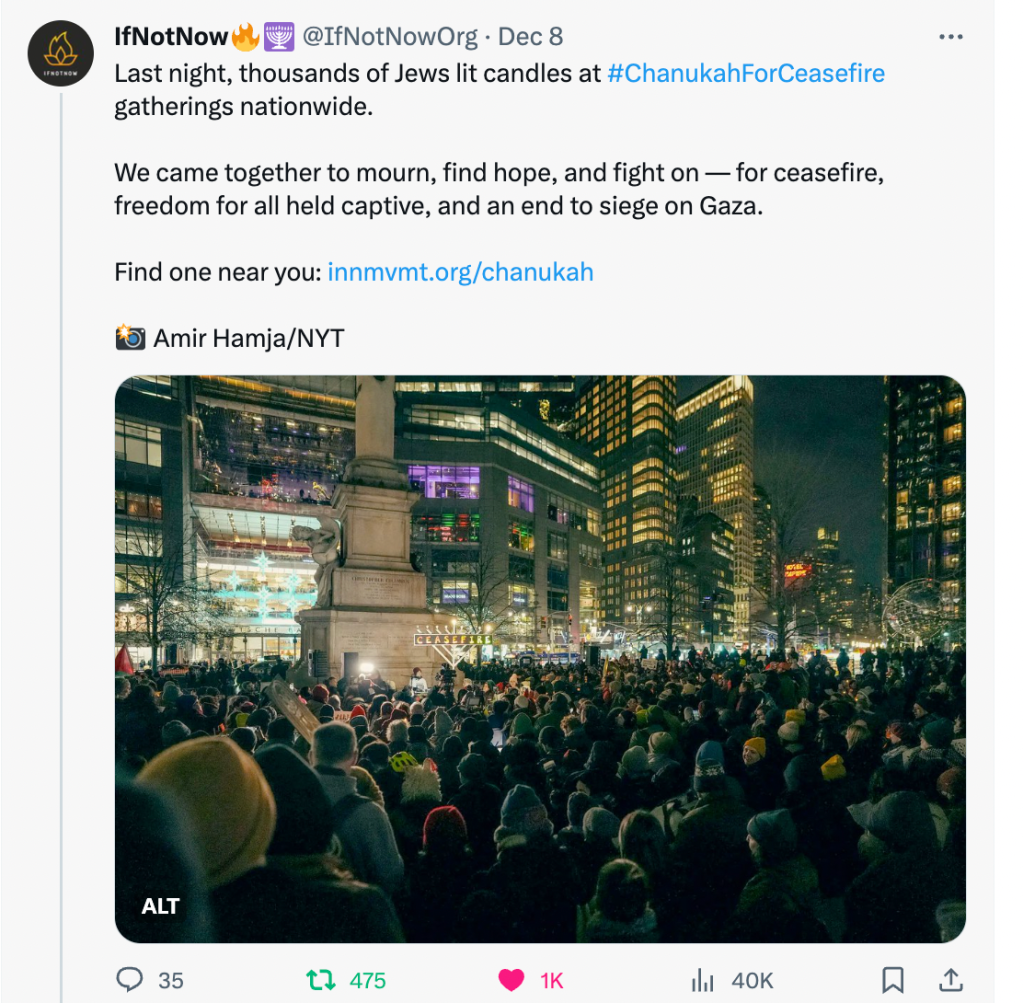
Greetings to those observing Hanukah and salute to those participating in #ChanukahForCeasefire demonstrations around the United States. Thousands of Jews have been lighting candles at #ChanukahForCeasefire gatherings, coming together “to mourn, find hope, and fight on — for ceasefire, freedom for all held captive, and an end to siege on Gaza,” says IfNotNow, a movement of American Jews “organizing for equality, justice, and a thriving future for all: our neighbors, ourselves, Palestinians, and Israelis.” To find one near you, go to: https://innmvmt.org/chanukah.

Such actions, and those of thousands including high school students marching around the world to call for #ceasefirenow, provide hope in a world that feels heavy. It is unbearable to think of the thousands killed, maimed and displaced in conflict areas, especially children.

Public opinion worldwide is clearly for #CeasefireNow, calls being ignored by those who could stop the bombing that continues to claim lives. What can we do? Hold on to ourselves and do what we can, where we can, when we can. Inform ourselves, share information – double-check before sharing so we don’t pass on #fakenews — donate to causes, participate in public actions.

Continue reading

Sarmad Khoosat live; Celebrating love in Boston; Sapan News tribute to a harmonium soloist

A compilation of offerings from our Sapan network, including my latest venture Sapan News syndicated features. Together, we aim to further the narrative of regionalism, peace, and dialogue. What can you do? Read on

Visual: Aekta Kapoor/Sapan

Delighted to have acclaimed actor and director Sarmad Khoosat join us Sunday July 16 for Sapan’s first fundraiser, hosted by poet Dr Arvinder Chamak in Amritsar. Sarmad will be in conversation with the wonderful journalists Malinda Seneviratne in Colombo, Mandira Nayar in Delhi; and Lubna Jerar in Karachi.

Watch: Sarmad Khoosat LIVE |… on Facebook | … on YouTube

Continue reading

Write for peace, celebrate love, fight hate

TODAY, 11 am ET/8 pm Pakistan time Sapan will host a writing workshop with my old friend Mohsin Tejani from Karachi, and his friend Lee Krishnan from Mumbai. They met 25 years ago at the Andover Breadloaf Writing Academy where they are both trainers. Since they’re here again, they offered to do this workshop in person. People can also join online with children, parents, grandparents, significant others, friends or on their own. Details here: Writing Together, Across Borders.

Sapan News feature about our Write for Peace workshop in August 2022 : Divided by borders, united by aspirations.

Continue reading

Sapan News updates, art and interfaith in Mumbai, Kabir Festival, two films, and a train crash tragedy

Hello all, check out the work we’re doing at Sapan News, providing behind-the-headlines information with context and nuance, and syndicating pieces out to a growing media network.

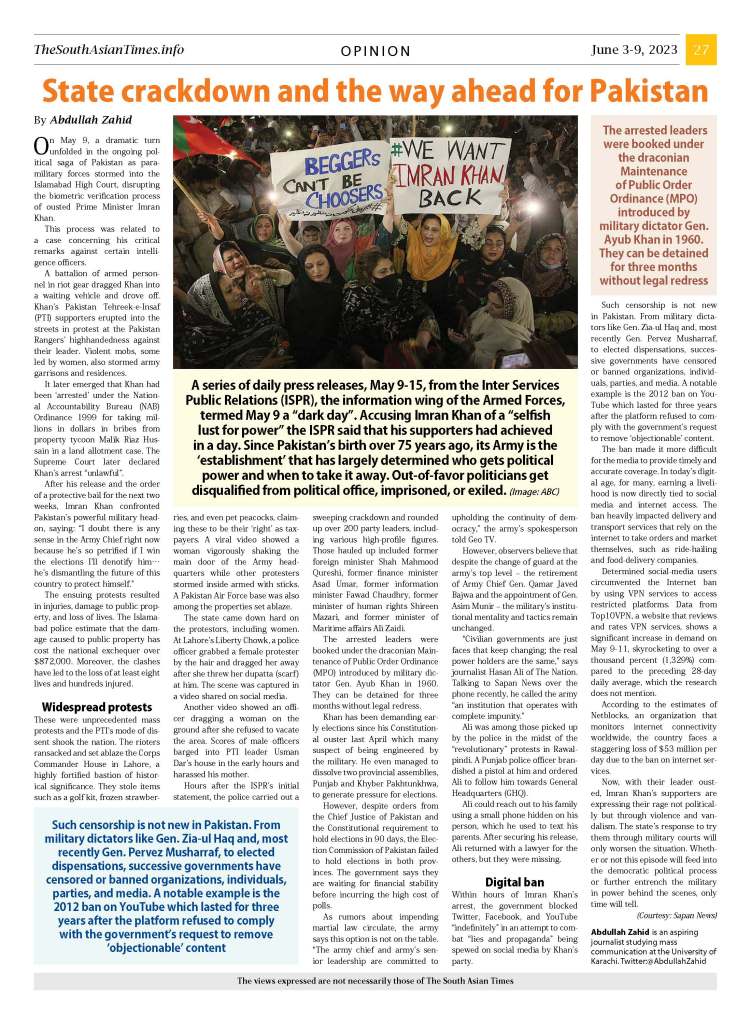
Sapan News syndicated feature in The South Asia Times, page 27, 3-9 June.

The latest Sapan News features include this explainer about the implications of the state crackdown on the violent protests following Imran Khan’s arrest in Pakistan – by Abdullah Zahid in Karachi, published in The South Asia Times (image from their New York edition here) among others. Read it online here.

Plus:

Please subscribe to www.sapannews.com to get our offerings directly in your email inbox.

Happening this Sunday in the Boston area, the second Kabir Festival, in Waltham, 4-7 pm – an event co-sponsored by Sapan, the Southasia Peace Coalition. For details see the Southasia Peace website.

NOTE: If you like/support our work, please contribute what’s possible – no amount is too big or too small. Will be so grateful. We need to raise $15k by year end at a minimum. You can make tax-free donations at this link.

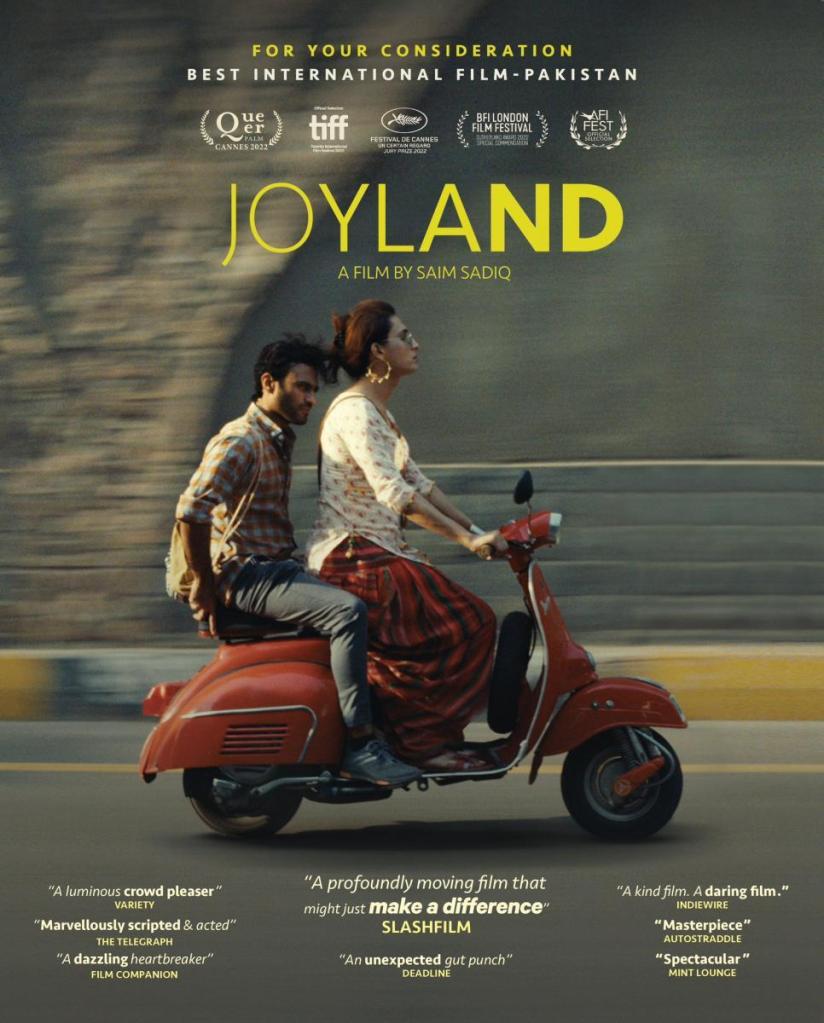
Joyland poster

On another note, I saw the banned-unbanned-censored (still banned in Punjab?) Joyland in Karachi a few weeks ago, and it haunted me – and my cousins who I saw it with – for days. This is the first feature film from Pakistan to screen at Cannes where it won two awards.

“What began as a small independent production among friends at Columbia University’s graduate film program became one of the year’s biggest success stories in world cinema — and a ground-breaking film about queer desire in a traditional Muslim society” reports NPR.

The film is showing at Coolidge Corner Theatre in the Boston area this week– writer-director Saim Sadiq has said the cuts made for the film’s showing in Pakistan were insignificant but I am curious to see the uncensored version.

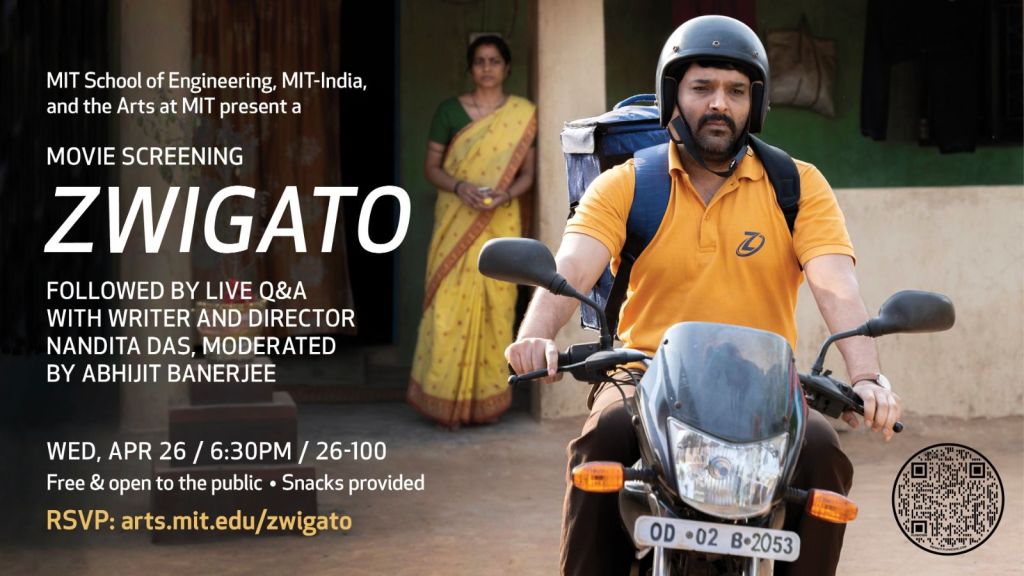
A film I saw recently and enjoyed was Nandita Das’ Zwigato, that she showed in person at various cities in the US.

Even on the small screen I found it thought-provoking and beautifully done, with many layers, a great commentary on the changing society, its challenges and opportunities. Sensitively depicted relationships, humanity, and aspirations. Great poetry and soundtrack, with many nuggets and vignettes sprinkled throughout. The end credits with animations are particularly creative and a story in themselves.

This is the third feature film by Nandita Das that I’ve seen, after Firaaq and Manto. Each of them a labour of love, executed with courage and clarity.

Interesting that the posters for both films feature two-wheelers…

Ending on a sad note – the triple train crash in India that has claimed nearly 300 lives. As expected, authorities are trying to pass it off as ‘human error’ rather than admit to the systematic problems with the railways or the government’s financial choices.

(ends)

Two years of Sapan, honouring Lyse Doucet, a music competition, and more

Can you believe Sapan has been at it for two years?

That’s the Southasia Peace Action Network, Sapan, ICYMI (‘in case you missed it’ for the uninitiated, helping you get with it, you’re welcome)

Excited for the second anniversary event up this Sunday, hosted by the amazing Khushi Kabir in Dhaka, taking forward the legacy of our late friend Kamla Bhasin at Sangat.

We’ll review what we’ve done over the past two years – the collaborations, the discussions, the film club and more. Taking up all kinds of cross-cutting and cutting-edge topics. It’s been thought-provoking, inspiring, and fun.

We will honour the inspiring journalist Lyse Doucet for her humanitarian reporting, an award initiated by Dr Tayyaba Hasan presenting it from the Sapan platform. Dr Hasan heads the Hasan Laboratory at Harvard Medical School – the bio at the link does not convey why she is doing this — you’ll have to tune in to find out.

Sapan honours Lyse Doucet: A lifetime of humanitarian reporting. Photo: Amanda Benson
Continue reading

‘Can journalists be activists?’ – Razia Bhatti Memorial Lecture 2023 – II

Following up from my earlier post, here’s the video recording of the Razia Bhatti Memorial Lecture 2023 I delivered online recently for the Center of Excellence in Journalism at IBA, Karachi.

Text of my talk below with slides.

Continue reading