Exploring a way of looking inwards, confronting my own demons, and competing with my own best self
My keynote commencementspeech at the first AAPIDA – Asian Pacific Islander Desi-American – affinity graduation, Harvard University, 23 May 2022
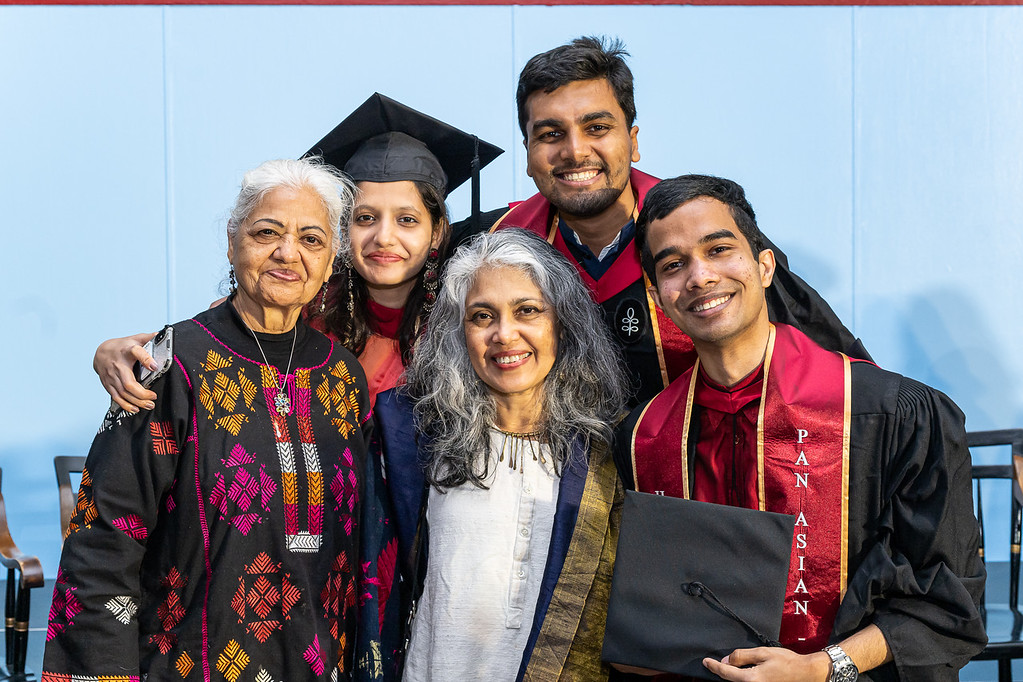
With my mother Prof. Zakia Sarwar, plus Harvard School of Education graduatesafter the ceremony: Najwa Maqbool and Nishant Singh from India, and Nigel Gray from Sri Lanka.Their families couldn’t make it so we were glad to be there for them. Photo: Lipofskyphoto.com
Beena Sarwar, video and text of speech below. Also published in Sapan News Network
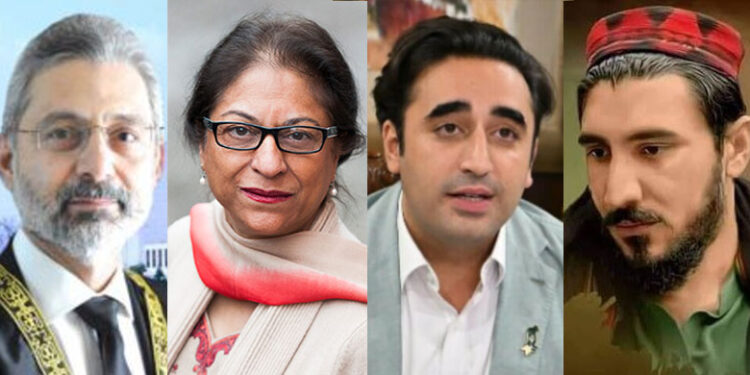
Justice Qazi Faez Isa, late Asma Jahangir, Bilawal Bhutto Zardari, Manzoor Pashteen: Collage by The Friday Times/Naya Daur
Sharing four recent offerings from Sapan News Network – the most recent one in full below, pegged on the Fourth Asma Jahangir Conference in Lahore, on the ‘ ‘Crisis of Constitutionalism in South Asia’, that I’m thrilled to have co-authored by aspiring young journalist Abdullah Zahid, published in The Friday Times/Naya Daur, South Asia Monitor and other media outlets. Plus three other recent syndicated features:
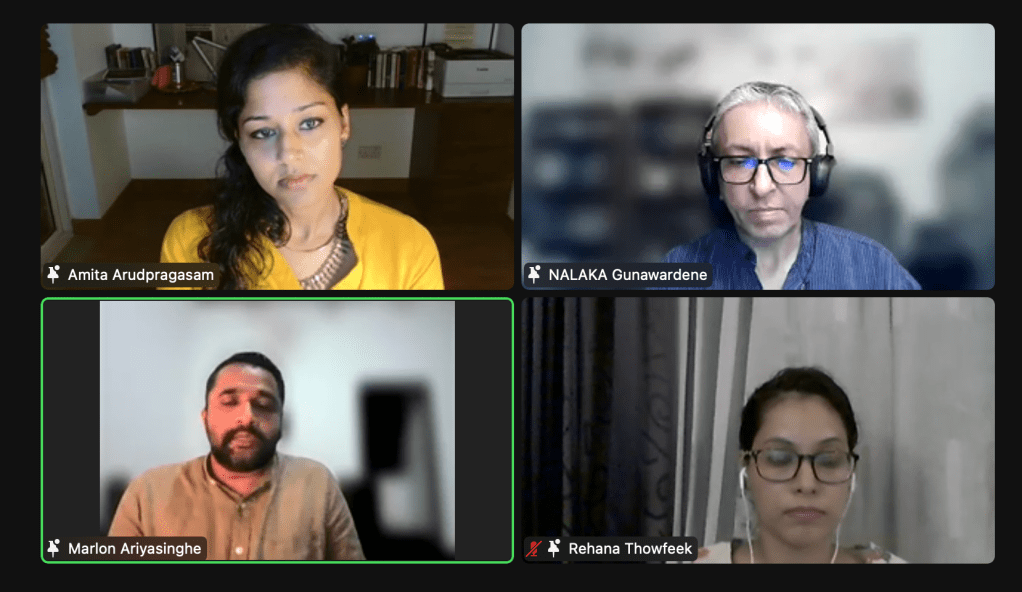
We cannot be at peace when our neighbours suffer. The main discussants on Sri Lanka’s ongoing crisis were not the ‘usual suspects’. A cautionary tale: Lessons from Sri Lanka’s cascading, multiple crises – report by Pragya Narang on a complicated issue with lessons for Southasian nations.
A teach-in on Sri Lanka’s ongoing crisis, with eminent thought leaders Amita Arudpragasam, Nalaka Gunawardene, Marlon Ariyasinghe, Rehana Thowfeek.
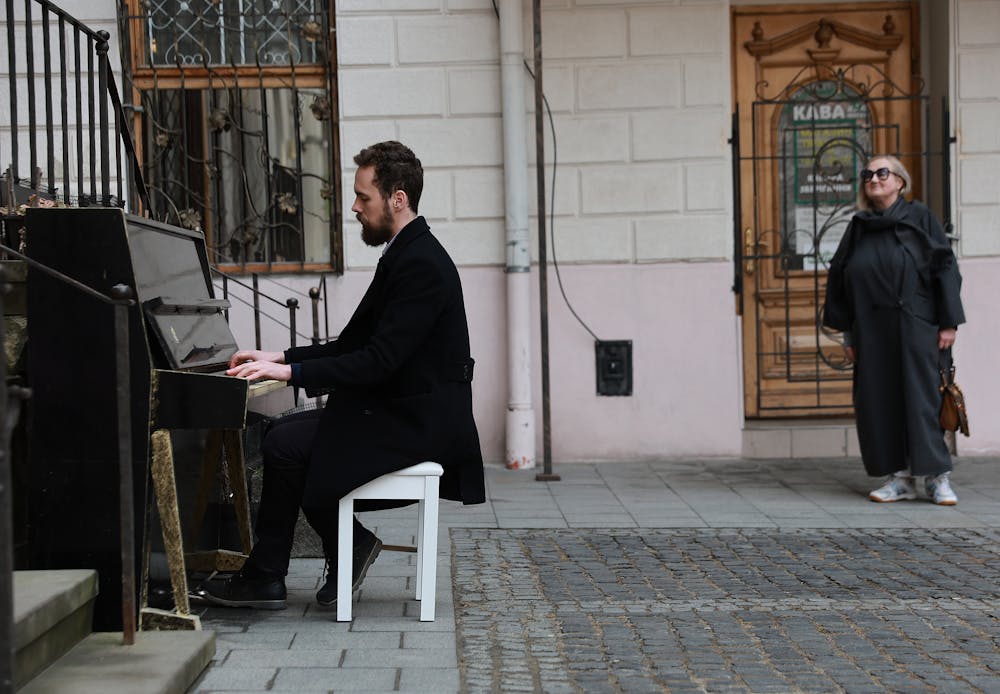
The “piano man,” a war refugee, became one of the symbols of resistance emerging from conflict. Photo by Joe Raedle/Getty Images, Lviv, Ukraine, March 29, 2022.
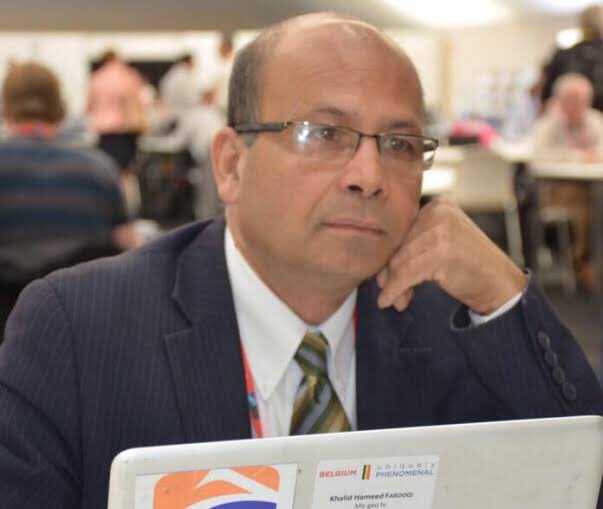
Two wonderful colleagues and friends departed this world rather suddenly within days of each other last month, leaving behind multitudes to mourn their loss — and celebrate their lives: Khalid Hameed Farooqui, Geo News correspondent in Brussels, 7 May, and Editor The News Talat Aslam, 25 May. We honoured both at the In Memoriam section of the Southasia Peace or Sapan event on the last Sunday of May, along with others.
Khalid Hameed Farooqui: A lifetime of politics, journalism, and activism in Europe and Pakistan.
Talat Aslam: His tweets @Titojourno gathered a fan following for his posts on politics, food, film, music and nocturnal wanderings in Karachi.
The tribute to Khalid by European Commission chief spokesperson Eric Mamer in a press briefing shortly after Khalid’s passing speaks for the respect he inspired amongst colleagues and political figures:
Tribute given to Geo’s senior correspondent Khalid Hameed Farooqui – who passed away last weekend – by European Commission. What brilliant praise. pic.twitter.com/xFZRZ3yDNX
Friend Saifullah Saify in Amsterdam organised a wonderful online tribute for Khalid, with tributes from personalities like Farhatullah Babar, and journalists Hamid Mir, Asma Shirazi, Munizae Jahangir, Amber Rahim Shamsi, Murtaza Solangi, Mazhar Abbas, Raza Rumi, Nazir Leghari – see video clips at this playlist on his YouTube channel.
Sharing below my piece on Tito, as friends and family called Talat, one of three articles carried by The News on Sunday in a full page tribute. The two other remembrances, by colleagues Zia ur Rehman and Gulraiz Khan, are online here. My piece includes a couple of my illustrations for Tito’s columns in The Star 1986-88.
: Remembering two gems, stellar journalists and old friendsContinue reading →
Wonderful discussions at a brainstorming meeting some of us got together for. Thanks to Mandira Nayar – granddaughter of the late, great Kuldip Nayar for putting this statement together.
Press statement, March 28, 2021:
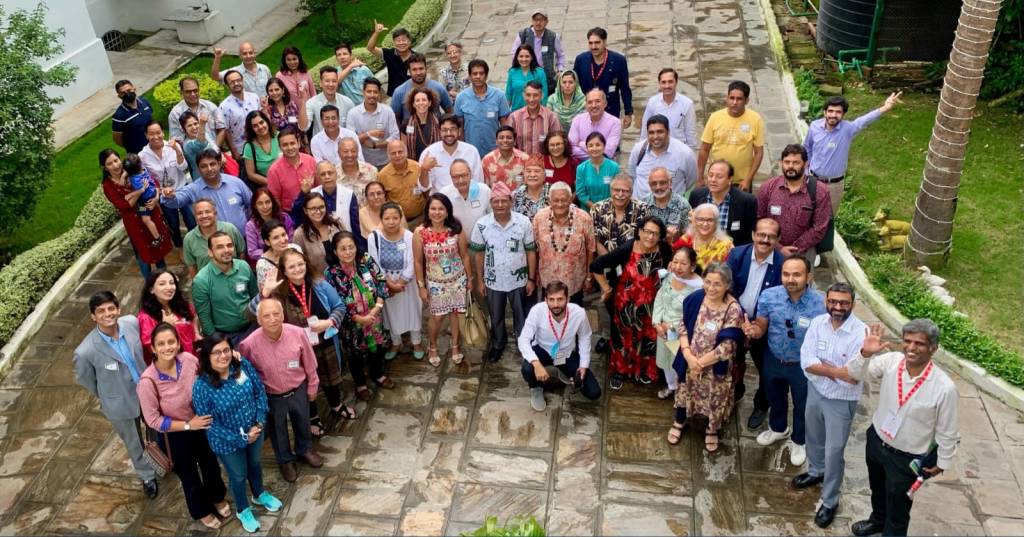
India and Pakistan peace activists across time zones came together for a virtual brainstorming session on March 28, inspired by the work of giants like Dr Mubashir Hasan, Asma Jahangir, Kuldip Nayar and Nikhil Chakravartty and others. On the agenda was the way forward for the movement, how to invigorate it by involving more allies, younger people and expatriates.
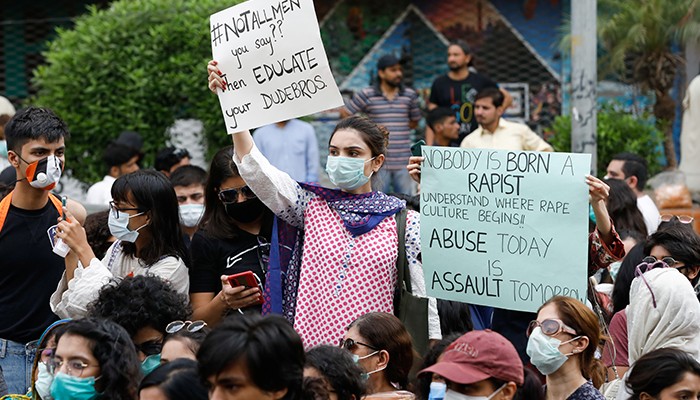
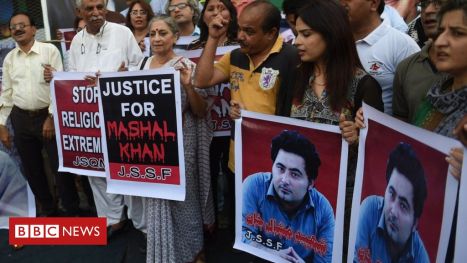
Protest in Karachi over the ‘motorway gang rape’ incident. 12 September 2020. Reuters photo.
I haven’t updated this site for a while, caught up with teaching two journalism courses at Emerson College this semester – prepping for the courses, training for the unprecedented online situation, then assignment-setting, student feedback, grading – it’s been hard to do much else. But when Mehr Mustafa at The News on Sunday asked me to contribute to their special report on rape culture, I couldn’t refuse. Was up till 3 am to meet the deadline for the piece – The outrage culture masks a landscape of pervasive abuse (TNS Special Report, 27 September 2020).
They asked me to define ‘rape culture’ as a lens to view the issue as a social/political construct rather than individual/isolated events, and to address the systematic nature of sexual violence. That rang some bells. Among the things it got me thinking about was systemic oppression – visible in the racial injustice in the USA highlighted over recent months. I revisited the piece I did last year, Moving towards a cycle of healing, focusing on the need for preventive rather than reactive measures and the concept of restorative rather than retributive justice (thanks Anita Wadhwa and Dina Kraft for expanding on my understanding of this). And just found my 2012 post: We must move beyond outrage against selected rape cases.
Last Sunday some physician friends in the Boston area invited me to help them organise a rally under the banner White Coats for Black Lives. These rallies began last Friday with synchronised standouts taking place at hospitals and medical institutions around the United States. This may be the first one taking place at a public venue.
Dr M. Sarwar, Jan 2007. Photo: Anwar Sen Roy
I found it exciting that Pakistani and Indian physicians are joining hands for a common cause, across the political divide. I’m glad to have been able to help them and glad to see doctors becoming politically active.Remembering my father Dr M. Sarwar who believed so passionately in equality and social justice. He not only wouldn’t charge workers, artists and journalists but also gave them medicines for free. He would have approved ❤️
The event has generated a lot of support (see list of endorsing organisations below).
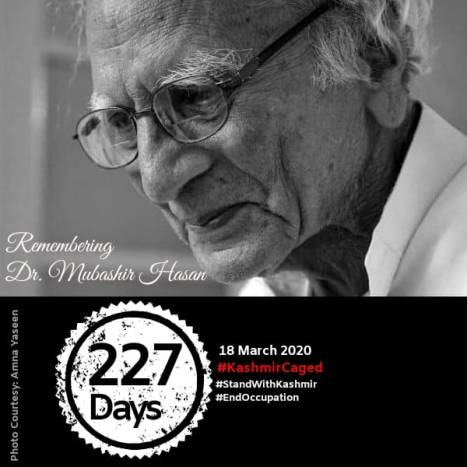
In the midst of coronavirus madness, March 14 brought the sad news of Dr Mubashir Hasan’s passing. Wrote this piece published in The Wire a few days back. Reproduced here with additional pix and links.
Pakistan-India People’s Forum for Peace and Democracy, a legacy of Dr Mubashir Hasan, continues to speak out for Kashmir.
I wrote this piece a few days back – the second of my occasional syndicated columns. Published in The Wire, Naya Daur, Mainstream, The Citizen among others.
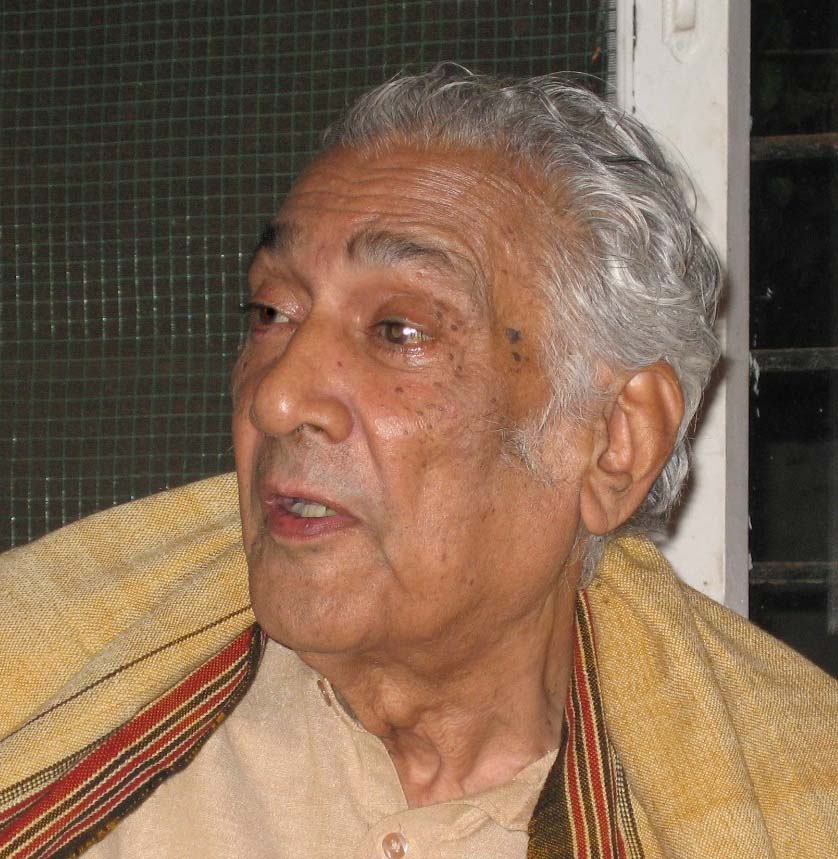
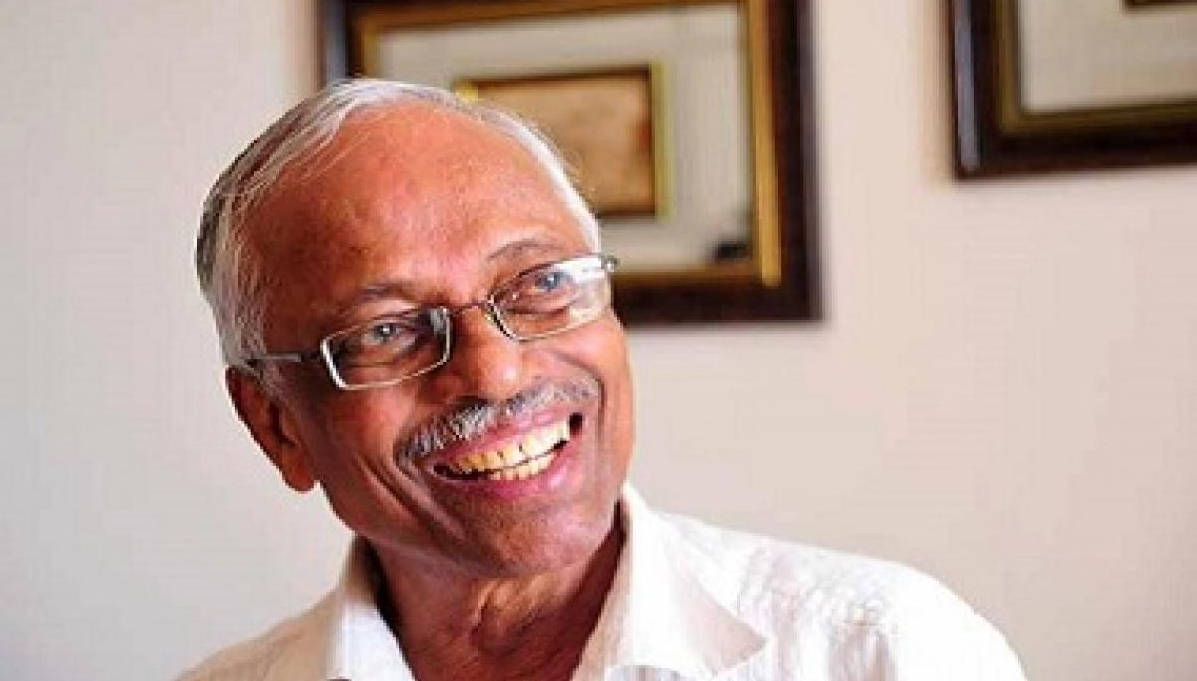
Early Sunday morning in Karachi, a little over a month after his 89th birthday on 18 July 2019, B. M. Kutty slipped into the ever after. Lifelong activist, trade unionist, political worker, peacemonger, humanist. I like to remember him as I last saw him in Karachi – his big smile, deep voice with its powerful timbre, intense gaze behind the glasses, dapper as usual in bush-shirt and trousers.








 Journeys to democracy