It’s been a while since I posted anything to my blog or Substack. Been juggling a lot, plus working on a piece I began writing some days after attending the South Asia Literature and Arts (SALA) festival in the Bay Area a couple of weeks ago. While that percolates, I want to share three related stories — about the ‘let her fly’ concept from a wonderful book, girl gymnasts from an underprivileged area of Karachi, and how a little girl’s question helped change the gender balance in the Pakistan Air Force.
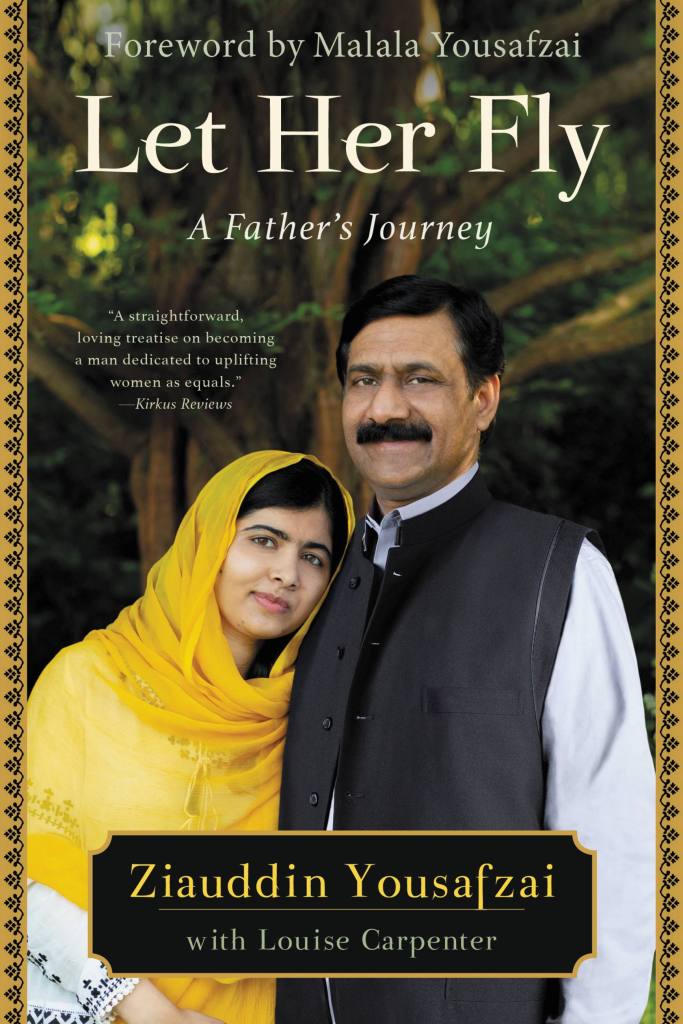
The educationist Ziauddin Yousafzai’s book ‘Let her Fly’ about his journey, which includes his famous daughter Malala — is, in my view, a must-read for anyone interested in education, gender rights, and bridge-building. One of the lessons in it is about how persisting with your own vision and holding on to your authentic self without aggression towards those who don’t agree with you or even those who attack you – something we try to embody at Southasia Peace and our syndicated features service Global Southasia.
It’s a book I’ve assigned my journalism students at Emerson, and last semester at IBA Karachi, since I first heard about it in 2018, when I heard Ziauddin Yousafzai speak at a class at Harvard that the professor kindly allowed me to sit in on.
Filed under: Art and activism, Education, Gender, Human rights, Pakistan | Tagged: Activism, democracy, Human rights, Pakistan, philosophy, poetry, Politics, Religion, writing | Leave a comment »