Fact-checking starts with self-accountability

The recent disbanding of Facebook and Instagram’s third-party factchecking programme has raised fears about the kind of news and information that will shape public discourse. Whatever facts or non-facts get pushed out, it is up to us, citizens who are news producers and consumers through our social media apps, to be the change. The Social and Digital Media Ethics Code and Pledge, an initiative by Sapan News, is a step in this direction.

By Beena Sarwar / Sapan News

Mark Zuckerberg’s Meta disbanding of Facebook and Instagram’s third-party factchecking programme, following the lead of Elon Musk’s X, formerly Twitter, may well lead to strengthening a public narrative that further undermines values of humanity, inclusivity and democracy.  

This makes it all the more important for those of us who strive to uphold these principles and who value facts over opinion, to buckle down and do what we can to “hold the line,” to use the words of Filipina journalist Maria Ressa.

That is why we at Sapan News last year initiated a Social and Digital Media Ethics and Responsibility Pledge, which provides guidelines with resources to help social media and digital media users enhance their credibility. Endorse here

Continue reading

Hello, and updates from Sapan News and Southasia Peace Action Network

Seasons greetings despite the sadness, and excerpts from a Sapan Alliance newsletter sent out a few days ago on Substack

Joy is also a form of defiance. Dancers: A greeting card I made some years ago (pastel and water colour), repurposed for Southasiapeace.com and Sapannews.com.

In times that can feel dark and dismal, some good news and exciting updates.

Meet Sapan News — a unique media outlet that aims to cover and connect Southasia, the Indian Ocean and diaspora. That goes behind the headlines, connects communities, academics, activists, and more. Creating space for understanding, empathy and nuance.

  • In November, Sapan News qualified for NewsMatch, a philanthropic fund helping nonprofit newsrooms like ours in the U.S. Contributions made by year-end will get matched up to $15,000. Gratitude to our community that has stepped up to meet this challenge.
  • Those wanting to chip in are welcome – here’s the donate link for tax-deductible contributions.
  • A 100 new donors will secure a $1,000 bonus, and monthly donations initiated this month will get matched x12!

Thank you for your support. It means so much – and together, we are stronger.

Collaborations: Hello, Central Desi!

Sapan News is proud to partner with Central Desia dynamic news portal that started as a newsletter to cover all things ‘desi’ (Southasian) in New Jersey. Kudos to journalist Ambreen Ali for growing her passion project into a news org that won a major grant, enabling them to hire reporting fellows. Sapan News has much to learn from this initiative.

Continue reading

A Bollywood lyricist’s daughter in Pakistan and other stories

Some steps in a journey sparked by India and Pakistan’s nuclear tests in 1998

Screenshot from Sapan News site, designed by Aekta Kapoor.

Inspired by email updates from Isa Daudpota and Harsh Kapoor of South Asia Citizen’s Wire (SACW) after India and Pakistan tested nuclear weapons, I too had begun a bcc email list. This developed into my beena-issues Yahoo-group in 1998 but I had begun to post more irregularly after 2009 when I started a WordPress blog, Journeys to Democracy. Yahoo shut down its Groups platform a couple of years ago.

Now, as I work on developing a new media entity, Sapan News Network syndicated features which emerged from Sapan, the Southasia Peace Action Network (thanks to Aekta Kapoor for the beautiful website), SubStack seems like a good place to revive something like the Yahoo-group community feel. But then there’s also Medium where I have over 2.4K subscribers. All very confusing. Welcome feedback and suggestions.

Continue reading

India-Pakistan @ 75 and graphic images from Ukraine: Two articles and some context

Sharing two recent pieces, this time not part of the Sapan News Network syndicate. One commissioned by The Wire, and the by The Conversation.

Below – some context and what the editors wanted.

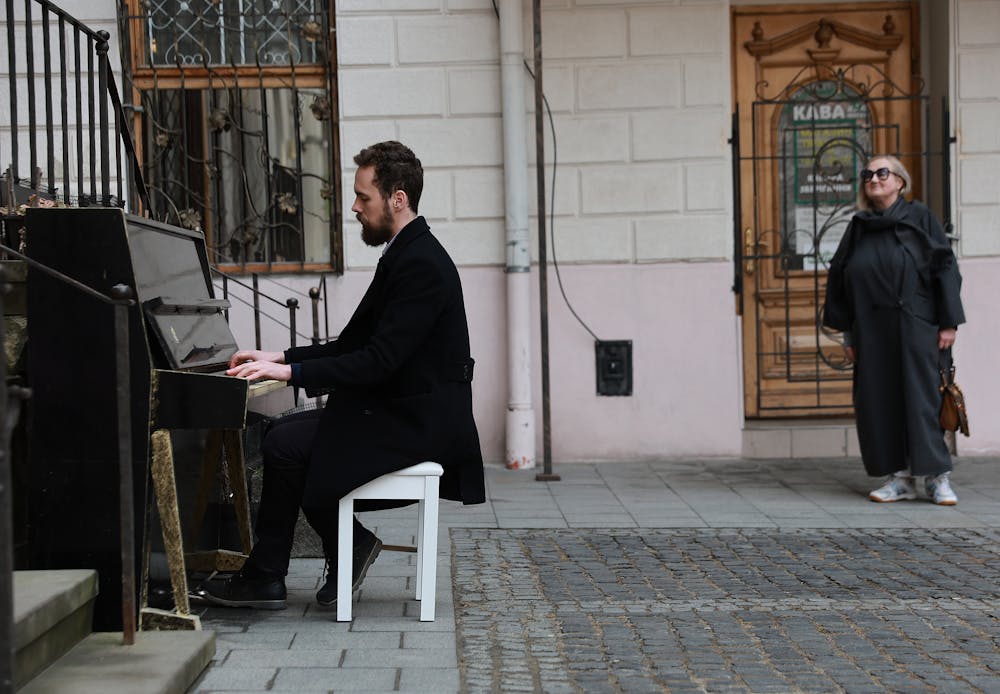
The “piano man,” a war refugee, became one of the symbols of resistance emerging from conflict. Photo by Joe Raedle/Getty Images, Lviv, Ukraine, March 29, 2022.
Continue reading

As journalists around the world face growing threats, President Biden must lead by example

An oped that my fellow professor of journalism James McManus at Emerson College and I co-wrote recently, published in The Wire:

As the newly-sworn in United States President Joseph Biden begins his tenure, he has a lot of salvaging to do from the wreckage left by his predecessor.

Representational image. Illustration: Wikimedia Commons

One of the more disturbing messages arising out of the attack by violent pro-Trump insurrectionists at the US Capitol on January 6 involved frightening threats to a free press. Scrawled on a door at the building were the words: “Murder the Media.”

That pithy, vile phrase represented the raw culmination of five years of rhetorical attacks by Donald Trump and his political allies against critical media coverage.

Read the rest of the oped here: Why Restoring Press Freedom Globally Should Take Precedence on Biden’s Priority List

MSR’s ongoing incarceration: “There still remain journalists in this country determined to hold their ground”

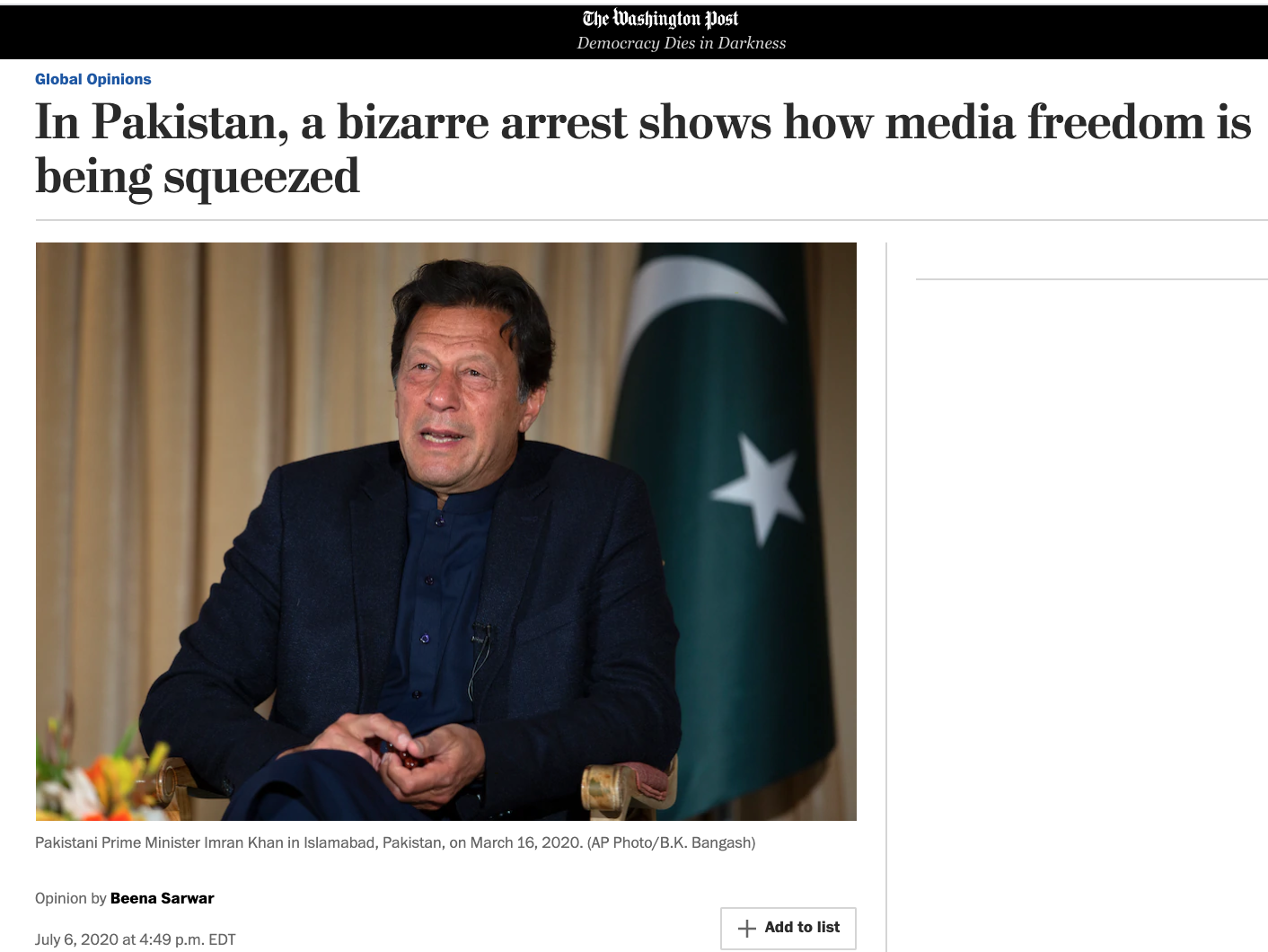
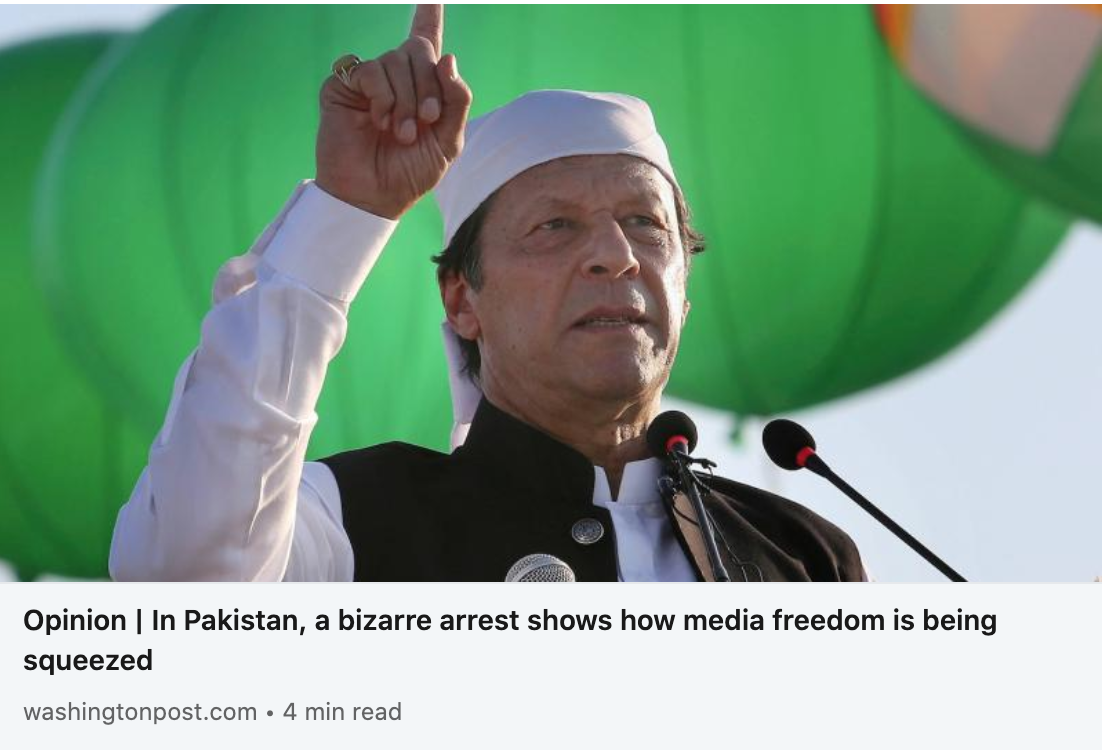
The March 12 arrest of Mir Shakilur Rahman sent shockwaves through journalist and human rights communities, Here’s a link to my piece about this issue in The Washington Post today: In Pakistan, a bizarre arrest shows how media freedom is being squeezed.

But even if he is granted bail now – after over 100 days of being denied his liberty and that too at a time of Covid — this will be a minor victory  achieved at a huge cost, not only for Rahman, but also for media freedom and democracy in Pakistan.

Continue reading

“The biggest win is to survive without becoming vindictive and not become that which we are fighting”

— Jailed chief editor’s son after accountability court in Pakistan again extends father’s physical remand

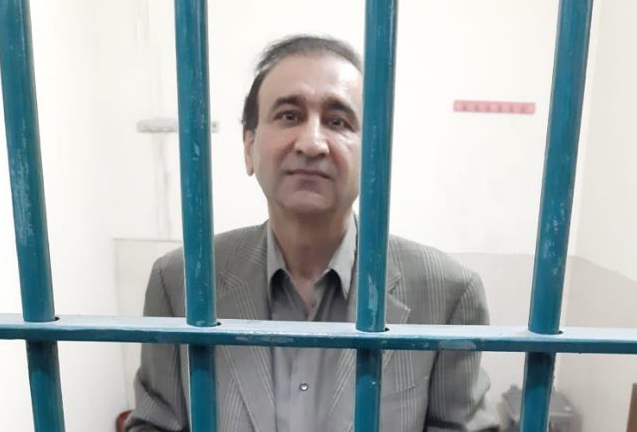
Photo leaked from NAB cell after MSR’s arrest March 12.

“Today was disappointing for us all…. But let me tell you why I am still standing. Because our Mir Shakil ur Rahman is”,  wrote Mir Ibrahim Rahman in a note to a WhatsApp group of Geo TV reporters Saturday after an accountability court again extended the physical remand of his father, Mir Shakil-ur-Rahman, Editor-in-Chief Jang/Geo Media Group, for another 10 days.

Continue reading

Shutting down online #fakenews factories

hitler-wa-e1547852735707.jpg

Got this email and image from Avaaz, subject line, “We’ve been hijacked”, that feels too important not to share.  Here’s my biggest takeaway from it:

During Brazil’s election, Avaaz ran an experiment — just six people were given basic training to investigate the propaganda networks, and they shut down online fake news factories that reached *16 million* people. Imagine what ten times as many could do!

Continue reading

Two conferences and a paper

covering an event with a video camera

File photo, courtesy European Broadcasting Union, alliance of alliance of public service media 

Two conferences this past weekend reminded me of a media conference in Warsaw, Poland, that I attended earlier this year. The Nieman 80th Reunion at Harvard featured intense and thought-provoking discussions on journalism, democracy, human rights, and peace — topics that the Asma Jahangir Conference in Lahore took forward as well while honouring the work and legacy of a great human rights defender. More on both later. Below, the paper I presented at the Warsaw conference. My take on the topic they gave me, Digital and traditional media – conflict or complementarity?, ties in with the conferences this weekend.  I’m also sharing my report about the Poland conference, Journalists at Media Conference vow to uphold journalistic values, ethics, which references the Conference declaration about journalistic ethics and values and challenges arising from violence, threats, commercial pressures and false information.  Continue reading

My take on Pakistan’s elections: Change, like democracy, is a process, not an event

AamirLiaquat-ImranKhan-Dawn

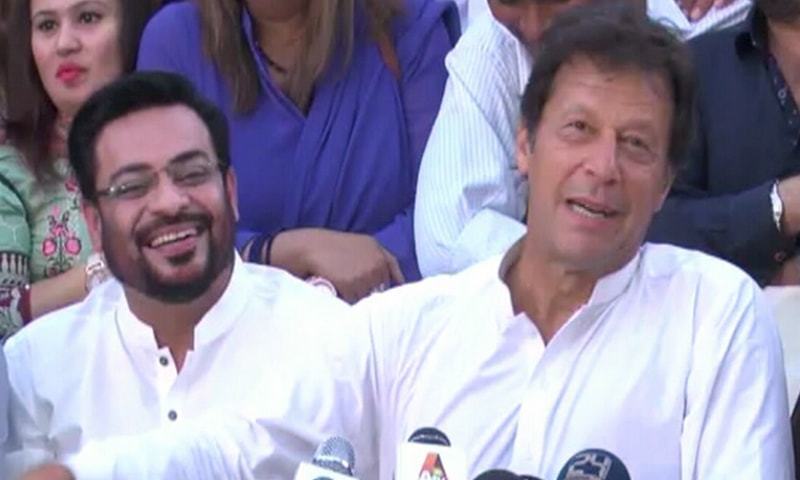
In March this year, Pakistan Tehreek-i-Insaf (PTI) Chairman Imran Khan welcomed Aamir Liaquat Hussain into his political party. Aamir Liaquat will now represent NA-245 Karachi-I East-IV in the National Assembly. Naya Pakistan?

Below, something I wrote for The Print, published 31 July 2018 under the title Those who vote for Imran Khan or Narendra Modi shouldn’t be dismissed as bigots or sexist. I began writing it last week but was too caught up in my nephew’s wedding festivities to complete it earlier. But the break was helpful in gaining a better perspective. Some of my conversations with other wedding guests who are staunch PTI supporters (and there were many) inform this piece on why Pakistan should learn a lesson from what not to do from USA and India, and why dismissing those who vote for Imran Khan or Narendra Modi (or Trump) as bigots or sexist avoids the real issues – something Ayesha Siddiqa takes up in her excellent piece, in The Wire, Pakistan’s Middle Class Awaits a Miracle. The only point I’d add to her article is that Imran Khan’s support comes not just from the youth but also plenty of middle-aged aunties and uncles who gained political consciousness during the Musharraf ‘benign dictator’ years. My unedited Print piece below with a couple of videos from my Al Jazeera interviews ahead of elections, and a post-election podcast in Himal Southasian

https://w.soundcloud.com/player/?url=https%3A//api.soundcloud.com/tracks/477025080&color=%23ff5500&auto_play=false&hide_related=false&show_comments=true&show_user=true&show_reposts=false&show_teaser=true&visual=true

Beena Sarwar

As dust from Pakistan’s general elections settles, this is a good time to look at the bigger picture and take stock of what has happened and what is likely to happen. It is also time to re-assert that democracy is messy business, that it is a process, not an event, and that controlled democracy, while not quite democracy, is better than dictatorship. In short, it’s complicated.

Despite the surface optics, this may well be the best of times for Pakistan. A time of despair, but also uplifting. The country is moving in the right direction politically, but the process is marred by interference from within and outside its borders.

Noteworthy within the larger picture is that Pakistan has recently completed an important cycle in the democratic political process: the peaceful transition of power from one elected government that completed its tenure, to the next — only the second time in the country’s history that this has happened.

The first time was when the government elected in 2008 (the late Benazir Bhutto’s Pakistan People’s Party, PPP) handed over power to the next elected government in 2013 (Nawaz Sharif’s Pakistan Muslim League-Nawaz, PML-N). Both governments completed their tenures despite noisy, distracting opposition often seen to have military support.

Now, the PML-N is handing over power to cricket legend Imran Khan’s Pakistan Tehreek-e-Insaf (“movement for justice”, PTI). Most political parties have rejected the election results but hopefully they will stay in the system. As Benazir Bhutto once said, “Boycott, and then what?”

There are many factors behind the election – or “selection” — results.

Firstly, there is Imran Khan’s charisma coupled with his emotive rhetoric that appeals to many who came to political consciousness during Gen. Pervez Musharraf’s military dictatorship (1999-2008). They include youth as well as adults who initially supported the “liberal” dictator seen as symbolising a change in ideology from his predecessor Gen. Ziaul Haq’s oppressive rule (1977-1988).

Coupled with this is disillusionment with the old political parties – “desperation” as one PTI supporter put it. PTI’s slogan “Tabdeeli” (change) and its anti-corruption rhetoric speaks to the desire for change among such people.

These factors together could well have made PTI to be the election frontrunner in any case. But the process was not allowed to take place on its own. Various other elements pushed the PTI past the finish line further and faster than it may have reached on its own.

These include massive, unprecedented censorship in the run up to the 2018 elections that helped forge a narrative loaded in favour of PTI. Journalists, particularly in the broadcast media, were forced to not only virtually black out PPP and PML-N, but also mention their leadership only in a negative light. Of course, the dominant narrative does not determine how people vote – party loyalists will vote for their party regardless — but it certainly can influence the undecided voter or one who is on the fence.

Additionally, the judiciary was deployed to disqualify candidates belonging to these parties. Further, candidates (especially from PML-N) were threatened, coerced or blackmailed into giving up their party tickets at the eleventh hour and either withdrawing from the race or contesting as independents.

Perhaps the most significant factor behind the electoral results is the lack of electoral transparency and post-polling manipulations. Polling agents in dozens of stations were not allowed to be present for the vote counting. Many also complained of not being provided copies of Form 45, a document containing data about each candidate, names as well as how many votes they received, to be signed by Returning Officers and polling staff after the vote count.

Results for some constituencies came in an unprecedented 72 hours after polling ended, causing further suspicions about this most “rigg-orous” election process as the columnist Nadeem Farooq Paracha sarcastically termed it.

Significantly, all the parties except for PTI have complained of these manipulations and irregularities. Imran Khan has magnanimously promised to look into all electoral complaints. Not a word about the censorship and other pre-poll manipulations.

But whatever the factors behind PTI’s electoral win, Pakistan must ride this wave. There are positives to focus on and strengthen, for example, the clear desire for change among the people – beyond the superficial “tabdeeli” promised by PTI. These aspirations have led to the emergence of some promising electoral candidates, including women and representatives of religious communities other than Muslim. Some have won provincial and national assembly seats against daunting odds. Others, even if like the lawyer Jibran Nasir in Karachi did not win, continue to challenge the dominant narrative, raising important questions about identity, inclusion and pluralism.

It is in fact such real changes taking place on the ground that are so threatening to the establishment and the politico-religious forces. Citizens are no longer satisfied with treading the path they are expected to follow because of where they were born and into which community. A groundswell of growing awareness about basic rights and human dignity is leading more and more individuals to reject the old order and to cross or aspire to cross socio-economic, class, caste and gender barriers.

This is the real “tabdeeli” that is taking place, regardless of Imran Khan’s rhetoric. Changes on the ground will continue to challenge the status quo in ways that only make news when there is violence.
germany-g20-summit_66ff54e0-a521-11e7-84eb-85ab3d3e2a90

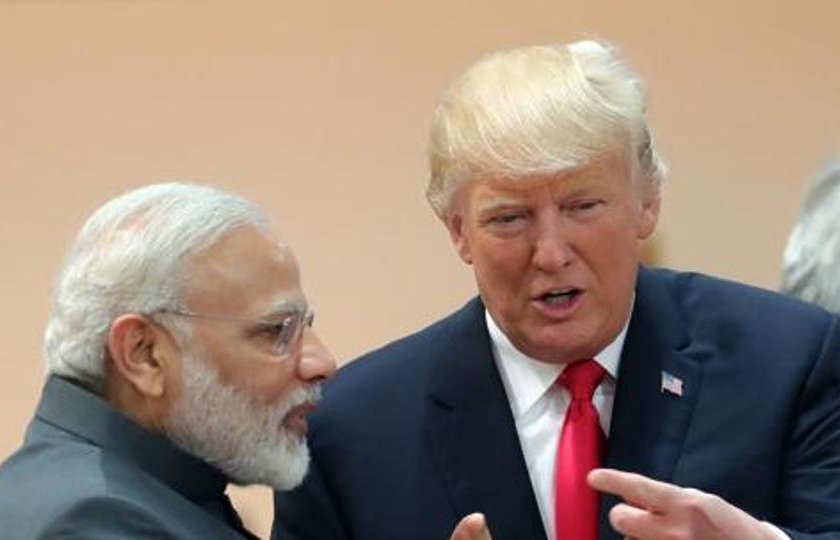
Indian PM Modi and US President Trump: elected leaders riding the waves of fear of change, much like Imran Khan. File photo.

As Pakistan braces for the next phase in its polity, there are lessons to be learnt from countries like India and USA where fear of change has led to the emergence of similar ‘strongman’ leadership.

Those who voted for Narendra Modi or Donald Trump are not all bigots, misogynists or racists. Many are just ordinary people desperate for “better days” and to make their country “great again”. This is not too dissimilar from Imran Khan’s supporters seeking “change”.

Change, like democracy, is a process, not an event. And so we continue to march along that road.

(ends)