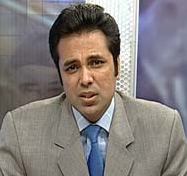
PPP Parliamentarian Sherry Rehman’s proposed AMENDMENTS TO THE BLASPHEMY LAWS ACT 2010 – posted by Marvi Sirmed at her blog
Filed under: Blasphemy Laws | Tagged: amendments, blasphemy laws, marvi sirmed, Pakistan, Sherry Rehman | 1 Comment »
Filed under: Blasphemy Laws | Tagged: amendments, blasphemy laws, marvi sirmed, Pakistan, Sherry Rehman | 1 Comment »
PRESS RELEASE
Communist Party of Pakistan strongly condemns the audacious targeted killing of Comrade Latifullah Khan, member CPP in village Gandigar, District Dir, Pukhtoonkhwa province.
Since the start of Taliban and fanatics insurgency in Khyber Pukhtoonkhwa (ex. NWFP) province, a planned holocaust of the enlightened and educated people is underway. The sheer oblivion of the state intentionally keeps this area backward in education and development of infrastructure, which has contributed to the rise in Islamic fanaticism and jingoism (once sponsored by the state of Pakistan through its international donors from Saudi Arabia and USA and allied countries).
The insurgency of Taliban in the region since last year has destroyed over 1,100 schools and educational institutions in the area; school teachers and school going children are mercilessly targeted and killed in a large number on a daily basis. Continue reading
Filed under: Pakistan northern areas | Tagged: communist party pakistan, Comrade Latifullah Khan, cpp, Dir, intellecticide, murder, Taliban | 7 Comments »
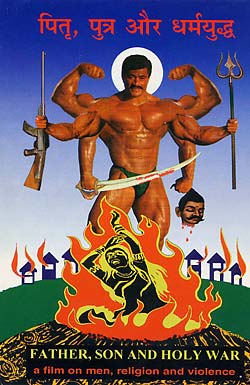 SHEFFIELD DOC/FEST AUDIENCE AWARD WINNER ANNOUNCED
The results of the Sheffield Doc/Fest Audience Award were announced on Monday 8 November and we have two winners, following a tie! The Sheffield Doc/Fest Audience Award is a highly respected award, the winners of which are chosen by the delegates and public who attend the film screenings at Doc/Fest.
The winning films of the 2010 award are Father, Son and the Holy War by Anand Patwardhan and Scenes from a Teenage Killing by Morgan Matthews.
Doc/Fest’s Film Programmer Hussain Currimbhoy comments of the winning films: “Both films are about violence in society and their ties to masculinity so I can’t think of a more relevant set of films to be giving our prize to at this particular moment in time.”
When the directors were informed and were delighted. Anand Patwardhan (Father, Son and Holy War) said of result: “Just heard this fantastic news! Never imagined that people would even bother to vote for an old film from the retro section, let alone vote the way they have. A big thank you to the good people of Sheffield and all the new and old friends of the festival. onwards and into the summer…!” Continue reading
Filed under: Gender | Tagged: Anand Patwardhan, documentary, Father Son and Holy War, Hussain Currimbhoy, masculinity, Morgan Matthews, Scenes From a Teenage Killing, Sheffield Doc Fest | 2 Comments »
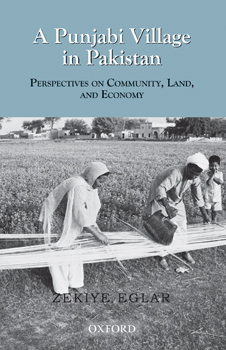 Thrilled to receive my copy of A Punjabi Village in Pakistan – Perspectives on Community, Land, and Economy by Zekiye Eglar, for which I wrote the Introduction, Conclusion, and Bio-note about Eglar, a Russian-Turkish anthropologist, protegee of Margaret Mead at Columbia University. Eglar provides a fascinating account of village life in Punjab, Pakistan, in the late 1940s and early 1950s, when she lived in Mohla, a village not far from Gujranwala.
The OUP publication has compiled her out-of-print award-winning book (A Punjabi Village in Pakistan, Columbia University Press 1960) and its until-now unpublished sequel, (The Economic Life of a Punjabi Village), from a manuscript that Eglar’s friend and protege Fazal Chowdhry brought to the attention of Mary Catherine Bateson (prominent anthropologist, Mead’s daughter).
(I worked on the project for two years under Mary Catherine Bateson’s supervision, recommended to her by our mutual friend, the Iranian anthropologist Shahla Haeri).
From the OUP website: “This volume contains relevant insights into Pakistani society, particularly women, which are still pertinent today, as well as a more holistic and humanistic view of village life in South Asia. Eglar’s study is useful for precisely what she focused on—the patterns of ritual service and gift exchange which underlay every facet of life in a village.”
|
Filed under: Pakistan | Tagged: anthropology, early life pakistan, Gender, gift giving patterns, margaret mead, Pakistan, punjabi village, vartan bhanji, zekiye eglar | 1 Comment »

Not everyone was able to save their precious goats (AFP: Arif Ali)
The flood waters are receding but the needs of the flood refugees and survivors remains enormous. Blogger Farrukh Siddiqui summarises the main needs in this post How can We Help flood victims in Pakistan
Here’s another way to help them: donate a live breeding goat to help them re-start their lives in a sustainable way.
At least two organisations I know of are working on this novel idea: Pakistan Animal Welfare Society and Sadiqa Salahuddin’s Indus Resource Centre (IRC) which has a long history of working on education (especially of girls) in the Khairpur area of Sindh.
Continue reading
Filed under: Floods | Tagged: dadu, donate, floods, goats, IRC, Khairpur, livestock, Pakistan, paws, sadiqa salahuddin | 2 Comments »

Yes, we do have theatre in Pakistan. Sania Saeed in 'Mein Adakara Banoongi'. Many other listings at http://www.danka.com.pk/
My monthly column Personal Political in The News on Sunday (Political Economy section, as ‘Going beyond ‘nothing’ in Pakistan’) and in Hard News, New Delhi

Good music too: Zeb and Haniya. See their interview at http://bit.ly/zebhania
Oct 24, 2010 Personal Political
“There is nothing in Pakistan,” said the Indian playback singer with finality. “They have no auditoriums, no facilities, there is nothing there. Everything is here (in India).”
Another example of the misconceptions about Pakistan, I thought, waiting to respond. The playback singer, Abhijeet Bhattacharya, and I were participating in a talk show for NewsX TV in New Delhi. Participating from a hired studio in Karachi, I could hear, but not see, the others.
When I tried to reply to this comment, the Indians couldn’t hear me, although I could still hear them through my earpiece connected to a phone line. I was no longer on air. NewsX had booked a live uplink from Pakistan for 20 minutes, which was over. Symbolic? Continue reading
Filed under: Pakistan-India | Tagged: abhijeet bhattacharya, Activism, aman ki asha, danka, Gen. Zia, India, Pakistan, theatre | 5 Comments »
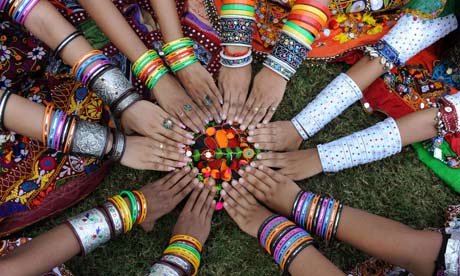
Indian dancers from the Rang Rasia Group traditionally touch their master's turban before the rehearsing Garba in Ahmedabad. Photograph: Sam Panthaky/AFP/Getty Images
My article in The Guardian recently prior to our talk at The Guardian Foundation:
“I’m really surprised to see so many women … I thought you would be all covered in burqas,” said a journalist at the Indian Women’s Press Club when the Pakistani contingent arrived last April on a visit organised by Aman ki Asha (a joint initiative for peace by the Times of India and Pakistan’s Jang media group). >
Filed under: Pakistan-India | Tagged: aman ki asha, India, Media, Pakistan, stereotypes | 6 Comments »
 Pakistan journalists tour of London October 9-17
Speakers:
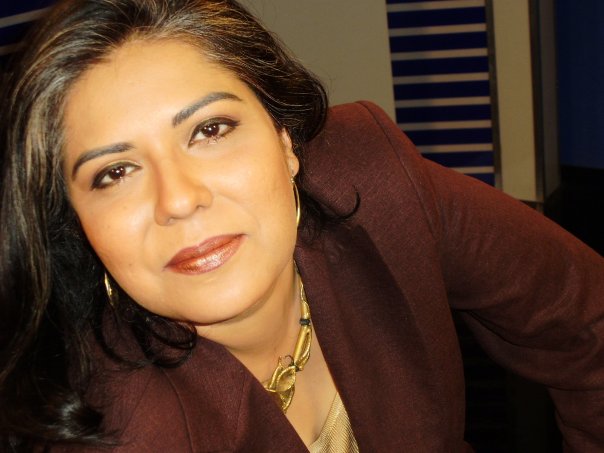
 Qatrina Hosain, Director, Current Affairs, Express News
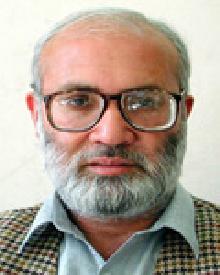
Rahimullah Yusufzai, Executive Editor, Peshawar, The News
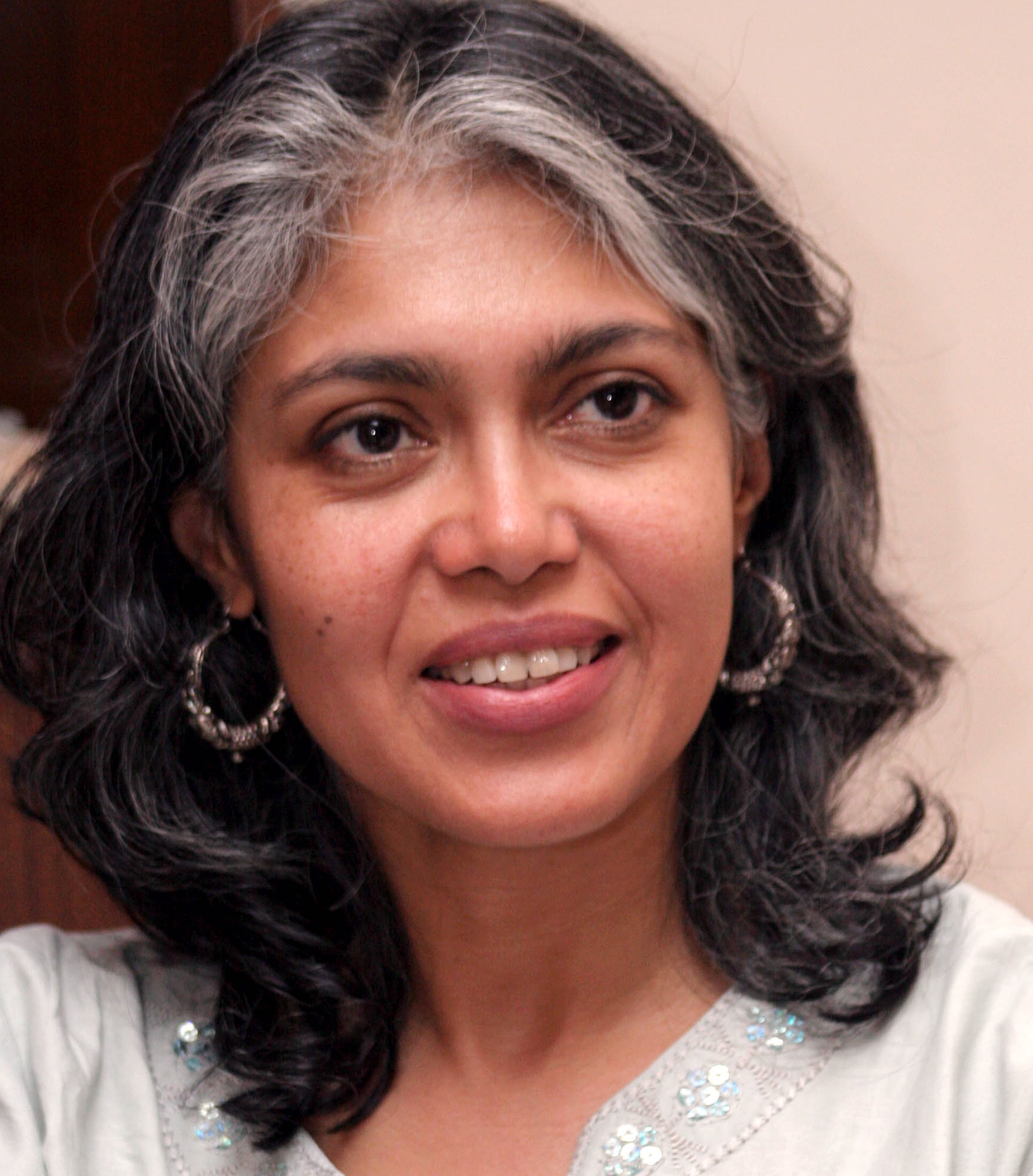
Beena Sarwar, Editor, Special Projects, Jang Group (Aman ki Asha)
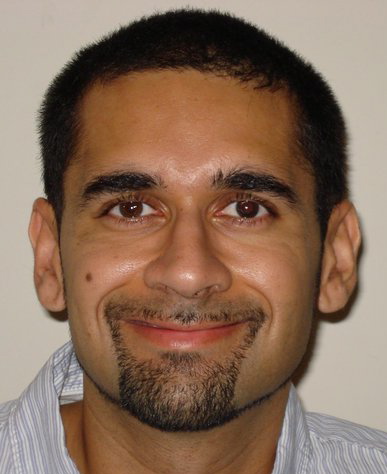 Mustafa Qadri, Journalist, The Guardian, Radio Australia, The Diplomat
Oct 11: Chatham House, 6-7 pm (NOTE: members only event)
Oct 13: SOAS, 6-8 pm (no registration required)
Oct 15: The Guardian, 7 pm
Oct 16: British Pakistan Foundation launch (TBC).
For inquiries, contact Mustafa Quadri <syed_mustafa_qadri@yahoo.com.au>. Details:
Filed under: Media | Tagged: mustafa quadri, pakistani journalists london tour, quatrina hosain, quatrina hussain, Rahimullah Yusufzai, talat hussain | 1 Comment »
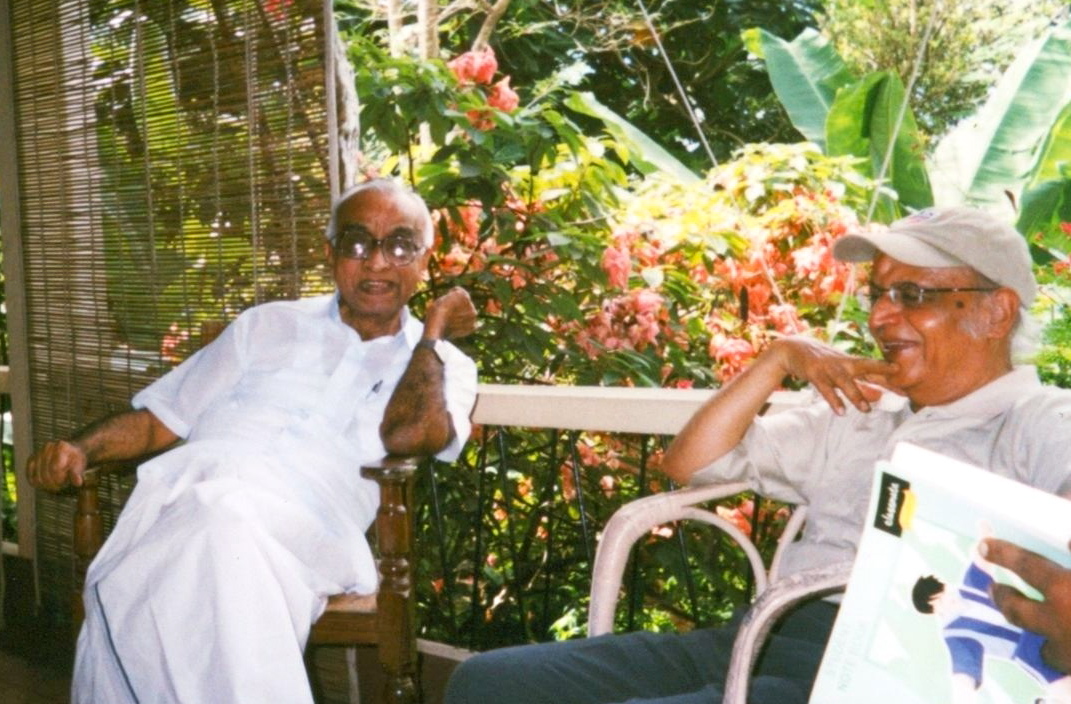
Prof. Raj and S.M. Naseem, Kerala, 2004
My article published in the Aman ki Asha page on Sept 23, 2010
From Kerala with love
An over three-decade long friendship between Pakistani and Indian economists leads to an unexpected offer of help for Pakistan’s flood victims
By Beena Sarwar
The visa and travel restrictions between India and Pakistan mean that Indians and Pakistanis who become friends often meet for the first time in a third country.
For economists S.M. Naseem, a Pakistani, and Prabhat Patnaik, an Indian, the third country was Thailand, 1978. They were both members of ILO’s Asian Regional Team for Employment (ARTEPP) in Bangkok, headed by Prof. K. N. Raj. Prof. Raj, who died last year in Kerala, was also known as the author of the Kerala Model, and founded the Centre of Development Studies in Trivandrum after heading the Delhi School of Economics (where his students included Prabhat Patnaik) and as serving as the Vice Chancellor of Delhi University.
Filed under: Pakistan-India | Tagged: floods, kerala aid pakistan, Prabhat Patnaik, prof k n raj, S. M. Naseem | 1 Comment »