Asma Jahangir Conference; Pakistan-India cross-border collaborative reporting; a cautionary tale from Sri Lanka; and a Bhutan peace initiative – Sapan News Network

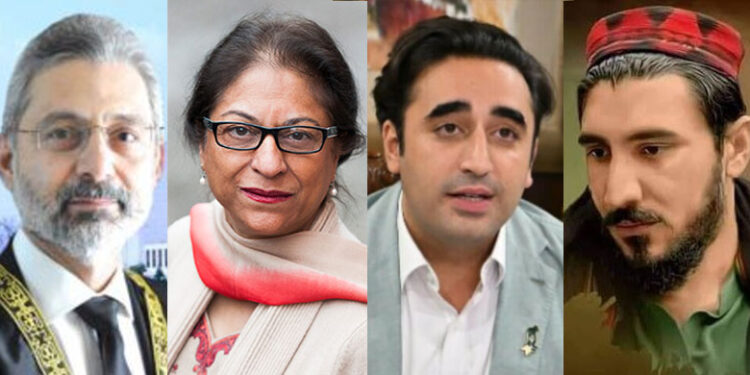
Justice Qazi Faez Isa, late Asma Jahangir, Bilawal Bhutto Zardari, Manzoor Pashteen: Collage by The Friday Times/Naya Daur

Sharing four recent offerings from Sapan News Network – the most recent one in full below, pegged on the Fourth Asma Jahangir Conference in Lahore, on the ‘ ‘Crisis of Constitutionalism in South Asia’, that I’m thrilled to have co-authored by aspiring young journalist Abdullah Zahid, published in The Friday Times/Naya Daur, South Asia Monitor and other media outlets. Plus three other recent syndicated features:

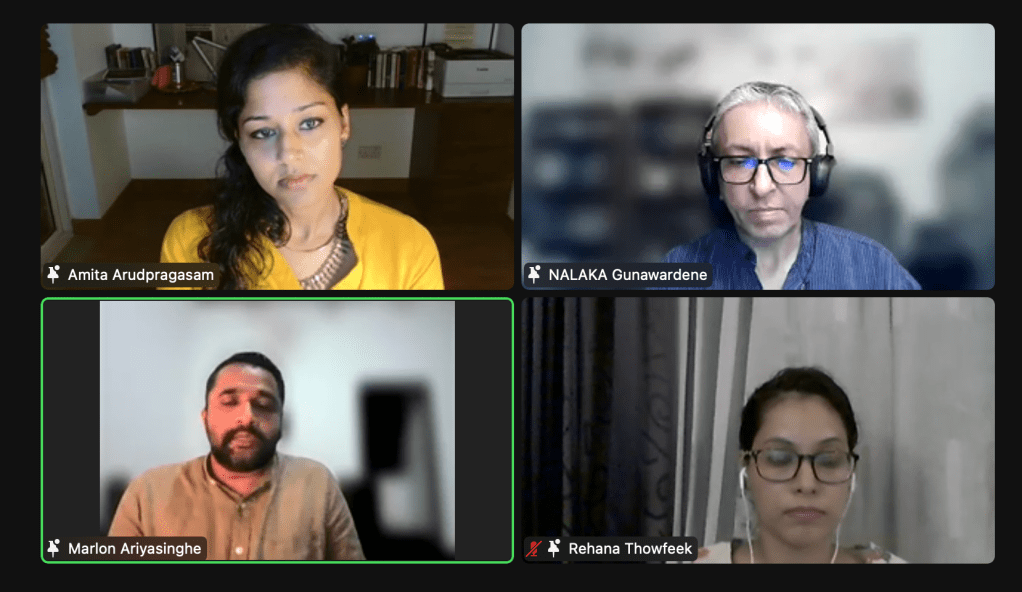
A teach-in on Sri Lanka’s ongoing crisis, with eminent thought leaders Amita Arudpragasam, Nalaka Gunawardene, Marlon Ariyasinghe, Rehana Thowfeek.
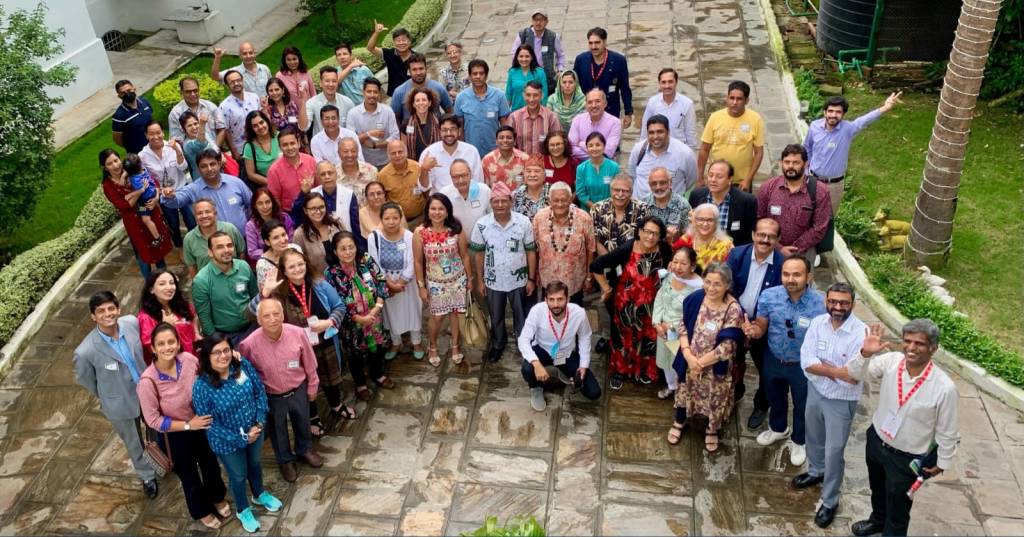
East-West Centre Fellows and alumni from India, Pakistan, Nepal and Sri Lanka converge in Kathmandu – Photo: courtesy Lubna J. Naqvi
Continue reading

India-Pakistan @ 75 and graphic images from Ukraine: Two articles and some context

Sharing two recent pieces, this time not part of the Sapan News Network syndicate. One commissioned by The Wire, and the by The Conversation.

Below – some context and what the editors wanted.

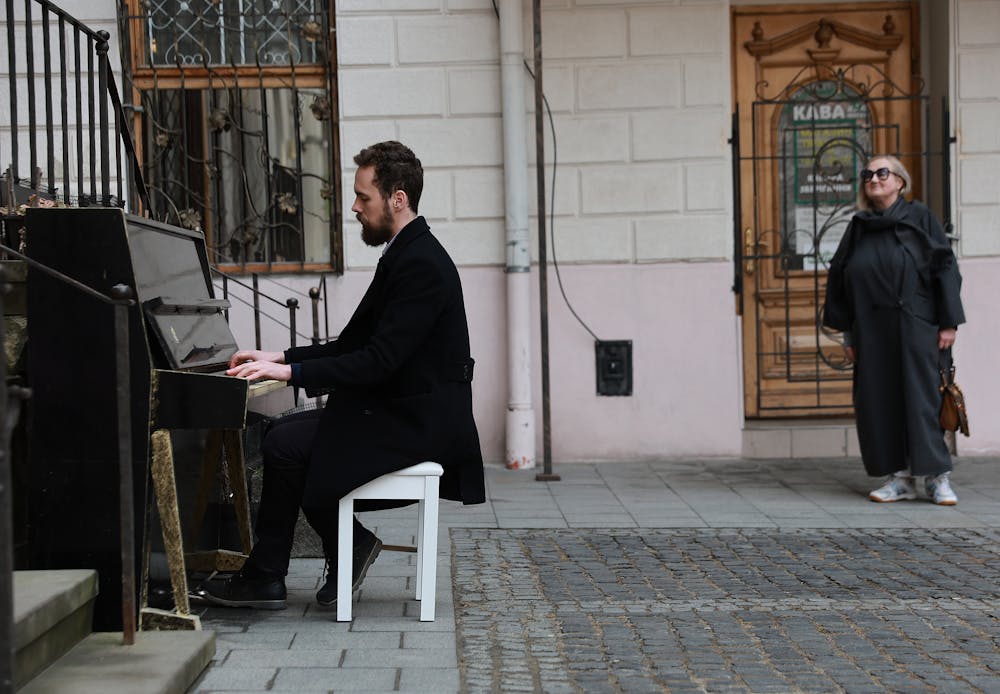
The “piano man,” a war refugee, became one of the symbols of resistance emerging from conflict. Photo by Joe Raedle/Getty Images, Lviv, Ukraine, March 29, 2022.
Continue reading

Need to promptly repatriate cross-border prisoners, especially if they die…

Over 30 organizations around Southasia and beyond have endorsed a joint statement about cross-border prisoners initiated and coordinated by Sapan, the Southasia Peace Action Network, calling for the humane treatment of cross-border prisoners and to decriminalise inadvertent illegal border crossings.

Titled ‘Release prisoners on completion of jail term, decriminalise inadvertent border crossings, especially for fisherfolk and minors‘, the statement draws attention to the death of two Indian fisherfolk in Pakistani custody this year, and the death of a Pakistani fisherman of Bengali origin in India’s custody last year.

All three had served their sentences but remained in custody on ‘the other side’. Compounding the tragedy, there are terrible delays in the repatriation of the bodies of such fisherfolk, notes the statement.

The statement also draws attention to some teenagers who remain incarcerated in juvenile centers in India, mostly without any contact with their families. One has already served his sentence but remains incarcerated. Details below – Statement text and endorsements:

Arrested fisherfolk in custody across the border, far from home, no consular access until after sentence is over, often kept in custody even after serving their sentences. File photo. Getty images
Continue reading

May Day and Eid greetings: Solidarity with workers around the world and Southasia

It was activist friend Kavita Srivastava in Jaipur who suggested focusing on ‘Labour Rights and Democracy’ for our April event ahead of May Day. Like all Sapan events since launch in March 2022 – the Southasia Peace Action Network – this was also on the last Sunday of the month.

As usual, we live-streamed the discussion on FB – video at this link. We truly appreciate all the ‘likes’, comments and shares that help ensure that our voices are heard amidst the din.

Thanks to old friend and talented musician Arieb Azhar in Islamabad for agreeing to sing at the last minute. Dhonobad Khushi Kabir in Dhaka for transliterating the first verse of the workers’ anthem, The Internationale in Bangla for him. She knows them all by heart. Arieb also sang some of his own verses in Urdu, reflecting contemporary realities. He’s doing an English translation to add. Here’s the clip – thanks Priyanka Singh in Delhi for uploading it so fast.

Priyanka has a great affinity for music and poetry – she was reciting a poem at the online PIPFPD event in January 2021 where I first ‘met’ her. Not surprised she also took time out to post the extempore song by young Lucky Akter in Dhaka ended her presentation with. A former former student activist working with Bangladesh’s oldest and largest peasant organisation, Lucky’s stirring call for rights is lovely even if you don’t understand Bangla.

Continue reading

Wanted: Adult behaviour in SouthAsia

The last Sapan – South Asia Peace Action Network – event of the year was titled “Growing up, growing together” with activists across the region resolving to continue working for a better tomorrow. It was wonderful to hear so many young people speak – most under 35 years old. Thanks to all those who worked so hard to make the event a success – including the poetry and music at the end. Sapan’s next monthly event on the last Sunday of January will have more music and culture.

The Facebook Live recording of the recent meeting is available at this link – video log online at this link. Here’s a feature report about the event.

Commemorating Human Rights Day, the founding of SAARC, and 50 years of Bangladesh’s independence, Sapan discussion highlights the commonality of human rights issues across the region

Some of the participants at the event – most speakers were under 35-years old. Screenshot.
Continue reading

Married across an intractable border, Rajput Sodhas suffer due to India-Pakistan visa issues

Something I wrote based on a tip by an officer with a humanitarian conscience who came across Ganpat Singh Sodha’s story and wanted to help him reunite with his family. I subsequently connected Ganpat to a reporter colleague in India who wrote a great report about the issue, cited in my feature piece for which I did additional interviews and research. #MilneNo

Southasia Peace Action Network's avatarSouthasia Peace Action Network

This is the story of Ganpat Singh from Pakistan’s Sodha Rajput community of less than half a million. Like him, each member of this community has matrimonial linkages across the border in neighbouring Rajasthan, India. This is the only way they can keep their community alive, as they are barred from marrying within their own ‘gotra’. A special dispensation over a decade ago provided them relief with six-month visa extensions – but now those who apply for such extensions are being blacklisted, leading to painful and preventable human tragedies

By Beena Sarwar

Ganpat Singh Sodha couldn’t go to his mother as she lay dying of cancer at his brother’s house in Jodhpur, India, a little over 300 km from Umerkot, Pakistan, where he lives. Three of his children are in Jodhpur too. He has been apart from them for five years.

A former government schoolteacher of Sindhi in Umerkot —…

View original post 1,591 more words

“We will fight, we will win”

The spirit of South Asia and the power of the four-letter word love

Commemorating 16 Days of Activism against Gender Violence, remembering Kamla Bhasin

By Beena Sarwar

The annual international 16 Days of Activism against gender violence takes place this year without the pioneering feminist and poet Kamla Bhasin, even as her songs and poetry enliven events during this period and beyond.

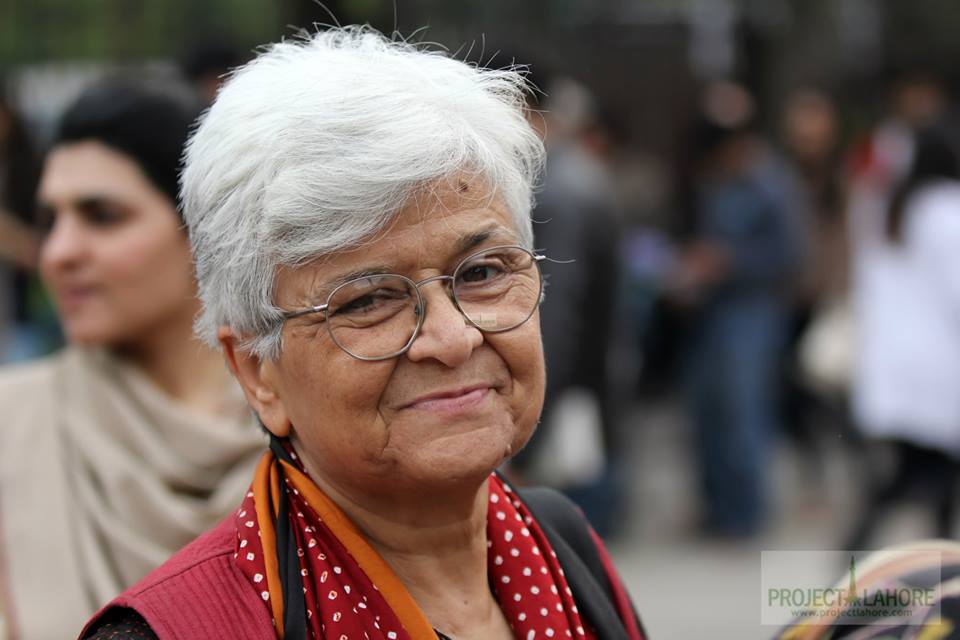
Kamla Bhasin. Radical love. Photo: Kashif Saeed

The 16 Days are observed annually starting 25 November, the International Day for the Elimination of Violence against Women. They end 10 December, with international Human Rights Day. These are integrated issues that Kamla fought for all her life. And she did this with love, joy, music, poetry and compassion.

As she famously said, “I am a feminist, and I do not hate men. I am a feminist and I do not hate women who are not feminists. I am a feminist – and I laugh.”

Continue reading

A South Asia women and peace weekend

Thrilled and honoured to be part of two peace building events with some awesome women this weekend, Saturday and Sunday. Tune in.

Continue reading

Commemorating ‘the second 9/11’ and the way ahead

The United States and India should join with other regional powers to deal with the Taliban and help the Afghan people – Noam Chomsky

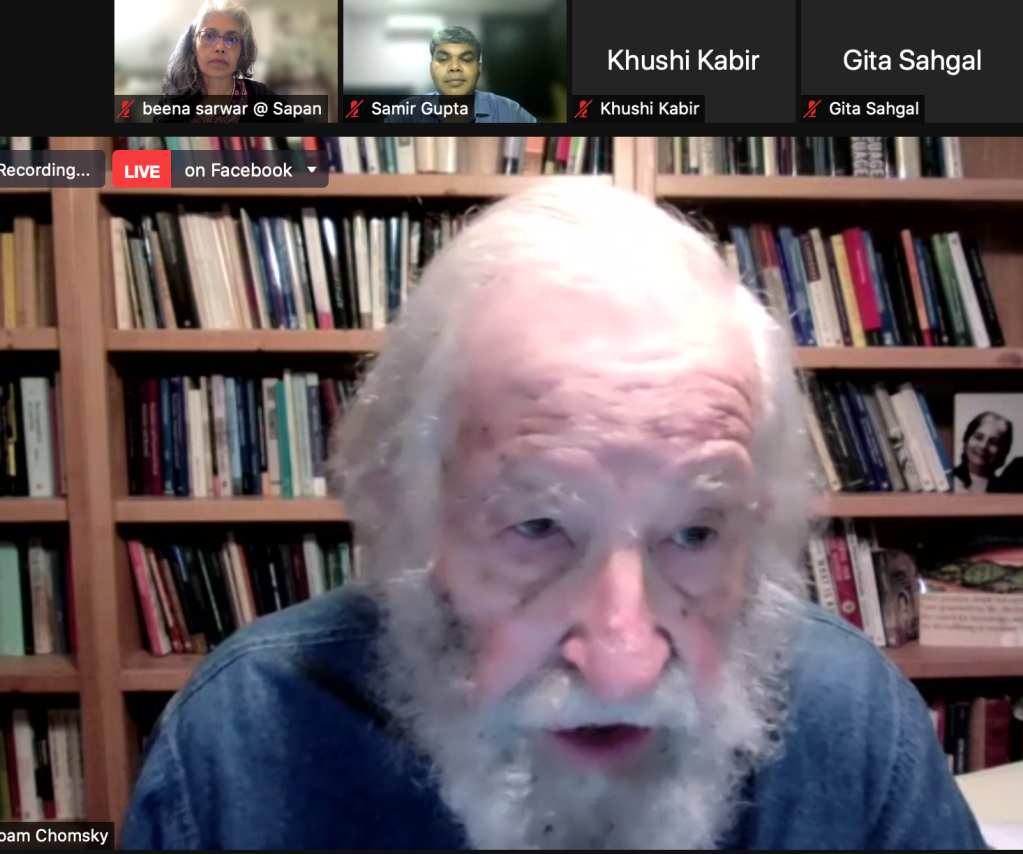
BOSTON, 27 September: Prominent academic Noam Chomsky has urged the United States and India to engage with the Taliban, work towards overcoming differences with other regional powers, and help the Afghan people rather than blocking ”the best of the options that are available”.

He was speaking last Sunday at the tail end of a webinar titled “20 Years After 9/11: Impact on South Asia and South Asians” organised by the recently launched South Asia Peace Action Network, Sapan. Speakers shared stories of hope and inspiration, besides those of distress and challenges.

Noam Chomsky: Put the Afghan people first. Screenshot from Sapan webinar, 26 September 2021.
Continue reading

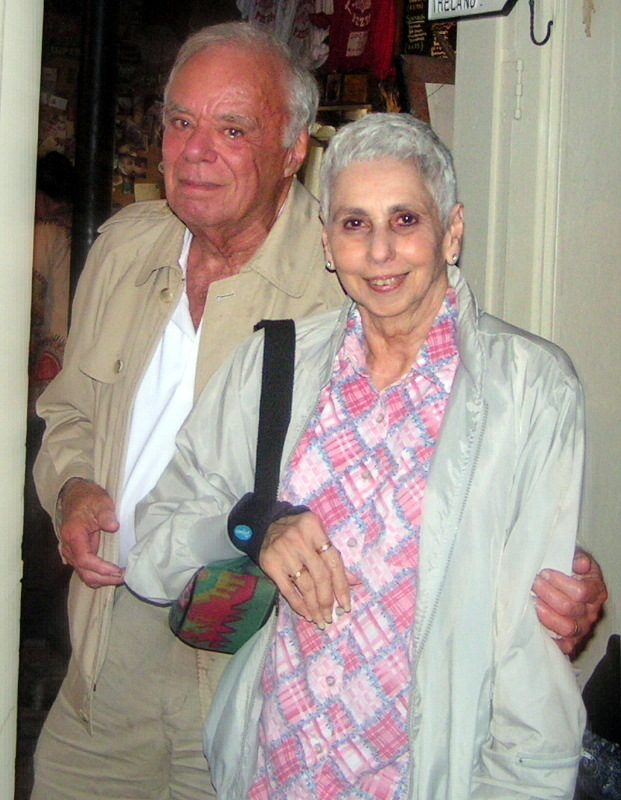
Remembering Hal Gould, a friend of South Asia


I wrote this piece recently about someone I was honoured to consider a friend although we never met. Hal Gould came to mind when we launched Sapan, the South Asia Peace Action Network, earlier this year. I knew he was over 90 by then, a few years older than my late father Dr M. Sarwar, who Hal had felt an affinity with. We’re in a pandemic and I hadn’t heard from him in a while.

Hal and I had been in touch since early 2008 after he read my op-ed in Dawn, An inconvenient truth” (Feb. 22, 2008) about Pakistan’s ‘return to democracy’, marking the country’s first-ever peaceful electoral transfer of power. He had quoted from it in his column for the then newly launched online magazine South Asia Monitor, in which he urged America and the world to allow democracy to take root in Pakistan without outside interference.

My piece had emerged in response to an American friend’s outraged comment: “What kind of democracy is it that puts the fate of the country in the hands of a Nawaz Sharif and an Asif Zardari?” Trying to put the issue in context, I had written: “It’s surely not worse than a democracy which puts the fate of America – and the world – in the hands of a George W. Bush… TWICE!” I added that India had twice elected a right-wing BJP government-backed by religious militants. This was, of course, before Trump and Modi.

Interesting times, these. As a scholar who has done seminal work on caste in India, I am sure Hal would have had something to say about the Dismantling Hindutva conference taking place this weekend that is under massive attack from those who refuse to distinguish between Hindus and Hindutva…

Then came the sad update about his stroke, followed by news of his passing – shared by his son to the Friends of Hal email list that Hal used to post to. I found it hard to put the piece together in the middle of all that was going on but I felt Hal deserved a proper remembrance.

Hal’s son Armeen eventually sent around an obituary which I’ve drawn from, including a list of the books Hal authored. For the photos I’m indebted to historian Richard Barnett – who I had interviewed years ago for The Frontier Post – who connected me with another friend of Hal and of South Asia, Philip McEldowney at University of Virginia who dug about and sent some.

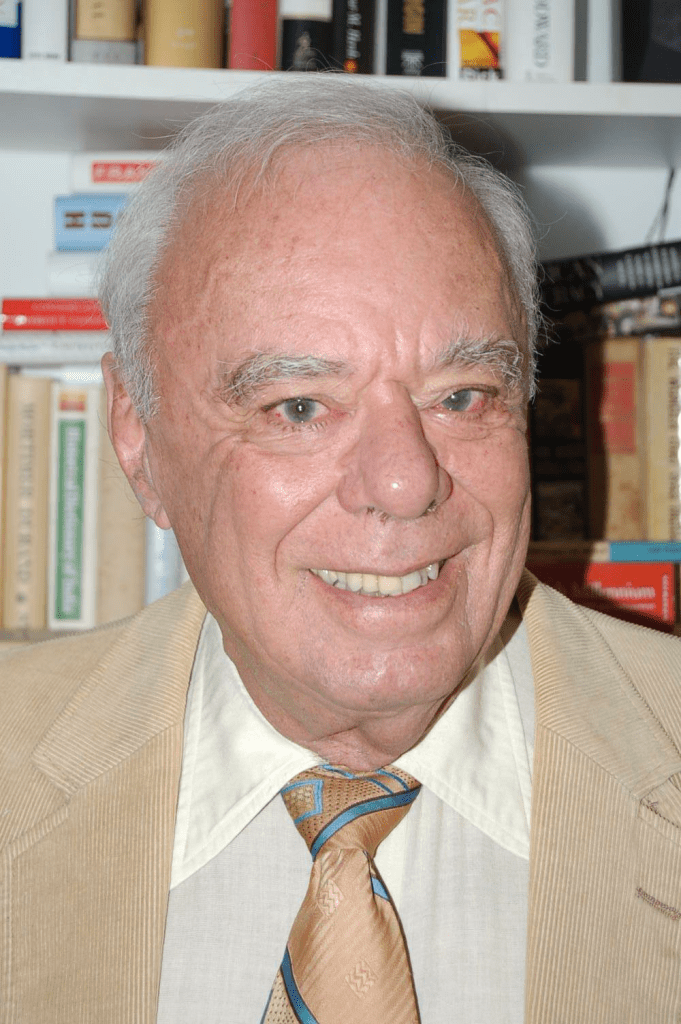
Obituary on Hal Gould in South Asia Monitor, cross-posted to our recently launched Sapan website. Rest in peace Hal. We will keep learning from you.

Here’s the full piece:

Continue reading