‘I want India and Pakistan to make peace in my lifetime’ – Zehra Nigah

Some thoughts emerging from a chance encounter with one of Pakistan’s most respected and iconic progressive poets.

Indian and Pakistani writers and a filmmaker at the Faiz Festival, Lahore: (l-r) Dr Saif Mahmood, Atul Tiwari, Dr Arfa Sayeda Zehra, Dr Arvinder Chaman, Nandita Das and Zehra Nigah. Photo by Zarminae Ansari / The Joy of Urdu

Personal Political
By Beena Sarwar / Sapan News

“It’s the girls that give me hope,” says the celebrated poet and writer Zehra Nigah.

She leads a quiet life at her home in Karachi, without a mobile phone or email. Yet those who seek her are able to find her. Besides the school and college students who look to her for guidance, there are advertising companies looking for classy jingles. And there are organisers of literary festivals wanting to invite her.

These include Jashn-e-Rekhta, the three-day annual festival that celebrates Urdu — subtly countering the rightwing narrative that Urdu is a ‘Muslim’ language while Hindi is for ‘Hindus’.

When it started in 2015, Rekhta invited several prominent Pakistani poets and writers to participate. Its third edition in 2017 was the first time that there was no Pakistani participation in its sessions – due to the “prevailing atmosphere” in India, the organisers took “a considered decision” to not invite Pakistanis as “participants” but only as “guests”, reported Anita Joshua in the Telegraph, India. 

“Some see in this an instance of self-censorship to avoid trouble of the sort that has recently beset Bollywood films starring Pakistani actors,” commented Joshua.

The only Pakistani who accepted the invitation was Kishwar Naheed, then 77, another iconic Pakistani poet, for whom being invited as a ‘guest’ meant that she would at least be able to recite at the ‘mushaira’, the poetry recital session addressed by several poets, as she told me later. 

Continue reading

‘Can journalists be activists?’ – Razia Bhatti Memorial Lecture 2023 – II

Following up from my earlier post, here’s the video recording of the Razia Bhatti Memorial Lecture 2023 I delivered online recently for the Center of Excellence in Journalism at IBA, Karachi.

Text of my talk below with slides.

Continue reading

Three events and a report

Sharing some recent updates from our lovely new initiative, Sapan – we wouldn’t be able to do all this without the amazing volunteerism of those involved

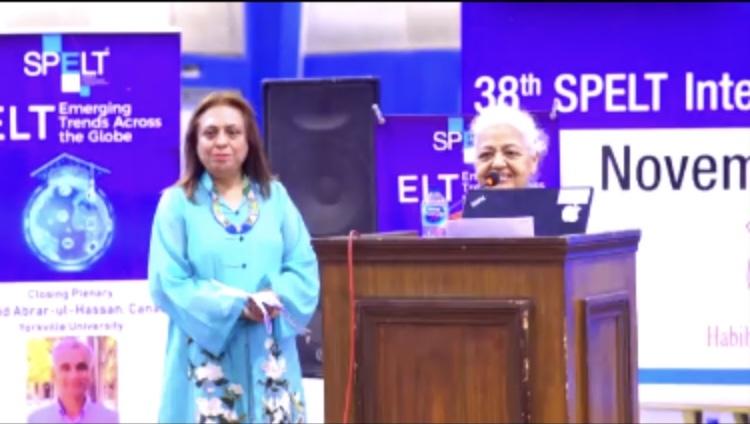
First, the report: Friend Nadra Huma Quraishi’s inspiring piece on the Society of Pakistan English Language Teacher (Spelt)’s unique Teacher Stories competition, a brainchild of Prof. Zakia Sarwar – From the Philippines to Dubai and beyond, a groundbreaking platform for educators provides new ways to collaborate – a Sapan News Network syndicated feature, published at Sapan News Network and other places. Available for use with credit to Sapan News.

(Yes, Zakia Sarwar is my mother, but on merit, it’s a great idea and the writeup was lovely. Hope it’s not seen as nepotism).

The events:

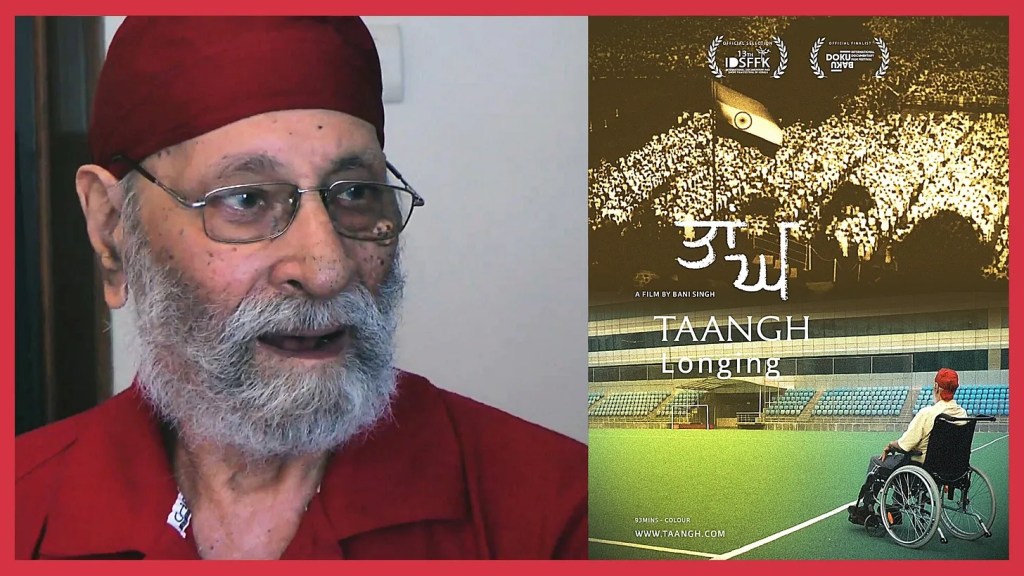
Nov 19-20: Sapan Film Club pilot screening of Bani Singh’s award-winning documentary Taangh. Excited and grateful she has made her film free for 24-hours for Sapan members starting Nov 19. Watch at your own pace. We will have a discussion with her on Sunday 10 am ET / 8 pm Pakistan time. The registration link has details of other time zones. More details at this post on the Sapan website: Sapan Film Club: Bani Singh’s award-winning documentary ‘Taangh’ – register to watch free.

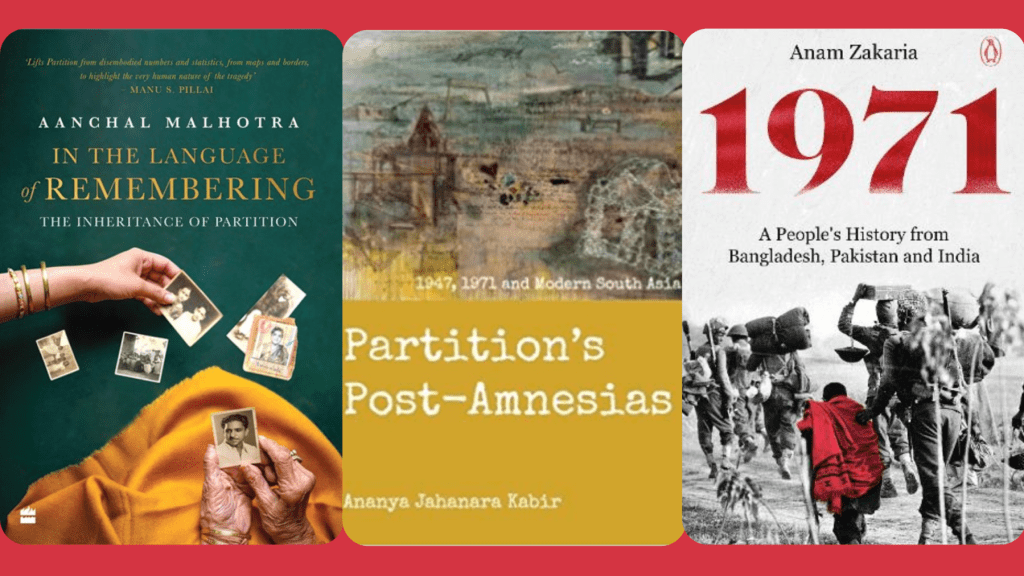
Sun. 27 Nov: ‘Beyond Partitions – Shared Histories, Ways Forward‘ with acclaimed writers: Aanchal Malhotra, Anam Zakaria, Ananya Jahanara Kabir. Thrilled and honoured that Urvashi Butalia in Delhi and Hameeda Hossain in Dhaka will join and present closing remarks.

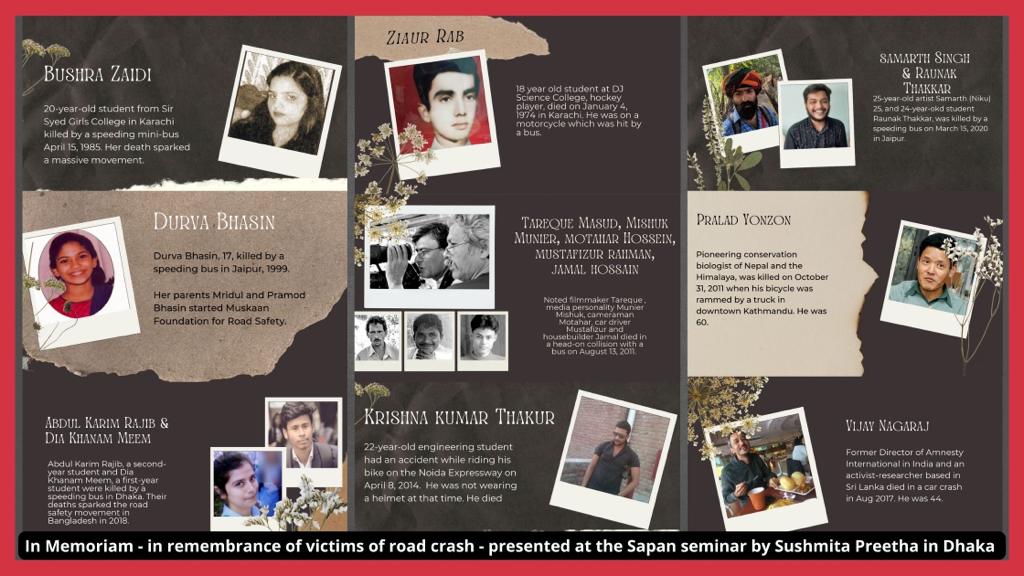
Nov. 18: Ahead of UN World Day of Remembrance for Road Traffic Victims (Nov 20), Sapan gets into Twitter Spaces. Also today, we had a great Zoom meeting with some awesome people working on the issue – here’s the Facebook live video recording. We could do with some traction, so hope you will ‘like’ and share.

For more details, visit http://www.southasiapeace.com. Will be grateful to all those who share with their networks. Jo share karey uss ka bhala. Jo na karey uss ka bhi bhala (Wishing well those who share and also those who don’t).

Love and solidarity

NOTE: Posted earlier in Substack – my Personal Political feed.

Southasian solidarity for flood-hit Pakistan

Flood survivors and volunteers at Shahdadkot. Photo: Courtesy Rubina Chandio via the Flood Relief Work WhatsApp group.

It is moving to see how many on the ground, as well as across the region and beyond, are stepping up to help those hit by the floods in any way they can.

At our online Southasia Peace Action Network, Sapan, meetings and in personal messages, Indian friends in particular have expressed their anguish and desire to help. Many are frustrated by being unable to contribute financially as I mentioned in my last post, Floods in Pakistan: Many eager to help held back by restrictions.

See Sapan’s statement of solidarity and appeal for Southasian nations to support Pakistan flood relief efforts – encompasses issues like the climate crisis and food security. We also compiled this list of initiatives people can donate to.

Also, love how a young Indian friend initiated this Sapan appeal to cricket boards ahead of Asia Cup to support Pakistan flood relief efforts – image below.

The YouTube video below has friends Dr Amna Buttar and Dr Geet Chainani talking about the realities on the ground in disaster-hit areas and why as an Indian origin physician in the US, Geet wants to go back to Sindh to help with flood relief. Sabyn Zaidi remembers how Geet worked in medical camps during the 2010 floods. On the first day she saw 172 patients, without breaks. There were no restrooms, no food, no electricity; there were bugs and insects. When it got dark, she worked with the light from cell phone lights and torches brought by the villagers.

Continue reading