An elegant fundraiser and miles to go

Sharing a report about a lovely event to benefit Sapan News, started on a voluntary basis in August 2021. Since becoming a member of professional journalist bodies like INN since2023, Sapan News is eligible to join NewsMatch, a fund that supports 475+ nonprofit newsrooms across the USA. Generous guests that evening contributed for a total of $6K. We need $1,500 more by ‘Giving Tuesday’, Dec. 2, to reach $7,500. The year-end goal is $15K. To help out, please go to this link or click the button below.

PRESS RELEASE

Fundraiser for a Southasian nonprofit newsroom at a Boston photography museum 

BOSTON: The third Sapan News year-end fundraiser kicked off in the Boston area with a gathering over drinks, dinner, art and music at the quaint Griffin Museum of Photography in Winchester MA, the hometown of the event host Tasneem Chipty.
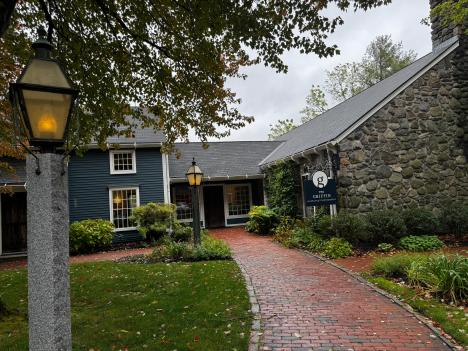
The Griffin Museum of Photography: A picturesque venue. Photo: Beena Sarwar

Chipty, a well-regarded antitrust economist, has hosted house parties at her own home over the past two years to raise support for Sapan News when the Southasia-focused syndicated features service first began fundraising in 2023. 

What drew her to the cause, she said in her introductory remarks, was the organization’s commitment to building bridges in a fractured world. To elevate the fundraising event, she chose the Griffin, founded by Arthur Griffin, a 1930s’ photographer for the Boston Globe and photojournalist for Life and Time magazines.

Sapan News began as a voluntary media outlet in August 2021, sending out syndicated features to other media outlets around the globe in an effort to amplify the cause of peace, dialogue and collaboration.

Continue reading

The unfulfilled creative promise and potential of Southasia through art and film

Among the insights gained during the panel discussion after the exhibition walkthrough and documentary screening was the similarity between the creative arts and good journalism: Both involve masses of research, and are rooted in being exploratory, observational, and non-judgmental, rather than agenda-driven.

Personal Political

By Beena Sarwar / Sapan News

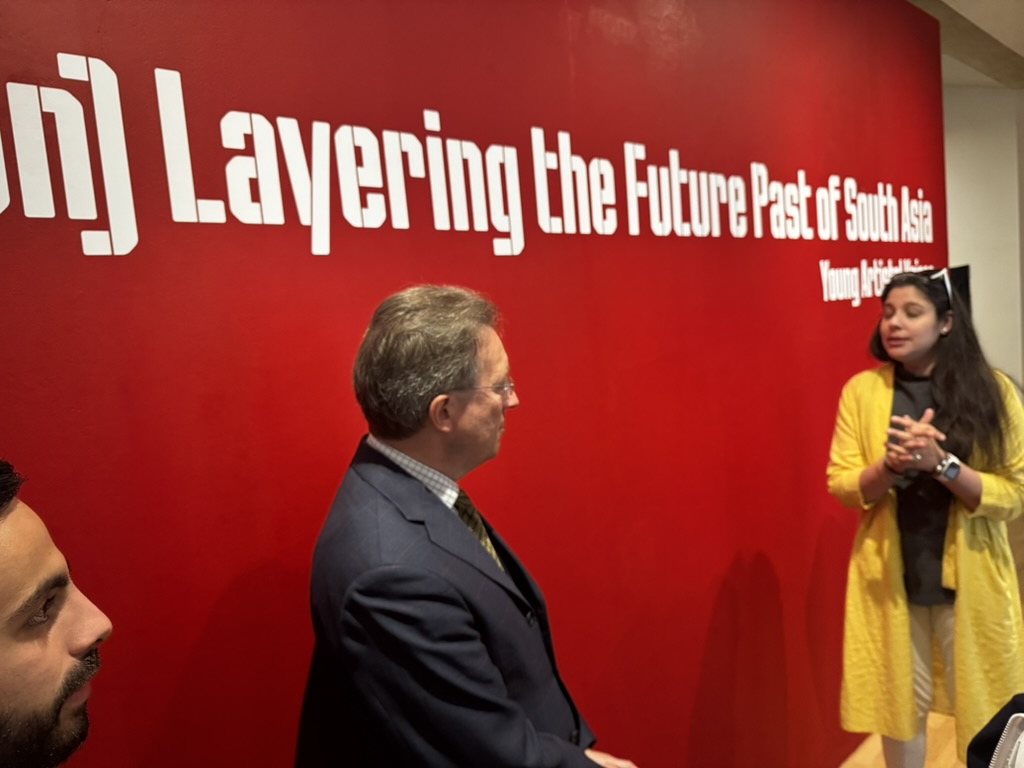
Manmeet K. Walia introducing the (Un)Layering the future past of South Asia: Young artists’ voices‘ exhibit as part of a special event organised by the Bloomsbury Institute London last week. Photo by Beena Sarwar.

The idea of a ‘Young Southasian Artists’ exhibition struck a chord when acclaimed Lahore-based artist and educator Salima Hashmi mentioned it some years ago, after writer and curator Manmeet K. Walia from New Delhi approached her about it.

Salima Hashmi, known for her creativity and longstanding commitment to peace, democracy and human rights, is also a founder member and advisor for the Southasia Peace Action Network which nearly 90 of us launched online in March 2021. Her lifetime of hard work, struggle, and consistency stand apart from the legacy she inherited from her illustrious father, the celebrated poet Faiz Ahmed Faiz.

When Prof. Hashmi and Ms. Walia presented their then under-production show at the Faiz Festival in Lahore, 2024, what stood out was the creativity and courage they were showcasing.

Continue reading

Dictatorships come and go but the music continues

Wrote this piece a couple of weeks ago, on one of Pakistan’s most versatile composers who continues to produce a genre embedded in Southasian traditional music, to get the younger generation to appreciate classical poetry and music — and provide a platform for new talent. A Sapan News syndicated feature also published in other outlets.

Personal Political
By Beena Sarwar / Sapan News

Arshad Mahmud in Such Gup, PTV, 1970s. Screenshot.

Will there be singing
In dark times?
Yes, there will be singing
About dark times

— Bertolt Brecht,
Germany, 1939

Arshad Mahmud is one of Pakistan’s most prolific and talented composers, the man whose music launched singing sensations like Nayyar Noor and Tina Sani.

He made his debut with the children’s television show Akkar Bakkar, 1972, along with Nayyara Noor and the pioneering puppeteer Farooq Qaiser, produced by Shoaib Hashmi, then an economics professor at Government College (now University) Lahore.

Behind the ustad (teacher) Hashmi’s booming voice, gruff manner and handlebar moustache was a brilliant writer and satirist who went on to write and produce the groundbreaking, now legendary satirical television shows Such Gup and Tal Matol. We would use these as the titles of Shoaib Hashmi’s columns for The Frontier Post later and The News on Sunday that I edited in Lahore, starting in the 1990s. His daughter Mira Hashmi has uploaded many of the videos to her YouTube channel.

‘Lord Clive’

Continue reading

Sapan shines at the WISCOMP Saahas awards in Delhi – a video and a report

Hello friends – I’m still in Boston, waiting for permission to visit India. The WISCOMP Saahas (courage) awards ceremony I wanted to attend on 16 December is over, but I am still like to go and visit my friends and family, and show my Sri Lanka documentary at various places including the Bangalore International Center, the IIC, Delhi, and in Chennai – police in all three cities have given clearance as far as I know.

Sharing the edited version of the WISCOMP awards ceremony below – they had taken it offline to edit out the Afghan and Bangladeshi activists who were kept anonymous. Don’t miss the inspirational speeches by the awardees and thoughtprovoking documentary on the courageous journalist Patricia Mukhim from India’s North-East (I love her singing in it and now I know where her love for plants and nature comes from).

Here is a report about the event in The Wire – I’m delighted they used a photo of featuring the wonderful community of Southasia Peace Action Network (Sapan) Peacemongers who joined my dear friend and colleague, journalist Mandira Nayar on stage after she accepted the award on my behalf from Dr Syeda Hameed, a Sapan founder member and advisor. It was wonderful and moving to see Aekta Kapoor, Ruchira Gupta (also a Saahas awardee), Parshu Narayan, Reema Amin, and the veteran peace activist O.P. Shah from Kolkata come together – thank you WISCOMP for inviting them.

Other wonderful members of our community were present but remained seated, like the inspirational activist Harsh Mander of Carvan-e-Mohabbat, poet and writer Sagari Chhabra, and journalist and activist Rita Manchanda.

Mukta Lall, daughter of the poet Jagannath Azad, was also present but had to leave before my name was called. We’ve been been in communication with for years but never met. It was Mukta ji who provided me with a scan of her father’s Urdu poem that served as Pakistan’s first national anthem – well documented, although there is no official record.

Local votes to regional destiny? The future of democracy in South Asia

I meant to share this when it was first published on Sapan News recently, my article co-authored with Dr Serena Hussain and Vishal Sharma, but was caught up with the Colombo screening of my Sri Lanka documentary. Thought I’d post now – the piece is still relevant especially given a recent article in an influential foreign policy magazine debunking the idea of Southasia

Images from various SAARC summits sourced from copyright-free photos. Collage by Pragayan Srivastava

Why the regimes ushered in through the democratic political process need to collaborate for a better future for the peoples of the region

By Dr Serena Hussain, Vishal Sharma and Beena Sarwar

The recent elections in Britain, France, and India are a reminder of the power of the people – and also of the importance of regional cooperation.

Pakistani PM Benazir Bhutto with her Indian counterpart Rajiv Gandhi at 1988 SAARC Summit in Islamabad. Source: Dawn

The Indian elections were the third electoral exercise in South Asia this year, after Bangladesh in January  and Pakistan in February. Sri Lanka is also required to hold presidential elections before October.

As part of the democratic political process, elections determine the leadership that will shape not only a nation’s destiny, but also in closely connected regions.

The governments may choose to be isolationist, or follow the will of foreign powers, or cooperate and collaborate with neighbouring nations. Can and will South Asia’s regimes cooperate to promote regional peace, prosperity and progress as they have done in previous decades such as, during the 1950s, 1980s, and 2000s?

Such collaboration is essential for the sake of the peoples of the region.

Continue reading

What I’ve learned from Noam Chomsky

As news of Noam Chomsky’s failing health makes the rounds, I share some learnings from my interactions with a trailblazing public intellectual whose moral compass has impacted the world


PERSONAL POLITICAL
By Beena Sarwar

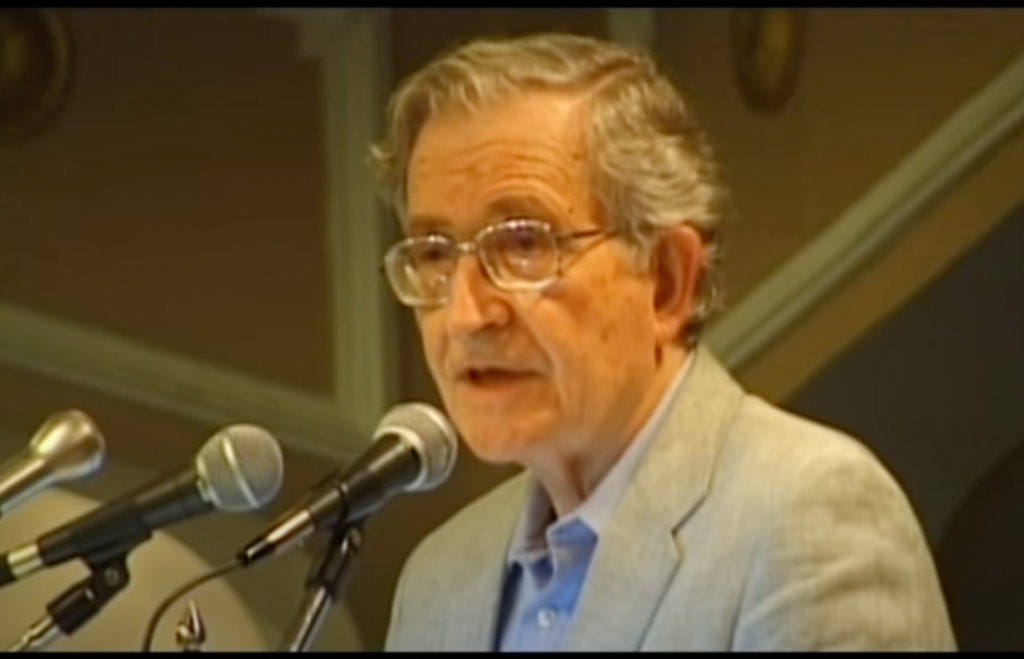
Noam Chomsky in Pakistan, 2001. Screenshot from VPRO news report by Beena Sarwar.

I once asked Noam Chomsky how he manages to remember so many facts and figures and hold audience attention. He replied that he didn’t convey any new information, that his talks are based on materials already in the public domain, and that he simply joins the dots – providing context – and repeats the information consistently and in different ways.

His response was typical of his humility as well as his courtesy towards a much younger person to whom he owed nothing.

Chomsky teaches us that it is not necessary to be loud and sensationalist in order to be heard. This, together with the clear and courageous moral compass he has provided over decades, is a most valuable lesson.

Noam Chomsky was already a legend when I first met him over two decades ago in December 2001 when he visited Pakistan for the inaugural Eqbal Ahmad Memorial lecture series.

Continue reading

Sarmad Khoosat live; Celebrating love in Boston; Sapan News tribute to a harmonium soloist

A compilation of offerings from our Sapan network, including my latest venture Sapan News syndicated features. Together, we aim to further the narrative of regionalism, peace, and dialogue. What can you do? Read on

Visual: Aekta Kapoor/Sapan

Delighted to have acclaimed actor and director Sarmad Khoosat join us Sunday July 16 for Sapan’s first fundraiser, hosted by poet Dr Arvinder Chamak in Amritsar. Sarmad will be in conversation with the wonderful journalists Malinda Seneviratne in Colombo, Mandira Nayar in Delhi; and Lubna Jerar in Karachi.

Watch: Sarmad Khoosat LIVE |… on Facebook | … on YouTube

Continue reading

Two years of Sapan, honouring Lyse Doucet, a music competition, and more

Can you believe Sapan has been at it for two years?

That’s the Southasia Peace Action Network, Sapan, ICYMI (‘in case you missed it’ for the uninitiated, helping you get with it, you’re welcome)

Excited for the second anniversary event up this Sunday, hosted by the amazing Khushi Kabir in Dhaka, taking forward the legacy of our late friend Kamla Bhasin at Sangat.

We’ll review what we’ve done over the past two years – the collaborations, the discussions, the film club and more. Taking up all kinds of cross-cutting and cutting-edge topics. It’s been thought-provoking, inspiring, and fun.

We will honour the inspiring journalist Lyse Doucet for her humanitarian reporting, an award initiated by Dr Tayyaba Hasan presenting it from the Sapan platform. Dr Hasan heads the Hasan Laboratory at Harvard Medical School – the bio at the link does not convey why she is doing this — you’ll have to tune in to find out.

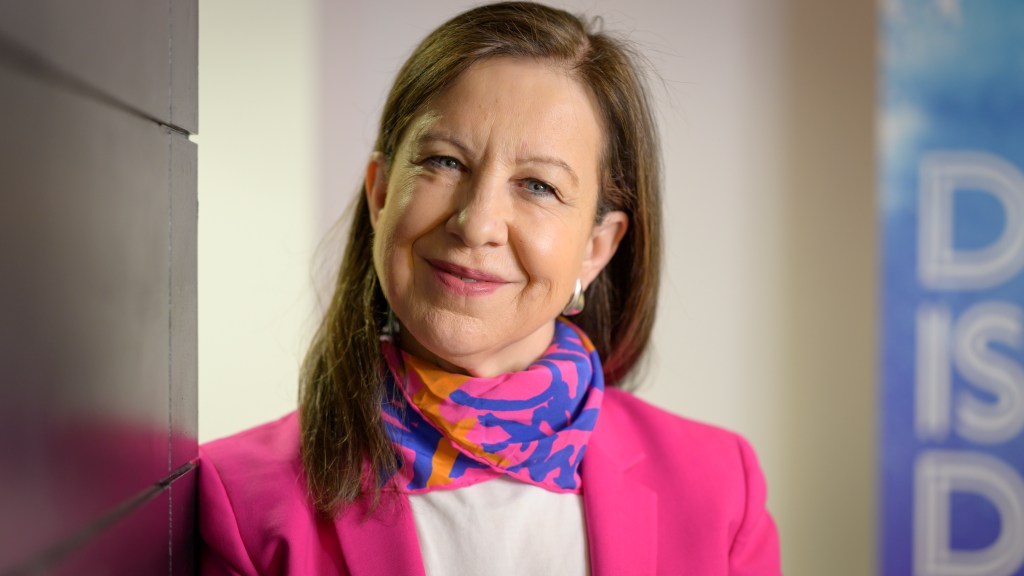
Sapan honours Lyse Doucet: A lifetime of humanitarian reporting. Photo: Amanda Benson
Continue reading

A Bollywood lyricist’s daughter in Pakistan and other stories

Some steps in a journey sparked by India and Pakistan’s nuclear tests in 1998

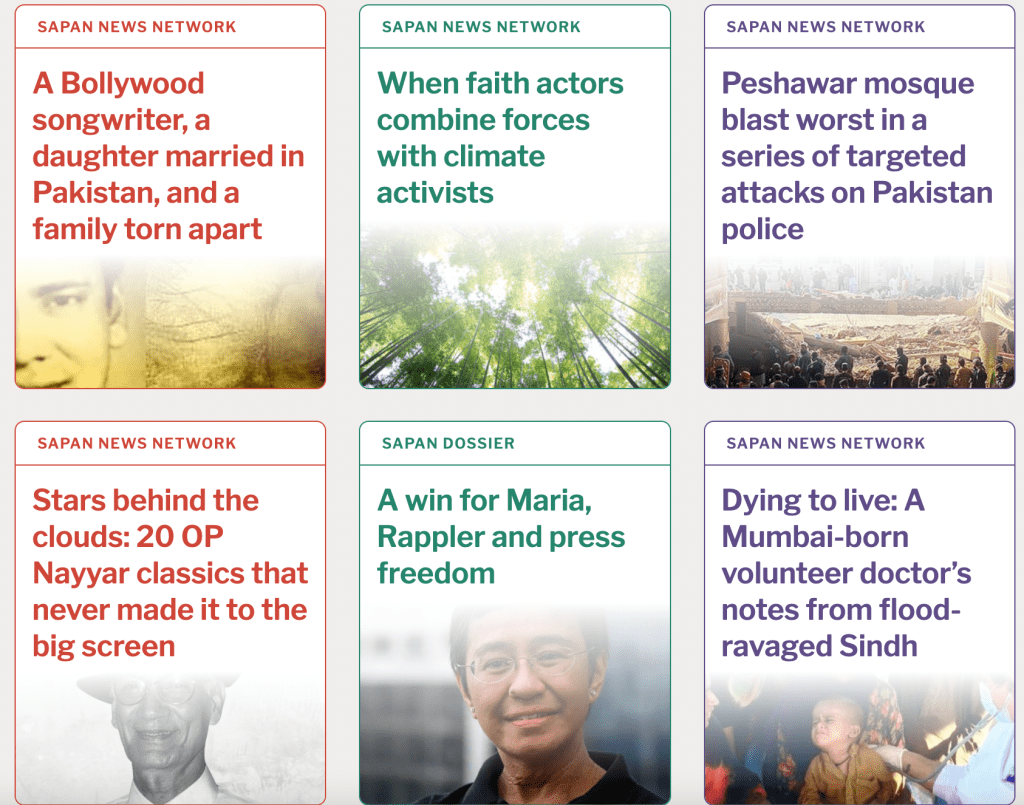
Screenshot from Sapan News site, designed by Aekta Kapoor.

Inspired by email updates from Isa Daudpota and Harsh Kapoor of South Asia Citizen’s Wire (SACW) after India and Pakistan tested nuclear weapons, I too had begun a bcc email list. This developed into my beena-issues Yahoo-group in 1998 but I had begun to post more irregularly after 2009 when I started a WordPress blog, Journeys to Democracy. Yahoo shut down its Groups platform a couple of years ago.

Now, as I work on developing a new media entity, Sapan News Network syndicated features which emerged from Sapan, the Southasia Peace Action Network (thanks to Aekta Kapoor for the beautiful website), SubStack seems like a good place to revive something like the Yahoo-group community feel. But then there’s also Medium where I have over 2.4K subscribers. All very confusing. Welcome feedback and suggestions.

Continue reading

Writing for peace. And activism in Himachal Pradesh

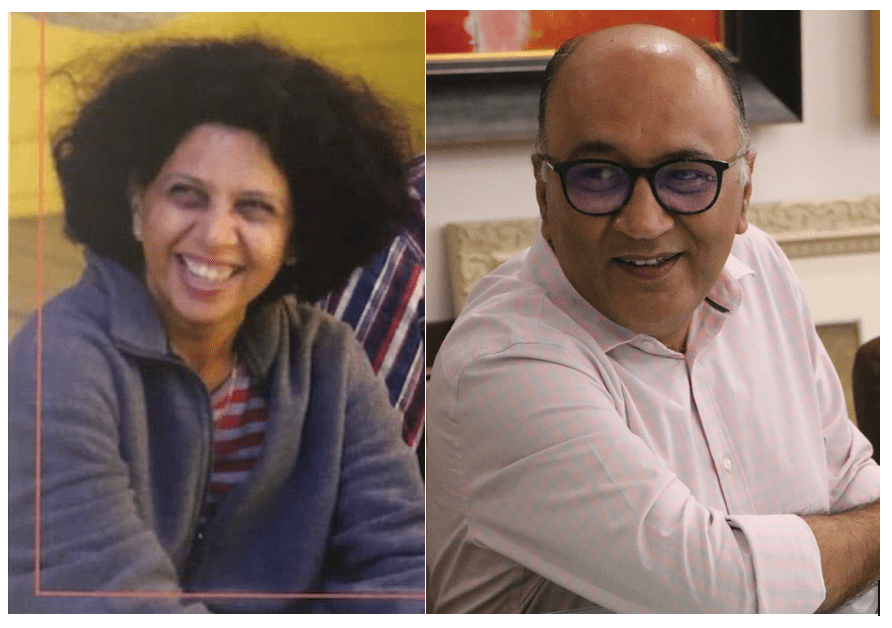
Lee Krishnan in Mumbai, Mohsin Tejani in Karachi: Breadloaf friends, great synergy. Photos: supplied.

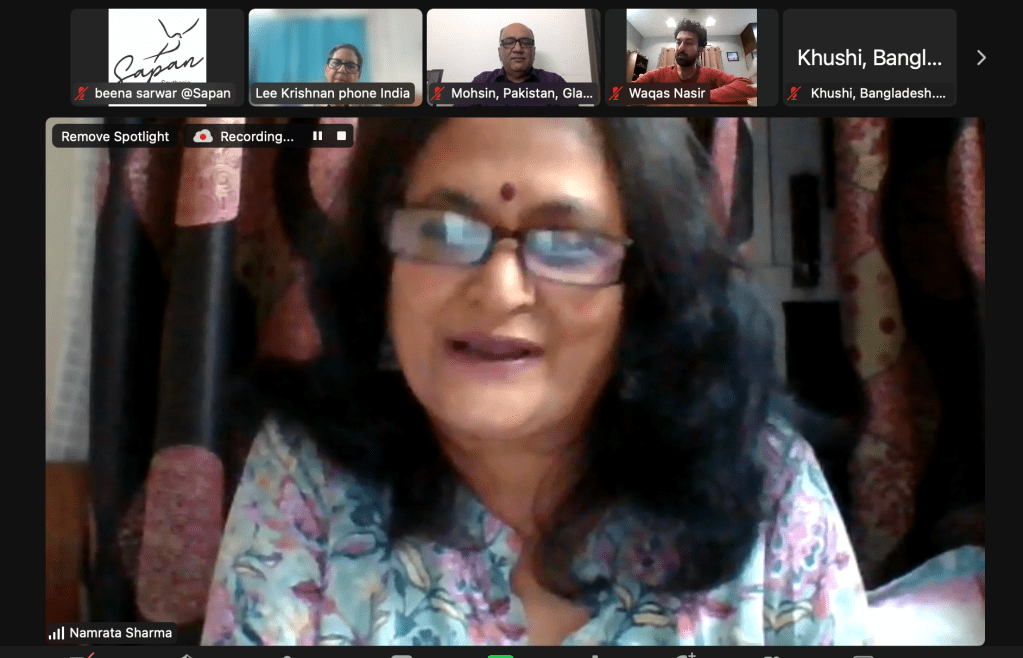
Really enjoyed this Sapan online family writing workshop by educators and teacher trainers Mohsin Tejani in Karachi and Lee Krishnan in Mumbai, hosted by the amazing Khushi Kabir in Dhaka, joined by educationist and writer Benislos Thushan in Jaffna – looking dramatic due to a power cut, just before dashing off for an overnight bus to Colombo. Human rights activist and physician Fauzia Deeba from Quetta now in New Jersey talked about the floods in Pakistan and shared the In Memoriam section designed by a young journalist Sushmita Preetha in Dhaka. Senior journalist Namrata Sharma in Kathmandu delivered the heart warming closing remarks that the piece starts with.

Namrata Sharma: “Who and how can anyone say that Southasia is divided?” – screenshot from the workshop.

Lovely writeup on it by young agriculturist-researcher-educationist M. Waqas Nasir in Lahore, published as a Sapan News Network syndicated piece in several media outlets. Read it here: Divided by borders, united by aspirations. This piece and the event would not have been possible without the efforts of data analyst and researcher Priyanka Singh in New Delhi. Both she and Waqas are Sapan founder members.

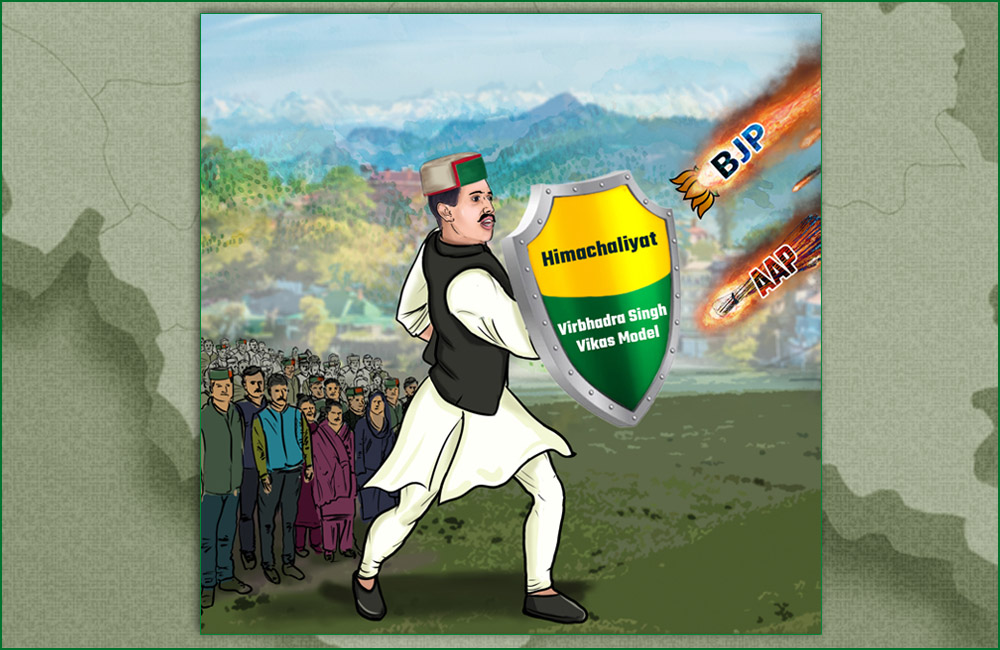
I’m also happy to share this piece young lawyer Vishal Sharma in Shimla, also a Sapan founder member. I love how hard and patiently he worked on the article, taking in feedback from various friends to shape it into what it became. I also learnt a lot by working with him on it, especially the idea of ‘Himachaliyat’ which reminds me of ‘Kashmriyat’ – promoting pluralism and peace. Published in Himachal Watcher. Read it here: A young leader’s activism may be a gamechanger for the Congress in Himachal‘. Vishal had the visual specially made by an artist friend.

Vikramaditya Singh uses the shield of “Himachaliyat” and “Virbhadra Singh Vikas Model” to counter political rivals. Visual by artist Deepak Saroj in Noida