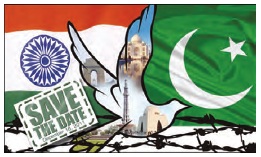
Pray for Peace Between India and Pakistan Day: Sunday, Dec 18, 2011

Image courtesy: Aman ki Asha

PRAY FOR PEACE BETWEEN INDIA AND PAKISTAN DAY, DEC 18, 2011
Sunday, December 18… Just 30 seconds of your time!

On December 18, wherever you are in the world, take out just thirty seconds to Pray for Peace Between India and Pakistan. 

See this article by Swati Sharan introducing the idea behind Pray for Peace Day

· See facebook page Pray for Peace and post your comments.
· Send feedback to the Aman ki Asha facebook page

Some expressions of support for this initiative include: Continue reading

Tenth Hamza Alavi Memorial Lecture, Dec 18, 2011, Karachi

Hamza Alavi: eminent sociologist, addressed issues of nationality, gender and fundamentalism

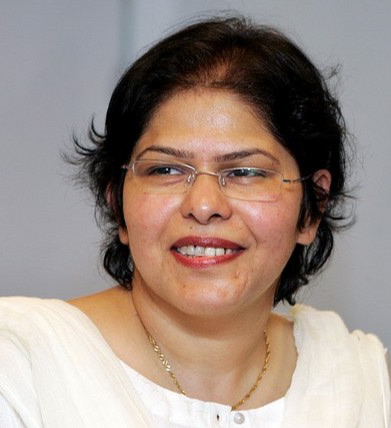
Ayesha Siddiqa: political analyst, author of Military Inc.

The Tenth Hamza Alavi Memorial Lecture (free and open to the public)
Keynote speaker: Dr. Ayesha Siddiqa – Bringing Change in Praetorian State (see her recent essay in EPW on Pakistan’s Modernity: Between the Military and MilitancySunday, Dec 18, 2011, at 4.00 pm
Venue: Dr. Zaki Hasan Auditorium, Jinnah Medical & Dental College, Shaheed-e-Millet Road, Karachi.
Chair: Dr. Jaffar Ahmed;  Introduction of Speaker: Dr. Mohd Ali Siddiqi
Followed by high tea (thanks to Dr. Tariq Sohail).
The lecture, published by the Irtiqa Institute of Social Sciences, will be available for just Rs.30 per copy. Donations to this cause are always welcome. Please make cheques out to the National Council of Academics, mailing address D 61, Blo0ck 2, Clifton, Karachi 75600

Protest against murder of Zarteef Khan Afridi: “He followed his truth till the end! Respect and Salam”

Protest rally, Hyderabad, Dec 9, 12 noon, Old Campus to Press Club.

Sharing the grief of friends who have suffered this great loss. I first heard of Zarteef Khan Afridi in 1995, when he wrote to Asma Jahangir offering to come to Lahore with a tribal lashkar to protect her when she was under threat during the Salamat Masih case. I met him later at an HRCP meeting in Peshawar. He hosted us in Khyber, showed us the little library he had opened for local children. He told us wanted his daughter to marry of her own choice and not wear a burqa, but his wife told him she would leave him if he encouraged such behaviour. “Our dear dear friend, renowned leftist and human rights activist Comrade Zarteef Khan Afridi, from Jamrud, Khyber Agency was killed this morning in Saparee area of Khyber Agency while on his way to school where he has been teaching for more than two decades. He had been receiving threats from local religious militants for his revolutionary ideology, work on peace and rights in FATA. He was a brave revolutionary and refused to bow down to the pressure. He followed his truth till the end! Respect and Salam,” writes Ismat Shahjehan. His struggle shall not be in vain.

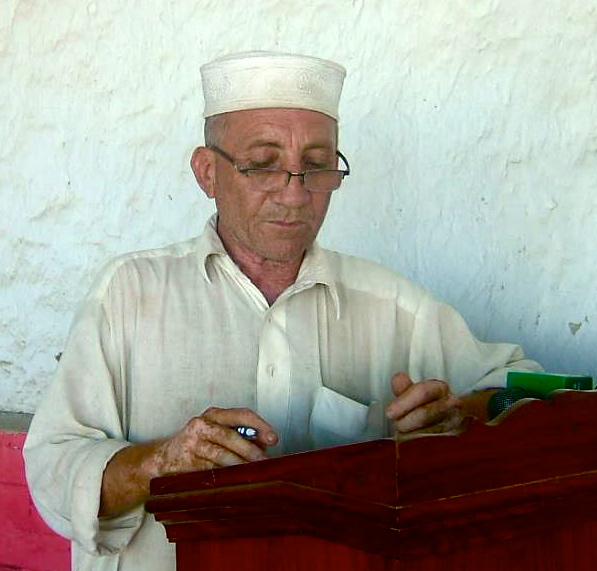
Human rights activist Zarteef Khan Afridi killed

Photo: courtesy Idrees Kamal

Grieved beyond words to hear this news: “Renowned human rights activist and social worker Zarteef Khan Afridi is killed in Saparee area of Khyber Agency this morning while he was on his way to school where he has been teaching for more than two decades. Zarteef Afridi has been a committed human rights worker, member Human Rights Commission of Pakistan and active member of several peace groups working in FATA for last two decades. He has been receiving threats from local militants for his work on peace and rights in FATA. He was a bold and courageous worker and refused to bow down to the pressure of these militants. Till his last breath he was working for his mission and fighting for rights of tribal people. We are anguished on this brutal act and demand immediate action from law enforcing agencies against those involve in this murder. We also extend our words of condolence and to his family and all those friends that were part of his struggle. Our message shall also be conveyed to these extremists’ forces that the society will not deter from its resolve to bring peace and fight against extremism and all those forces harboring such elements in the country. Zarteef and his struggle will always be remembered and cherished.” — Email from Irfan Mufti, South Asia Partnership. For a detailed report on Zarteef Khan Afridi and his work see: In the eye of the storm. Also  see my earlier article: Pakistan’s ‘enlightenment’ martyrs

Mumbai and more

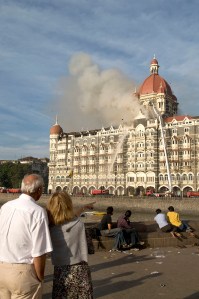
Photo: courtesy Soumik Kar

Photo: courtesy Soumik Kar

On the third anniversary of the Mumbai terror attacks of Nov 26, 2008, a NATO air strike in Pakistan killed 24 Pakistani soldiers. NATO says its helicopters were providing air cover to troops on the ground chasing insurgents; Pakistan says that the strike was a deliberate violation of its sovereignty (the question is, why?). The loss of human lives in any circumstances is tragic; sincere condolences to the families of the soldiers killed. Coming on the heels of ‘memogate’, this is not going to help US-Pakistan relations. Let’s hope that the political leadership is not swayed by the hysteria deliberately being whipped up by certain sections (as usual).

The Mumbai attacks lasted nearly three traumatic days and claimed over 160 precious lives, injured hundreds of others and emotionally scarred countless others. At that time, I wrote a couple of reports for IPS, Empathy, Grief in Pakistan at Mumbai Mayhem and Pleas For Sanity as Sabres Rattle Over Mumbai Mayhem. Continue reading

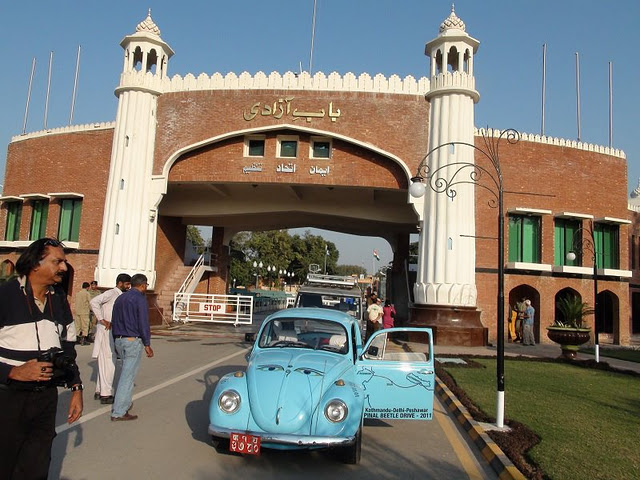
Once more for the Spinal Beetle and Southasia connectivity

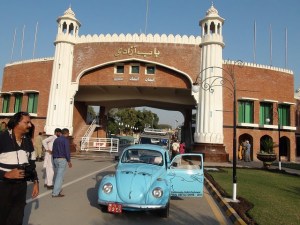
Spinal Beetle with its Nepali eyes arrives in Pakistan

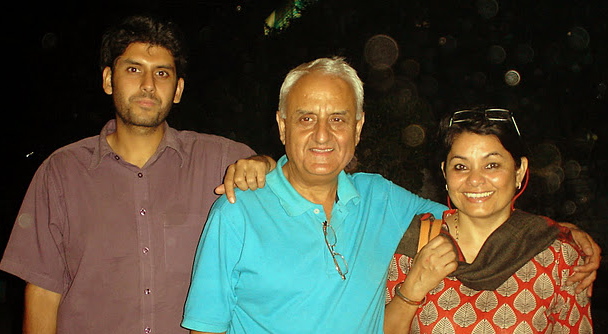
Here’s the latest report of the Southasian journey undertaken recently by my friend, civil rights activist, writer and journalist (editor Himal SouthasianKanak Mani Dixit, his wife Shanta (a teacher) and son Eelum (an actor, and yes, his name derives from ‘ilm’ which means knowledge, named by his dada, Kanak’s father who is a prominent writer).
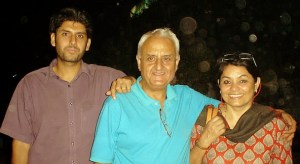
Eelum, Kanak and Shanta Dixit: A great drive

The family started their 1100-mile odyssey in Kathmandu, Nepal, ending in Peshawar, Pakistan, to raise funds and awareness about the need for spinal injury rehabilitation. Those who have been following this issue would know that Kanak injured his spine in a trekking accident a decade ago. He survived, making a near miraculous recovery, and started the Spinal Centre Nepal in 2002, inaugurated by the late Sir Edmund Hillary. The coverage they’ve got on this journey has helped publicize their drive tremendously but the required funds have not arrived, and they are well short of their target. This is a personal appeal. Please donate what you can for this important cause. And do read this riveting account of their journey, includes important insights and information… Continue reading

As winter sets in, flood survivors in Sindh need more help

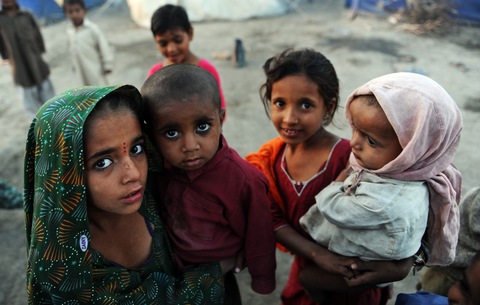
In all the excitement about ‘memogate’, let’s remember to spare a thought — and some cash and other items — for the flood survivors of Pakistan. As winter sets in and the cold winds start to blow, they need our help more than ever. Here’s a note I’ve been meaning to post out for some time, information provided by friend and music lover Siraj Khan who personally vouches for the Pathfinders Welfare Organisation, a volunteer group doing flood relief work primarily in the Badin area of Sindh. “PWO is unique in many ways. Its team is made almost entirely of students from local medical colleges. Many are girls. There was one who even used to ride her brother’s motorbike for work, if other transport wasn’t available,” says Siraj. “PWO needs more visibility for its work and, of course, funds.”

Continue reading

A Spinal Beetle update: striking a blow for Southasian land connectivity

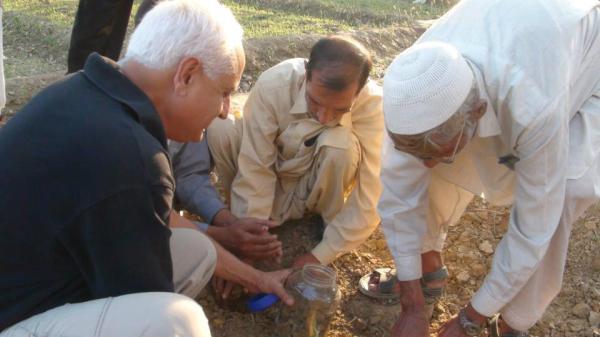
Kanak collecting the earth from Fatehgarh Sahib outside Sialkot, the childhood village of 96-year-old Barkat Singh 'Pahalwan' of Jalandar, India at his special request.

I’m sure the Dixits – Kanak, Shanta and Eelum – have soon share photos, video and stories about their Spinal Beetle fundraising drive from Kathmandu to Peshawar but meanwhile, this brief update.

Many things about their journey were striking and moving. There’s the romance of driving from Kathmandu via Lucknow, Delhi, Agra, Amritsar, Lahore and Rawalpindi to Peshawar, much of it along the ancient Grand Trunk Road that dates back to the Maurya Empire (3rd century BC), later extended by Sher Shah Suri in the 16h century, from Calcutta to Kabul. Continue reading

Mumbai journalists visit Pakistan: a sign of hope; a warm welcome but no cellphone roaming

Mumbai for Peace: "SAY NO TO TERROR AND WAR! SAY NO TO VIOLENCE!"

Below, my comment in The News about the forthcoming visit of Indian journalists to Pakistan (The News also carried this report on their visit based on their press statement). As I wrote earlier, just one of these journalists has ever visited Pakistan before. A CORRECTION to my comment below: the Mumbaikars who formed the human chain on Dec 12, 2008 numbered not in the ‘hundreds’  but thousands. “Nearly 60,000 people including several celebrities… formed a 50 km long ‘human chain for peace’,” according to this report in The Indian Express (I found it after filing my story). One of the people behind this event, organised by ‘Mumbai for Peace’, was the journalist Jatin Desai, spokesman for the current delegation to Pakistan.

Situationer: Mumbai journalists’ visit: yet another sign of hope

 By Beena Sarwar

 The journalists from Mumbai landing in Karachi on Monday will arrive to a warm welcome – and no cell phone roaming. India and Pakistan both deny this facility that millions today take for granted, to each other, as foreign correspondents, businesspeople and others who travel in the region know all too well. Continue reading

Pakistan curriculum urgently needs change

The findings of the report “Connecting the Dots:  Education and Religious Discrimination in Pakistan” are dire, but not new (Summary at press release below, forwarded to me by The Mirror, a publication of the Pakistan National Commission for Justice and Peace). Pakistani academics have long been pressing for a reform of the curriculum, for example through reports like The Subtle Subversion (SDPI, 2003). The jihadisation of the curriculum includes inane prerequisites like religious studies for medical students – the Supreme Court recently provisionally allowed a Hindu student to sit for the medical college entry test. All this must change. But lest we forget, the idea of Jehad was incorporated into the Pakistani curriculum after the start of the Afghan war, because it suited Washington, and Pakistan to encourage and glorify the “Mujahideen” (holy warriors) in the war against the Soviets. An American institution of higher education was asked to formulate textbooks for Pakistani schools accordingly. “The institution was University of Nebraska at Omaha, which has a center for Afghan studies which was tasked by CIA in the early eighties to rewrite textbooks for Afghan refugee children. The new books included hate material even in arithmetic. For example, if a man has five bullets and two go into the heads of Russian soldiers, how many are left, kind of stuff. This was exposed in a research thesis from the New School, New York in about 2002,” says Dr A.H. Nayyar, one of the co-editors of the SDPI report, quoted in my article Jehad and the curriculum,’ 2004. Continue reading