Dr Chishty’s imprisonment: his daughter Amna’s update

Received an email this morning from Amna Chishty in Canada, copied to various people working to secure the release of her father, the aged Pakistani professor Dr Khalil Chishty, a prisoner in India for over 19 years, currently in Ajmer Prison hospital (report in The Hindu April 15, editorial in The News on April 13). She expresses her family’s gratitude for the continued efforts to help Dr Chishty and bring his case to the forefront and stresses the following points that need to be highlighted in the media:
Continue reading

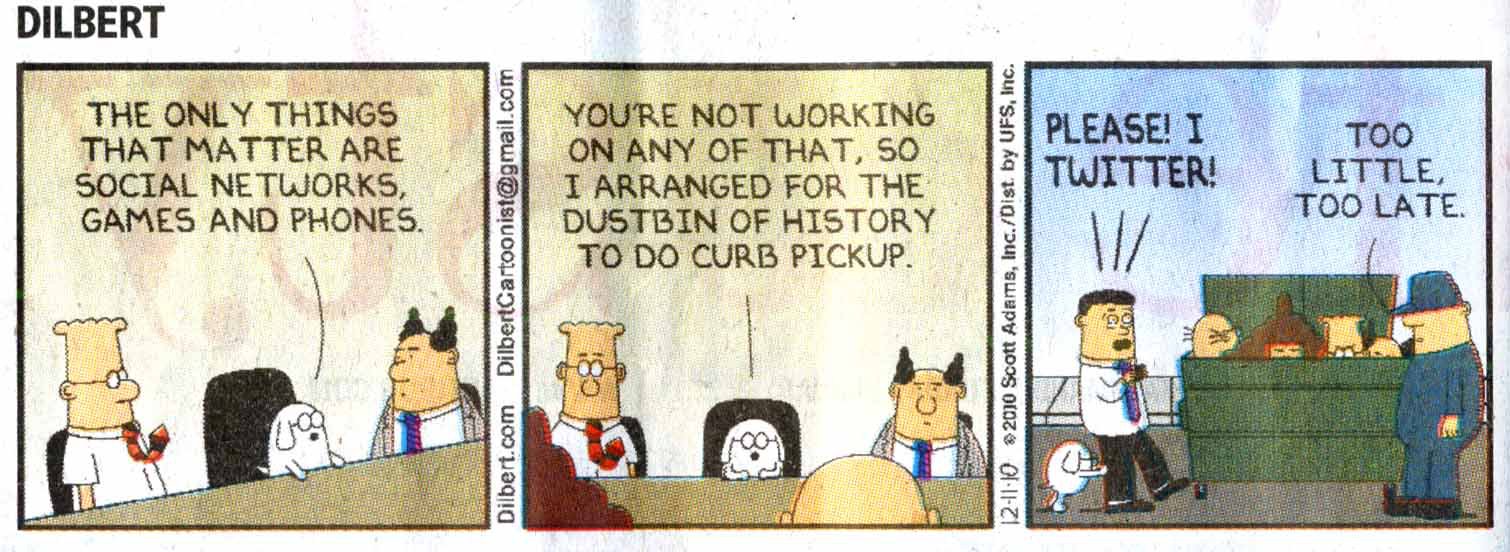
PERSONAL POLITICAL: Confessions of a tweet addict

My column Personal Political in Hardnews, India, written a couple of weeks ago. Was too caught up in event on the ground and forgot to post it. Still relevant.

Beena Sarwar

I admit it. I’m addicted to twitter.

Like many others, the first time I heard about this ‘social networking tool’, my initial response was, “What’s the point?”

It was in spring 2006, at the end of a journalism fellowship in the USA. “Try it,” urged Jeb Sharp, a radio journalist. “It’s cool. You can update friends about what you’re thinking or doing and you have to do it in 140 characters or less.”

Out of curiosity, I made myself a twitter account. The whole thing seemed a bit silly. The twitter icon is a little blue bird. The messages you post are called ‘tweets’. It all sounds very fluffy and twittery. And why create a twitter account if you have facebook? Continue reading

‘In the political tug of war it’s the poor and helpless that hurt the most’

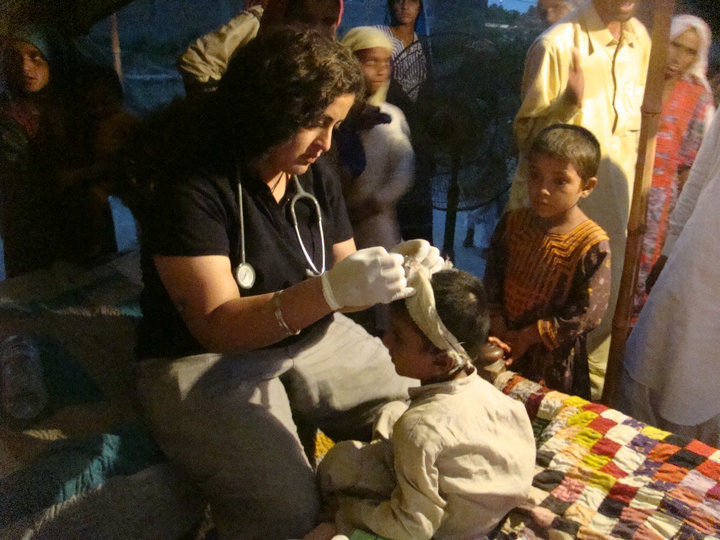
Geet Chainani conducting a medical camp in a village near Dadu, Sindh

“I, an American, a New Yorker used to the harsh winter and snowy weather yet, I am freezing in Pakistan. My heart goes out to those suffering the cold winter without shelter, blankets, clothing. May God provide you with his soldiers to keep fighting for the injustices meted out to you. May we all be able to look beyond the differences and reach out a helping hand.” – Geet Chainani, Dec 15, 2010

My article on an Indian-American doctor who comes to Pakistan in search of her Sindhi roots… and finds a sense of peace working for flood-affected women and children, published in Aman ki Asha, March 2, 2011 (as another Indian put it – “not Akhand Bharat, but Akhand Insaniyat”) Continue reading

Personal Political: Dear Abhijeet, please come to Pakistan

Yes, we do have theatre in Pakistan. Sania Saeed in 'Mein Adakara Banoongi'. Many other listings at http://www.danka.com.pk/

My monthly column Personal Political in The News on Sunday (Political Economy section, as ‘Going beyond ‘nothing’ in Pakistan’) and in Hard News, New Delhi

Good music too: Zeb and Haniya. See their interview at http://bit.ly/zebhania

Oct 24, 2010 Personal Political

Going beyond ‘nothing in Pakistan’

Beena Sarwar

“There is nothing in Pakistan,” said the Indian playback singer with finality. “They have no auditoriums, no facilities, there is nothing there. Everything is here (in India).”

Another example of the misconceptions about Pakistan, I thought, waiting to respond. The playback singer, Abhijeet Bhattacharya, and I were participating in a talk show for NewsX TV in New Delhi. Participating from a hired studio in Karachi, I could hear, but not see, the others.

When I tried to reply to this comment, the Indians couldn’t hear me, although I could still hear them through my earpiece connected to a phone line. I was no longer on air. NewsX had booked a live uplink from Pakistan for 20 minutes, which was over. Symbolic? Continue reading

India and Pakistan are stronger together

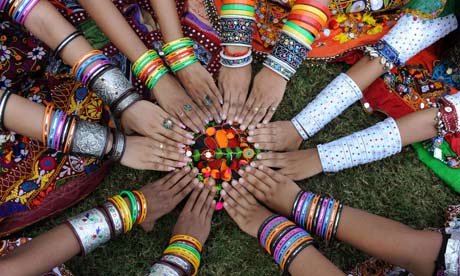
Indian dancers from the Rang Rasia Group traditionally touch their master's turban before the rehearsing Garba in Ahmedabad. Photograph: Sam Panthaky/AFP/Getty Images

My article in The Guardian recently prior to our talk at The Guardian Foundation:

India and Pakistan are stronger together

Loosening cultural, travel and trade restrictions is a vital first step to rediscovering our two countries’ shared heritage

India and Pakistan may be neighbours but it’s surprising how little they really know about each other. Their rich common heritage is easily forgotten amid mutual baiting and negative stereotyping, and it’s difficult to imagine them ever being truly at peace until these obstacles have been overcome.

“I’m really surprised to see so many women … I thought you would be all covered in burqas,” said a journalist at the Indian Women’s Press Club when the Pakistani contingent arrived last April on a visit organised by Aman ki Asha (a joint initiative for peace by the Times of India and Pakistan’s Jang media group). >

Peace hankies + trade + business = reduce hostilities

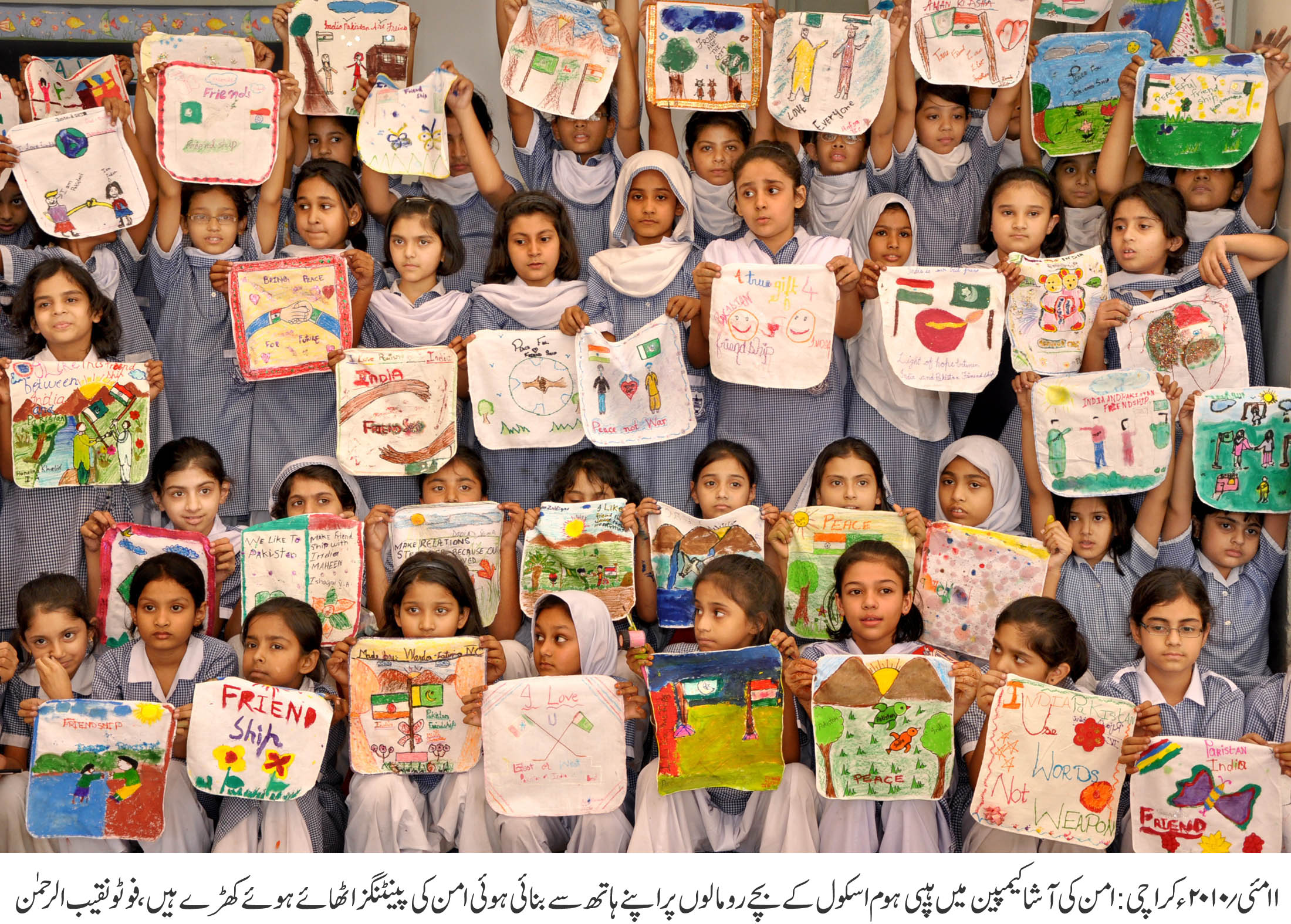
Happy Home School students display their Aman ki Asha 'peace hankies'. Photo: Naqeebur Rehman

Another Aman ki Asha event in the offing -‘Partners in peace and progress‘, the trade and investment meeting between top Indian and Pakistani business executives, taking place in Delhi May 18-19, 2010. This is the latest in the chain of events since the initiative was launched on Jan 1, 2010, by two media giants of Pakistan and India. Since then, there have been several events in both countries – literary festivals, music concerts, mushaira, editors and anchors’ meeting, a seminar on strategic issues, the ongoing peace hankies campaign, and now this major economic conference. The coverage of these events in the media, especially the sponsoring media groups Jang, News, Times of India and Geo TV, has created a buzz around peace. Crucially, it has helped to create ‘an enabling environment’, as Geo TV President Imran Aslam terms it, that may well have contributed to the thaw in India Pakistan relations. (For more peace hankies photos see my Flickr site). For those cynics and the critics – yes we all know peace is not going to happen overnight, but when the critical mass of people is clearly for it, it might not be so far away as it once had seemed.

CONVERSATIONS-3: Let’s introspect

Printed in the aman ki asha page of Political Economy, The News on Sunday, March 7, 2010

Dilip D’Souza and Beena Sarwar continue their email exchange, attempting to share thoughts honestly, without fear and hostility, seeking ways to bridge the gulf between Pakistan and India

Mar 2 2010

Dear Beena,

Since we’ve started on this path of exploring the anti-the-other-country feelings, let’s take it a little further and see where it goes.

First, you draw a distinction between the (sometimes) elected Pakistani governments and what you call the “establishment” – the army/bureaucracy nexus, if you will. Nawaz Sharif was, you tell us, pro-India, but this establishment undermined his government’s efforts in that direction. Continue reading

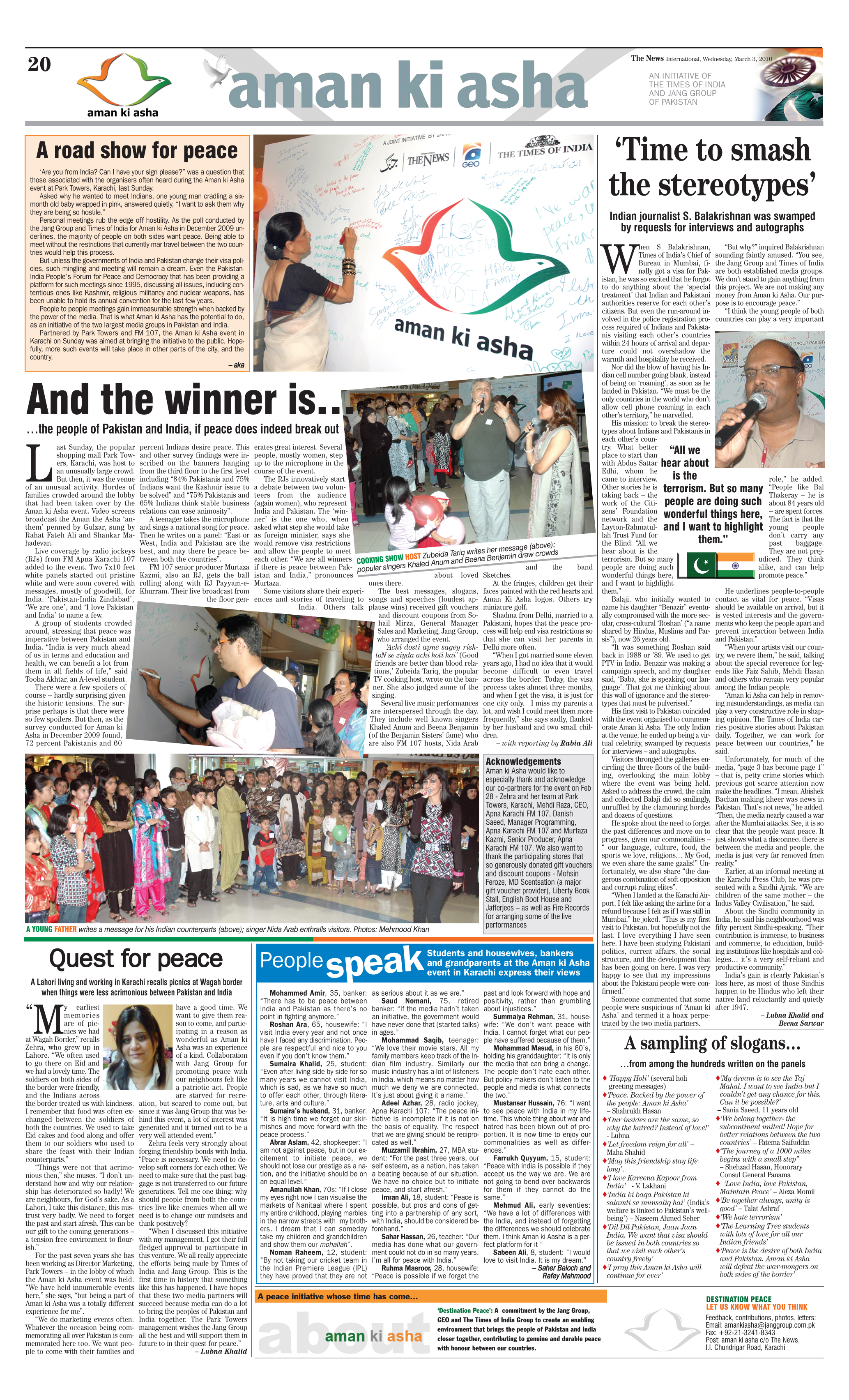
A road show for peace; S. Balakrishnan: ‘Shatter stereotypes’

Below – introduction from the ‘aman ki asha‘ page in The News on Wed, March 4, and thoughts from S. Balakrishnan, Times of India’s chief of bureau in Mumbai who happened to be in Karachi at the time

A road show for peace

`Are you from India? Can I have your sign please?” was a question that those associated with the organisers often heard during the Aman ki Asha event at Park Towers, Karachi, last Sunday (Feb 28).

Asked why he wanted to meet Indians, one young man cradling a six-month old baby wrapped in pink, answered quietly, “”I want to ask them why they are being so hostile.”

Personal meetings rub the edge off hostility. As the poll conducted by the Jang Group and Times of India for Aman ki Asha in December 2009 underlines, the majority of people on both sides want peace. Being able to meet without the restrictions that currently mar travel between the two countries would help this process. Continue reading

Conversations-2: Let’s keep it going

Our second installment of Conversations, below – published in the Political Economy section of The News on Sunday’s Feb 27 edition, Aman ki Asha page, which also includes:

– ‘The Price of Peace‘ by Waqar Gillani on visa hurdles for peace activists

– ‘The MEPIC dimensions‘ by Rafey Mehmood, about a study center established by SZABIST (Shaheed Zulfikar Ali Bhutto Institute of Science and Technology) focusing on the Mid East Pakistan India and China.

Below: Dilip D’Souza and Beena Sarwar continue their correspondence from last week, attempting to share thoughts honestly, without fear and hostility, exploring what divides our countries, and seeking ways to bridge the divide

Feb 23 2010

Dear Beena,

That was a good start, thank you. While I know that terrorism continues unabated in Pakistan, I had no idea of the numbers you quoted to me. 8000 civilians and 3000 security personnel killed in seven years, is a tragic, horrifying toll. I think more of us in India need to comprehend the magnitude of what’s happening today in Pakistan.

There’s plenty in your letter that I’d like to discuss. But for now, I’d like to focus on one theme you brought up. Continue reading

Hope for young Ateeq, a real life ‘Ramchand Pakistani’

Below, a report I wrote on Feb 23, published in The News aman ki asha page of Feb 24 (see accompanying report ‘Prisoners of archaic laws‘ by Rabia Ali), shortly before 12-year old Ateeq’s hearing in Amritsar on Feb 26 – which Asma Jahangir and I.A. Rehman of the Human Rights Commission of Pakistan managed to attend.

12-year old Ateeq from Lahore, currently in the Juvenile Jail in Hoshiarpur, India

Here is an update from Asad Jamal in Lahore on Feb 26:
Release orders were passed for the 12 years old Pakistani boy in Indian Juvenile (Hoshiarpur) Prison after Asma Jahangir appeared in the Juvenile Court in Amritsar today. Now the Pakistan authorities have to complete procedural matters and bring the boy back home. Asma Jahangir met the boy in Amritsar and found him traumatised. She had taken video film of the boy’s father as well some clothes for him. Local lawyers/activists arranged and distributed sweets after the court order. Continue reading