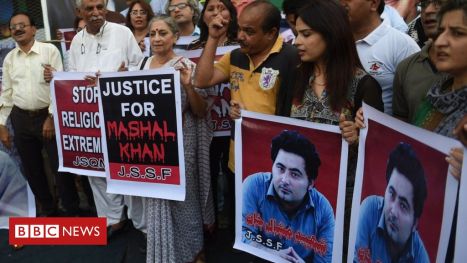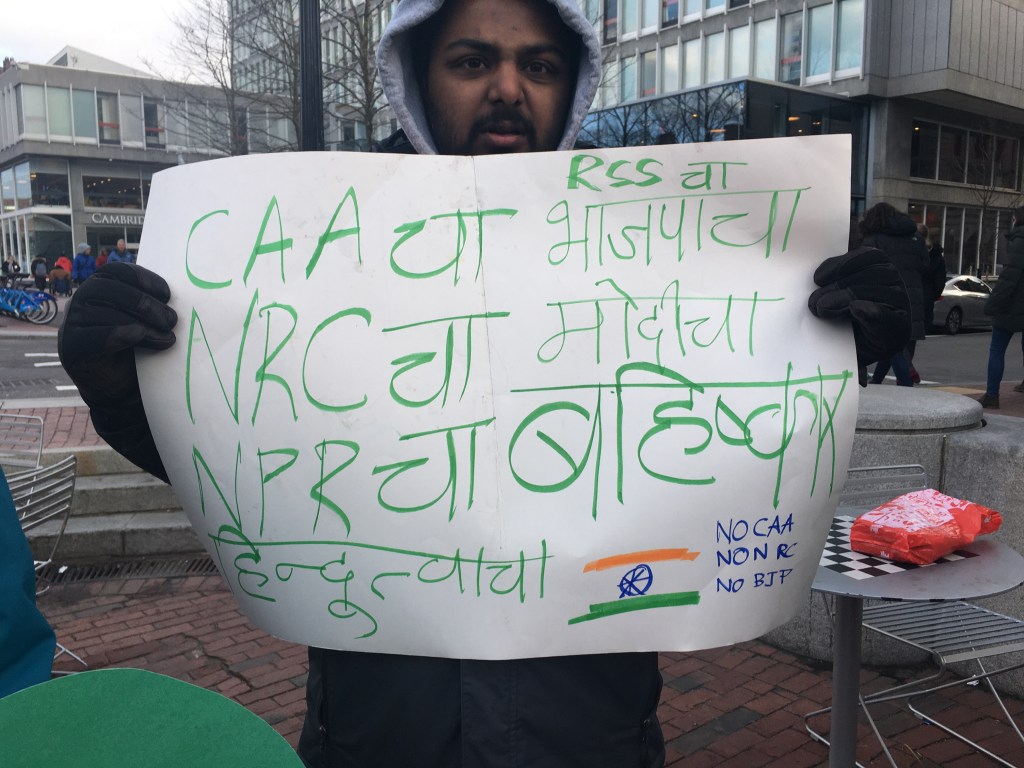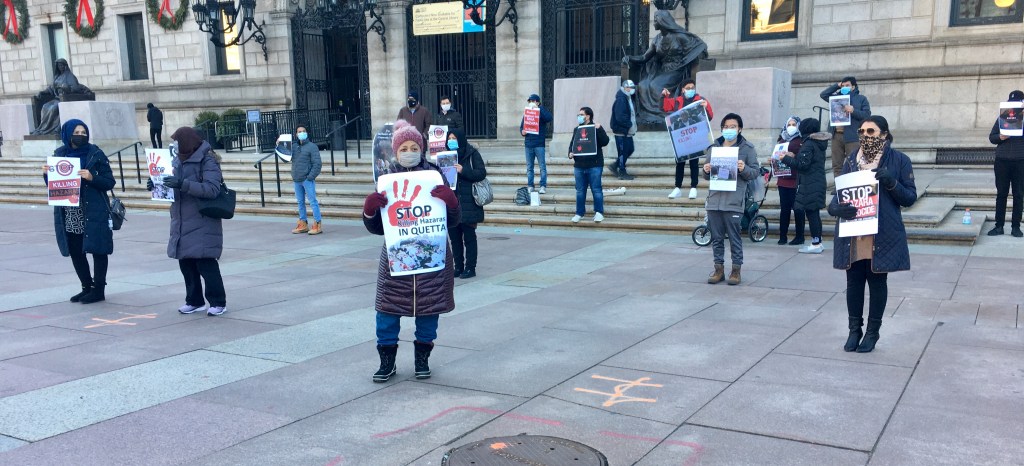
Two demonstrations involving Indians and Pakistanis in Massachusetts once again foregrounded the common issues that the people of the two countries, and elsewhere, face
Wrote this piece published in The Wire some days back – feels like forever now, given the fast pace with which ‘coronamadness’ seems to be taking over the world. Sharing it here anyway.
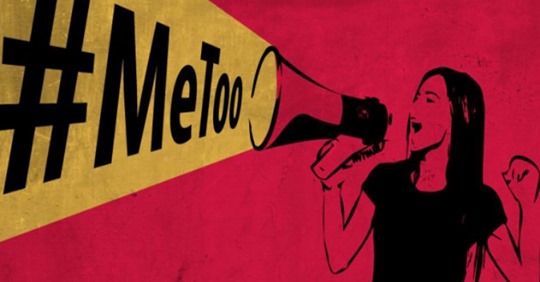
Something I wrote about sexual harassment and abuse, published in The News on Sunday. It was a difficult piece to write, took a lot of thought, time, and research, and forced me to introspect on uncomfortable ideas. I went through a learning process that I’ve have tried to share. One idea links to the concept of restorative justice. Another is that, regardless of whether or not guilt is proven, such cases are forcing society to re-evaluate acceptable behaviour. This, in fact, may be the #MeToo movement’s most enduring contribution.
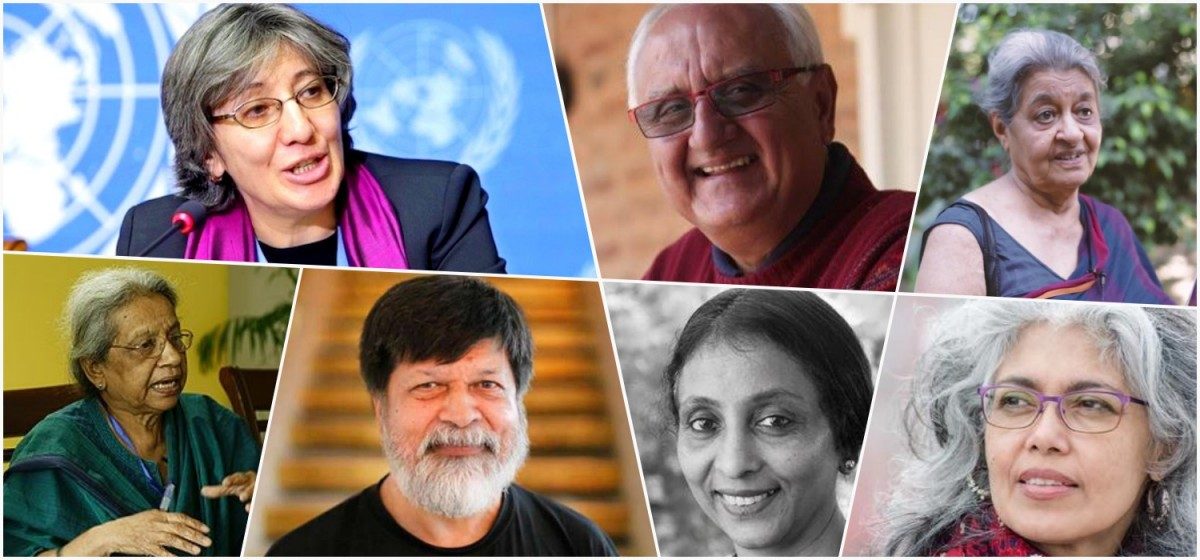
Thanks to friends who initiated this statement in solidarity with the artists, thinkers and people of Sri Lanka, that I have signed along with over 250 other activists, academics and journalists from across South Asia. Please feel free to endorse and share. Signatories include human rights activists from Afghanistan and Bangladesh, journalists from Nepal, Pakistan and India, and historians and feminists from India and Pakistan, among others who have been at the forefront of facing similar realities in their respective nation-states for decades. Full text below, updated from the version published earlier in TheWire.in.
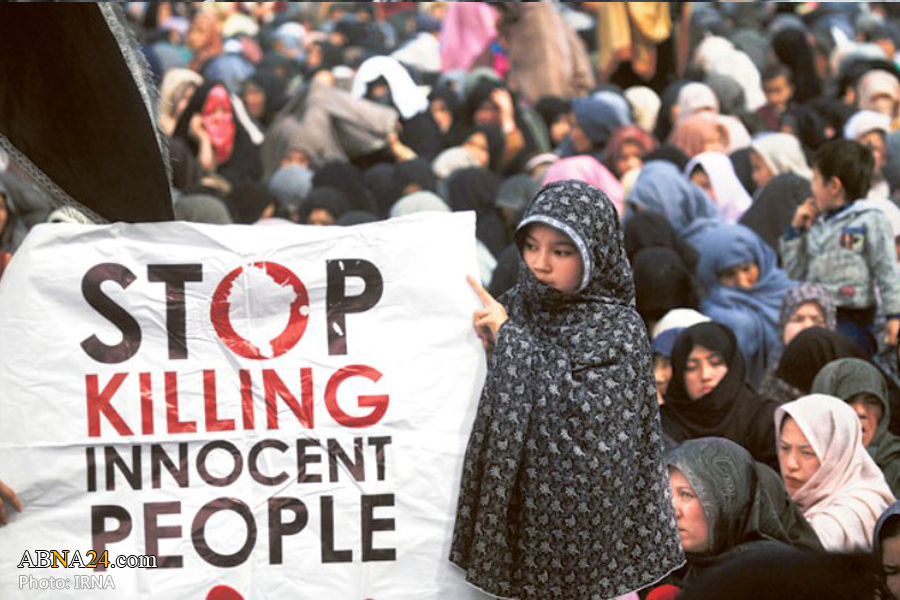
The Hazara community’s sit-in, Quetta, protesting their target killing. Photo: IRNA
Had the Hazaras who were killed in a bomb blast in Quetta died in the Notre Dame fire instead, there might be more outrage about their persecution and targeted killing in Pakistan, comments a designer friend disgusted by the apathy of Pakistan’s elites to the Hazara community’s ongoing sit-in, braving the rain and cold of Quetta while his “timeline is on fire with pix of the burning cathedral and people’s pictures in front of it”. Continue reading →
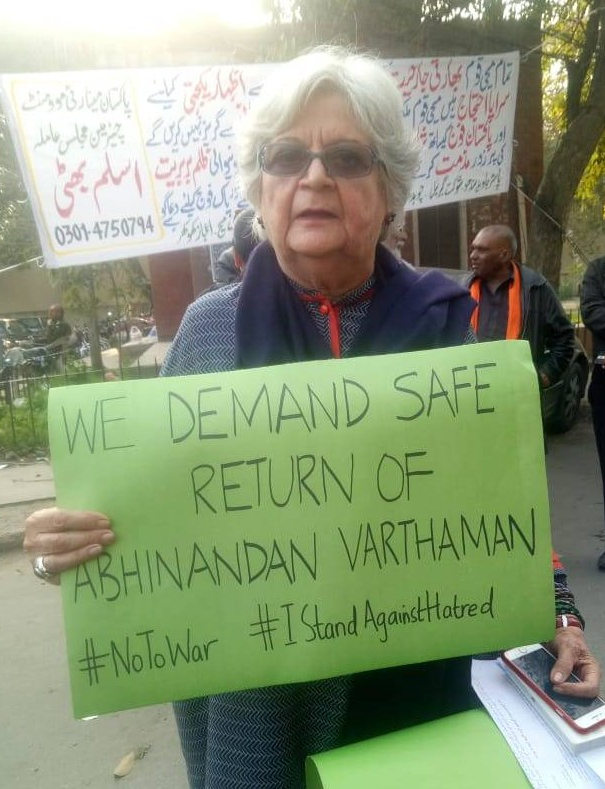
Lahore, 28 Feb: Salima Hashmi holds up a placard demanding that Pakistan return the captured Indian Air Force pilot – a step that Pakistan announced that day.
As tensions between India and Pakistan continue to keep the region hostage people everywhere are stepping up to urge the governments to resolve all issues through dialogue. They include:
27 Feb demonstrations in cities around Pakistan – Karachi, Lahore, Islamabad and Peshawar included the demand for Pakistan to return the captured IAF pilot. A few of the many calls to de-escalate tensions and stop the war-mongering include:
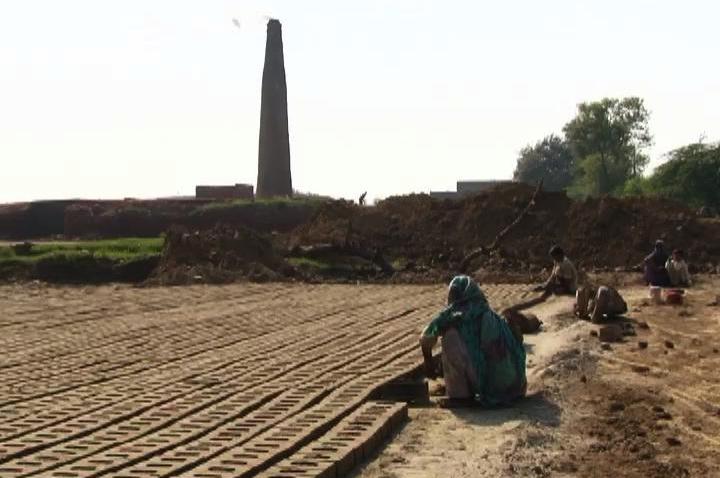
The field on the outskirts of Lahore was full of workers waiting to hear the woman from the city speak. They squatted on their haunches with dull hopeless eyes, the drab greys and browns of their clothes at one with the earth they fashioned into bricks to bake in bhattas — kilns that dot the rural landscape of Punjab and upper Sindh. For their back-breaking labour they were paid in kind, leading to generations of indebtedness as the traditional informal economy transitioned into a cash-based system.
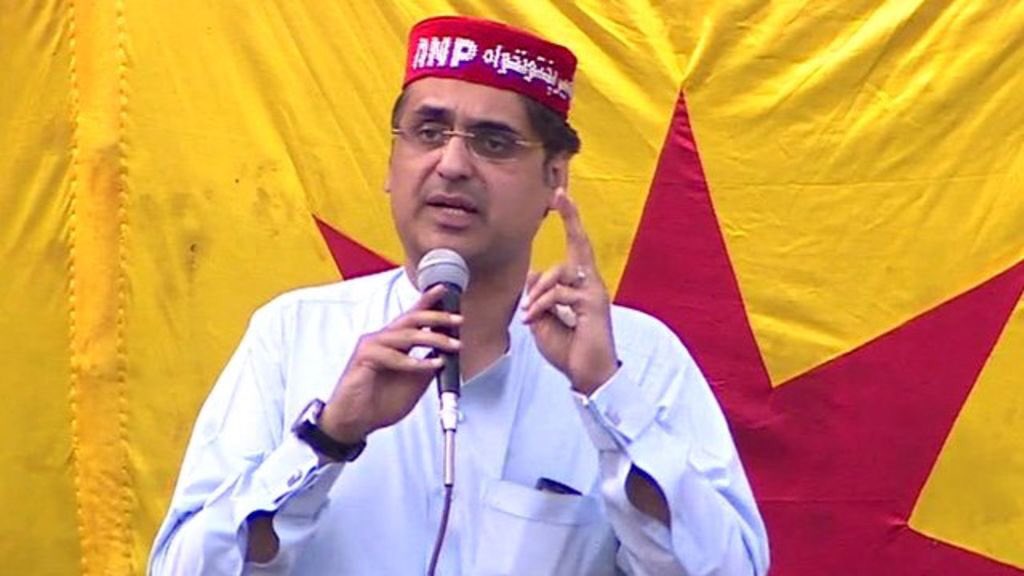
ANP’s Haroon Bilour, whose father was killed in the 2013 election campaign, was among those killed at an election rally in Peshawar on 10 July, 2018.
My comment contextualizing the politics of the upcoming Pakistan polls for India Today’s digital edition Daily O, shortly after a deadly suicide bombing at an election rally in Peshawar. The next day, there were two attacks at election rallies, one in Bannu which fortunately took no lives, and a bomb blast Mastung in which the death toll has risen to over 200.
Politics of the upcoming Pakistan polls
With a queered pitch and biased umpires, Pakistan’s struggle for democracy is far from over
We need to refute the idea that our nation is different from, morally superior to, the other imperial powers of world history.
We need to assert our allegiance to the human race, and not to any one nation.
From progressive.org, forwarded by Isa Daudpota. So relevant not just to USA and the time it was written, but today and elsewhere too.
Howard Zinn’s July 4th Wisdom
4-5 min read
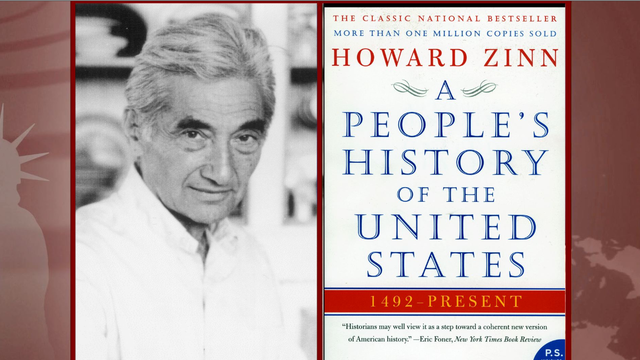
Editor’s Note: The late historian and Progressive columnist Howard Zinn shared these words with us back in 2006. His message is still just as compelling A World War II bombardier, Zinn was the author of the best-selling book A People’s History of the United States.
On this July 4, we would do well to renounce nationalism and all its symbols: its flags, its pledges of allegiance, its anthems, its insistence in song that God must single out America to be blessed.
Is not nationalism—that devotion to a flag, an anthem, a boundary so fierce it engenders mass murder—one of the great evils of our time, along with racism, along with religious hatred?
These ways of thinking—cultivated, nurtured, indoctrinated from childhood on— have been useful to those in power, and deadly for those out of power.
Born 27 January 1952, Lahore; died: 11 February 2018, Lahore.
Co-founder: AGHS law firm, 1980, AGHS Legal Aid Cell, 1983; Womens Action Forum, 1981;
Human Rights Commission of Pakistan, 1986.
Involved in launch of Pakistan India People’s Forum for Peace and Democracy, 1994, and launch of South Asians for Human Rights, 2000.
UN Special Rapporteur: extrajudicial, summary or arbitrary executions, 1998 to 2004; freedom of religion or belief, 2004-2010; situation of human rights in Iran, November 2016 till death.
Elected first female President, Pakistan Supreme Court Bar Association, 2010.