As war drums beat, remembering three departed comrades who stood for peace

It has been a decade since we lost Sabeen Mahmud to a targeted attack in Karachi and since we lost Shayan “Poppy” Afzal Khan to cancer. It is also 20 years since the pioneering environmental journalist Saneeya Hussain died in Brazil. Their peacemongering legacies live on.

Personal Political
Beena Sarwar / Sapan News

On 24 April 2015, a valiant crusader for peace, social justice, creativity and human dignity was killed in Karachi. That tragedy ten years ago deprived a mother of her only child, and many of us of a dear friend.

Social entrepreneur Sabeen Mahmud, 40, was driving home with her mother Mahenaz next to her. A motorcyclist approached while they were stopped at a red light, and shot Sabeen at point blank range. She died on the spot. 

  • Sabeen. Photo by Zaheer Alam Kidvai.

I had known Sabeen since she was a teenager. We were comrades together in several peace initiatives – part of a large, cross-border tribe of ‘peacemongers’ as I call our community. 

Continue reading

What I’ve learned from Noam Chomsky

As news of Noam Chomsky’s failing health makes the rounds, I share some learnings from my interactions with a trailblazing public intellectual whose moral compass has impacted the world


PERSONAL POLITICAL
By Beena Sarwar

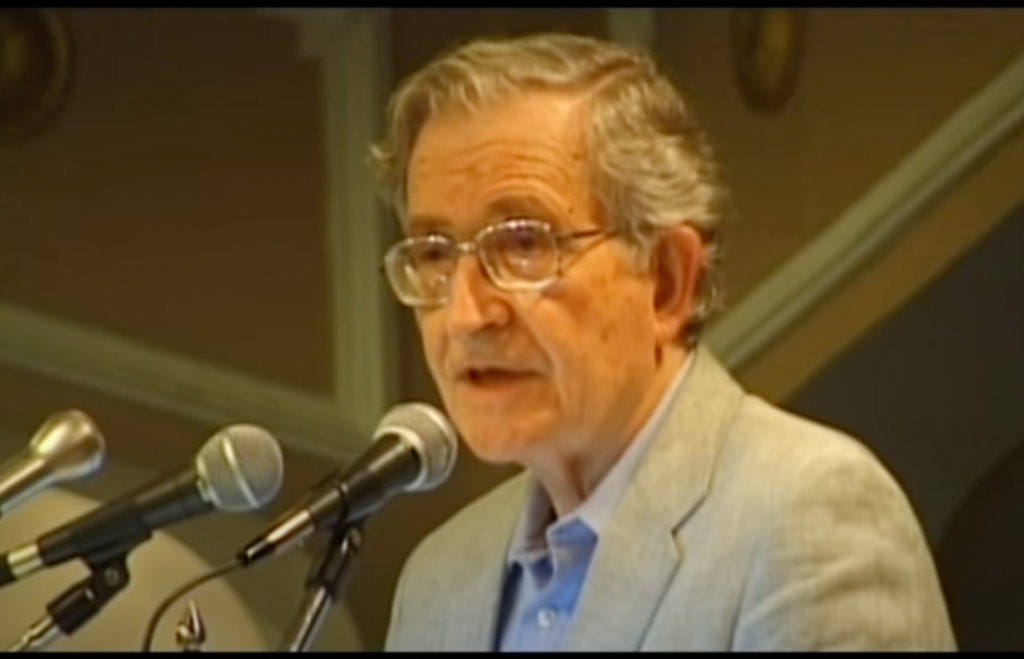
Noam Chomsky in Pakistan, 2001. Screenshot from VPRO news report by Beena Sarwar.

I once asked Noam Chomsky how he manages to remember so many facts and figures and hold audience attention. He replied that he didn’t convey any new information, that his talks are based on materials already in the public domain, and that he simply joins the dots – providing context – and repeats the information consistently and in different ways.

His response was typical of his humility as well as his courtesy towards a much younger person to whom he owed nothing.

Chomsky teaches us that it is not necessary to be loud and sensationalist in order to be heard. This, together with the clear and courageous moral compass he has provided over decades, is a most valuable lesson.

Noam Chomsky was already a legend when I first met him over two decades ago in December 2001 when he visited Pakistan for the inaugural Eqbal Ahmad Memorial lecture series.

Continue reading

Re-visiting Eqbal Ahmad’s book launch at Harvard with Noam Chomsky

A message from the journalist Amitabh Pal about a mutual friend, David Barsamian of Alternative Radio in Colorado reminded me of this piece originally published in The News on Sunday, 8 Oct. 2006, about an event with Noam Chomsky where I first met David. The article is still all-too relevant, but the link no longer works so I’m sharing the piece here without any changes; just added some hyperlinks and photos.

Essential reading – and doing: Eqbal Ahmad

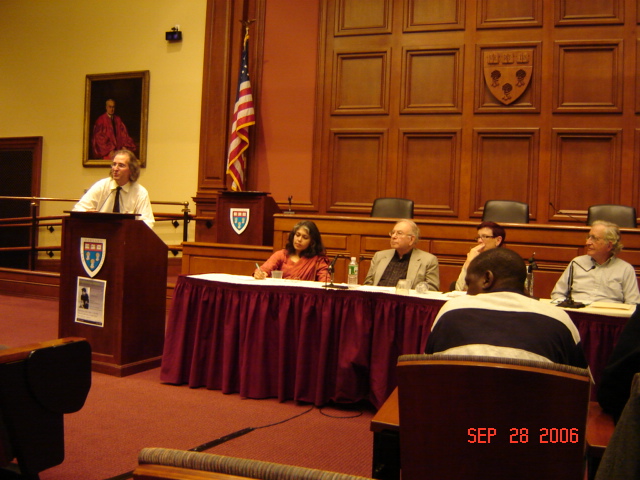
Book launch: The Selected Writings of Eqbal Ahmad, Cambridge, September 28, 2006.

Beena Sarwar

John Trumbour addressing the event. Panel: Beena Sarwar, Stuart Schaar, Margaret Cerullo, Noam Chomsky. Photo: Courtesy MAPA.

When Venezuelan president Hugo Chavez in his address to the UN on Sept 20, held up a copy of Noam Chomsky’s Hegemony or Survival: America’s Quest for Global Dominance (2003) and recommended it as essential reading to understand contemporary world politics, he could have been talking about The Selected Writings of Eqbal Ahmad, for which Chomsky, Eqbal’s long-time friend, wrote the foreword. Chavez identified “the hegemonic pretension of the North American imperialism” as “the greatest threat on this planet” to the survival of the human race.

The book that Jack launched (at HLS)

Chomsky also gave the main address for this collection of Eqbal Ahmad’s writings (Columbia University Press, 2006) at the book’s launch in Cambridge, USA, on September 28. John Trumpbour and Emran Qureshi of the Labor & Worklife Program at the Harvard Law School, who organised the event, didn’t publicise the event too aggressively because of the hype Chavez had generated for Chomsky.

The hall did get quite full, but they didn’t have to turn anyone away at the door. The venue may have had something to do with this. Chomsky, a linguistics professor now retired from the neighbouring MIT, is rarely invited to Harvard. Harvard Law School professor Alan Dershowtiz criticises Chomsky for being too “black and white” but often has to concede the basic truth of the points Chomsky makes.

Continue reading

Commemorating ‘the second 9/11’ and the way ahead

The United States and India should join with other regional powers to deal with the Taliban and help the Afghan people – Noam Chomsky

BOSTON, 27 September: Prominent academic Noam Chomsky has urged the United States and India to engage with the Taliban, work towards overcoming differences with other regional powers, and help the Afghan people rather than blocking ”the best of the options that are available”.

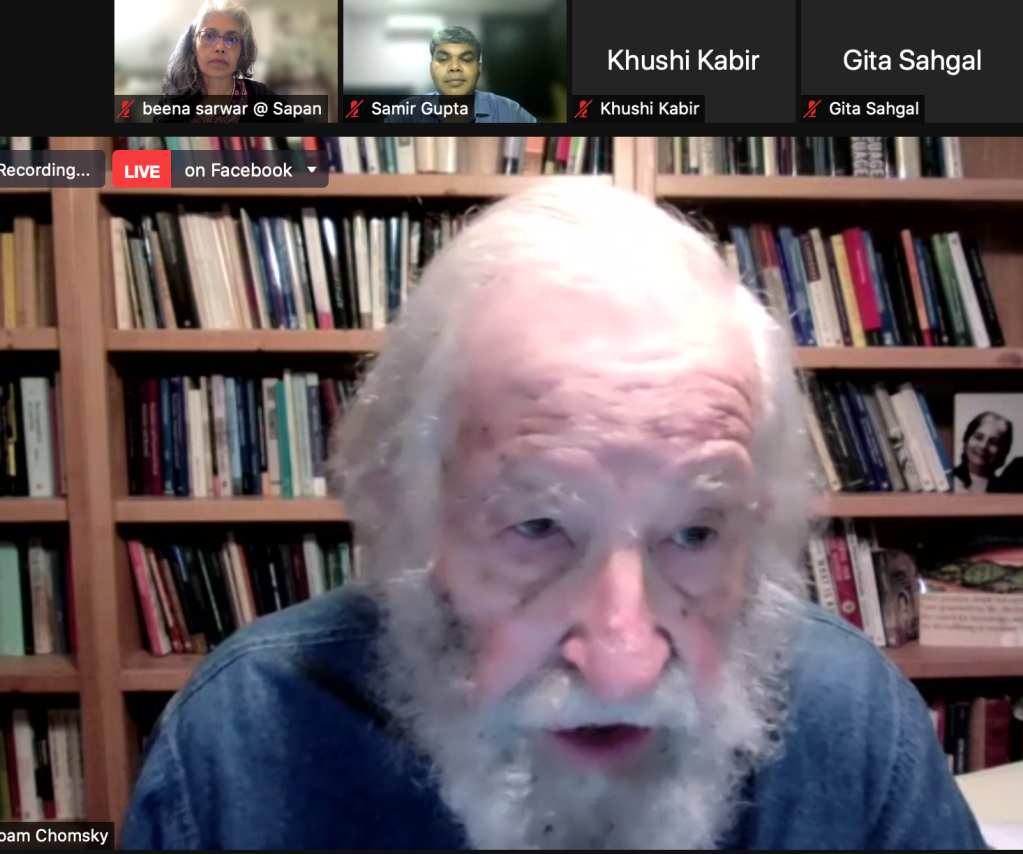
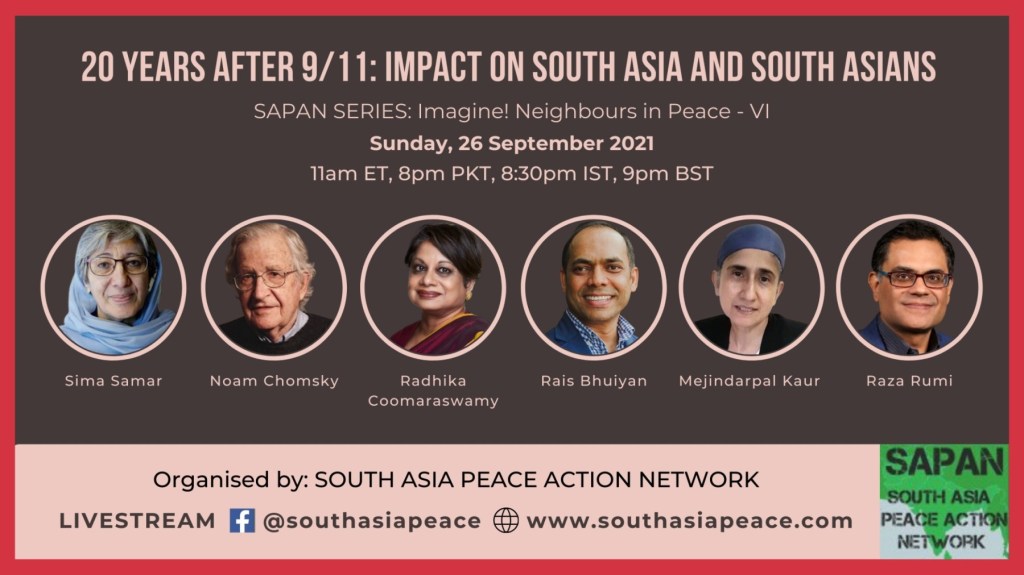
He was speaking last Sunday at the tail end of a webinar titled “20 Years After 9/11: Impact on South Asia and South Asians” organised by the recently launched South Asia Peace Action Network, Sapan. Speakers shared stories of hope and inspiration, besides those of distress and challenges.

Noam Chomsky: Put the Afghan people first. Screenshot from Sapan webinar, 26 September 2021.
Continue reading

Chomsky among speakers at discussion on “9/11” and aftermath: Impact on SouthAsia and SouthAsians

Event banner

Marking two decades of the September 2001 attacks on New York City, global thought leaders and activists from across South Asia and the diaspora will meet across time zones this Sunday to discuss the impact of “9/11” on the region and its people.

The online event also commemorates the global International Peace Day, September 21.

Continue reading

Pakistan Hazara genocide and NotreDame: Waiting for Jacinda?

Hazara sitin-Qta-ABNA

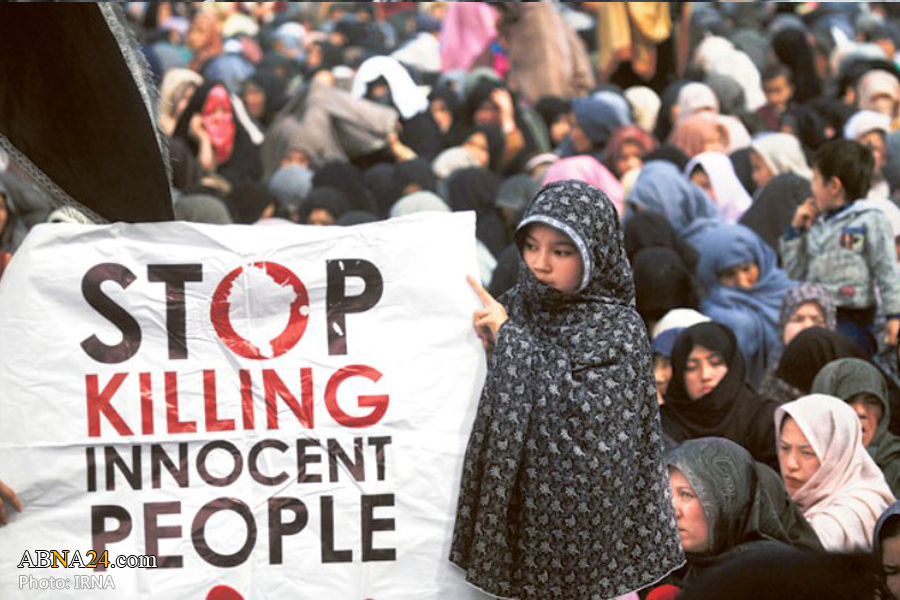
The Hazara community’s sit-in, Quetta, protesting their target killing. Photo: IRNA

Had the Hazaras who were killed in a bomb blast in Quetta died in the Notre Dame fire instead, there might be more outrage about their persecution and targeted killing in Pakistan, comments a designer friend disgusted by the apathy of Pakistan’s elites to the Hazara community’s ongoing sit-in, braving the rain and cold of Quetta while his “timeline is on fire with pix of the burning cathedral and people’s pictures in front of it”. Continue reading

India, Pakistan #SayNoToWar: Global StandOut for Peace in South Asia

Salima-Abhi-27Feb

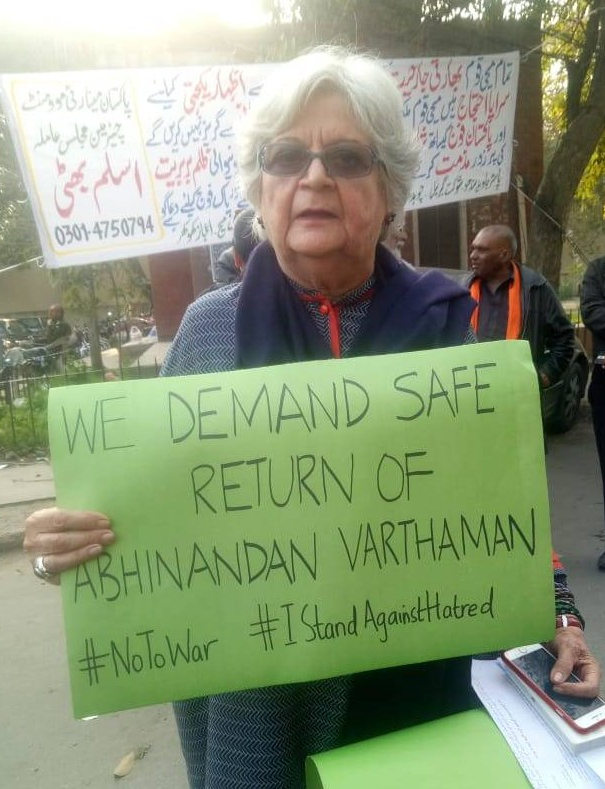
Lahore, 28 Feb: Salima Hashmi holds up a placard demanding that Pakistan return the captured Indian Air Force pilot – a step that Pakistan announced that day.

As tensions between India and Pakistan continue to keep the region hostage people everywhere are stepping up to urge the governments to resolve all issues through dialogue. They include:

Continue reading

Once spy vs spy, former chiefs of RAW and ISI co-author a book

A S DULAT AIRPORT

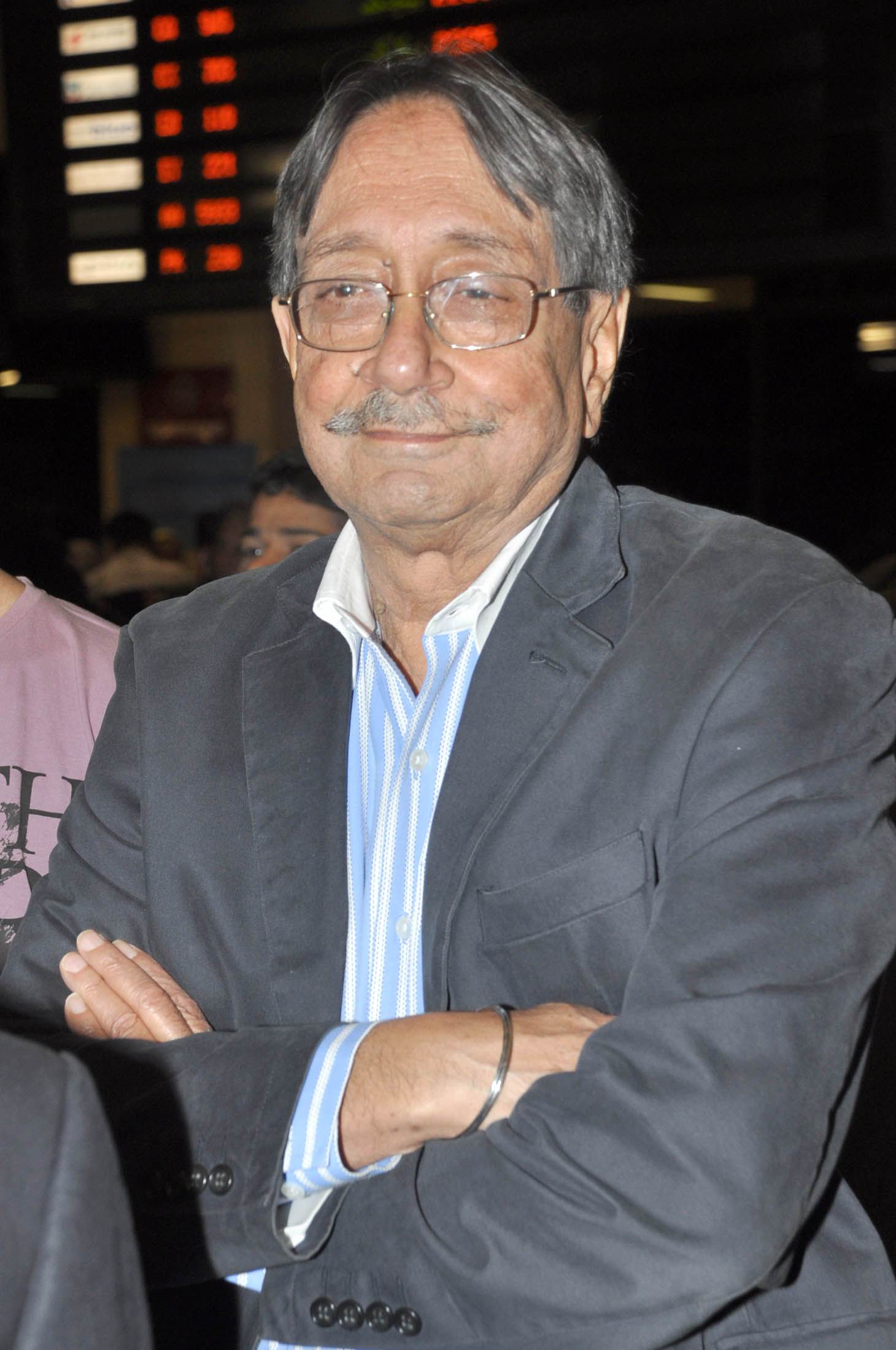
Former RAW chief A.S. Dulat on arrival at Karachi airport for the Aman Ki Asha seminar “Re-engagement for Peace”, March 2011.

A short preview published in Aman Ki Asha the other day about the just published Spy Chronicles co-authored by former heads of India and Pakistan’s intelligence agencies.

In March 2011, Pakistan had an unusual visitor. Among the Indian delegates of a ground-breaking seminar titled “Re-Engagement for Peace” in Karachi was A. S. Dulat, former chief of the Research and Analysis Wing (R&AW).

The delegates were participating in the second in a series of three closed-door ‘strategic seminars’ organised by Maj. Gen. (rtd.) Mahmud Ali Durrani in conjunction with the peace platform Aman Ki Asha jointly launched by the Jang Group of Pakistan and the Times of India in 2010.

Continue reading

A Battle for the Soul of Pakistan

crowd-kid-back

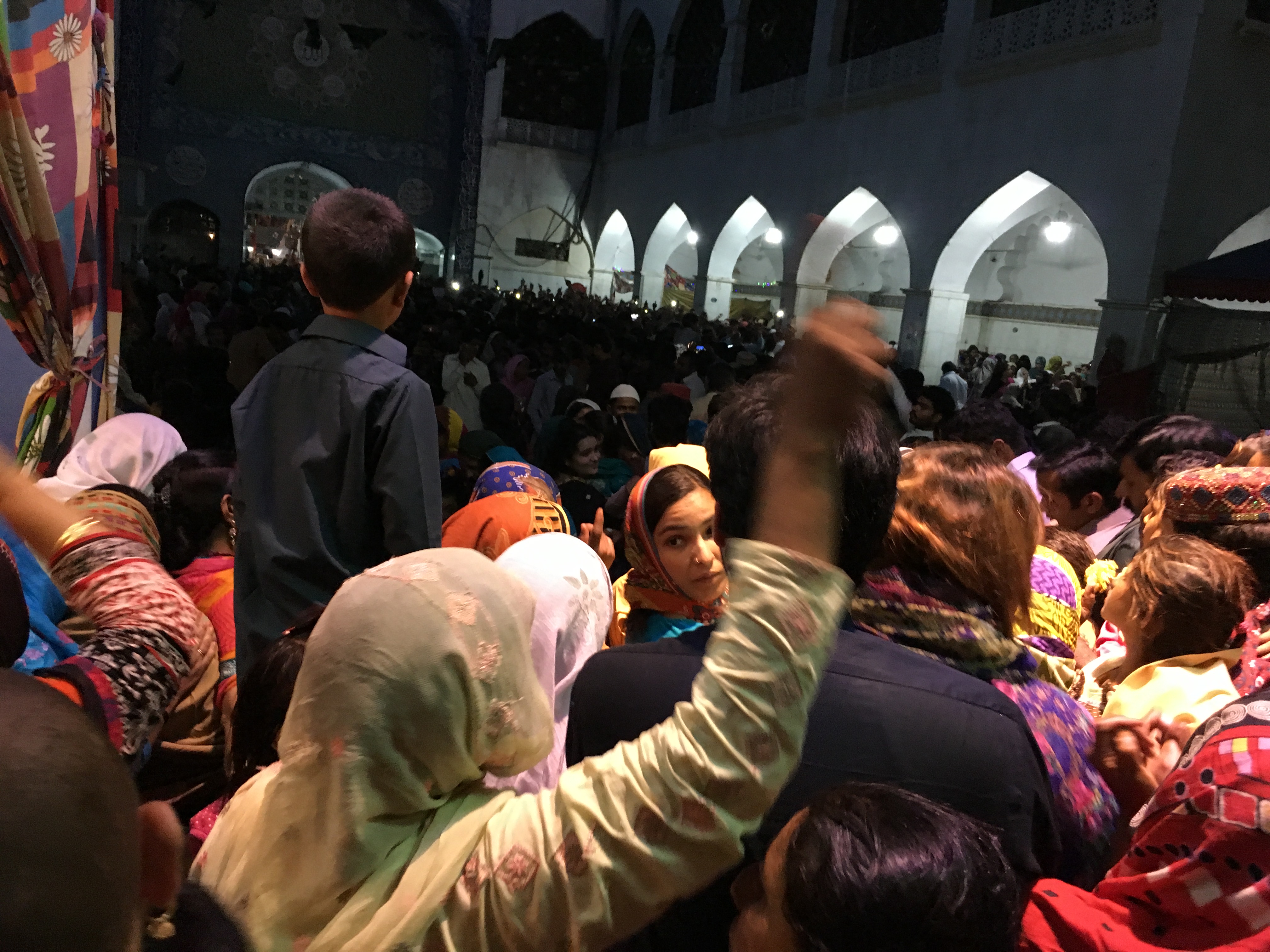
Sehwan: Women and children in the courtyard. Photo: Beena Sarwar

Wrote this in one go about the suicide attack at Sehwan Sharif that claimed over 80 lives. Sick at heart but not giving up. Thanks to friends around the world, especially in India for their messages of solidarity, to the Wire for publishing it so fast and editor Siddharth Varadarajan for the photos used with the Wire piece. We had gone to Sehwan together, along with Nandini Sundar and Aslam Khwaja. Extracts from my article:

I wonder if the bangle sellers outside the shrine are alive. I still have some chunky glass bangles I bought, bargaining more for the sake of it than to save money.

Did the woman bouncing a little girl on her shoulders, chanting and dancing to an inner beat before the drums sounded, go back last Thursday? Did they survive the blast?  Continue reading

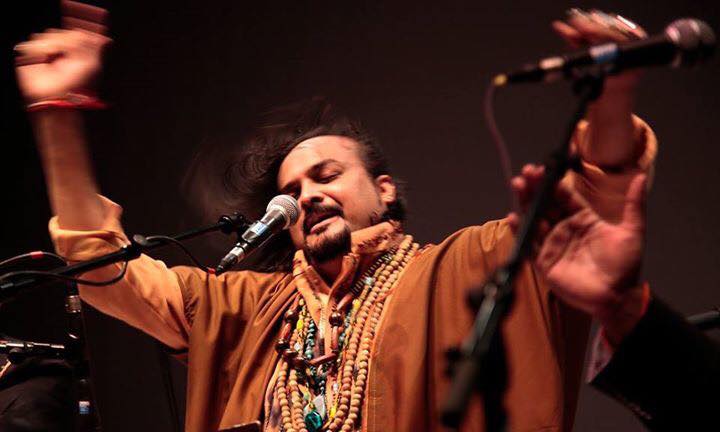
RIP Amjad Sabri, symbol of a syncretic Sufi culture increasingly under attack

Amjad SabriA sad, sad day. Rest in peace, Amjad Sabri, qawwal, shot dead in a target killing in Karachi today. Shortly afterwards, the young naat-khwan, Farhan Ali Waris escaped a murderous attack on his way home from a recording where he had in fact waiting for Amjad Sabri to join him.  A continuation of the trend of killing Shia and Ahmadi doctors for their faith, now musicians…? But Amjad Sabri was not just a ‘musician’.

Continue reading