The dream that MLK articulated may seem distant, but we’re moving towards it

I began writing this piece some time ago, after watching Ava DuVernay’s ‘Origin’ at a friend’s place in Chicago – appropriate because that’s where Dr. King did a lot of his activism. Today seemed like a good time to finish it.

There is more awareness about systemic racism, caste oppression, and gender rights than ever before but we have a long way to go to achieve the dream of equality, justice and human dignity embodied by Dr. Martin Luther King. Those who fear change will continue to fight it. The struggle continues

Personal Political
By Beena Sarwar / Sapan News

The third Monday of January, which falls this year on the 20th,  is a federal holiday in the U.S., in honour of Dr. Martin Luther King Jr.’s birthday. Born on 15 January 1929, Dr King was assassinated on 4 April 1968. A bill passed by Congress led to his birthday being commemorated  as a federal holiday on the third Monday in January since 1986.

The U.S. Presidential Inauguration also takes place on 20 January. This will mark the third time ever for a president to take the oath of office on the holiday designated for Dr Martin Luther King – the earlier two were President Bill Clinton and President Barack Obama. 

Dr King’s children have urged supporters to hear what President Trump has to say, even if they do so later.

The ideals of equality, justice, human dignity, and peace that Dr King stood for remain relevant, opposed by those threatened by these concepts.

Martin Luther King, Jr.
A photo of a photo from the Martin Luther King, Jr. Memorial Center in Atlanta, Georgia, by Matt Lemmon.
Continue reading

Sapan shines at the WISCOMP Saahas awards in Delhi – a video and a report

Hello friends – I’m still in Boston, waiting for permission to visit India. The WISCOMP Saahas (courage) awards ceremony I wanted to attend on 16 December is over, but I am still like to go and visit my friends and family, and show my Sri Lanka documentary at various places including the Bangalore International Center, the IIC, Delhi, and in Chennai – police in all three cities have given clearance as far as I know.

Sharing the edited version of the WISCOMP awards ceremony below – they had taken it offline to edit out the Afghan and Bangladeshi activists who were kept anonymous. Don’t miss the inspirational speeches by the awardees and thoughtprovoking documentary on the courageous journalist Patricia Mukhim from India’s North-East (I love her singing in it and now I know where her love for plants and nature comes from).

Here is a report about the event in The Wire – I’m delighted they used a photo of featuring the wonderful community of Southasia Peace Action Network (Sapan) Peacemongers who joined my dear friend and colleague, journalist Mandira Nayar on stage after she accepted the award on my behalf from Dr Syeda Hameed, a Sapan founder member and advisor. It was wonderful and moving to see Aekta Kapoor, Ruchira Gupta (also a Saahas awardee), Parshu Narayan, Reema Amin, and the veteran peace activist O.P. Shah from Kolkata come together – thank you WISCOMP for inviting them.

Other wonderful members of our community were present but remained seated, like the inspirational activist Harsh Mander of Carvan-e-Mohabbat, poet and writer Sagari Chhabra, and journalist and activist Rita Manchanda.

Mukta Lall, daughter of the poet Jagannath Azad, was also present but had to leave before my name was called. We’ve been been in communication with for years but never met. It was Mukta ji who provided me with a scan of her father’s Urdu poem that served as Pakistan’s first national anthem – well documented, although there is no official record.

How can India and Pakistan ‘win without fighting’?

The keynote speaker at TCF Boston fundraiser this year was Indian – and it wasn’t ‘bad news’. On the contrary. Check out Shashi Buluswar‘s cricket documentary that I’ve included in the article. Plus a discussion with ‘peacemongers’ hosted by a center in Kolkata the same day. Why can’t our political leaders take a leaf from Mani Shankar Aiyar’s relationship with his old friend Javed Jabbar, a self-proclaimed “chauvinist and narrow-minded Pakistani” — they disagree on almost everything yet are “the closest of friends”. (Note: for more photos, go to the piece published on Sapan News)

Shashi Buluswar: Cross-border solidarity. Photo by Bobby Guliani/Corporate Photographers

PERSONAL POLITICAL
By Beena Sarwar

“By now you will have got the bad news,” said the keynote speaker after being introduced. “I’m Indian”.

There was laughter and warm applause from the largely Pakistani or Pakistani-origin audience.

Not only was it not ‘bad news’, but the speaker’s support for the cause he was advocating for, beyond borders and boundaries, was even more appreciated because of his Indian origin.

Going by the media – and social media – you’d think we all hate each other. Not true.

Continue reading

This Sunday, 10 min, #be4peace, Sapan News features; a compilation of readings, poems, videos

I woke up on Wednesday morning wondering if people would take time out to be still for 10-15 min on the same day, to collectively visualise peace, to engage in prayer, meditation, or just breathe and be calm in the midst of strife and violence. And maybe that stillness, if echoed by around the world on the same day will have an effect.

This developed into the global virtual vigil by Southasia Peace Action Network, or Sapan, taking place this Sunday across different time zones. We asked people to spare 10 minutes to #be4peace, in their own way, anytime between 10am-12 noon in their own time zones.

Old friend and fellow peacemonger Mazher Hussain in Hyderabad, India, who runs the Confederation of Voluntary Associations, India, activated his contacts. Interfaith scholar and activist Urmi Chanda in Mumbai made a visual, tweaked by another volunteer, Srinivas at COVA.

#be4peace image by Urmi Chanda: The watermelon as a symbol of resistance.

By Saturday night, over 40 organisations had endorsed the call, along with dozens of peacemongers around the world, from Australia to the U.S. west coast. We even got pledges from Tel Aviv, France, and Croatia. See list of public endorsements at the Sapan website.

On another note, I am thrilled that the latest Sapan News features includes a piece by Rumi Nagpal, a high school student in Colombo on learnings from an uprising and his late grandmother who was a theatre artist. And Rajeev Soneja in Boston shares his take on India-Pakistan cricket drawing from a great archive of cricket books, with some historic photos shared by my old friend, news photographer Rahat Ali Dar in Lahore.

Lastly, sharing below a compilation of what I’ve been reading and watching, in no particular order.

Continue reading

Lessons from journalism, tai chi, and life

Exploring a way of looking inwards, confronting my own demons, and competing with my own best self

My Harvard Commencement keynote speech at the first affinity graduation celebration for AAPIDA – Asian Pacific Islander Desi-American, Harvard University, 23 May 2022

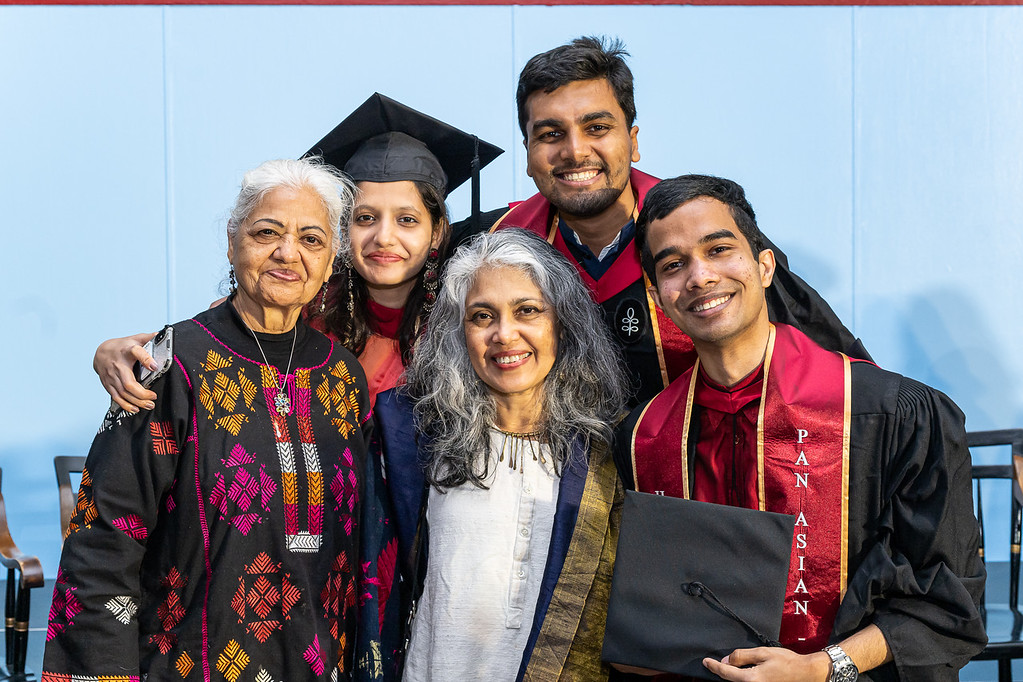
With my mother Prof. Zakia Sarwar, plus Harvard School of Education graduates after the ceremony: Najwa Maqbool and Nishant Singh from India, and Nigel Gray from Sri Lanka. Their families couldn’t make it so we were glad to be there for them. Photo: Lipofskyphoto.com

Beena Sarwar, video and text of speech below. Also published in Sapan News Network

Continue reading

Sara Suleri bows out

Sharing personal memories of the brilliant Sara Suleri whose genre-defying book Meatless Days inspired generations of writers, feminists, memoirists and dislocated Southasians. Thanks Ailia Zehra at The Friday Times for asking me to write this piece. Published as a Sapan syndicated feature in TFT, The Wire, Geo TV blog, South Asia Monitor and The Print – shared here with additional pix and links.

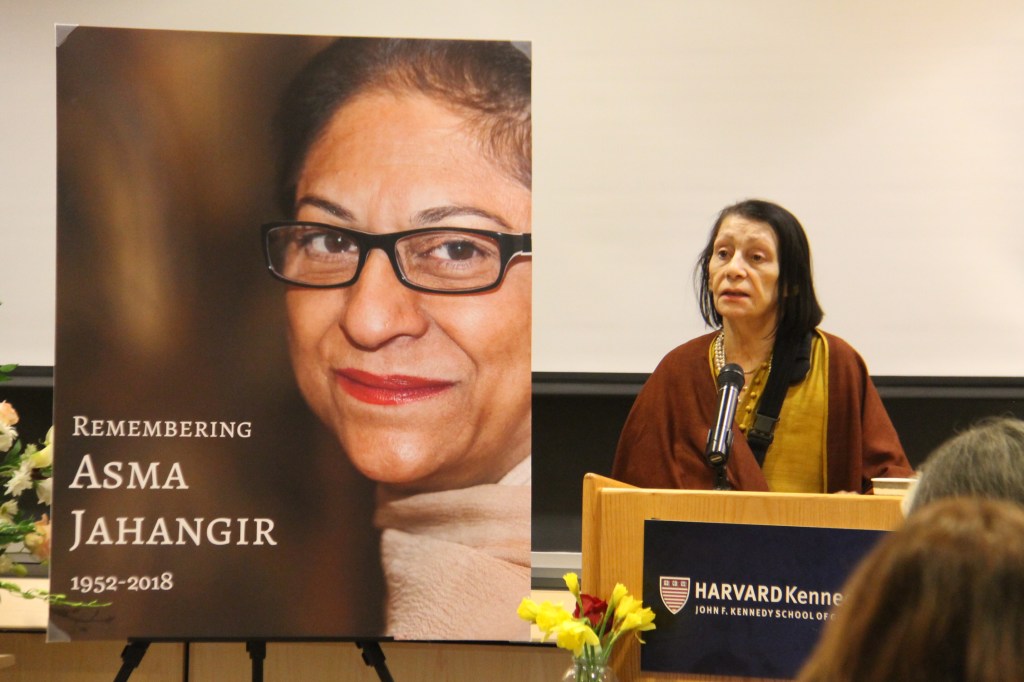
February 2018: Sara Suleri pays tribute to Asma Jahangir. Photo: Beena Sarwar.

PERSONAL-POLITICAL

By Beena Sarwar

March 25, 2022, Sapan News Service:

Aur bataiye” – tell me more, a polite invitation to keep talking. I can hear her voice, perhaps naturally husky, made deeper with years of cigarette smoking and perhaps more recently with pain and other medications.

She’d send her love to Pakistan whenever I’d call before flying out from Boston, where we had both ended up around ten years ago – she after retiring as Professor Emeritus of English from Yale University. I had transplanted myself from my home city Karachi where I was editing Aman Ki Asha, hope for peace – between India and Pakistan.

“Dream on!” I hear Sara say. And yet, she agrees, it’s important to keep going. She’s also a hundred percent supportive of our push for a regional approach – the South Asia Peace Action Network, or Sapan, the more recent endeavour, launched last year with a wonderful group of inter-generational, cross-border peacemongers.

Continue reading

Chakwalians, Rotarians to gather for “a tsunami of peace” reunion at Kartarpur Corridor

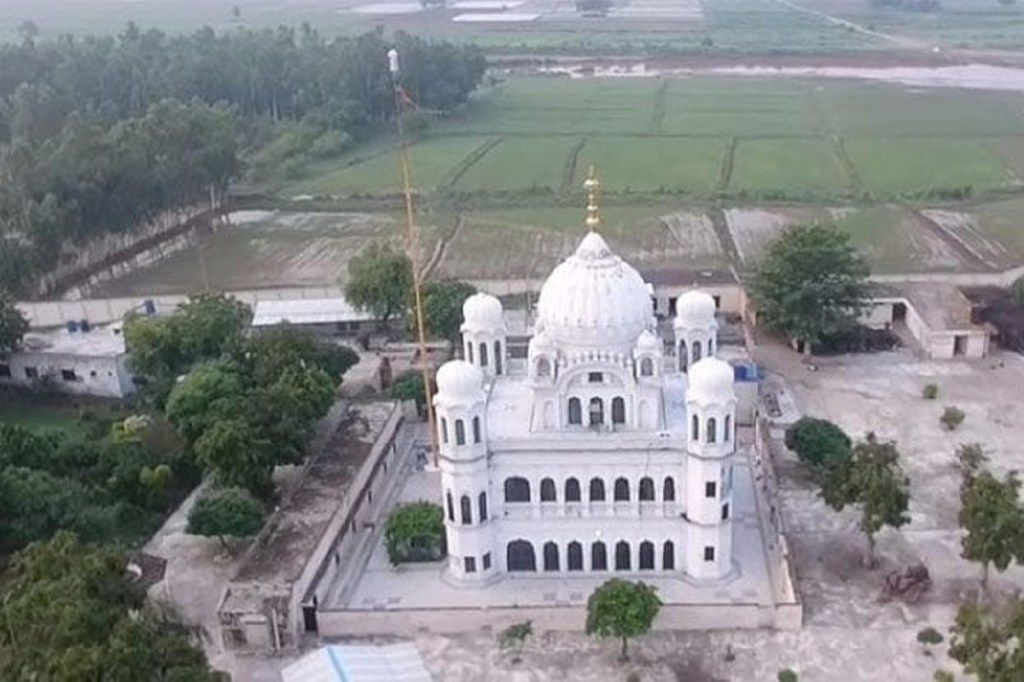
Gurdwara Darbar Sahib Kartarpur: Bringing people together. Image credit: Facebook/@syed.alli

Dozens of Indians and Pakistanis with ancestral roots in Chakwal will meet up mid-week at Kartarpur Darbar Sahib in Pakistan, taking advantage of the visa-free corridor inaugurated in November 2019 by Prime Minister Imran Khan for Baba Guru Nanak Dev’s 550th birthday celebrations.

Delhi-based Rotarian Anil Ghai, whose own family has strong connections to Chakwal since before Partition in 1947, will lead the Indian delegation.

The family had to flee with whatever belongings they could take, in a Dakota aircraft, remember area natives. Ghai’s visit to Pakistan in 1996 had led to rekindling those ties.

The establishment of Chakwal International Group about six months gave momentum to the upcoming ground-breaking meeting planned for Wednesday, 23 February.

“Everyone is welcome, they do not have to be Rotarians,” says Mohammed “Mo” Ayyaz, a Rotarian in London who is also from Chakwal and one of the driving forces behind the initiative.

Continue reading

Talking to the Indian diaspora on India-Pakistan: Youth, Media, Aspirations, Common Issues

A couple of weekends ago I was invited to share my thoughts with Indian Diaspora Washington DC Metro on a topic close to my heart: India-Pakistan: Youth, Media, Aspirations, Common Issues. I posted the information to social media and was amazed at the response – the most I’ve had for any post in a long time. An indication of the passions and aspirations associated with this issue. Sharing a recording of the video below.

Coincidentally, this event took place barely a week after the Directors General of Military Operations (DGMOs) of India and Pakistan’s agreement that came into effect at midnight Feb. 24/25, to implement the 2003 Ceasefire that couldn’t have happened without high level approval. Then a couple of days ago, the Pakistan Army chief in a speech reached out to India, saying it’s time to bury the past, move forward – read my friend Nirumpama Subramaniam’s analysis in The Indian Express here.

Here’s the talk I gave. They edited out the worst of the abuses. but you can still see some of the trolling that took place. Just a glimpse of what we are up against when we stand for peace, countering the military-industrial complex:

(ends)

Tribute to a nationalistic hawk-turned-peacemonger with a SouthAsian vision

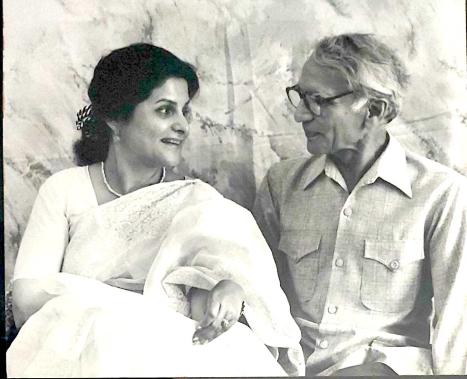
Lahore, 1992: Dr Syeda Hameed with Dr Mubashir Hasan, uncle, comrade and mentor. Photo by Reza Kazim.

With the world in the grip of the novel coronavirus pandemic, it’s hard to find space for anything else. As horrors unfolded in country after country, exposing the hollowness behind military might, glittering capitalist facades, and exploitation, a gentle soul slipped into the hereafter at his house in Lahore. At 98, he had spent the last half of his life fighting for exactly the kind of egalitarian, people centered system that would have mitigated the ravages of Covid-19. There have been some wonderful tributes to Dr Mubashir Hasan. Two of the best I’ve seen are by his old friend I.A. Rehman and Indian journalist Nirupama Subramaniam in Indian Express, also published in Aman Ki Asha.

Below, my tribute to Dr M. in The News on Sunday last weekend, a follow up to my piece in The Wire earlier. Also below, two previously unpublished pieces I am honoured to present here — a powerful, poignant poem in Dr M’s memory by his niece in Delhi, and a lively little remembrance by a 12-year old based on her memories of the Chaukas collective meetings she attended with her mother, that led to A New Social Contract published by Dr M, 2016. Also linking here this tribute in Mainstream Weekly magazine, Kolkata, founded by Dr Mubashir’s friend Nikhil Chakravartty — “one of the greatest journalists of the subcontinent” as Dr M called him — now edited by his son Sumit Chakravartty.

Continue reading

Cambridge event Standout for Peace in solidarity with #StandWithKashmir

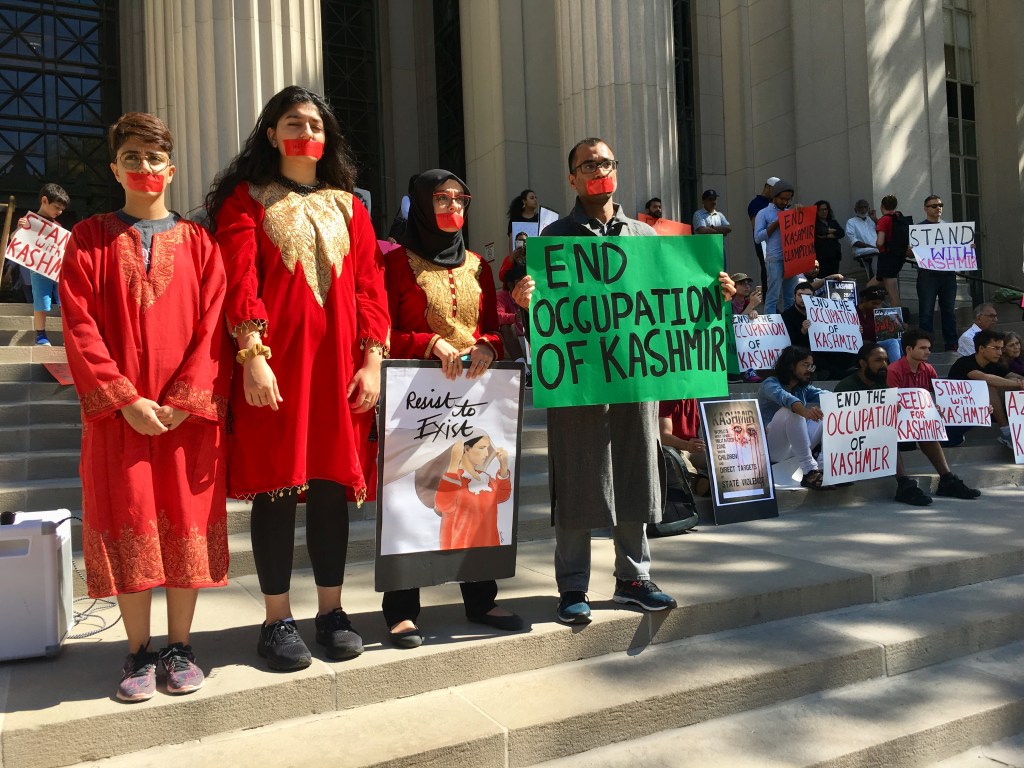
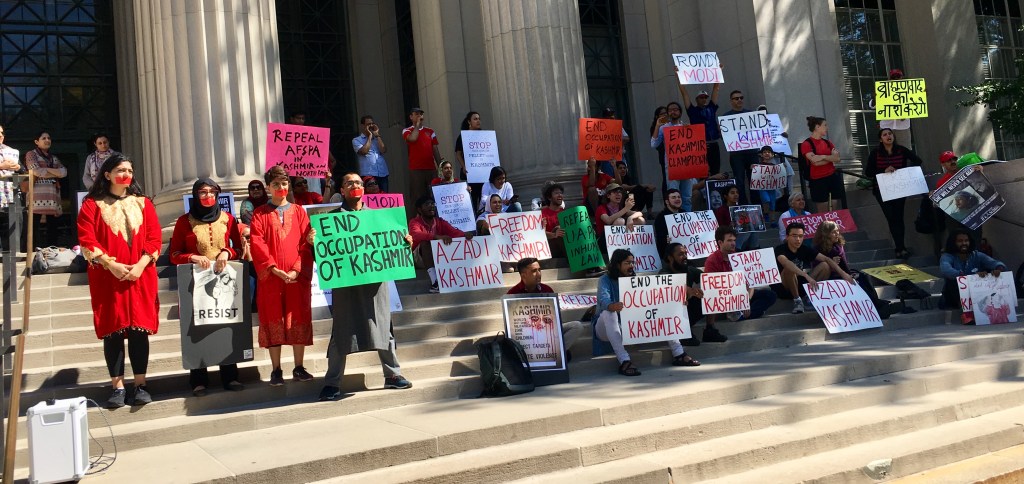
Demonstrators at MIT, part of a series of peaceful world-wide protests in solidarity with Kashmir on the weekend of 21 September, International Peace Day. Photo: Beena Sarwar

Published in Cambridge Chronicle, September 24, 2019.

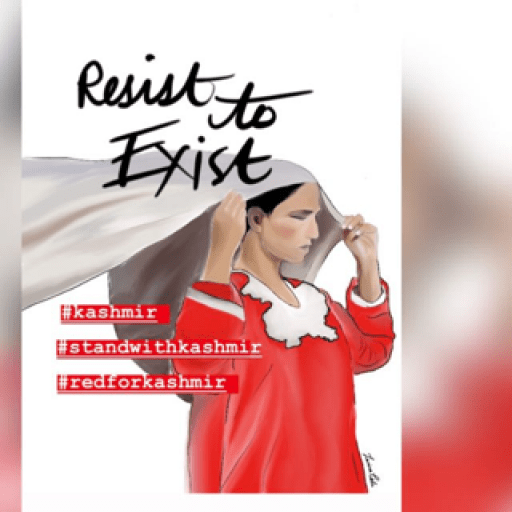
Sunday, 22 September, Cambridge MA: “Resist to exist” proclaimed a placard on the steps of MIT. The placard featured the picture of a woman in a red pheran, the long woolen tunic traditionally worn by Kashmiris from the Himalayan region in India’s north-west tip.

Visual by Zarina Teli, based on a photograph by Sumaya Teli.

The woman holding the placard also wore a red pheran, her mouth taped shut like the others in the pheran-clad group she stood with to symbolize the communications blackout in her home state since 5 August this year. The pheran reflects an iconic image that has become integral to the Kashmiris’ resistance movement, as covered by NPR news recently (Finding resistance in fashion, Kashmiri creator turns to the pheran).

The color red, taken up by thousands in their social media profile images, has come to symbolize the Kashmiris’ spirit of resistance and defiance.

The woman and her companions stood with other peace-loving South Asians and friends on the steps of MIT this past Sunday at noon, to demand that the Indian government “immediately restore communication in Kashmir, remove the draconian measures enforced in the name of security and order, and respect Kashmiris’ right of self-determination”.

Boston event – Global Standout for Peace in South Asia. Photo: Beena Sarwar

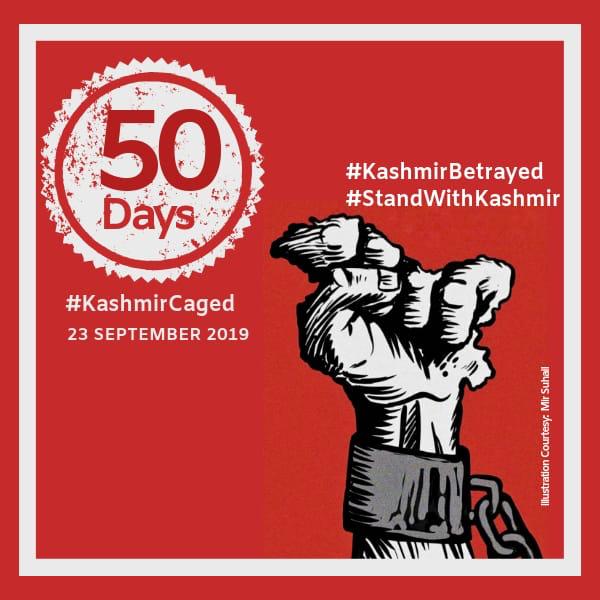
The next day, Monday 23 September, marked Day 50 of “the unprecedented and total communications blackout for 8 million Kashmiris enforced on them by the Indian government. Kashmiris, living in the most militarized region on earth, now fear that the present communications blackout is part of a larger plan to ‘ethnically cleanse’ Kashmir,” according to the statement read out at the event.

The event at MIT was part of a series of peaceful protests that weekend in solidarity with the Kashmiri people, coordinated by a small coalition called the Global Standout for Peace in South Asia.

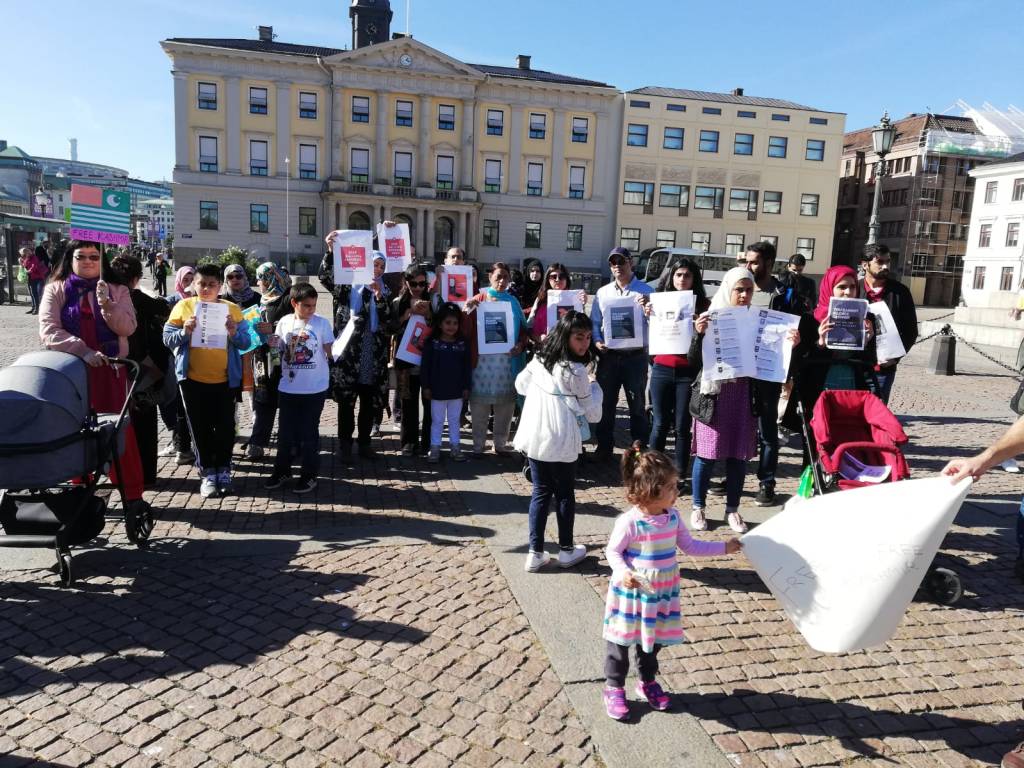
Besides Boston, the Standouts took place in the San Francisco Bay area, Kolkata (India), Gotenburg (Sweden), Islamabad (Pakistan), and Kathmandu (Nepal), on the same weekend as Indian Prime Minister Modi shared the stage with U.S. President Trump in Houston. Solidarity with Kashmir protests took place in Houston also, as well as Seattle WA.

Standout for Peace in solidarity with Kashmir, Goteburg, Sweden

Nuclear-armed neighbors India and Pakistan both lay claim to Kashmir. The Global Standout protestors showed their rejection of these territorial claims by not carrying the flags of any nation or state.

Supporting organizations in Boston included Massachusetts Peace Action, CODEPINK: Women for Peace, MIT Students Against War, Stand With Kashmir, Coalition for Democratic India, Alliance for a Secular and Democratic South Asia, and Boston University Students for Justice in Palestine.

Addressing the participants, Cambridge City Councillor Sumbul Siddiqui encouraged them to keep ‘speaking out for justice’.

The event ended with a drum sounding 50 beats, one for each day since the communications lockdown up to that point.

(ends)