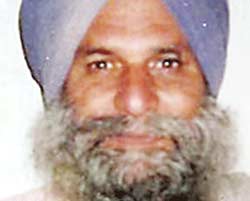
The media and Surjit Sarjit Sarjeet Surjeet Sarabjit Sarabjeet

Update to my earlier blogpost on Surjeet/Sarabjit – it seems that my initial tweet was correct:

According to the timeline compiled by CNN-IBN, the news of Sarabjit’s releases was ‘broken’ by the Pakistani TV channels at 6.50 pm (IST) on June 26, followed by the Indian channels picking up the news ten minutes later. Talking to the Indian media after crossing Wagah, Surjeet said that the media had created this confusion, as no summary of Sarabjit’s case had been forwarded and therefore the question of his release didn’t arise. Continue reading

Surjeet and Sarabjit: IndPak prisoners’ issue

I was on live via telephone with Rajyasabha TV (a TV channel run by parliament of India) yesterday. The sound was very bad so I don’t know if people heard what I said. Here are my main points: 
1. Yes, it’s disappointing for Sarabjit Singh and his family that he was not released, but there are people working for his freedom too. Meanwhile, let’s be happy for Surjeet, imprisoned since 1984, and his family. [Postscript: In his press conference in India after being released Surjeet Singh said that it was the media that had created the confusion about Sarabjit’s release; no summary for Sarabjit was sent or received.]
2. There are people on both sides who don’t want peace between the two countries. These setbacks happen and will keep happening but we are on the right track, dialogue will and should continue, it’s part of a process Continue reading

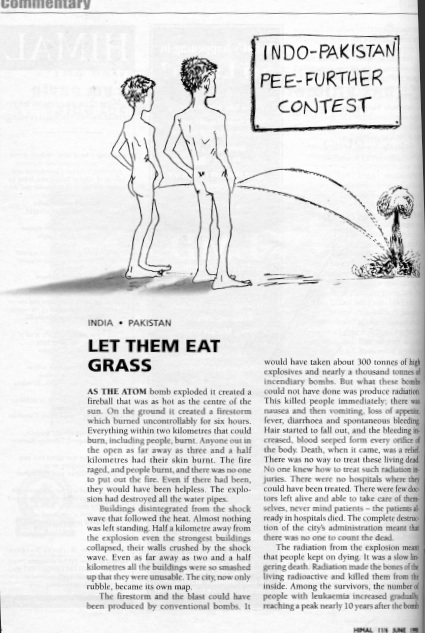
Cartoon and comment: Indo Pak pee further contest, May 1998

In Kathmandu for a meeting, on May 28, 1998 when Pakistan retaliated to India’s nuclear tests with its own, I found my journalist friend Kunda Dixit trying to draw this cartoon, that I re-drew for him. It was published with the commentary “Let them eat grass” in Himal Southasian, June 1998. I’d been trying to find it – thanks Roman Gautam at Himal for emailing the page scan.

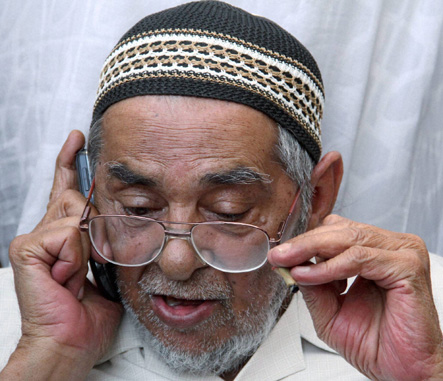
Dr Khalil Chishty is back home – three cheers for candle-light peaceniks

Ajmer: Dr Chishty talks with his family after his release from jail in Ajmer on May 9, 2012. PTI Photo

A post by my Delhi-based journalist friend Shivam Vij in Kafila but he modestly leaves out his own role in this – it was his idea to get President Zardari briefed about the Dr Chishty case before he left for Ajmer. Thanks to Farahnaz Ispahani for getting the information to President Zardari, following up via Bilawal Bhutto who accompanied the President, and ensured that the matter came up when they met Indian Prime Minister Manmohan Singh. It was after this meeting and their discussion of the case that things began moving forward. Perhaps that was what gave the Honourable Judges of the Supreme Court of India the confidence to make this unprecedented judgement – though not without cautioning that it should not be seen as a precedent! Shivam’s Kafila piece: Dr Khalil Chishty is back home – three cheers for candle-light peaceniks.

Beyond business

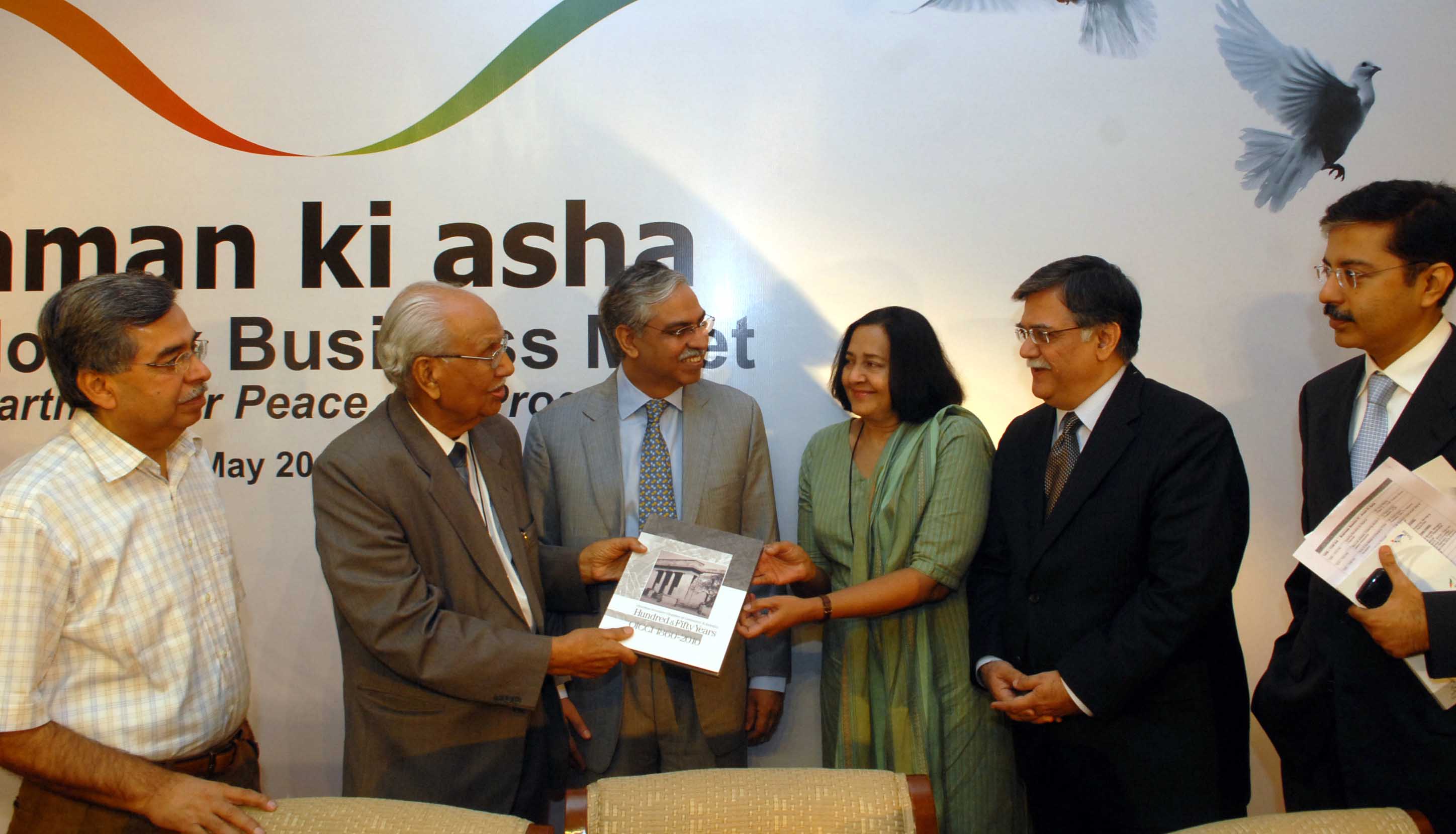
New Delhi, May 2010: OUP Director Ameena Saiyid presents Brij Mohan Lal Munjal of Hero Honda with a souvenir at the first Aman ki Asha Indo-Pak Business Conference. Photo: TOI/ Piyal Bhattacharjee

My article on how it all started for The News special edition published ahead of ‘Dividends’, the Aman ki Asha Indo-Pak Business Meet in Lahore, May 7-8, 2012, attended by several top Indian businessmen, addressed by the Prime Minister of Pakistan, the Chief Minister of Punjab, and the Foreign Minister of Pakistan. See Aman ki Asha website for more.  Continue reading

A voice for peace, and for the ‘ordinary people’

Murtaza Razvi. Photo by K. B. Abro. Sunny, we will miss you.

Published in The News on Sunday, my tribute to Murtaza Razvi who never wore patriotism on his sleeve

R.I.P. Murtaza Razvi, a voice for peace and the ‘ordinary people’

Beena Sarwar

It’s hard to write about Sunny, as friends knew Murtaza Razvi, in the past tense. Our association spanned over 25 years and although we didn’t meet or communicate very often, it was comforting to know he was there, part of our larger family of forward-thinking, progressive-minded, secular, humane, literature-loving and above all utterly decent human beings.

The first time we met was when he visited Karachi in 1987 or 88, with the Government College Dramatics Club (GCDC) of Lahore – a lively group of youngsters directed by the brilliant Shoaib Hashmi, an Economics professor at Government College. Continue reading

Trade winds for peace: In the air, a hope song

A political push and removal of barriers will see a rise in trade, and peace, between India and Pakistan...

This article was originally published in The News and The Times of India last week

Trade winds for peace

By Beena Sarwar

“Trade for peace” is the new catchphrase defining the emerging relationship between India and Pakistan – a relationship historically so troubled that, when not actually at war, they have been engaged in a virtual cold war. But the winds of change are now blowing in a more positive phase, heralded by recent breakthroughs on the trade front. Continue reading

Pakistani-Americans await changes to India’s discriminatory visa rules

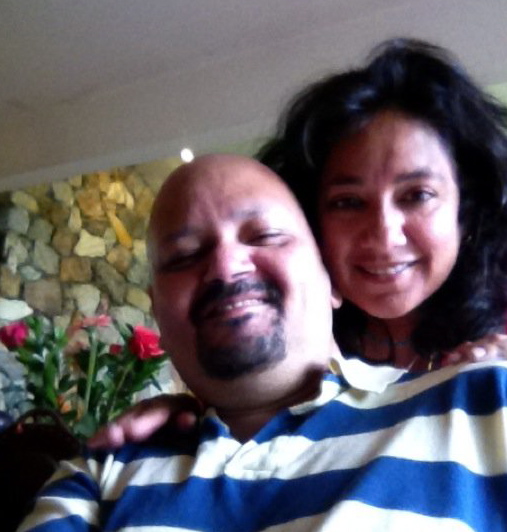
New York-based Indo-Pak couple Ibrahim and Pramilla Malick: People connect in a heartwarming way but both countries try their best to keep us apart.

My report for IPS published on Feb 16, 2012 – Pakistani-Americans await changes to India’s discriminatory visa rules

Incidentally, Indian expats face the same restrictions.

Story also copy-pasted below.  

By Beena Sarwar

BOSTON: India and Pakistan have agreed to ease visa restrictions on each other’s citizens – but until that actually happens, American citizens with dual Pakistani nationality will continue to face what they allege is discrimination by the Indian visa authorities. Continue reading

India-Pakistan prisoners – fishermen, POWs, and more

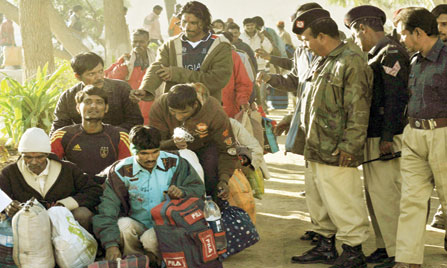
Indian fishermen released from Pakistani prisons, waiting to go back

Below, my article on the India-Pakistan prisoners issue published in Aman ki Asha on Jan 11, 2012, followed by a correction from Sen. Iqbal Haider and further clarification from B.M. Kutty. Also please do read Shivam Vij’s thought-provoking and thorough report ‘Why is Gopal Das free and not Dr Chishty?‘, published in Aman ki Asha, and Anahita Mukherji’s report in The Sunday Times of India about how the Indian prisoners were treated in Pakistan (surprisingly well) – Warm memories of time in Pak jail.

Looking a New Year gift horse in the mouth

Pakistan’s release of 183 Indian prisoners on Jan 7, 2012 is a welcome step but it also highlights the ongoing issues faced by cross-border prisoners Continue reading

The ‘Bulbul-e-Kashmir’ sings for Indo-Pak peace

This personal blog post is dedicated to an inspiring couple in Mumbai and to the editor who introduced us: May our tribe increase.

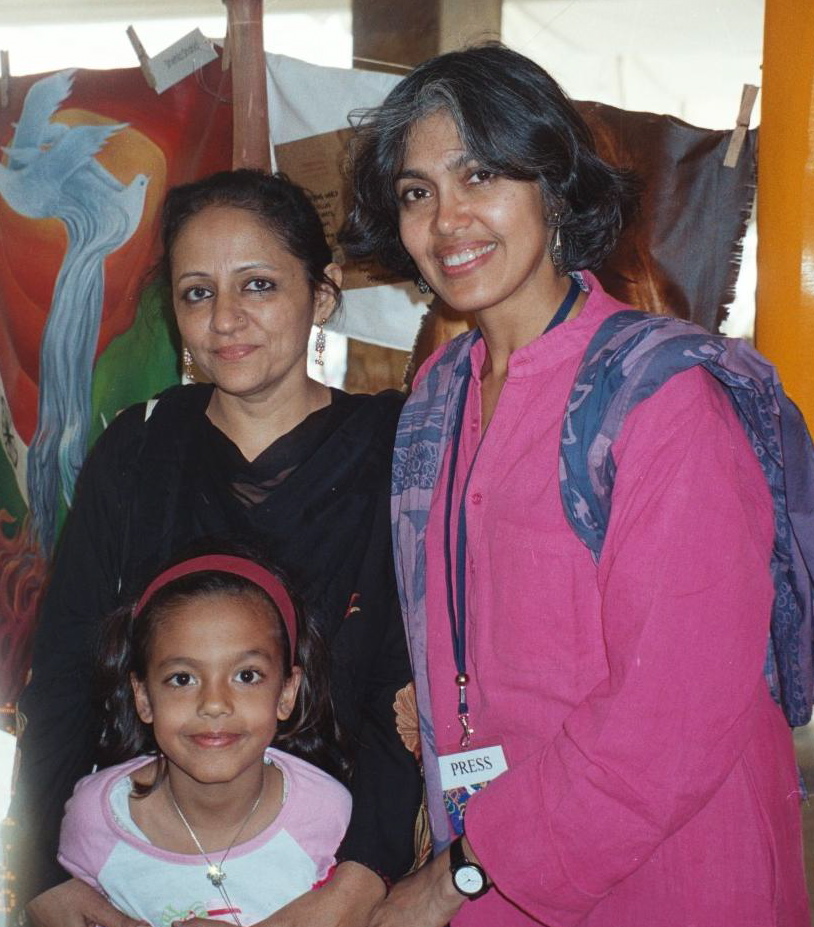
Enduring ties: Seema Sehgal at PIPFPD, Karachi, 2003, with me and my daughter Maha. Photo by Ved Bhasin.

I met Seema Sehgal in Karachi, in December 2003 at the 6th Joint Convention of the Pakistan India Forum for Peace and Democracy (PIPFPD). Ved Bhasin, the respected Editor of The Kashmir Times, Jammu, introduced us. “Seema,” he said, “is known as the Bulbul-e-Kashmir (Nightingale of Kashmir).”

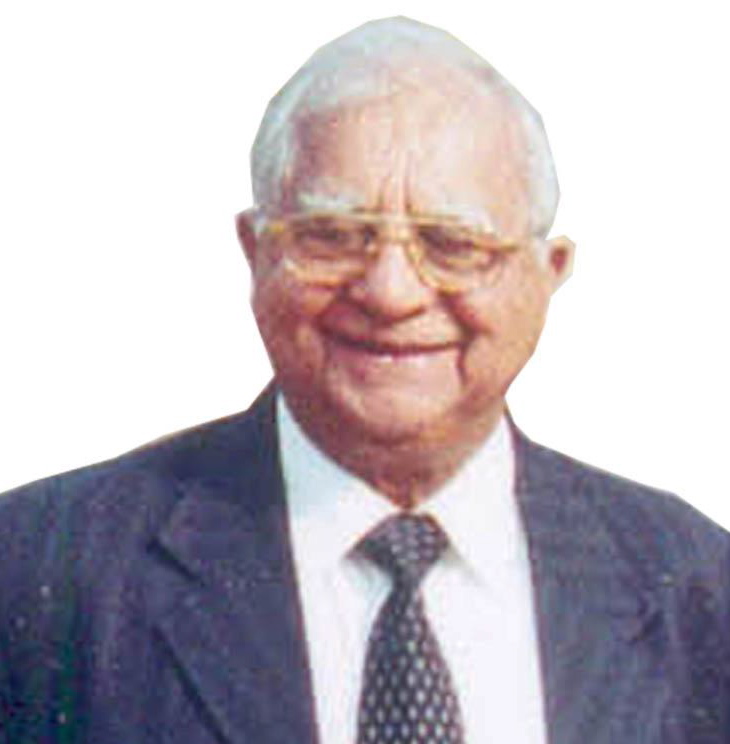
Ved Bhasin: Shukriya

The petite and unassuming Mumbai-based ghazal singer from Jammu has none of the airs one might expect from a performer of her calibre. She is not only an amazing artist, but she also has a deep and abiding interest in Urdu poetry and in Indo-Pak peace. When relations plummeted between the two countries following the nuclear tests of May 1998, Seema dedicated her new album ‘Sarhad’ to peace between the India and Pakistan. Continue reading