It has been a decade since we lost Sabeen Mahmud to a targeted attack in Karachi and since we lost Shayan “Poppy” Afzal Khan to cancer. It is also 20 years since the pioneering environmental journalist Saneeya Hussain died in Brazil. Their peacemongering legacies live on.
Personal Political Beena Sarwar / Sapan News
On 24 April 2015, a valiant crusader for peace, social justice, creativity and human dignity was killed in Karachi. That tragedy ten years ago deprived a mother of her only child, and many of us of a dear friend.
Social entrepreneur Sabeen Mahmud, 40, was driving home with her mother Mahenaz next to her. A motorcyclist approached while they were stopped at a red light, and shot Sabeen at point blank range. She died on the spot.
Sabeen. Photo by Zaheer Alam Kidvai.
Mahenaz at Creative Karachi Festival 2016: Sabeen would hate for any of us to give up. Photo: Beena Sarwar
A poster with Sabeen’s photo at Creative Karachi Festival, 2016, Alliance Francaise. Photo: Beena Sarwar
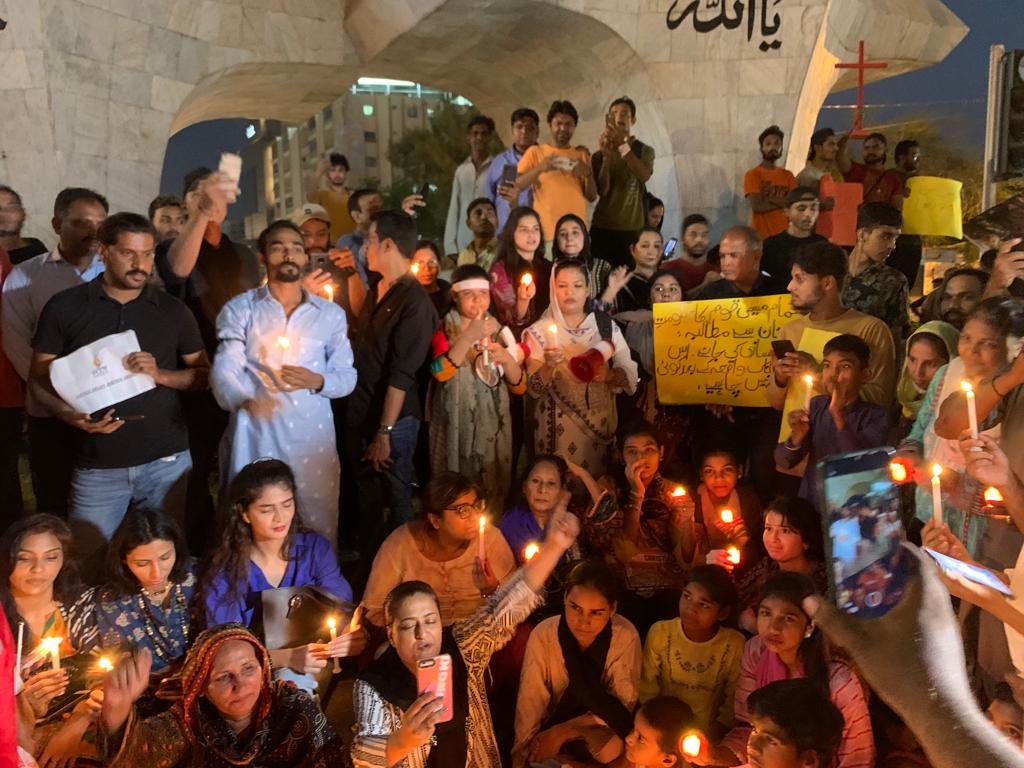
Pakistan: Countrywide demonstrations for Sabeen, 2015
Protest for Sabeen in Delhi, 2015. File photo
I had known Sabeen since she was a teenager. We were comrades together in several peace initiatives – part of a large, cross-border tribe of ‘peacemongers’ as I call our community.
The recent disbanding of Facebook and Instagram’s third-party factchecking programme has raised fears about the kind of news and information that will shape public discourse. Whatever facts or non-facts get pushed out, it is up to us, citizens who are news producers and consumers through our social media apps, to be the change. The Social and Digital Media Ethics Code and Pledge, an initiative by Sapan News, is a step in this direction.
This makes it all the more important for those of us who strive to uphold these principles and who value facts over opinion, to buckle down and do what we can to “hold the line,” to use the words of Filipina journalist Maria Ressa.
That is why we at Sapan News last year initiated a Social and Digital Media Ethics and Responsibility Pledge, which provides guidelines with resources to help social media and digital media users enhance their credibility. Endorse here
Hello friends – I’m still in Boston, waiting for permission to visit India. The WISCOMP Saahas (courage) awards ceremony I wanted to attend on 16 December is over, but I am still like to go and visit my friends and family, and show my Sri Lanka documentary at various places including the Bangalore International Center, the IIC, Delhi, and in Chennai – police in all three cities have given clearance as far as I know.
Sharing the edited version of the WISCOMP awards ceremony below – they had taken it offline to edit out the Afghan and Bangladeshi activists who were kept anonymous. Don’t miss the inspirational speeches by the awardees and thoughtprovoking documentary on the courageous journalist Patricia Mukhim from India’s North-East (I love her singing in it and now I know where her love for plants and nature comes from).
Here is a report about the event in The Wire – I’m delighted they used a photo of featuring the wonderful community of Southasia Peace Action Network (Sapan) Peacemongers who joined my dear friend and colleague, journalist Mandira Nayar on stage after she accepted the award on my behalf from Dr Syeda Hameed, a Sapan founder member and advisor. It was wonderful and moving to see Aekta Kapoor, Ruchira Gupta (also a Saahas awardee), Parshu Narayan, Reema Amin, and the veteran peace activist O.P. Shah from Kolkata come together – thank you WISCOMP for inviting them.
Other wonderful members of our community were present but remained seated, like the inspirational activist Harsh Mander of Carvan-e-Mohabbat, poet and writer Sagari Chhabra, and journalist and activist Rita Manchanda.
Mukta Lall, daughter of the poet Jagannath Azad, was also present but had to leave before my name was called. We’ve been been in communication with for years but never met. It was Mukta ji who provided me with a scan of her father’s Urdu poem that served as Pakistan’s first national anthem – well documented, although there is no official record.
The event in India this afternoon represents a significant moment for Southasian solidarity. It also underscores the challenges in the region, including visa restrictions between Pakistan and India
I feel deeply honoured to be among the wonderful women being conferred the Saahas-e-Azim (Most Fearless) award by WISCOMP in Delhi today – Women in Security, Conflict Management and Peace, celebrating its 25th anniversary.
Sapan founder member Dr Syeda Hameed
It is amazing that three of the awardees are from Pakistan – but sadly unable to be there at the ceremony, thanks to the visa issues between Pakistan and India.
The highest award, the Saahas Shresta (Great Courage), goes to the journalist and activist Patricia Mukhim, Editor of Shillong Times and a Sapan News advisory council member. The jury termed Mukhim a “tireless advocate for communal harmony and gender equality” with “ceaseless positive energy in countering violence”.
Further delighted that our dear mentor Dr Syeda Hameed is a guest of honour conferring the awards, and that our lovely friends Kavita Srivastava and Mandira Nayar will be there to receive the honour on behalf of Saeeda Diep and me.
The large Sapan presence and contingent in this event includes four of the awardees, a guest of honour, and two accepting the awards, as Pragyan Srivastava wrote today for Sapan News
The Pakistanis besides myself are Sapan founder member Saeeda Diep, “peace activist and human rights advocate from Pakistan, championing the rights of religious minorities, especially Hindus through a gender lens” and Mossarat Qadeem, a university professor turned activist, being honoured for her work through her Paiman Trust which “empowers women and radicalised youth in conflict zones to become agents of peace and reconciliation”.
The fourth Saahas-e-Azim awardee is Ruchira Gupta, “globally renowned journalist, filmmaker, and activist, dedicated to eradicating sex trafficking and empowering women”, a Sapan member from India.
Thanks also to our great friends and Sapaners Aekta Kapoor and Sagari Chhabra for the nominations.
The keynote speaker at TCF Boston fundraiser this year was Indian – and it wasn’t ‘bad news’. On the contrary. Check out Shashi Buluswar‘s cricket documentary that I’ve included in the article. Plus a discussion with ‘peacemongers’ hosted by a center in Kolkata the same day.Why can’t our political leaders take a leaf from Mani Shankar Aiyar’s relationship with his old friend Javed Jabbar, a self-proclaimed “chauvinist and narrow-minded Pakistani” — they disagree on almost everything yet are “the closest of friends”.(Note: for more photos, go to the piece published on Sapan News)
“By now you will have got the bad news,” said the keynote speaker after being introduced. “I’m Indian”.
There was laughter and warm applause from the largely Pakistani or Pakistani-origin audience.
Not only was it not ‘bad news’, but the speaker’s support for the cause he was advocating for, beyond borders and boundaries, was even more appreciated because of his Indian origin.
Going by the media – and social media – you’d think we all hate each other. Not true.
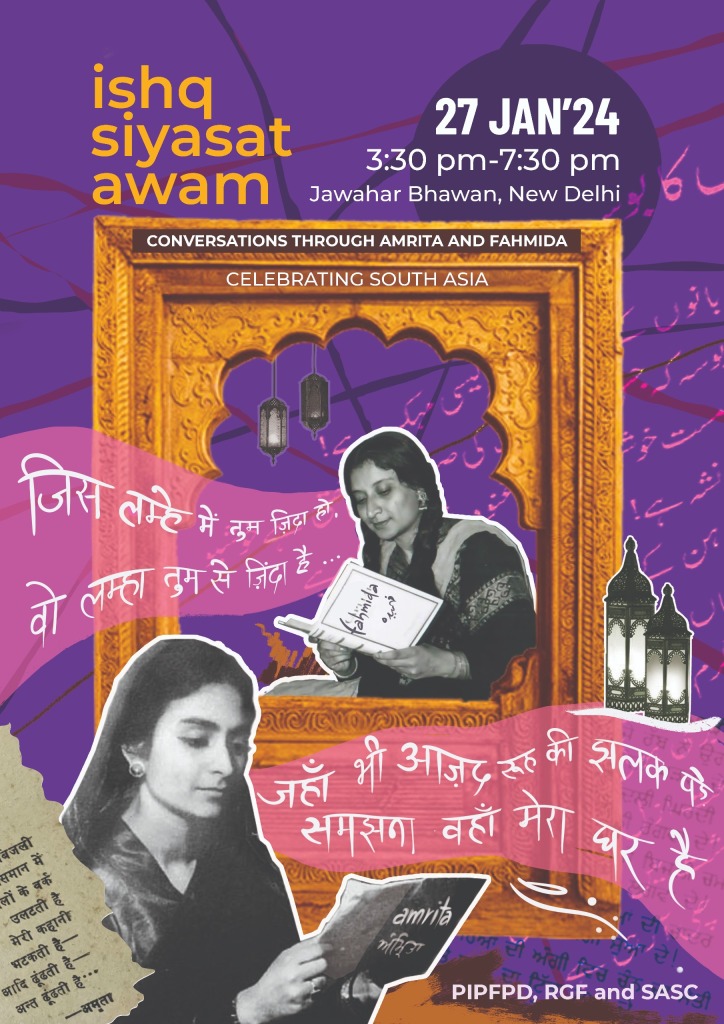
Radical love, epitomised by the late Amrita Pritam and Fahmida Riaz is ‘one of the seeds of the revolutionary thought process’, to quote the Pakistan India People’s Forum for Peace and Democracy (PIPFPD) stalwarts who organised the event – Vijayan MJ, Tapan Bose, and Dr Syeda Hameed. Their consistent work over the decades for peace and justice is truly inspirational, and I feel privileged to know them personally.
I was also privileged to know one of the late poets personally, Fahmida ‘Khala’ (aunt) to me, who was close to my father Dr. M. Sarwar. He led the Democratic Students Federation (DSF), Pakistan’s first student movement while at Dow Medical College in Karachi, 1949-54.
I’ve uploaded archives about the movement here: drsarwar.wordpress.com. Principles of that struggle continue to show the way, like the importance of coming together across divides for a minimum common agenda. For DSF, it was student rights. For Sapan, it’s Southasia Peace. We need it now, for the sake of the people of the region, and beyond.
The Videos section of the Dr Sarwar blog includes a playlist of video clipsfrom the event held at the Karachi Arts Council in January 2010 to commemorate DSF and the student movement, a few months after my father passed on.
Compered by the actor Rahat Kazmi, the event featured speeches from young activists, students, and academics like Amar Sindhu, Alia Amirali,Ali Cheema, and Varda Nisar, as well as veterans like I.A. Rehman, besides the singer Tina Sani, Taimur Rahman and his band Laal, and Fahmida Riaz.
Fahmida Khala recited her poem ‘Palwashey Muskurao’ (Palvasha, smile), dedicated to daughter of late Afzal Bangash of the Mazdoor Kissan Party (Workers’ and Peasants’ Party), and the followers of other late leftist leaders. They may no longer be on this earth, but their principles and aspirations for human rights and dignity continue to show the way.
Seasons greetings despite the sadness, and excerpts from a Sapan Alliance newsletter sent out a few days ago on Substack
Joy is also a form of defiance. Dancers: A greeting card I made some years ago (pastel and water colour), repurposed for Southasiapeace.com and Sapannews.com.
In times that can feel dark and dismal, some good news and exciting updates.
Meet Sapan News — a unique media outlet that aims to cover and connect Southasia, the Indian Ocean and diaspora. That goes behind the headlines, connects communities, academics, activists, and more. Creating space for understanding, empathy and nuance.
In November, Sapan News qualified for NewsMatch, a philanthropic fund helping nonprofit newsrooms like ours in the U.S. Contributions made by year-end will get matched up to $15,000. Gratitude to our community that has stepped up to meet this challenge.
Those wanting to chip in are welcome – here’s the donate link for tax-deductible contributions.
A 100 new donors will secure a $1,000 bonus, and monthly donations initiated this month will get matched x12!
Thank you for your support. It means so much – and together, we are stronger.
Collaborations: Hello, Central Desi!
Sapan News is proud to partner with Central Desi, a dynamic news portal that started as a newsletter to cover all things ‘desi’ (Southasian) in New Jersey. Kudos to journalist Ambreen Ali for growing her passion project into a news org that won a major grant, enabling them to hire reporting fellows. Sapan News has much to learn from this initiative.
The attacks on the Christian community in Jaranwala near Faisalabad (former Lyallpur) are among a long string of such violence instigated by extremist elements seeking power in the name of religion in Pakistan. I co-wrote this article for Sapan News with a young reporter in Karachi who was initially only reporting on Pakistan’s first Minority Rights March. Then Jaranwala happened. We now present a longish read putting the violence in context and tracking the trajectory of a turning point in the state’s responses, with a couple of inputs from India
Karachi protest at Teen Talwar, 19 August 2023. Photo: Abdullah Zahid
“Manzoor Masih – will be remembered!… The Christians of Shanti Nagar – will be remembered!… Rimsha Masih – will be remembered!… ”
Activist and dancer Sheema Kermani led the chanting, evoking the names of a long list of Pakistani Christian individuals and communities targeted by extremist elements in the name of religion over the years.
Excited for the second anniversary event up this Sunday, hosted by the amazing Khushi Kabir in Dhaka, taking forward the legacy of our late friend Kamla Bhasin at Sangat.
We’ll review what we’ve done over the past two years – the collaborations, the discussions, the film club and more. Taking up all kinds of cross-cutting and cutting-edge topics. It’s been thought-provoking, inspiring, and fun.
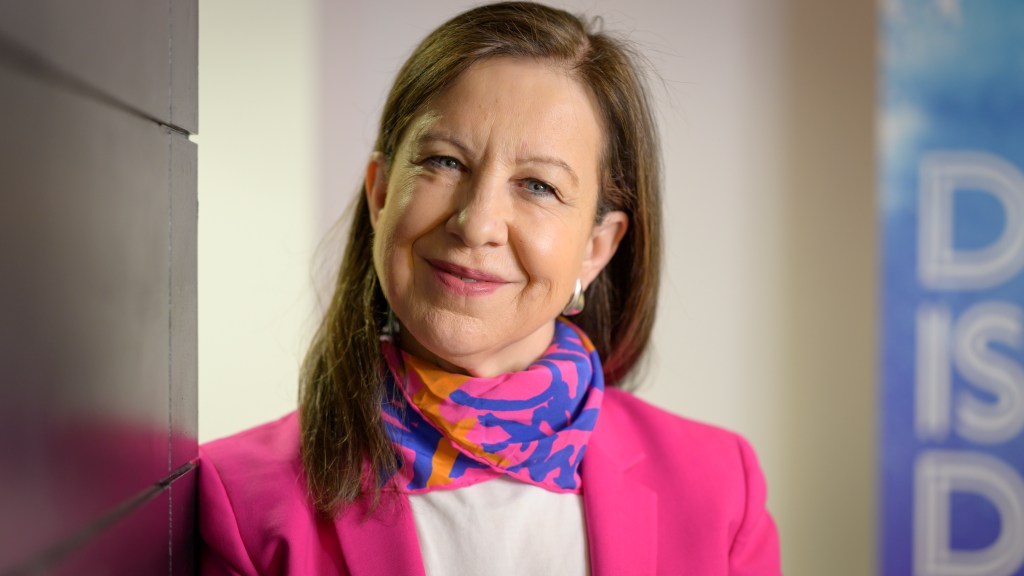
We will honour the inspiring journalist Lyse Doucet for her humanitarian reporting, an award initiated by Dr Tayyaba Hasan presenting it from the Sapan platform. Dr Hasan heads the Hasan Laboratory at Harvard Medical School – the bio at the link does not convey why she is doing this — you’ll have to tune in to find out.
Sapan honours Lyse Doucet: A lifetime of humanitarian reporting.Photo: Amanda Benson
Following up from my earlier post, here’s the video recording of the Razia Bhatti Memorial Lecture 2023 I delivered online recently for the Center of Excellence in Journalism at IBA, Karachi.