

Extract from an interview about the Islamabad peace talks — before they ‘collapsed’ — and a visit to ancient archaeological sites in Sindh
I spoke to the eminent Indian journalist Arfa Khanum Sherwani on Saturday about the peace talks then taking place in Islamabad. She published the interview on her YouTube channel on Sunday — with several cuts since everything had, as she said, changed overnight. I tried to represent our peace constituency.
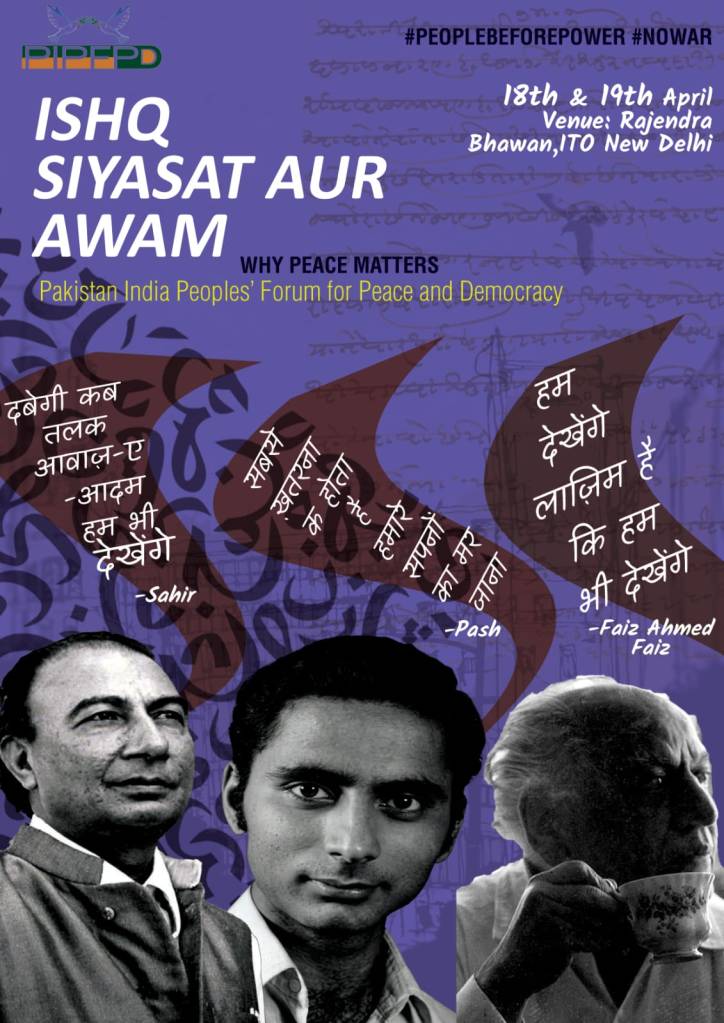
One of the cuts was about a Pakistan India Forum for Peace and Democracy (PIPFPD) webinar on Friday, which I refer to when mentioning the maturity of the Indians I heard “yesterday“. Here’s a recording of that seminar “Counting the costs of conflict – why peace matters” — most of it is in English. This webinar precedes PIPFPD’s upcoming National Convention, ‘Ishq, Siyasat aur Awam’ (Love, politics and the people), being held in Delhi, 18–19th April.
We need to amplify these voices of wisdom and courage.
A field trip to Chaukandi, Makli, Thatta, Bhambore
On Sunday, I took some 50 students from the Insitute of Business Administration, Karachi University where I’m teaching this semester, on a field trip to ancient archaeological sites in Sindh — the necropolises of Chaukandi and Makli (a UNESCO site) with their stunning stone carvings and tile work; the Shah Jehan Mosque in Thatta – one of the coolest (literally) and possibly most beautiful mosques in the world; and ruins of Bhambore (also known as Bhanbore), Muhammad Bin Qasim is believed to have landed, on the banks of the then mighty River Indus which has since changed its course.
A plaque by the site of a mosque in Bhambore terms it the first mosque in South Asia. I had always heard that the first mosque in the region lies in Kerala. An online search reveals that according to tradition, the Kerala mosque was established in 629 AD, while the Bhambore mosque (727 AD) is the first “archaeologically verified” one.
It was inspiring to see how the Sindh Archaeology Department is managing these sites, and the dedication and passion of the employees. There’s always room for improvement but let’s give credit where it’s due.
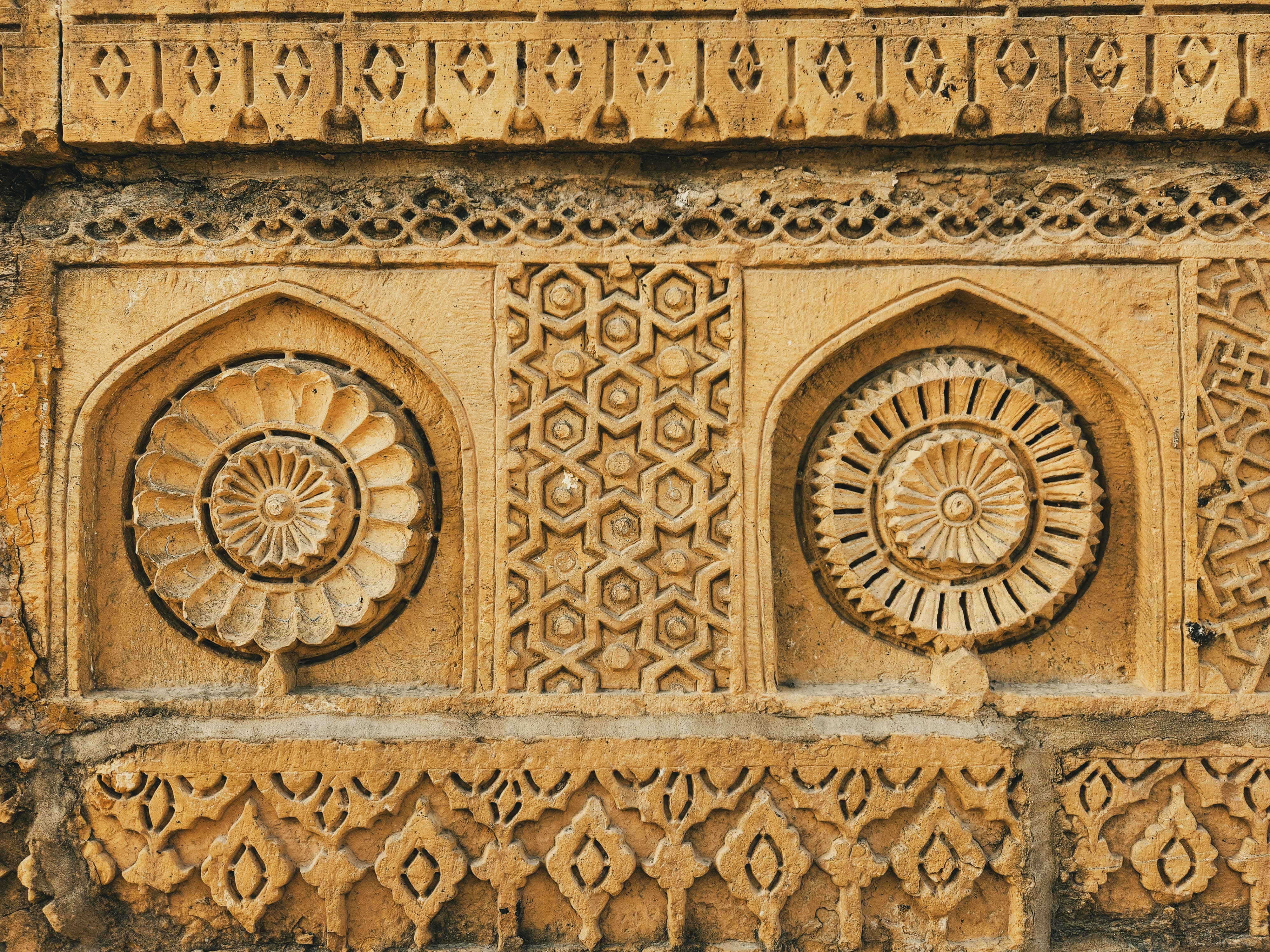
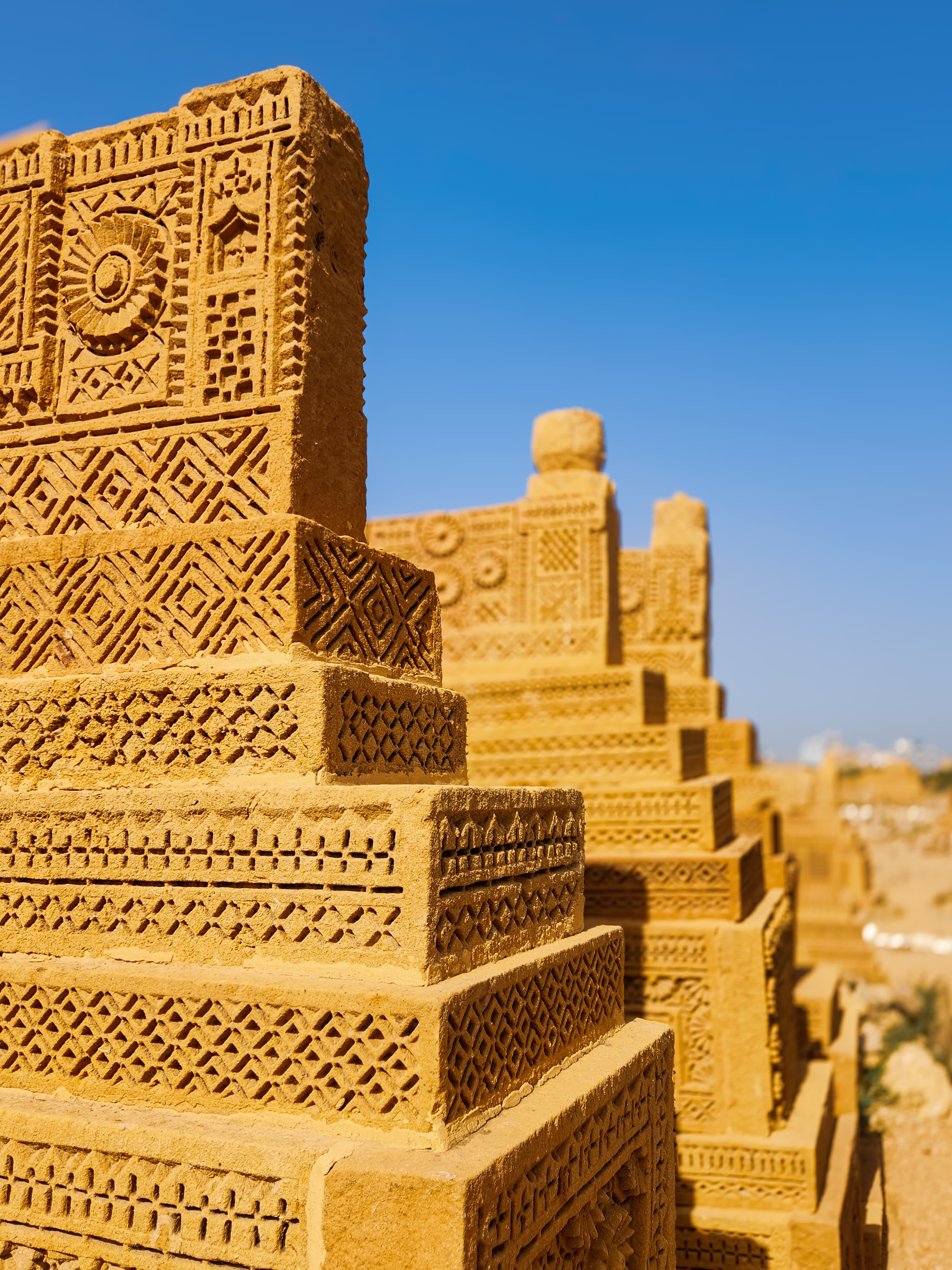
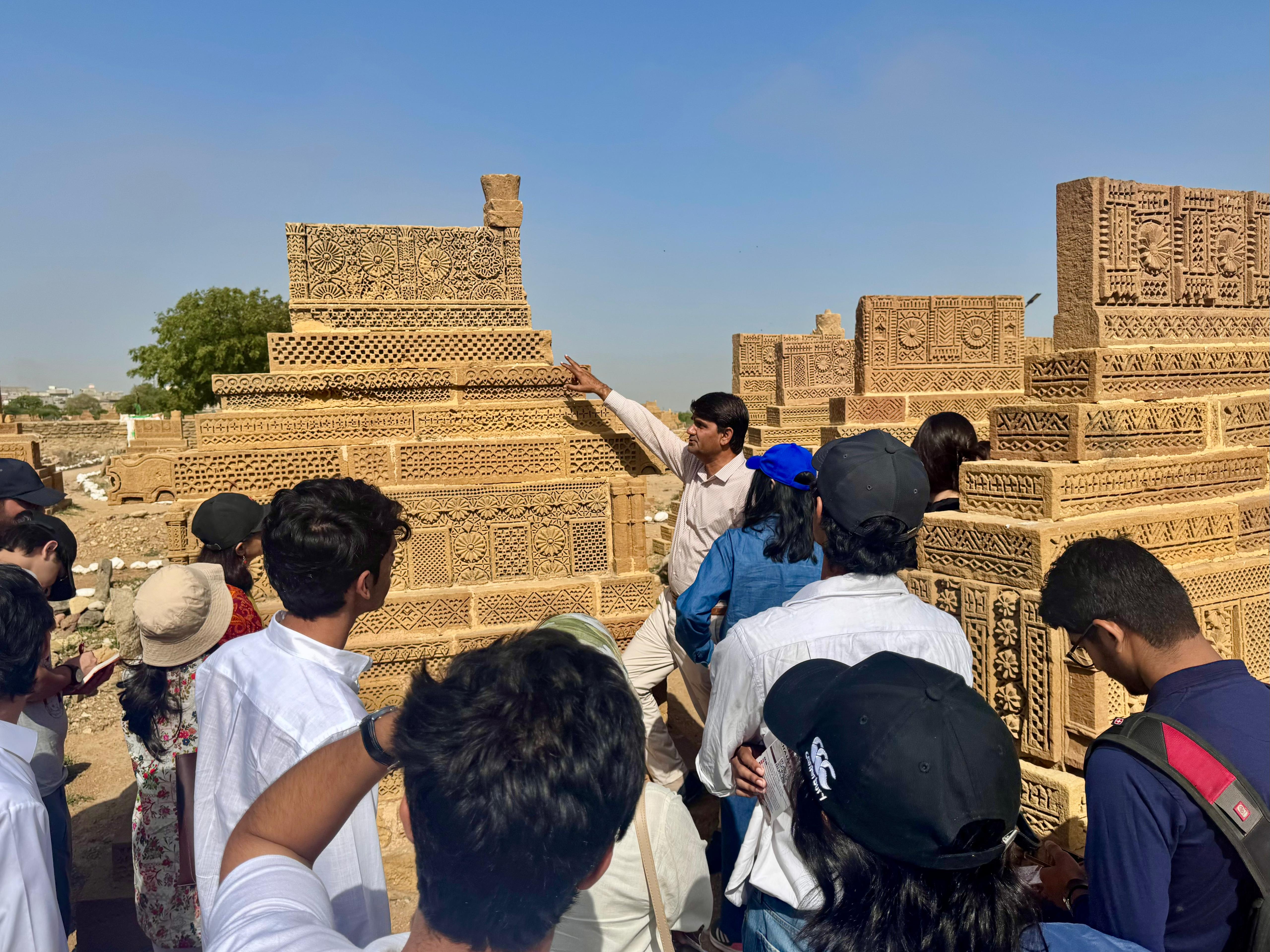
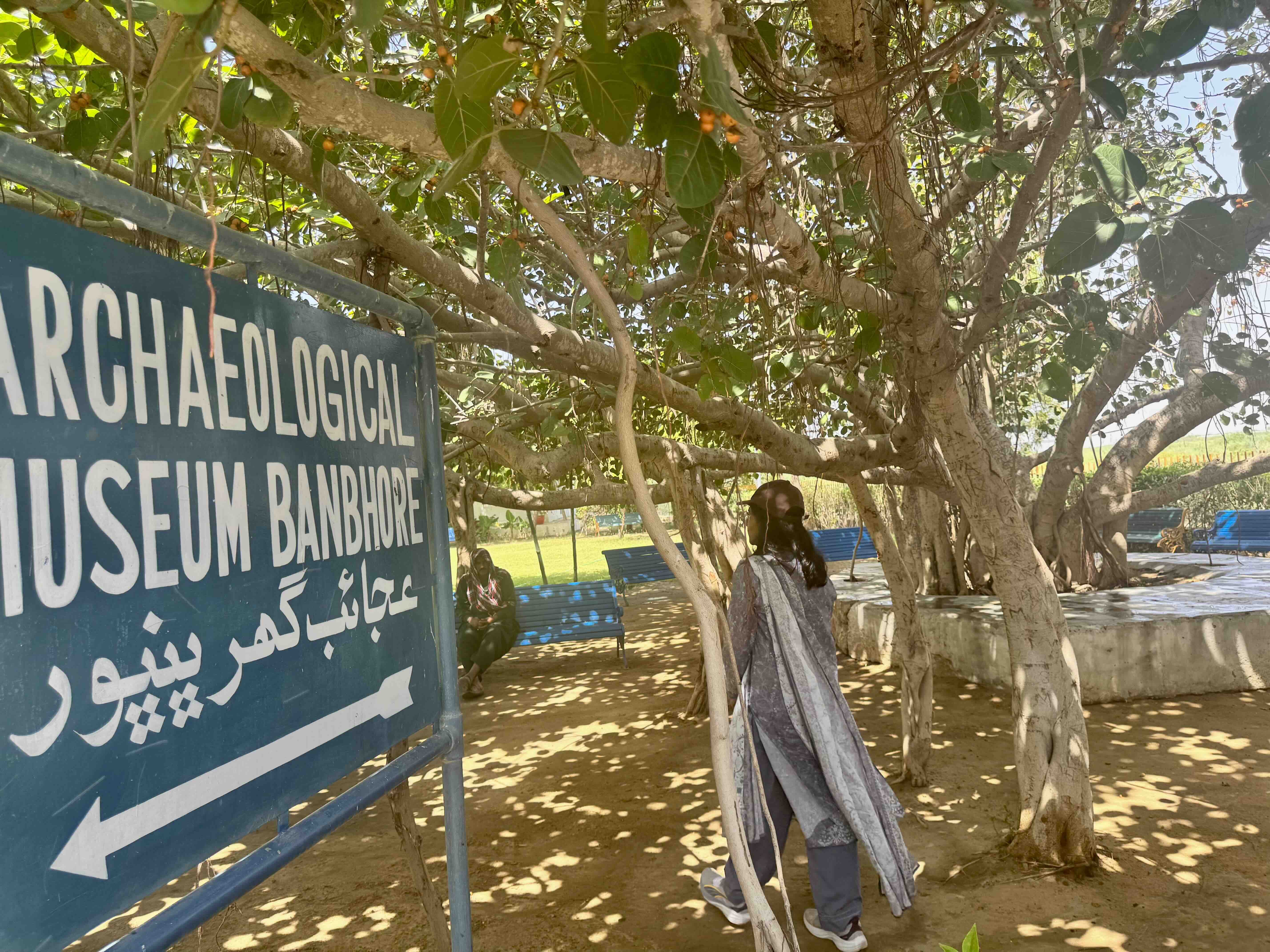
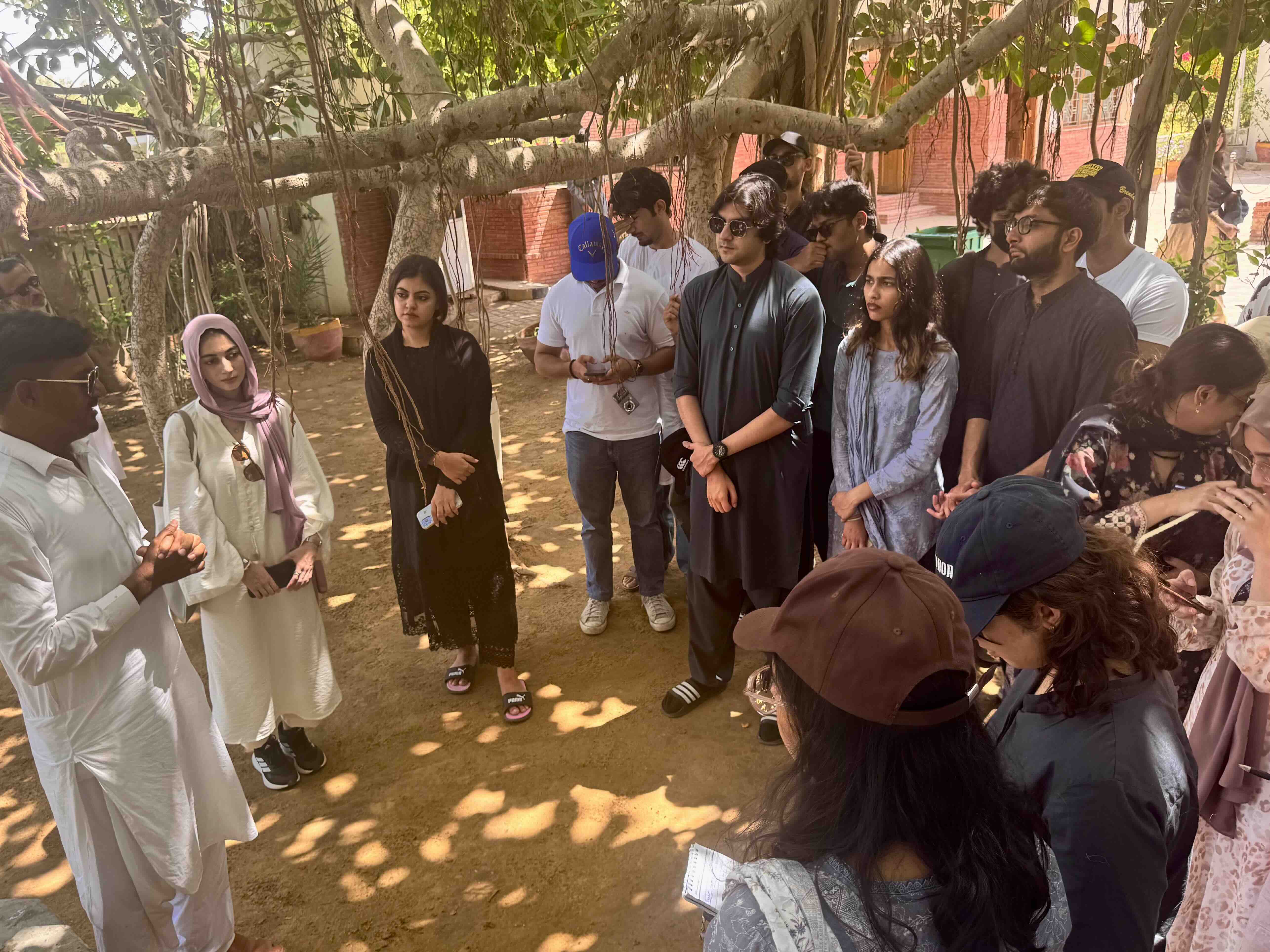
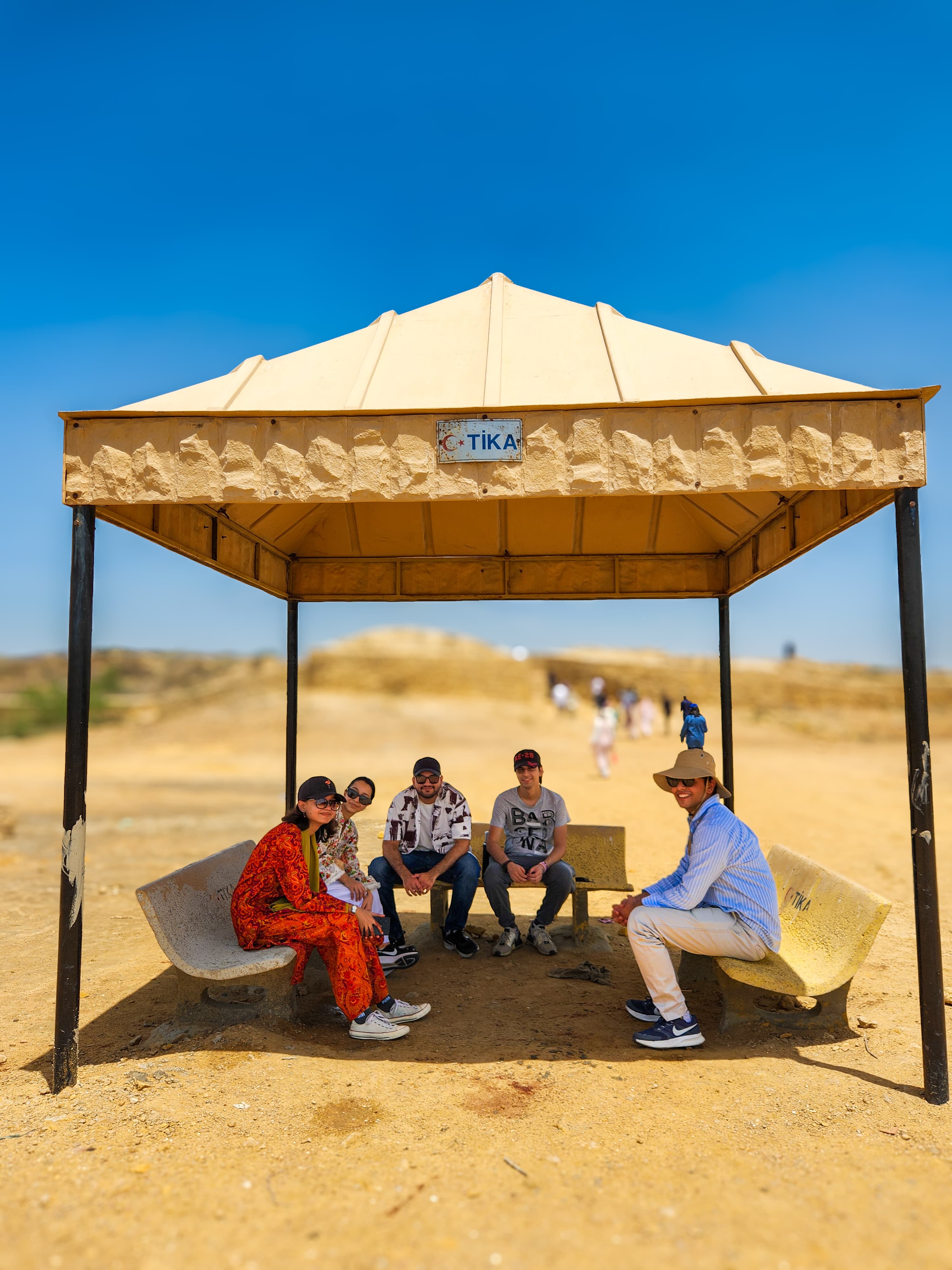
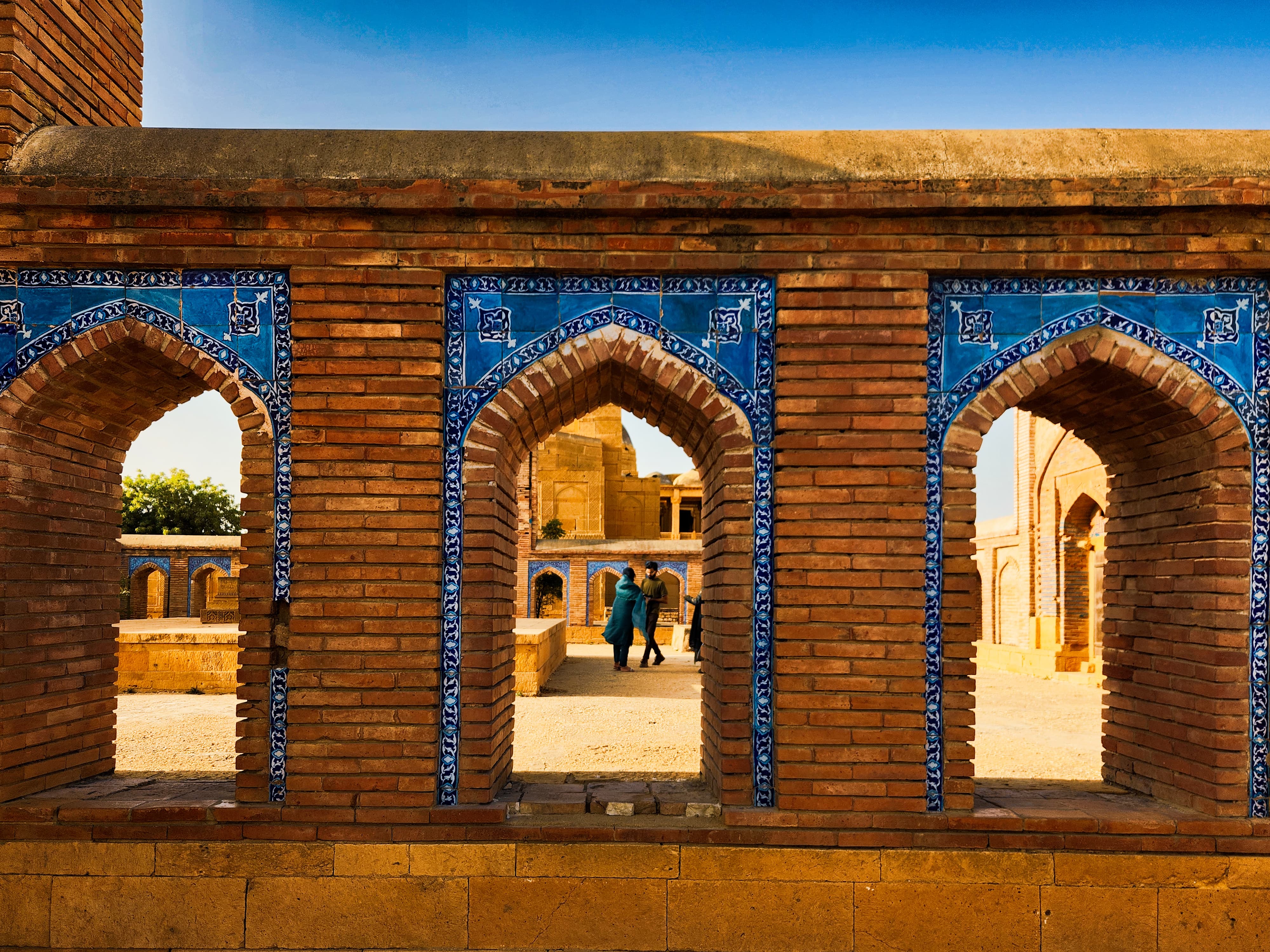
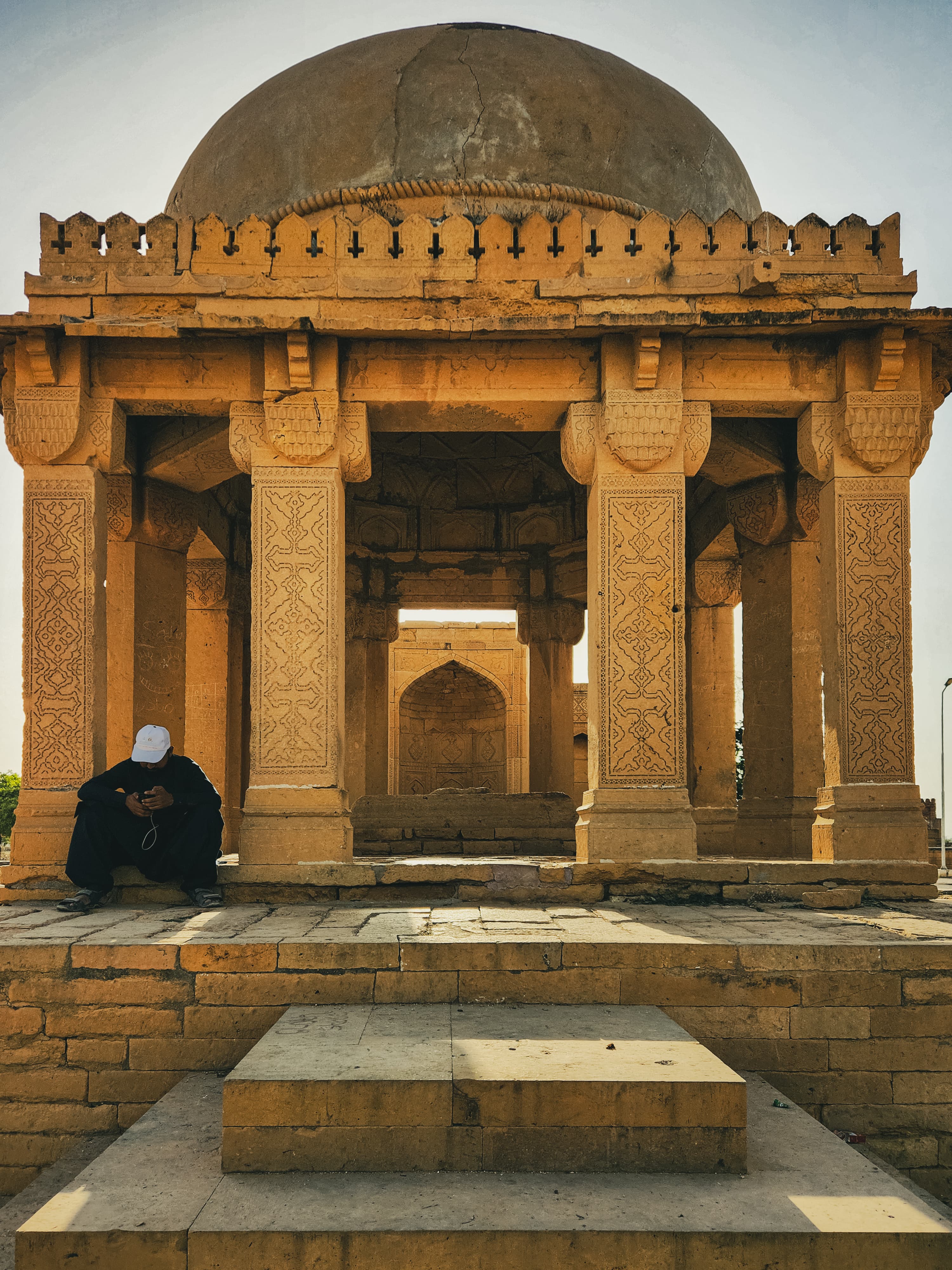
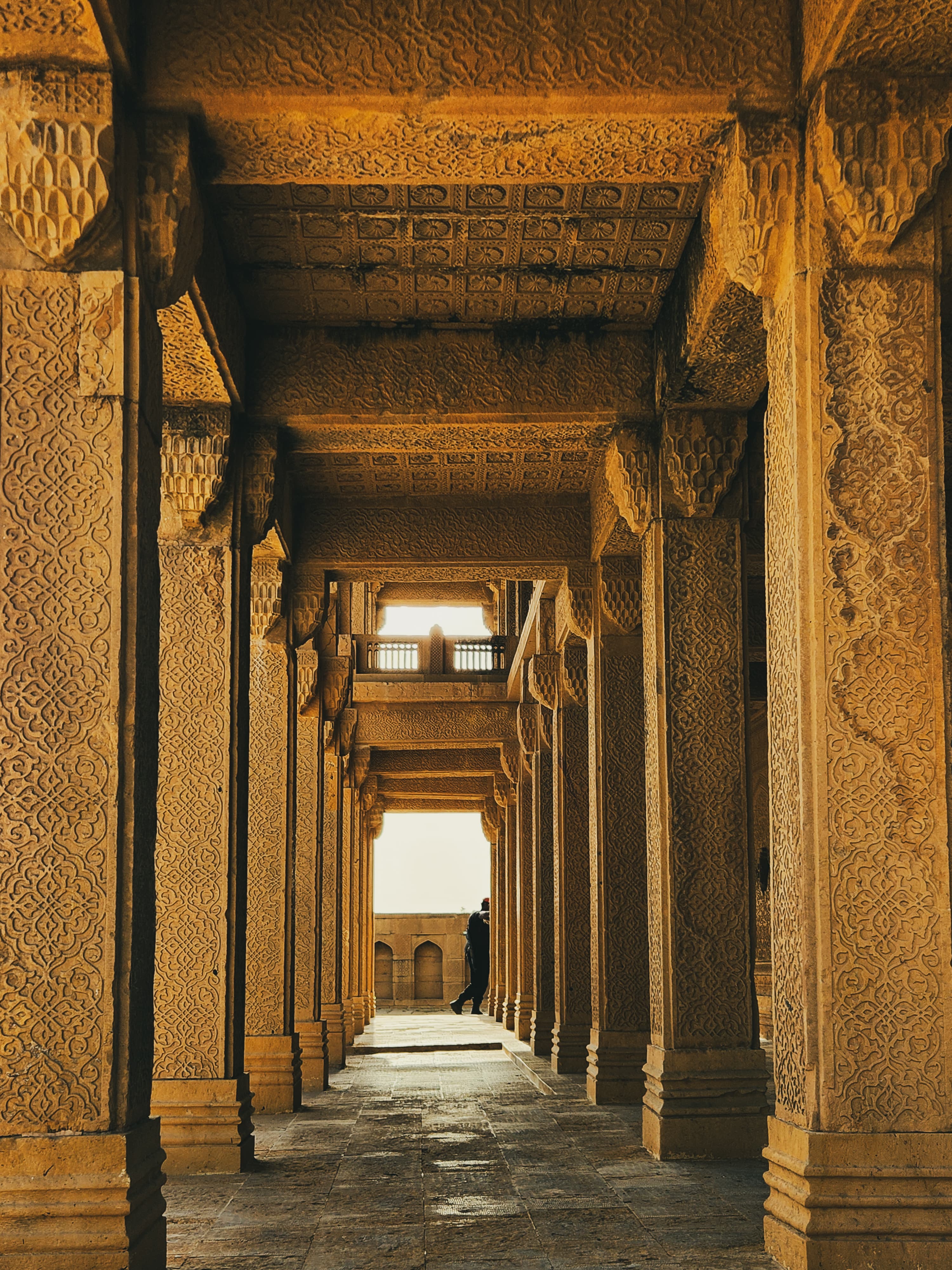
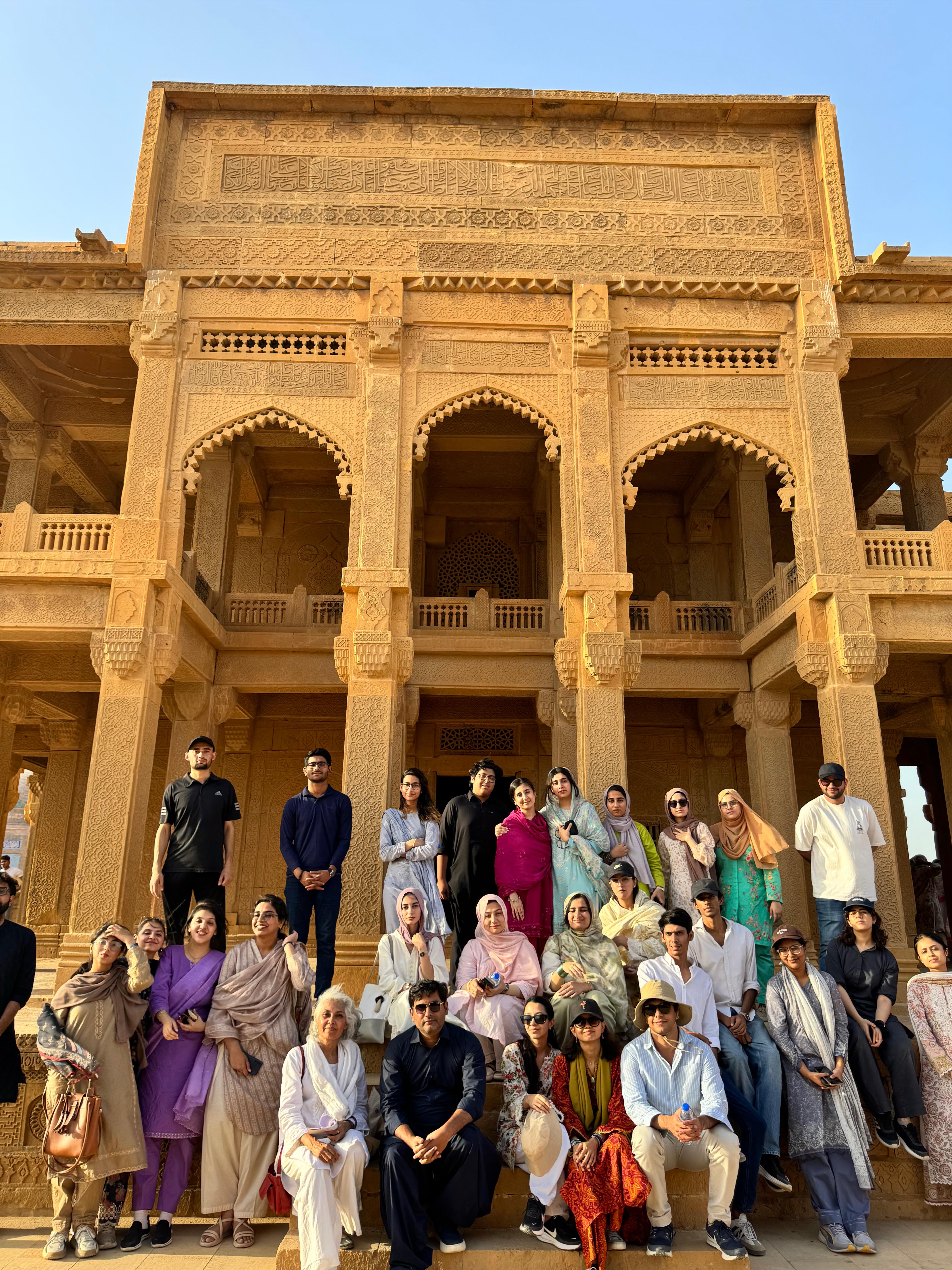
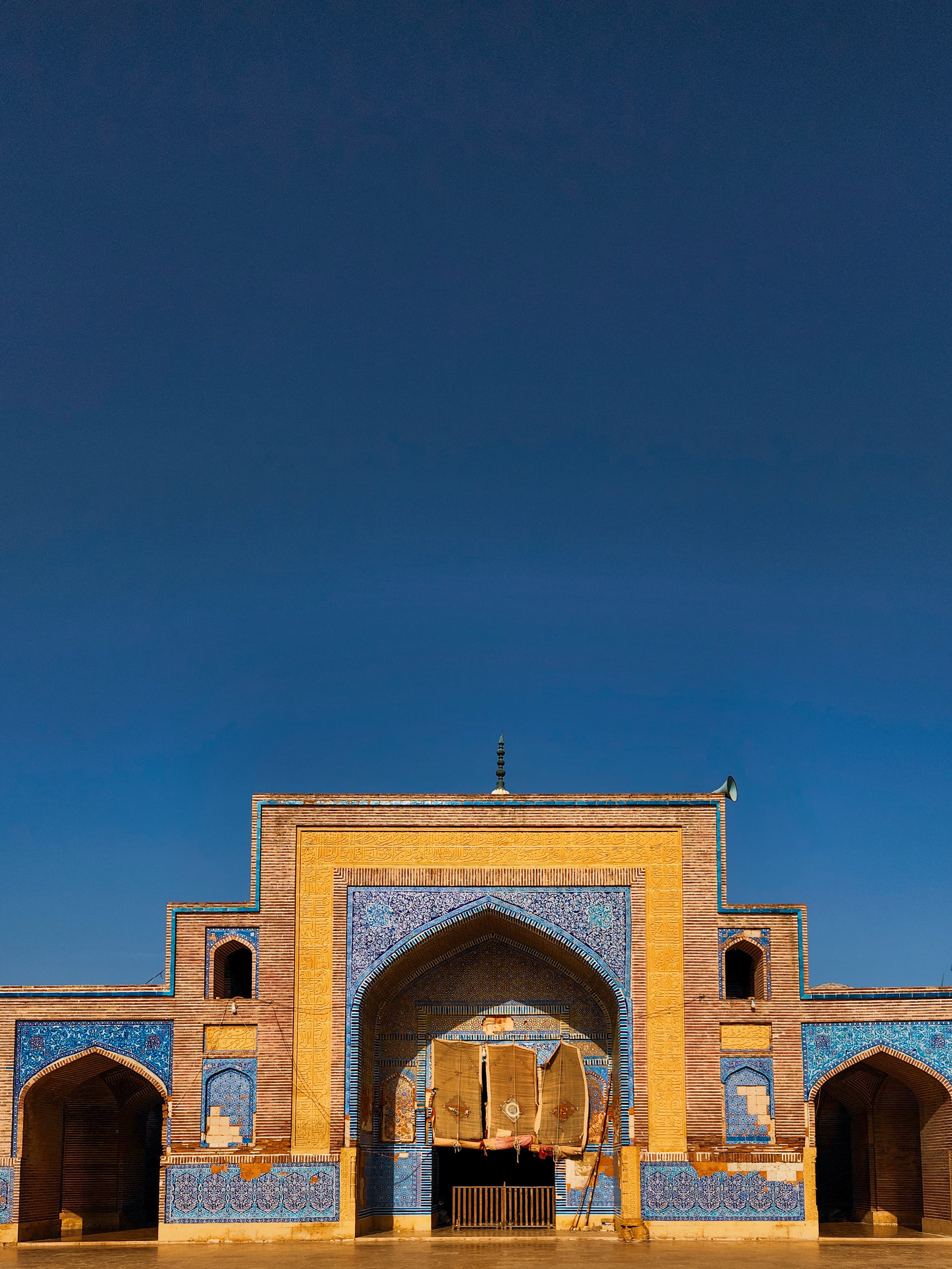
Curation of photos on a public instagram page by an IBA student
https://www.instagram.com/p/DXEK0sKioWa/?igsh=OWdvMDRjdjJuNGJ5
(ends)
Filed under: Pakistan-India, Resistance, Southasia, Travel | Tagged: arfa khanum, art, bhambore, books, chaukandi, chawkandi, Faiz, India, Iran, islamabad, journalism, love, makli, Pakistan, pash, peace talks, photography, PIPFPD, Politics, Sahir Ludhianvi, shah jehan mosque, Thatta, Travel | Leave a comment »




 Journeys to democracy