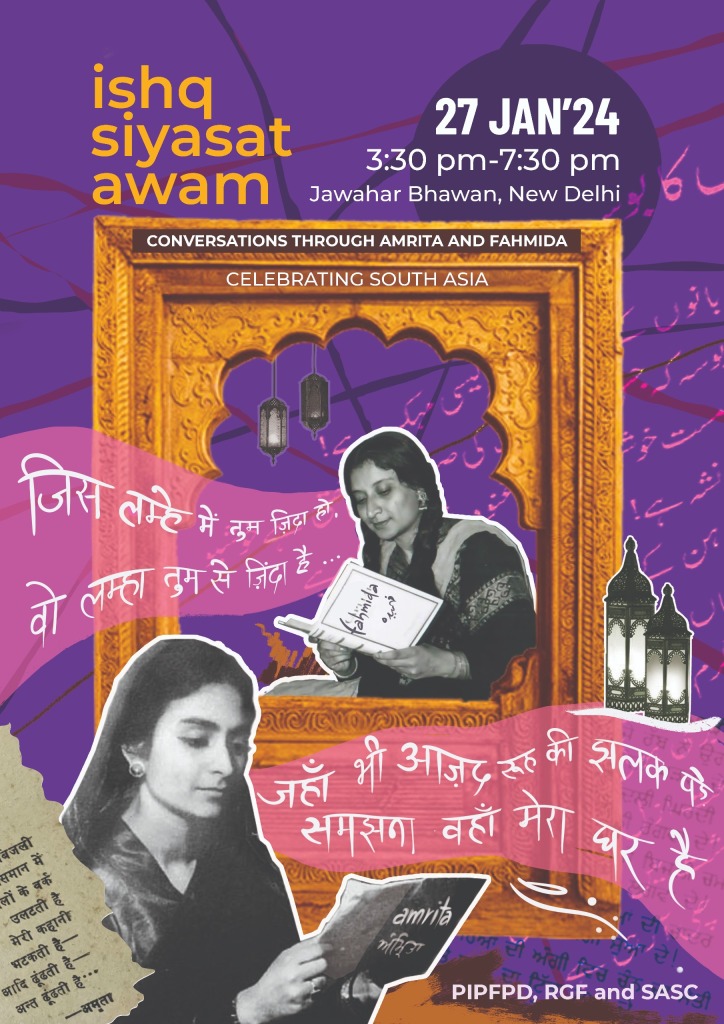
The cross-border solidarity of Amrita Pritam and Fahmida Riaz, the student movement, and peacemongering today

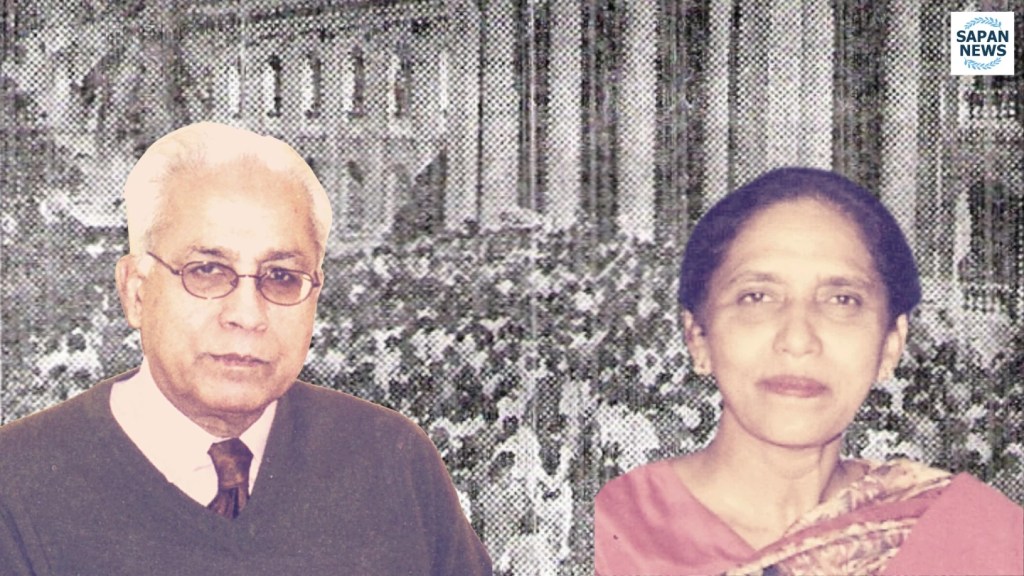
Poster for the event honouring Amrita Pritam and Fahmida Riaz. Courtesy PIPFPD

The latest Southasia Peace Action Network (Sapan) newsletter we put out highlighted a commemoration in Delhi for two iconic feminist poets of Pakistan and India: How the friendship of two cross-border feminist poets symbolises our work; upcoming events, and more

Radical love, epitomised by the late Amrita Pritam and Fahmida Riaz is ‘one of the seeds of the revolutionary thought process’, to quote the Pakistan India People’s Forum for Peace and Democracy (PIPFPD) stalwarts who organised the event – Vijayan MJ, Tapan Bose, and Dr Syeda Hameed. Their consistent work over the decades for peace and justice is truly inspirational, and I feel privileged to know them personally.

I was also privileged to know one of the late poets personally, Fahmida ‘Khala’ (aunt) to me, who was close to my father Dr. M. Sarwar. He led the Democratic Students Federation (DSF), Pakistan’s first student movement while at Dow Medical College in Karachi, 1949-54.

I’ve uploaded archives about the movement here: drsarwar.wordpress.com. Principles of that struggle continue to show the way, like the importance of coming together across divides for a minimum common agenda. For DSF, it was student rights. For Sapan, it’s Southasia Peace. We need it now, for the sake of the people of the region, and beyond. 

The Videos section of the Dr Sarwar blog includes a playlist of video clips from the event held at the Karachi Arts Council in January 2010 to commemorate DSF and the student movement, a few months after my father passed on.

Compered by the actor Rahat Kazmi, the event featured speeches from young activists, students, and academics like Amar Sindhu, Alia Amirali, Ali Cheema, and Varda Nisar, as well as veterans like I.A. Rehman, besides the singer Tina Sani, Taimur Rahman and his band Laal, and Fahmida Riaz.

Fahmida Khala recited her poem ‘Palwashey Muskurao’ (Palvasha, smile), dedicated to daughter of late Afzal Bangash of the Mazdoor Kissan Party (Workers’ and Peasants’ Party), and the followers of other late leftist leaders. They may no longer be on this earth, but their principles and aspirations for human rights and dignity continue to show the way.

Fahmida Riaz reciting her poem ‘Palwashey Muskurao’ (Palvasha, smile), Jan. 2010, Karachi.

(ends)

A social worker, an economist, and the legacy of Pakistan’s student movement of the 1950s

OBITUARY: The legacy of a decades-old connection between social worker Shahida Haroon (1937-2023) and economist Eric Rahim (1928-2023) endures through the ongoing struggle for student rights, economic justice and democracy in Pakistan

Demands Day at D.H. Science College, 07 Jan. 1953, Eric Rahim, Shahida Haroon Saad. Collage by Aekta Kapoor/Sapan News

PERSONAL POLITICAL

By Beena Sarwar / Sapan News

It was while trying to reach Eric Rahim in Glasgow this week to inform him of my aunt Shahida Haroon’s passing in Karachi that I learnt he too was no more.

A respected journalist and economist, Uncle Eric as I called him, had passed away peacefully at home on 2 May 2023, aged 94. He was a mentor to my father Dr M. Sarwar (1929-2009), and Shahida, who departed this earth on 25 June, at 87.

Shahida did her Master’s in economics from Karachi University in 1958, a subject she didn’t enjoy or do well in. When she went to Punjab University for a second Master’s in social work, encouraged by her brothers Akhtar, 11 years older, and Sarwar, eight years older, Akhtar asked his friend Eric Rahim to look after her. It was Eric, then a columnist at The Pakistan Times, who met Shahida at the train station after her overnight journey.

Continue reading

Remembering Hal Gould, a friend of South Asia


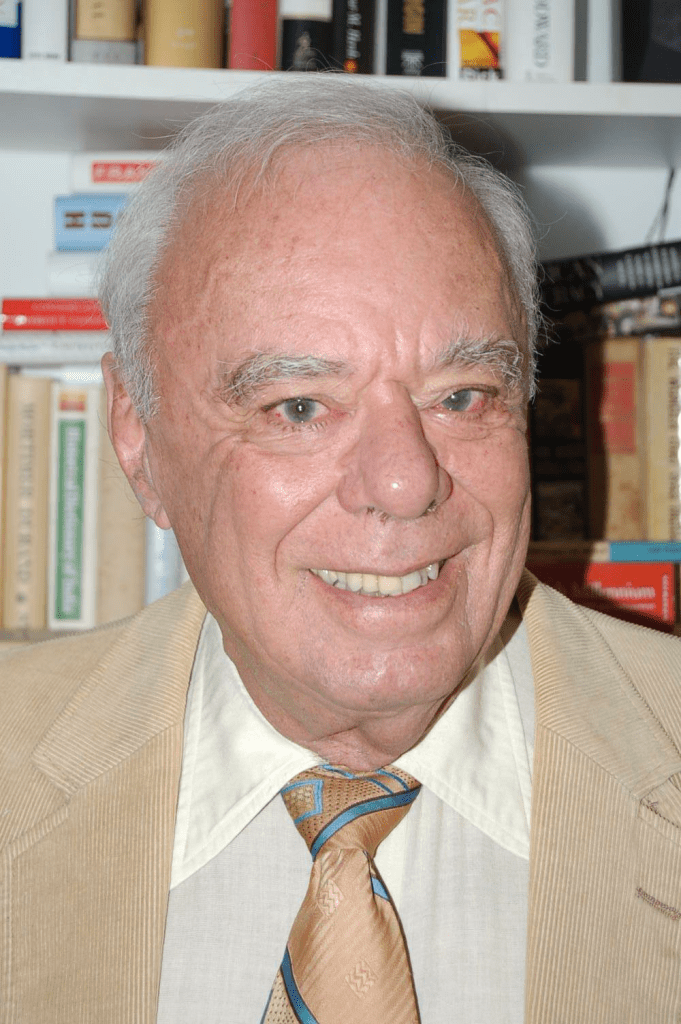
I wrote this piece recently about someone I was honoured to consider a friend although we never met. Hal Gould came to mind when we launched Sapan, the South Asia Peace Action Network, earlier this year. I knew he was over 90 by then, a few years older than my late father Dr M. Sarwar, who Hal had felt an affinity with. We’re in a pandemic and I hadn’t heard from him in a while.

Hal and I had been in touch since early 2008 after he read my op-ed in Dawn, An inconvenient truth” (Feb. 22, 2008) about Pakistan’s ‘return to democracy’, marking the country’s first-ever peaceful electoral transfer of power. He had quoted from it in his column for the then newly launched online magazine South Asia Monitor, in which he urged America and the world to allow democracy to take root in Pakistan without outside interference.

My piece had emerged in response to an American friend’s outraged comment: “What kind of democracy is it that puts the fate of the country in the hands of a Nawaz Sharif and an Asif Zardari?” Trying to put the issue in context, I had written: “It’s surely not worse than a democracy which puts the fate of America – and the world – in the hands of a George W. Bush… TWICE!” I added that India had twice elected a right-wing BJP government-backed by religious militants. This was, of course, before Trump and Modi.

Interesting times, these. As a scholar who has done seminal work on caste in India, I am sure Hal would have had something to say about the Dismantling Hindutva conference taking place this weekend that is under massive attack from those who refuse to distinguish between Hindus and Hindutva…

Then came the sad update about his stroke, followed by news of his passing – shared by his son to the Friends of Hal email list that Hal used to post to. I found it hard to put the piece together in the middle of all that was going on but I felt Hal deserved a proper remembrance.

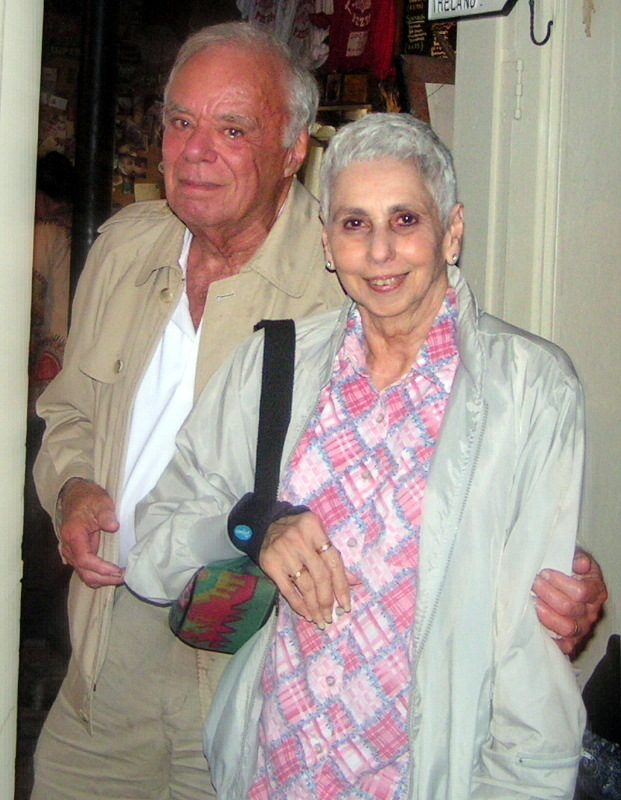
Hal’s son Armeen eventually sent around an obituary which I’ve drawn from, including a list of the books Hal authored. For the photos I’m indebted to historian Richard Barnett – who I had interviewed years ago for The Frontier Post – who connected me with another friend of Hal and of South Asia, Philip McEldowney at University of Virginia who dug about and sent some.

Obituary on Hal Gould in South Asia Monitor, cross-posted to our recently launched Sapan website. Rest in peace Hal. We will keep learning from you.

Here’s the full piece:

Continue reading

Covid-19 needs a regional response, say physicians and activists

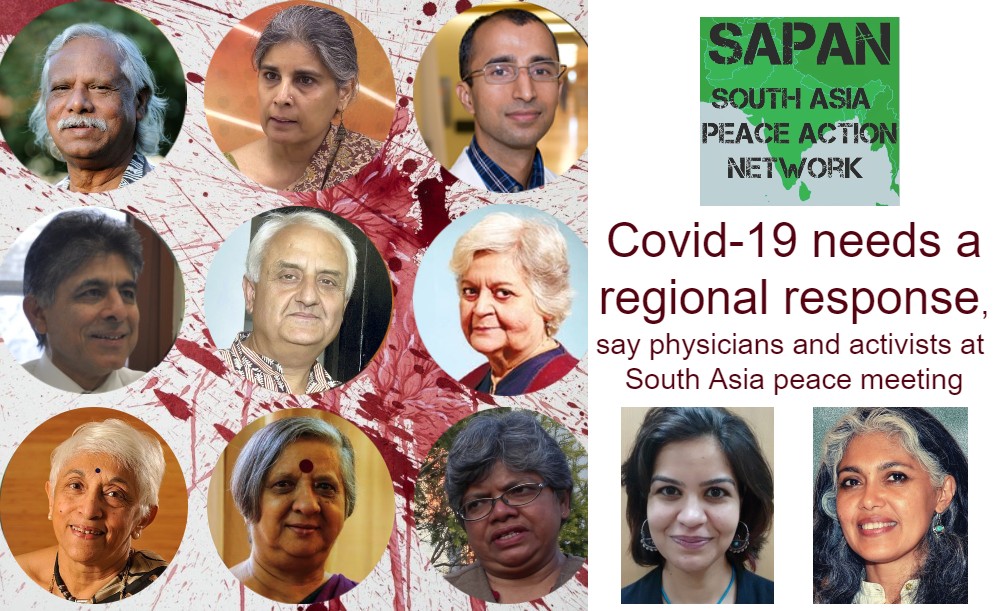
The South Asia Peace Action Network webinar Neighbours in Peace and Health, June 27, 2021, was the third in the SAPAN series: Imagine! Neighbours in Peace, a title borrowed from an unpublished Chowk.com volume, 2005

Visuals by SAPAN volunteer Vishal Sharma in Simla.

Sunday’s event included prominent physicians like Dr Zafrullah Chowdhury, Dr Anup Subedee, Dr Vandana Prasad, and Dr Hamid Jafari of Pakistan (led the team that eradicated polio in India). Speakers included Salima Hashmi, Khushi Kabir, Kanak Dixit, Lalita Ramdas, besides journalists Beena Sarwar, Mandira Nayar and others. Activist Priyanka Singh conducted the event.

“South Asian countries cannot go it alone, that’s irrational,’’ said Dr. Zafrullah Chowdhury, renowned public health activist and Ramon Magsaysay awardee from Bangladesh.

The hard lockdown in his country will lead to furthering the inequalities in society, he warned, emphasizing that it is irresponsible to impose lockdowns without providing food. “Poverty has increased. There are 25 million more poor without food.”

Dr Chowdhury was among the physicians and health right activists across countries who came together on Sunday 27 June at a webinar organised by the South Asia Peace Action Network (SAPAN) to emphasize that the coronavirus pandemic must be fought collectively.

Continue reading

Talking to the Indian diaspora on India-Pakistan: Youth, Media, Aspirations, Common Issues

A couple of weekends ago I was invited to share my thoughts with Indian Diaspora Washington DC Metro on a topic close to my heart: India-Pakistan: Youth, Media, Aspirations, Common Issues. I posted the information to social media and was amazed at the response – the most I’ve had for any post in a long time. An indication of the passions and aspirations associated with this issue. Sharing a recording of the video below.

Coincidentally, this event took place barely a week after the Directors General of Military Operations (DGMOs) of India and Pakistan’s agreement that came into effect at midnight Feb. 24/25, to implement the 2003 Ceasefire that couldn’t have happened without high level approval. Then a couple of days ago, the Pakistan Army chief in a speech reached out to India, saying it’s time to bury the past, move forward – read my friend Nirumpama Subramaniam’s analysis in The Indian Express here.

Here’s the talk I gave. They edited out the worst of the abuses. but you can still see some of the trolling that took place. Just a glimpse of what we are up against when we stand for peace, countering the military-industrial complex:

(ends)

A beloved jurist passes on

Fakhruddin G. Ebrahim (12 February 1928-7 January 2020) gained respect early on in his career for refusing to take oath under the military dictatorship of Gen. Ziaul Haq. Through his life he wore many hats — founder member Human Rights Commission of Pakistan, Pakistan Supreme Court judge, Governor Sindh, Chief Election Commissioner, to name some. But a little-known feather in his cap is his pro bono work for the imprisoned leftist and student activists of the 1950s, that he credited for his politicisation. Those, he would say, were “the best days” of his life. Here’s that story as I heard it from him and from my father Dr. M. Sarwar, published in The News on Sunday and The Wire a few days after Fakhru Uncle passed on.

Fakhruddin G. Ebrahim: A fine legacy (online photo)

By Beena Sarwar

As the debate on the much-delayed restoration of student unions in Pakistan gathers momentum, we celebrate and commemorate a beloved jurist who cut his teeth by taking on cases of detained student activists pro bono in the 1950s.

Continue reading

Remembering Doc: The importance of civil discourse and the art of listening

At a small gathering last year, our friend S. Ali Jafari read his essay in Urdu about my father, whom he called “Doc”. His son Salman videotaped the reading, which forms the basis of this 14-minute video I edited for 26 May 2019, ten years after Dr M. Sarwar passed away peacefully at home in Karachi, at age 79.

Continue reading

‘Blood on the streets’

Part one of a series I am working on. NOTE: Post later updated to add the other parts below.

Student mtg 1951 or 52

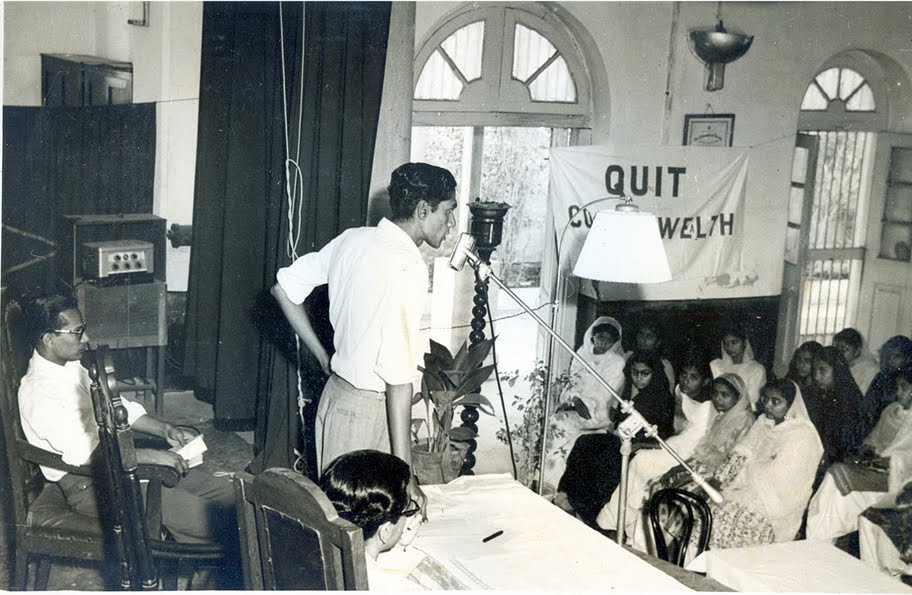
M. Sarwar addressing a meeting in Karachi, early 1950s, Khaliqdina Hall. Seated left: Rehman Ali Hashmi.

Looking back to look forward: The DSF-led movement of the 1950s eschewed party politics, was inclusive, and focused on student unity. Besides students from medical, engineering and and law colleges, it involved students from girls’ and boys’ high schools, and women’s colleges. 

Below, an extract from my forthcoming memoir on the struggle for democratic spaces in Pakistan. This is from the chapter about the student movement of 1953 that shook the country and laid the foundations for the University of Karachi, published in The Friday Times, Jan. 8, 2016. Thanks to Raza Rumi for pushing me to share this Continue reading

Commemorating Jan 8, 1953: 2013 events, Jan 6 and 8, by DSF and NSF

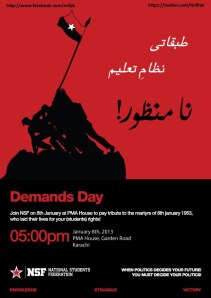
2012 Jan 8-NSF Demands Day

Re-blogged from Dr M. Sarwar:

As we remember Jan 8, 1953 Demands Day and those who gave their lives for the cause of students’ rights, it is good to see that progressive young people in Pakistan are organising and work for students’ rights, with the revival of Democratic Students Federation and the National Students Federation. In keeping with the rallying cry of the original movement – ‘Student Unity’ – activists of DSF and NSF must put up a united front, and attend and support each others’ events even if they don’t merge into one organisation. Demands should include lifting the ongoing ban on student unions. Below, information about several events being organised this year, some on Jan 6in different cities of Sindh and Punjab by DSF, and NSF event on Jan 8:

Continue reading

Former DSF activist Dr Ghalib Lodhi makes a quiet exit

Dr Ghalib Lodhi (left) with Dr M. Sarwar, London, 2001.

Karachi, Aug 3, 2012: Tahir Wasti in London emailed recently that Dr Ghalib Lodhi expired in Karachi. I contacted some of Dr Ghalib’s old comrades. None of them had heard of his demise…

Former DSF activist Dr Ghalib Lodhi makes a quiet exit.