Human rights activists condemn threat to Asma Jahangir’s life

 Link to South Asians for Human Rights (SAHR) statement of concern regarding the threat to Asma Jahangir 

Signatories to HRCP Press release condemning threat to Asma’s life:

Lahore, 4 June 2012: We the undersigned citizens, belonging to various sections of Pakistan’s civil society, express our serious concern and alarm at the information-leak from a responsible and highly credible source that there is a serious threat to the life of the country’s leading human rights activist and one of the most influential leaders of the bar, Ms Asma Jahangir. What makes the reported conspiracy to liquidate Asma Jahangir especially serious is, firstly, the environment of target-killings, in which dissident persons’ dead bodies are being dumped all over, and, secondly, the fact that the finger of accusation has been pointed at the extraordinarily privileged state actors. We wish to make it clear to all and sundry, especially those who preside over the security apparatus, that they must not under-estimate the consequences of any harm being caused to the life of Asma Jahangir. This is not a conspiracy against one individual alone; it is obviously a plot against Pakistan’s future as a democratic state, of which the threat to Asma Jahangir may be only one, though crucial, part. What the duty of the state in this matter is and how the civil society must face the challenge thrown to it need no elaboration. Continue reading

Rinkle Kumari: A Test Case for Jinnah’s Pakistan (Updated)

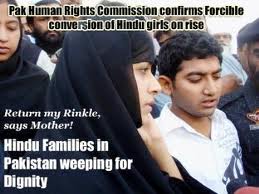
Marvi Sirmed raises some critical questions about the complex case of Rinkle Kumari, with a timeline of the case, on her blog Rinkle Kumari: A Test Case for Jinnah’s Pakistan (Updated).

Signature campaign and public performance against violence in the name of religion

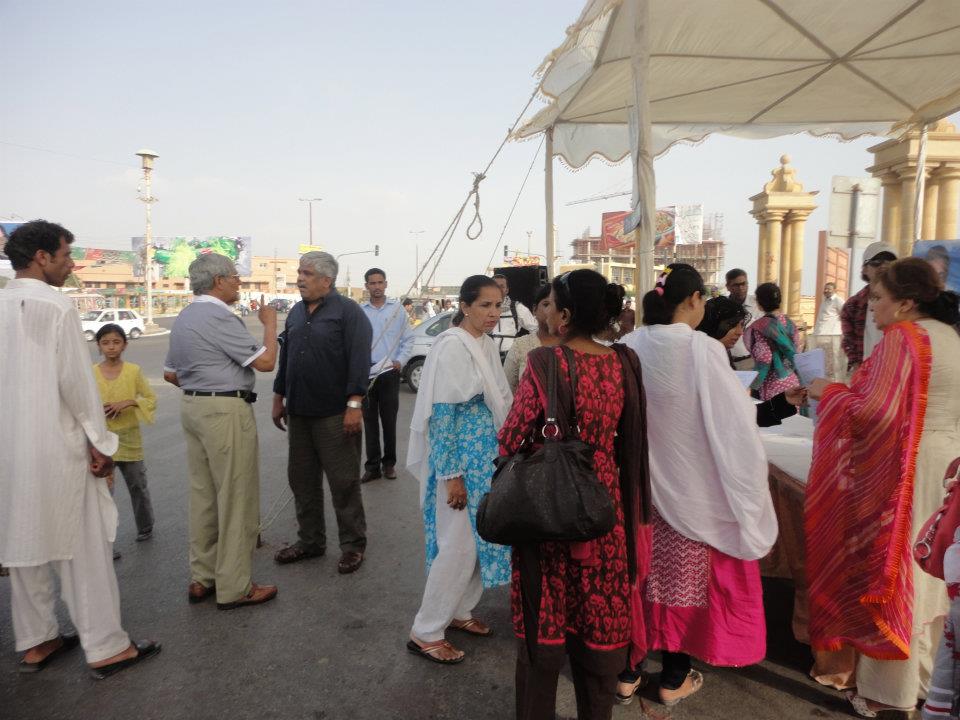
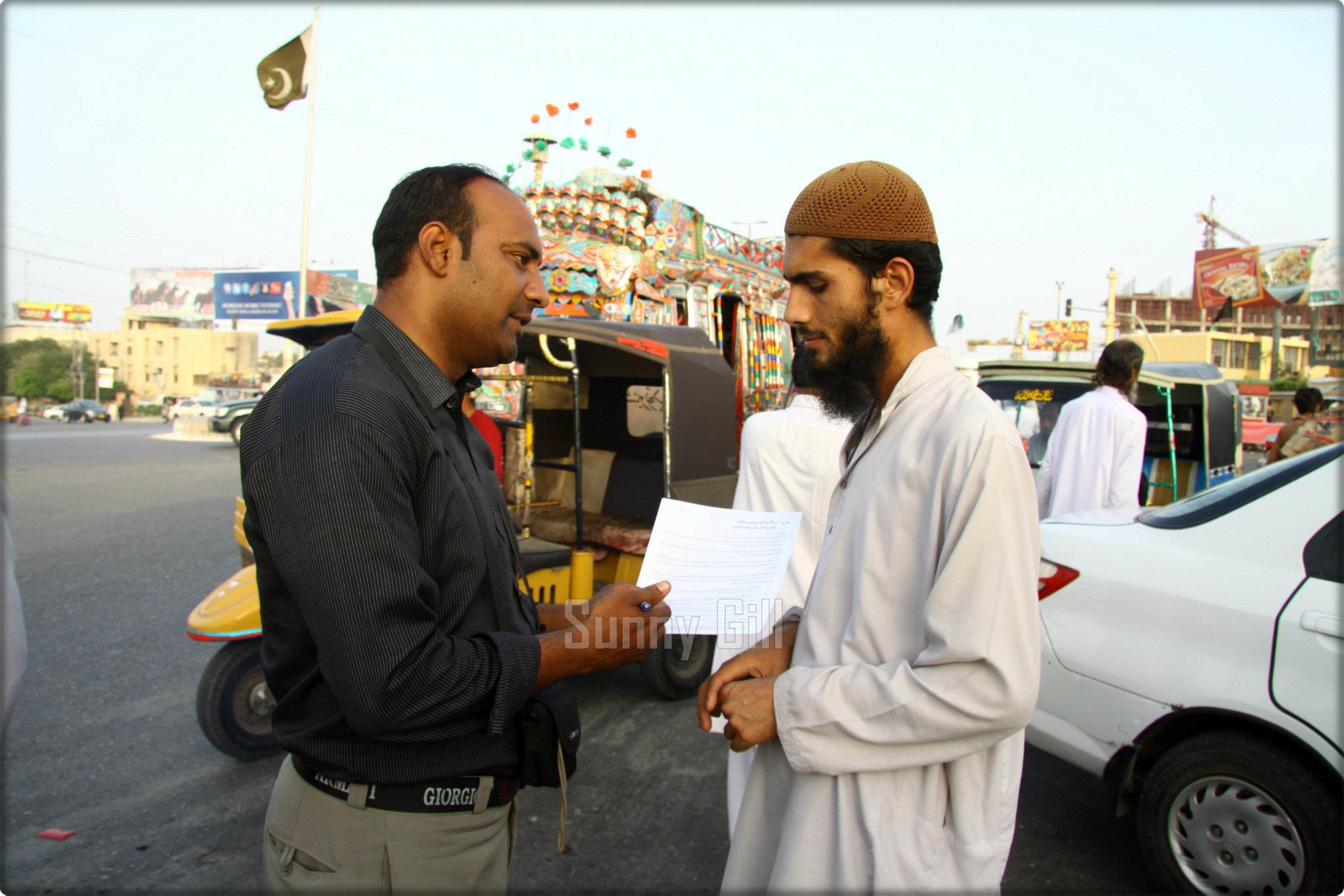
Signature campaign against violence in the name of religion


CFD volunteers receive an encouraging response as they engage with members of the public.

On April 14, 2012 Citizens for Democracy organized a signature campaign against killings and other violence in the name of religion, as well a public theatre performance. Read more at the CFD blog… Signature campaign and public performance against violence in the name of religion.

Soft power, woman power: Forging a new security paradigm

My article on the Amn-o-Nisa delegation’s visit to the USA, for Global Post, published  May 7, 2012: Soft power, woman power: Forging a new security paradigm in Pakistan

Women work to combat extremism by closing rift between Americans and Pakistanis.

Beena Sarwar

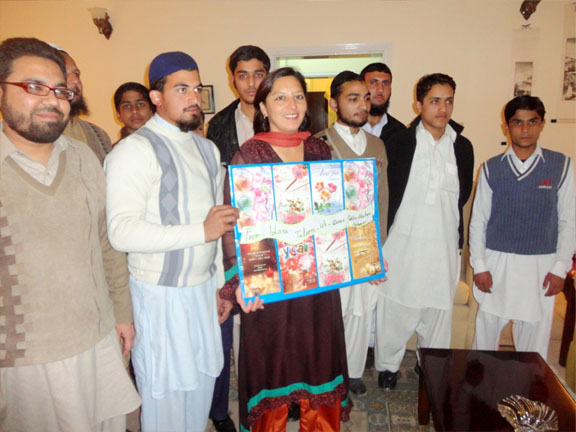
Peshawar, Dec 2011: Madrassah students and US embassy staff pose with one of the cards made by the students. Photo courtesy: PEAD

It was a unique Christmas party. Eight madrassah students in Peshawar, Pakistan took giant homemade cards, cake and flowers over to the US Consulate last year. The students and diplomats sat and talked for four hours, facilitated by teachers who provide English language and computer skills to the Islamic schools.

“This is the first time that these boys are connecting to and being exposed to a world outside the madrassah,” said Sameena Imtiaz, executive director of Peace Education and Development (PEAD), a non-profit foundation in Pakistan that has been working with madrassahs since 2005. “It wasn’t easy to build this relationship. It has taken a long time for them to trust us.” Continue reading

Pakistan: A Thousand Separate Worlds

constable.jpg

Constable cradles Apache, a dog she rescued while she was embedded with Marines in Fallujah, Iraq. Photo: Chris Borouncle

I wrote this book review for the Brown Alumni Magazine, Nov 2011 issue, and didn’t get around to posting it earlier. This is a slightly longer version than the one BAM published.

Playing with Fire: Pakistan at War with Itself by Pamela Constable (Random House, 2011).

When it comes to Pakistan, veteran journalist Pamela Constable certainly ‘gets it’. Her latest book, ‘Playing with Fire: Pakistan at war with itself‘ is readable, thoughtful and nuanced. A veritable ‘Pakistan 101’ with much to offer even insiders like myself. 

As Kabul bureau chief and then deputy foreign editor at the Washington Post, Constable travelled extensively around the country. Her interactions with ordinary folk and newsmakers yield empathy and human faces often missing from discussions about Pakistan. Continue reading

DSF Convention, Peshawar, April 29, 2012

Education is a right… Not privilege – DSF Pakhtunkhwa Students Convention, April 29, 2012, Peshawar

DSF Convention, Peshawar, April 29, 2012.

Music: Touching the soul, defying the Taliban

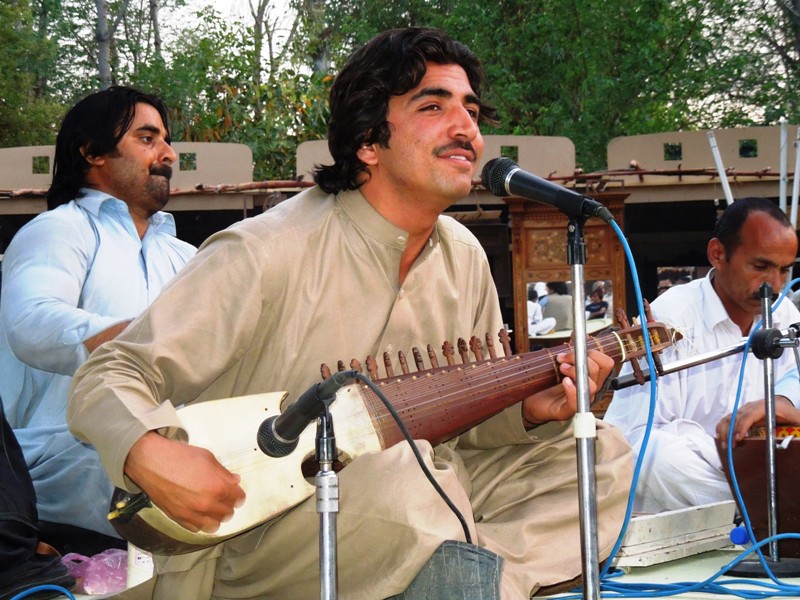
Asfand Yaar Mohmand performing - photo: Shiraz Hasan

Asfand and his Rubab! This lovely, moving post by Shiraz Hasan reminded me of another moving documentary film I saw over a decade ago, Amir: An Afghan Refugee Musician’s Life in Peshawar by Dr. John Baily (1985). It is tragic how musicians have been pushed around, forced to flee the fighting during the Afghan war of the 1980s and now, persecuted and punished for their art by the ‘taliban’.

Asfand Yaar Mohmand, as Shiraz Hasan writes, comes from a family of labourers. They initially opposed his decision to become a musician but realising he would “not step back” have came around. “I love playing the Rubab, this is such a beautiful instrument. Its strings touch your soul, literally,” says the 19-year old Afsand.

The only international organisation in the world advocating freedom of expression for musicians and composers is Freemuse, which I came across some months ago when Salman Ahmad of Junoon introduced me to its founder Ole Reitov. In an subsequent email Ole wrote that his own “deep interest and dedication to this issue started in Lahore in 1980 when – invited by Raza Kazim – I recorded Iqbal Bano (in Kazim’s studio) and talked to her about the reasons why she stopped performing in public”.

“Is this justice?”

“Pakistan`s accession to a sane and tolerant society in which all its sons and daughters are equal before the law and by social standards is going to be a long haul. The process may be started with action against organised abduction-conversion marriage rackets, offering guarantees of prompt and effective police action on complaints of abduction, and firm assurances of evenhanded treatment by the courts of all parties regardless of belief, gender or social status” –– HRCP director and senior journalist I.A. Rehman, ‘Unwelcome conversions‘, March 22, 2012.

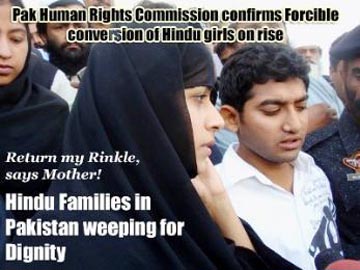
ISLAMABAD, March 25: The Chief Justice of the Supreme Court of Pakistan ordered two adult women who had stated that they were abducted and forcibly converted to Islam, to be sent back to the Karachi shelter home where they had been lodged since being ‘recovered’, for three more weeks to give them time to “consider” their views.

The Hindu community in Pakistan is asking if he would have done that if these women — Rinkal Kumari and Dr Lata Kumari –had given statements in favour of their kidnappers? Continue reading

Caviar to the General

“Even if the agencies in other countries play this ‘august’ role of interrupting the democratic process in their countries, does it justify ISI’s doling out money to keep a certain political party of the people’s choice out of government? Now that’s dangerous, if the army thinks whatever happened in 1990 was justifiable and is an established way of agencies’ working around the world, it should worry every law-abiding citizen of Pakistan. If the army is insisting on being right when it dictates the democratic process, we need to worry about our future. In this case we really need to reflect what has really changed despite the army’s lip service that they don’t want to mingle in politics…” Marvi Sirmed, Caviar to the General.

A Hundred Years of Manto

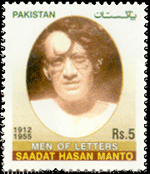
Great post by the Indian journalist and blogger Shivam Vij in Kafila.org, compiling information from several articles, interviews and videos:  ‘A Hundred Years of Manto‘. Excerpt:

Where would we be without Manto? He died in 1955 but lives on in the hearts of millions of people in both Pakistan in India because his work has by now helped generations understand, and if I may say so, come to terms with the Partition of 1947 whose ghosts haven’t left us yet. Manto’s centrality in understanding Partition remains despite a growing body of historical research on the subject…