Posted on August 4, 2012 by beenasarwar

In his article ‘A judge’s armour‘ (The Friday Times, July 20-26, 2012), advocate Chaudhry Faisal Hussain discusses the issue of contempt of court in the context of the current political system in Pakistan. “The best shield or armour of a judge, he writes, is his reputation of integrity, impartiality and learning. An upright judge will hardly ever need to use the contempt of court power in his judicial career,” he writes, quoting Justice Markandey Katju, the retired Indian Supreme Court judge who currently heads the Press Council of India. Continue reading →
Filed under: Pakistan | Tagged: Contempt of Court, Justice Katju, Pakistan | 4 Comments »
Posted on July 13, 2012 by beenasarwar

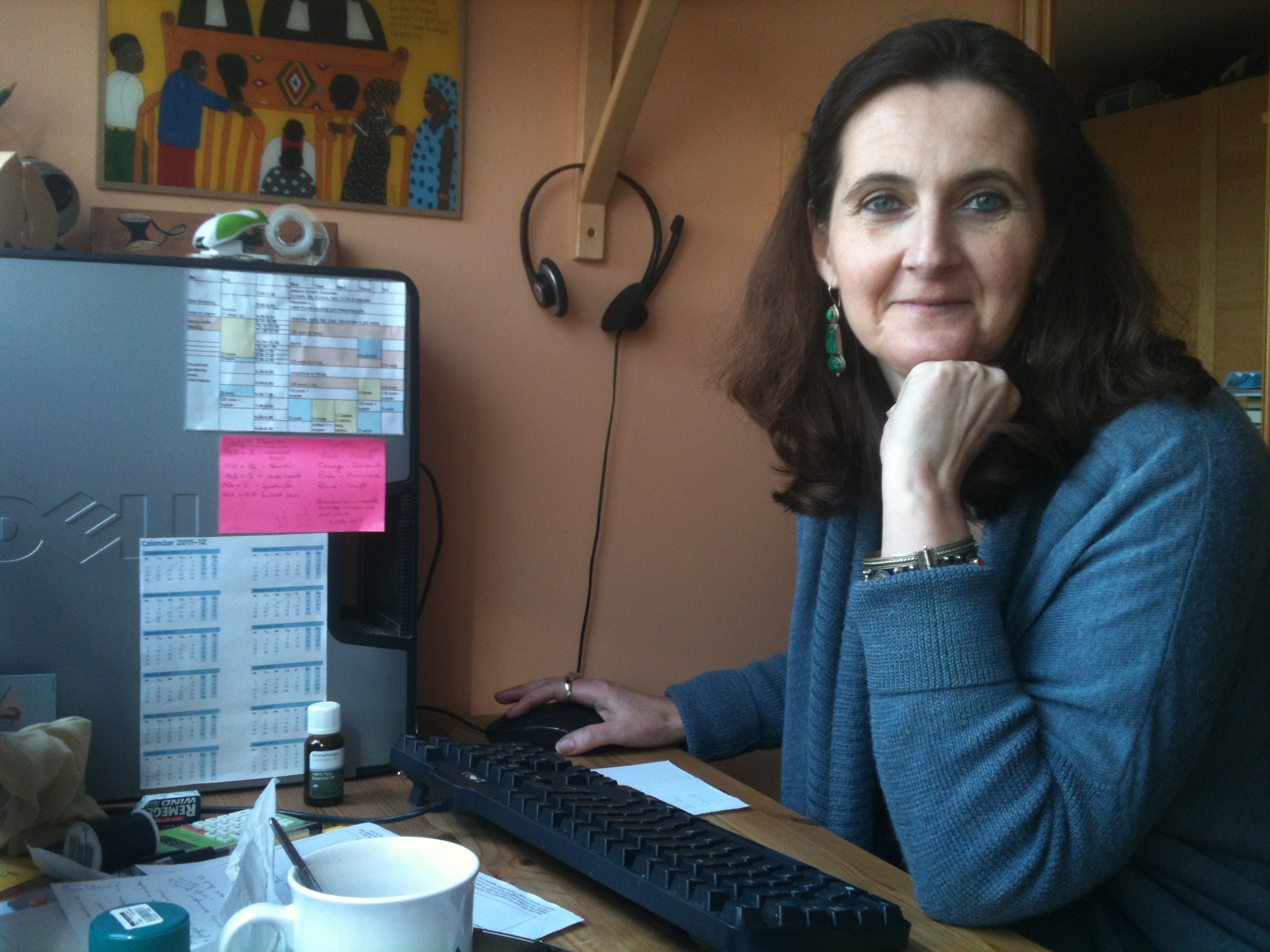
My photo of Cass, London, March 2012
An email from our mutual friend Gita Sahgal informs me that Cassandra Balchin passed away peacefully this morning in London, barely a few months after being diagnosed with cancer, too late for cure. I am so grateful for our friendship and our time together. Saw her in London just before the diagnosis, but I had no idea she was so ill until just a week ago. She leaves behind her mother, her sons Dani and Raul, brother Charles and a host of friends around the world, especially in Pakistan where she lived and worked for 17 years, based in Lahore as a journalist and activist, focusing on gender, religion and human rights issues. The funeral will be held around July 22nd or 23rd. Those wanting to send messages may email Cass.Friends@gmail.com. Continue reading →
Filed under: Gender, Pakistan | Tagged: Cassandra Balchin, Gita Sahgal, Musawah, Muslim Women's Network, Shirkat Gah, WLUML | 11 Comments »
Posted on July 12, 2012 by beenasarwar
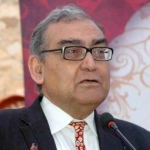
Justice Katju: “Pakistan Supreme Court, particularly its Chief Justice, have embarked on a perilous path of confrontation with the political authorities”
Below, Justice Markandey Katju’s unabridged article on the philosophy of judicial restraint – something the courts in Pakistan would do well to observe. (An abridged version of this article has been published by some newspapers).
Excerpt: “It is evident that the Pakistan Supreme Court, particularly its Chief Justice, have for some time embarked on a perilous path of confrontation with the political authorities, for reasons best known to themselves, which can only have disastrous consequences, not only for the judiciary but also for the entire country.”
Continue reading →
Filed under: Pakistan | Tagged: judicial restraint, Justice Markandey Katju, Pakistan | 3 Comments »
Posted on June 27, 2012 by beenasarwar
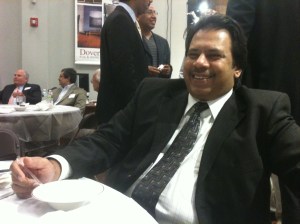
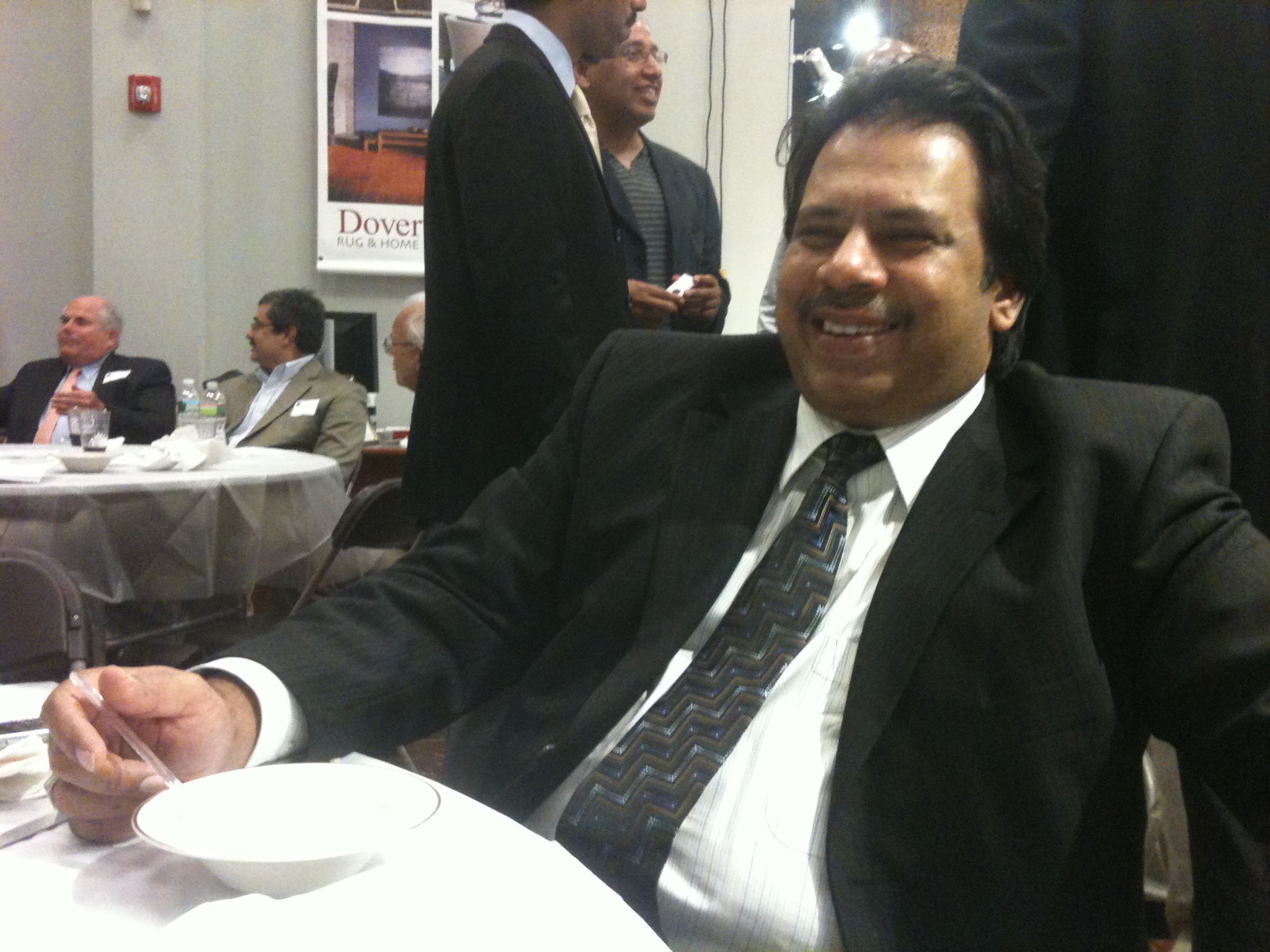
Jahangir Khan chatting with guests after dinner.
Here’s what I wrote after the fundraiser with the great Jahangir Khan at the Pakistan Squash Federation (PSF) in conjunction with Dover Squash in Natick, MA – my first sports report (slightly abridged version published in The News).
From Beena Sarwar
BOSTON: The Pakistan Squash Federation has launched an ambitious project to revive the game in Pakistan, partnering with squash associations and academies in the United States to uplift, educate and groom Pakistani talent. (See Khalid Hussain’s earlier report in The News on Sunday here) Continue reading →
Filed under: Pakistan | Tagged: boston tennis and racquet club, cambridge cctv, dover squash, jahangir khan, maria toor, mass squash, Nasir Sheikh, pakistan squash, razi nawab, shahid zaman khan | Leave a comment »
Posted on June 25, 2012 by beenasarwar
The following email correspondence copied to me stems from a comment on my blog by Barrister Rizwan Ahmad, Advocate High Court, Lahore, Pakistan, addressed to Justice Katju, in response to Justice Katju’s views on the Pakistan Supreme Court judgement first published on this blog. I forwarded the comment to Justice Katju who replied to Mr Ahmad: “I was constrained to write such a hard hitting article because your Chief Justice and his colleagues have lost all sense of self restraint expected of a superior Court, and have been playing to the galleries for quite some time. Whether they have a hidden agenda or not I cannot say, but they will certainly wreck the Constitution if they go on like this.” Read their subsequent exchange below, arranged chronologically, starting with Rizwan Ahmad’s reply to Justice Katju’s email: Continue reading →
Filed under: Pakistan | Tagged: Justice Katju, Pakistan Supreme Court | 2 Comments »
Posted on June 21, 2012 by beenasarwar
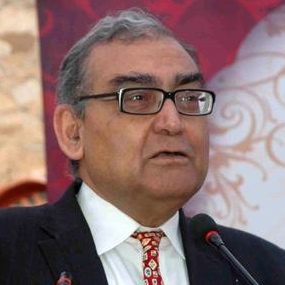
Justice Katju: “The Prime Minister holds office as long he has the confidence of Parliament, not confidence of the Supreme Court.”
Justice Markandey Katju, former Justice, Supreme Court of India and presently Chairman, Press Council of India just sent me an article about the recent order of the Pakistan Supreme Court declaring that Mr. Gilani is not the Prime Minister. Justice Katju writes, “In my opinion the Pakistan Supreme Court has gone totally overboard, flouted all canons of Constitutional Jurisprudence, and is only playing to the galleries and not exercising judicial restraint. It is thereby upsetting the delicate balance of power in the Constitutional scheme.”
In his article, Justice Katju explains the concept of immunity and stresses the need for balance between the organs of the state. He writes that it may be published freely in any newspaper: Continue reading →
Filed under: Pakistan | Tagged: judicial activism, markandey katju, Pakistan, supreme court | 102 Comments »
Posted on June 21, 2012 by beenasarwar

A 30-second ‘convict’ for ‘contempt of court’: Gilani. Reuters photo.
On Tuesday, June 19, the Supreme Court of Pakistan in an unprecedented judgement disqualified Prime Minister Syed Yousuf Raza Gillani from his membership of Parliament, also barring him from contesting elections for five years (scroll down for a Political Timeline putting the move in context).
The Court had on April 26, 2012, symbolically ‘convicted’ Gillani for contempt of court for less than a minute, due to his failure to ask Switzerland to reopen a corruption case against President Zardari, on the grounds that the president enjoyed immunity as head of state. According to some legal experts, as a ‘convict’ Gilani could no longer hold office. Continue reading →
Filed under: Pakistan | Tagged: gillani, judicial activism, Pakistan, supreme court | Leave a comment »
Posted on May 25, 2012 by beenasarwar
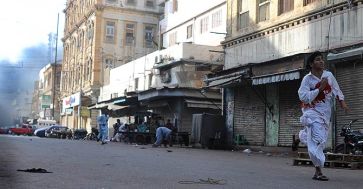
A young man, bleeding apparently due to gunshot wounds, runs for his life after “unknown assailants” opened fire at a rally in Karachi on May 22, 2012. Photo: Faysal Mujeeb/Whitestar
The violence in Karachi on May 22, 2012 that killed 11 people reminded many people of the firing that claimed nearly fifty lives on May 12, 2007 (about which I wrote ‘Eyewitness Karachi‘, originally published in The News on Sunday). Below, a statement from Women’s Action Forum (WAF) about the recent bloodshed:
Women’s Action Forum Hyderabad, Karachi, Lahore and Islamabad is appalled that a peaceful demonstration against the division of Sindh on May 22, 2012 was violently attacked, resulting in the tragic death of at least 11 people, including two friends and comrades. We strongly condemn the use of force under any circumstances and particularly when it is used to subdue the democratic rights of the people to express their sentiments and political positions. Continue reading →
Filed under: Pakistan | Tagged: karachi, may 22 2012, peace rally, violence, WAF | Leave a comment »
Posted on May 2, 2012 by beenasarwar

Constable cradles Apache, a dog she rescued while she was embedded with Marines in Fallujah, Iraq. Photo: Chris Borouncle
I wrote this book review for the Brown Alumni Magazine, Nov 2011 issue, and didn’t get around to posting it earlier. This is a slightly longer version than the one BAM published.
Playing with Fire: Pakistan at War with Itself by Pamela Constable (Random House, 2011).
When it comes to Pakistan, veteran journalist Pamela Constable certainly ‘gets it’. Her latest book, ‘Playing with Fire: Pakistan at war with itself‘ is readable, thoughtful and nuanced. A veritable ‘Pakistan 101’ with much to offer even insiders like myself.
As Kabul bureau chief and then deputy foreign editor at the Washington Post, Constable travelled extensively around the country. Her interactions with ordinary folk and newsmakers yield empathy and human faces often missing from discussions about Pakistan. Continue reading →
Filed under: Pakistan | Tagged: book review, democracy, Gender, justice, law and order, Pakistan, pamela constable | 5 Comments »
Posted on March 19, 2012 by beenasarwar
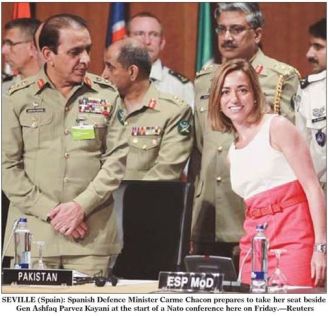 “Even if the agencies in other countries play this ‘august’ role of interrupting the democratic process in their countries, does it justify ISI’s doling out money to keep a certain political party of the people’s choice out of government? Now that’s dangerous, if the army thinks whatever happened in 1990 was justifiable and is an established way of agencies’ working around the world, it should worry every law-abiding citizen of Pakistan. If the army is insisting on being right when it dictates the democratic process, we need to worry about our future. In this case we really need to reflect what has really changed despite the army’s lip service that they don’t want to mingle in politics…” Marvi Sirmed, Caviar to the General.
Filed under: Pakistan, Politics | Tagged: army meddling in politics, democracy, isi, marvi sirmed, Pakistan | Leave a comment »




 Journeys to democracy