The Kidnapping of Another Baloch Journalist | Baloch Hal editorial

Since the Pakistan Telecommunications Authority has blocked the website Baloch Hal in Pakistan, here’s Malik Siraj Akbar’s editorial that Pakistanis should have access to:

The Kidnapping of Another Baloch Journalist

Javid Naseer Rind, the former Deputy Editor of Daily Tawar, a leading anti-government Balochnewspaper published in Urdu language, was kidnapped on Saturday by unidentified people. Friends and family members of Mr. Rind, who is a widely respectednewspaper columnist and a reporter, have raised fingers at the state intelligence agencies for whisking him away. He was picked up in Laseba District of Balochistan along with another relative of his Abdul Samad Baloch. Since then the whereabouts of the Baloch journalist are unknown. Continue reading

Activists protest detention of Baba Jan, fear torture | Gilgit-Baltistan

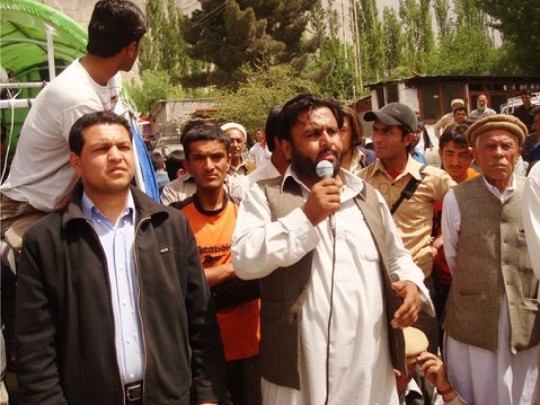
Baba Jan speaking at a demonstration for the flood-affected earlier this year

Farooq Tariq of the Labour Party Pakistan has sent an urgent email appeal to protest the detention of LPP federal committee member Baba Jan who had surrendered himself before an anti-terrorist court in Gilgit last week. He “has been taken out of jail in Gilgit and now the Inter Services Intelligence (ISI) is torturing him on the name of investigation,” fears LPP. The judge had sent Baba Jan to prison on judicial remand instead of physical remand to the police. “He was dragged out of jail yesterday by the intelligence agencies,” alleges the alert.

Continue reading

Vigilante violence in Pakistan isn’t new. Remember the attack on Colin David’s house?

The policeman who physically assaulted the curator of Nairang Art Gallery in Lahore was following a long and dishonourable tradition of attacks on artists and art galleries in Pakistan. The incident reminded me of the attack on the private exhibition at Colin David’s house in Lahore, 1990, that I wrote about at the time (‘Assault on Art: Back to Square One’, The Frontier Post, June 1, 1990). I can’t find an online link to that, but below is an article I wrote later for a special edition honouring Colin David in Dawn, March 8, 2008 Unwilling symbol of an ongoing clash (text & Feica’s illustration of earlier article below; See also artist and art critic Quddus Mirza’s article about the late painter in the same edition here). Continue reading

Baloch Hal Editorial: People’s Right to Know What Happened in Kharotabad

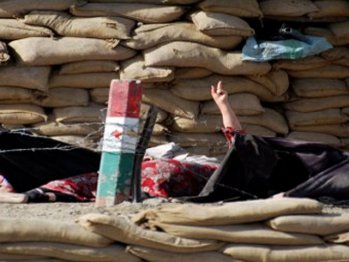
One of the injured women raises her hand before being silenced forever

Once again, an important editorial from Baloch Hal online daily, being reproduced here because the Pakistan Telecommunications Authority (PTA) has since November 2010 blocked the Baloch Hal website in Pakistan

Editorial: People’s Right to Know What Happened in Kharotabad

The Kharotabad tragedy was simply as tragic as tragedy can be.  The brutal killing of Chechen nationals, mainly women, including a pregnant lady, on May 27th left us all totally speechless as the nation watched on TV the extremely perturbing imagines of the victims of shooting  allegedly by the police and the Frontier Corps.

Tragedy aside, we witnessed a rare but an encouraging development for which the government of Balochistan must be commended. The investigations into the incdent, no matter how defective and imperfect, were successfully completed. Continue reading

The murder of Mir Rustam Marri, champion of IDPs and human rights, Balochistan

Below, please read this recent editorial from Baloch Hal, inaccessible to readers in Pakistan since the Pakistan Telecommunications Authority blocked it in Nov 2010.  We’re reproducing it here in the interest of freedom of expression and democratic rights, and in protest at the PTA’s censorship of a sane, moderate voice from Balochistan.

Editorial: Killing of a Man Who Stood For IDP Rights  Continue reading

Update and some questions: Karachi Rangers killing

UPDATE: The Supreme Court has taken suo moto notice of this incident, which, because it was captured on camera and circulated on the Internet, broadcast on TV channels, cannot be ignored like the other extra-judicial killings and murders taking place. But as Ali Dayan of HRW asks, “Will there be justice as a result?”

Some questions: It has been learnt that the video was shot by a man with a digi-camera who was with an Awaz TV reporter who was at the scene. Since one of them kept filming (granted, it was critical for him to continue and document the abuse), why didn’t other call for help? How come they were there in the first place? And how did Rangers let them film this scene? (further update: a team of three people from the Sindhi TV channel Awaz to film

HRW on Karachi killing: What we are seeing is visual records of what we have long documented: the culture of impunity in Pakistani law enforcement agencies. What is becoming clear is that the free for all, the culture of wanton abuse and killing, is becoming untenable in the age of new media and cell phone cameras.

Pakistan’s ‘enlightenment’ martyrs

Investigative journalist Saleem Shehzad

Below is the original, unabridged version of the article published in The News, Jun 9, 2011, with the somewhat misleading heading Pakistan’s secular martyrs (not all those killed for defending the values discussed in the article were ‘secular’).

Pakistan’s ‘enlightenment’ martyrs

Beena Sarwar

The murder of professor Saba Dashtiyari in Quetta last week, coming on the heels the killing of of investigative journalist Saleem Shehzad, is yet another sign of an ongoing ‘genocide’ of progressive Pakistani intellectuals and activists.

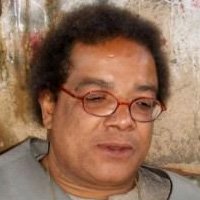
‘Waja’: Prof. Saba Dashtiary, Balochistan University


‘Genocide’ generally means the deliberate destruction of an ethnic group or tribe. In this context, it applies to the tribe of Pakistanis who have publicly proclaimed or implicitly practiced the enlightenment agenda of freedom of conscience. They may have very different, even opposing, political views but they are people who are engaged knowingly or unknowingly with spreading ‘enlightenment’ values. Continue reading

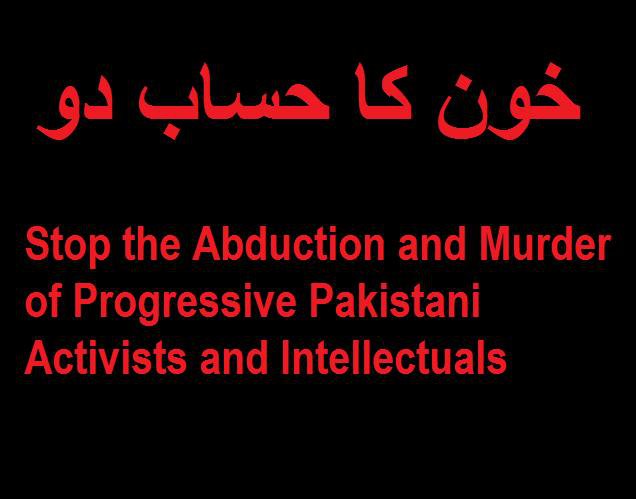
Khoon ka hisaab do – Stop the abduction and murder of progressive Pakistanis

We need accountability for the blood that has been spilt

Campaign against the genocide of progressive Pakistanis

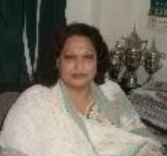
Prof. Nazima Talib of Balochistan University

Prof Saba Dashtiyara 'Waja' of Balochistan University

Prof. Saba Dashtiary of Balochistan University

Modified from a post just sent to my yahoogroup: We need a campaign against the genocide of progressive Pakistani intellectuals and activists at the hands of those who have been distorting religion for political purposes, criminal and ethnic mafias. One or other of these elements is responsible for the murders of Salmaan Taseer, Shahbaz Bhatti, Naeem Sabir (HRCP coordinator in Khuzdar, Balochistan), former senator Habib Jalib of Balochistan National Party (BNP-Mengal),  Saleem Shehzad and Prof. Dashtiyari. Baloch journalists killed include: Rehmatullah Shaeen, Ejaz Raisani, Lala Hameed Hayatan, Ilyas Nazar, Mohammad Khan Sasoil and Siddiq Eido and Abdus Rind. Also the fisherfolk leaders Haji Ghani and Abu Bakar spearheading a movement against the land mafia; Nisar Baloch who was fighting against the land mafia in Karachi; Latifullah Khan, the Communist Party member from Dir, and Nazima Talib, the professor of Balochistan University shot dead a year ago, and so many others. Continue reading

Editorial: The Baloch Noam Chomsky Is Dead

Reproduced from the Baloch Hal website, which the Pakistan Telecommunication Authority (PTA ) has blocked in Pakistan

There is renewed anger across Balochistan over the dreadful assassination of one of the most popular icons of Balochi literature and civil society, Dr. Saba Dashtiyari. A professor of Islamic studies at the University of Balochistan, the fifty-eight-year old university educator was gunned down when he was taking a walk in Quetta on Wednesday night.

The fresh flow of disillusionment does not solely emanate from political circles. Over two decades, no student passed out of the province’s highest center for learning without noticing Professor Dashtiyari’s ubiquitous presence and acknowledging his commitment to liberalism. He did not have any children but he has left behind tens of thousands of UoB alumni, current students, faculty members and poets and writers across the province to mourn his killing. Continue reading