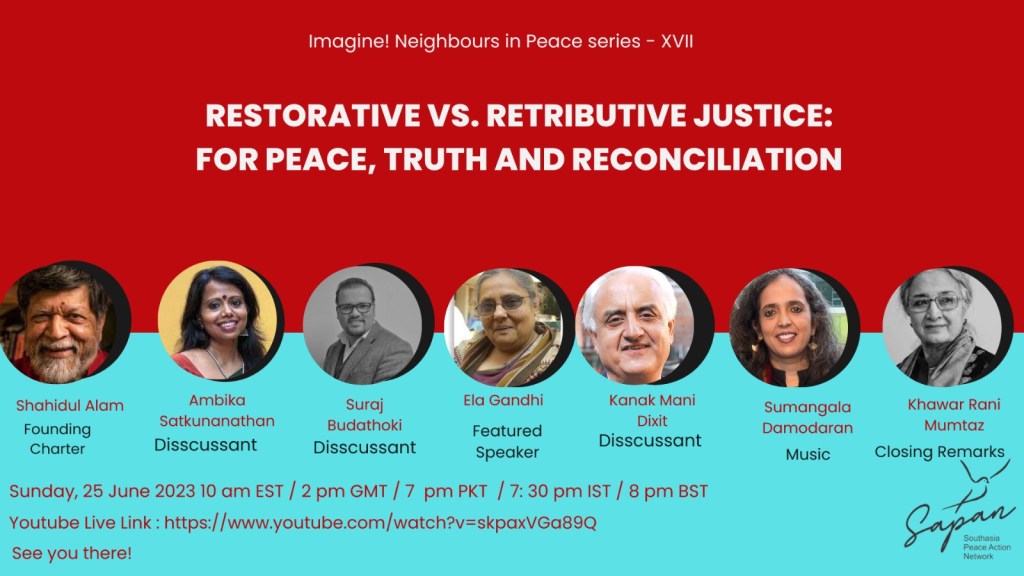
Hello all, I’m excited to be moderating this discussion on Sunday 25 June, 10 am ET/7 pm PKT
Register on Zoom, or tune into YouTube live to join us.
Look forward to the discussion and inputs from renowned photographer Shahidul Alam, Sri Lankan human-rights advocate Ambika Satkunanathan; Nepali journalist and democracy activist Kanak Mani Dixit; and Bhutanese human-rights activist Suraj Budathoki. Plus a cultural performance from Indian economist and musician Sumangala Damodaran and closing remarks from acclaimed feminist Khawar ‘Rani’ Mumtaz.
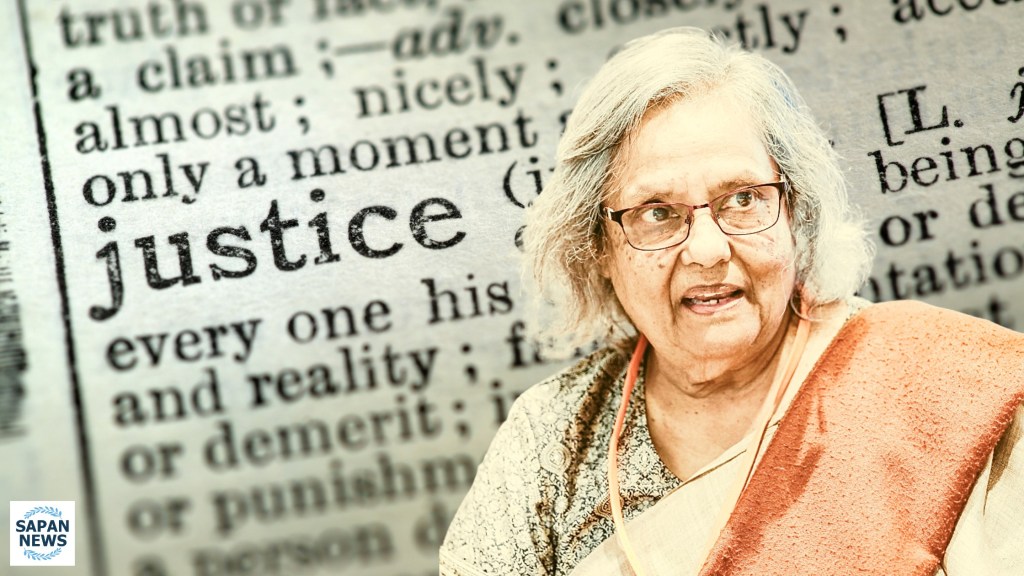
Hello all, check out the work we’re doing at Sapan News, providing behind-the-headlines information with context and nuance, and syndicating pieces out to a growing media network.
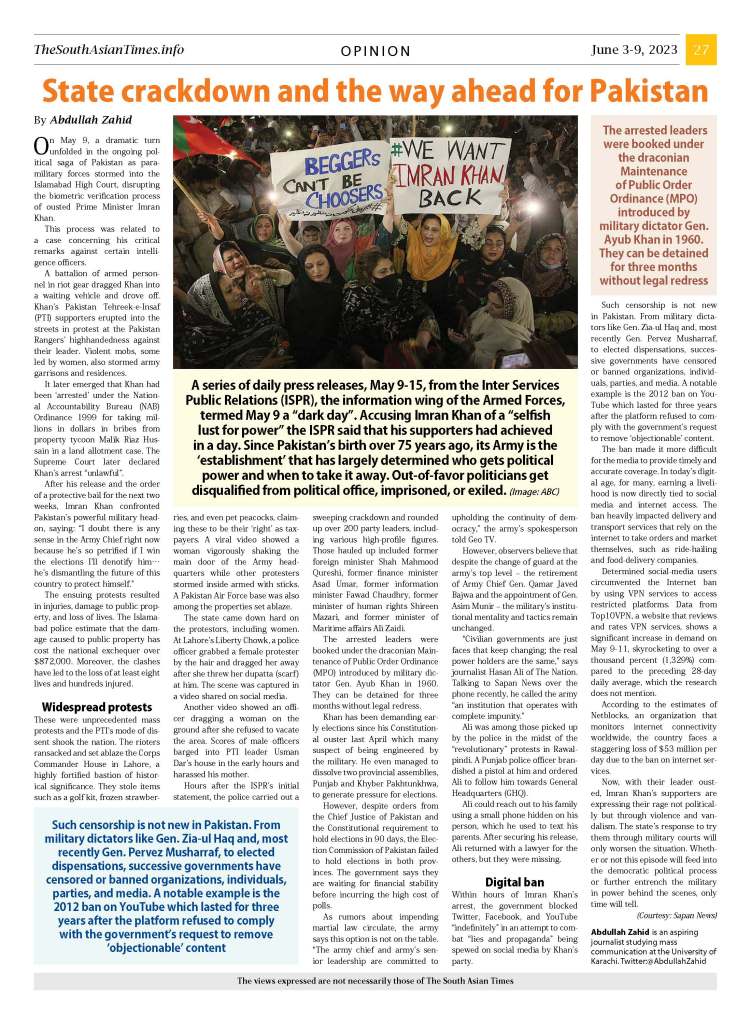
Sapan News syndicated feature in The South Asia Times, page 27, 3-9 June.
NOTE: If you like/support our work, please contribute what’s possible – no amount is too big or too small. Will be so grateful. We need to raise $15k by year end at a minimum. You can make tax-free donations at this link.
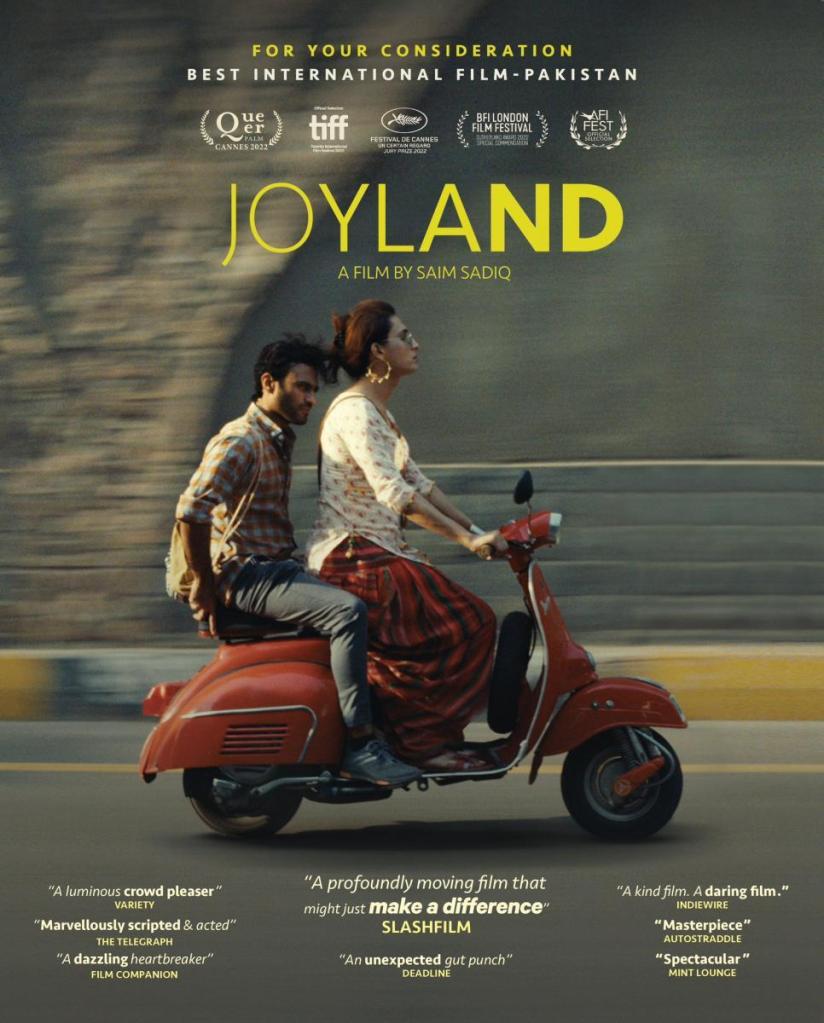
Joyland poster
On another note, I saw the banned-unbanned-censored (still banned in Punjab?) Joyland in Karachi a few weeks ago, and it haunted me – and my cousins who I saw it with – for days. This is the first feature film from Pakistan to screen at Cannes where it won two awards.
“What began as a small independent production among friends at Columbia University’s graduate film program became one of the year’s biggest success stories in world cinema — and a ground-breaking film about queer desire in a traditional Muslim society” reports NPR.
The film is showing at Coolidge Corner Theatre in the Boston area this week– writer-director Saim Sadiq has said the cuts made for the film’s showing in Pakistan were insignificant but I am curious to see the uncensored version.
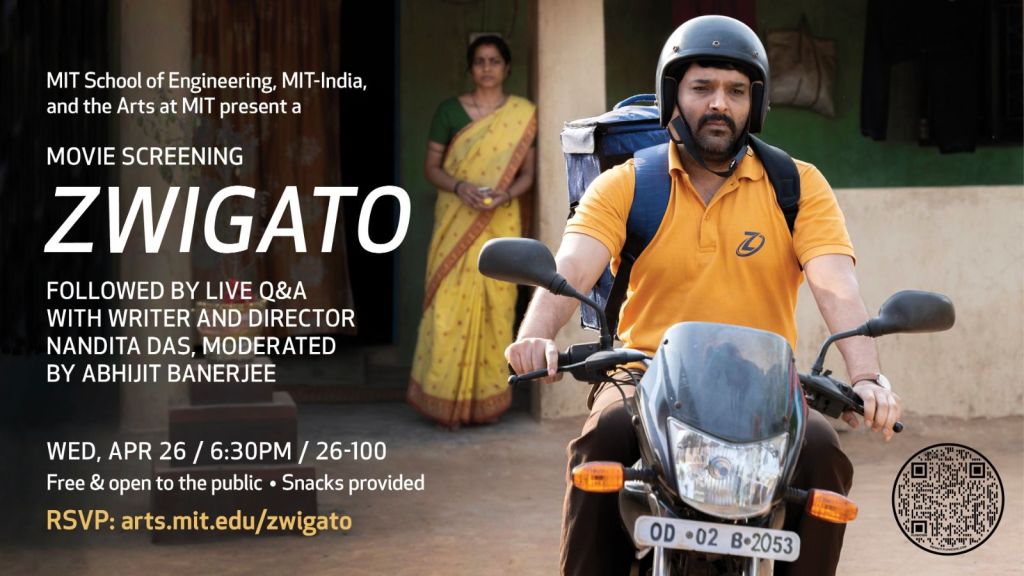
A film I saw recently and enjoyed was Nandita Das’ Zwigato, that she showed in person at various cities in the US.
Even on the small screen I found it thought-provoking and beautifully done, with many layers, a great commentary on the changing society, its challenges and opportunities. Sensitively depicted relationships, humanity, and aspirations. Great poetry and soundtrack, with many nuggets and vignettes sprinkled throughout. The end credits with animations are particularly creative and a story in themselves.
This is the third feature film by Nandita Das that I’ve seen, after Firaaq and Manto. Each of them a labour of love, executed with courage and clarity.
Interesting that the posters for both films feature two-wheelers…
Ending on a sad note – the triple train crash in India that has claimed nearly 300 lives. As expected, authorities are trying to pass it off as ‘human error’ rather than admit to the systematic problems with the railways or the government’s financial choices.




 Journeys to democracy